

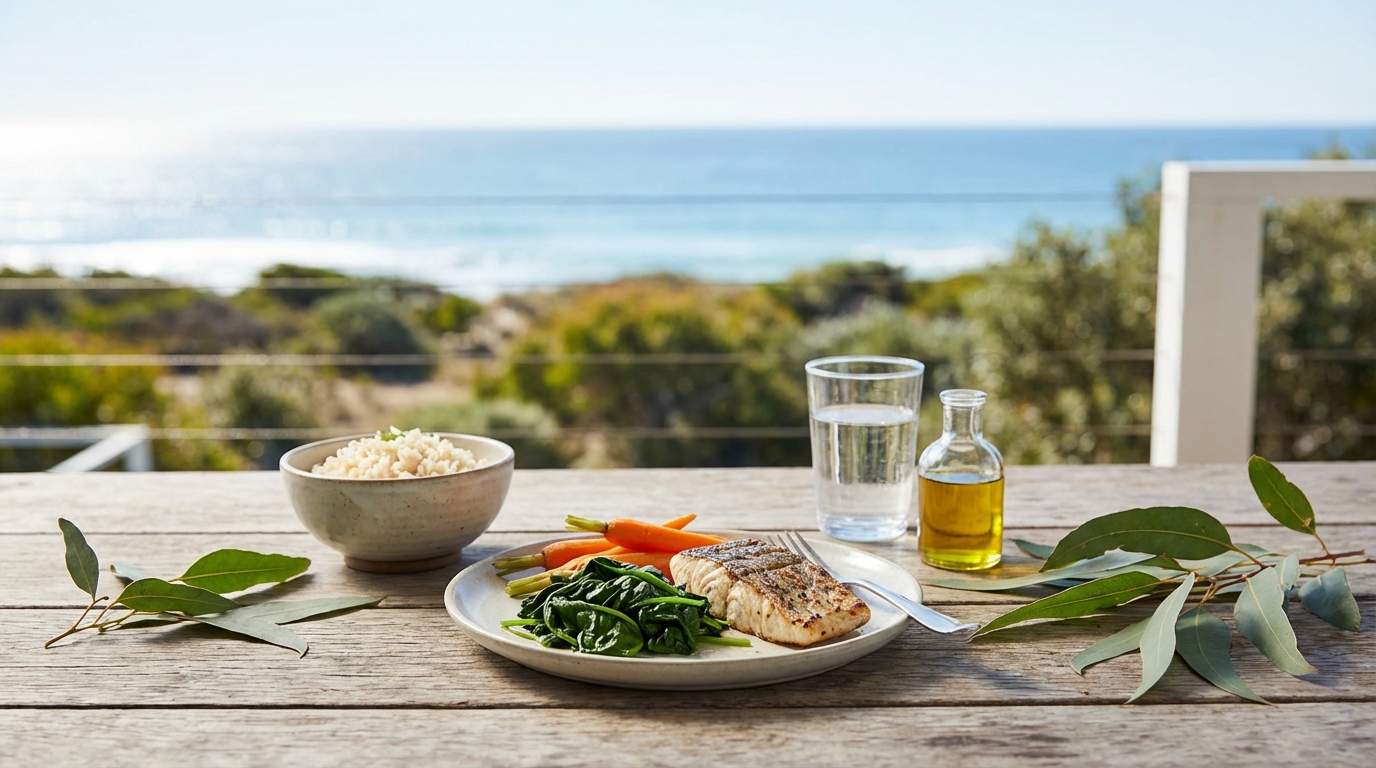
The FODMAP diet Australia is a frequently discussed dietary approach for managing symptoms of irritable bowel syndrome (IBS) and other gut sensitivities among Australians. This educational article is designed for anyone in Australia who is living with digestive issues, supporting someone with IBS, or wanting to make health-conscious eating decisions. Please note, this content is for informational purposes only and should not replace advice from your healthcare provider. By the end, you’ll understand what the FODMAP diet involves, how it relates to IBS, practical management strategies, safety considerations, and where to find further support in the Australian context.
The FODMAP Diet in Australia: What You Need to Know
Understanding the FODMAP Diet
The FODMAP diet is a research-backed approach designed to help individuals manage symptoms of functional gut disorders, such as IBS. FODMAP stands for Fermentable Oligosaccharides, Disaccharides, Monosaccharides and Polyols—specific types of carbohydrates found in many common foods. These components can be poorly absorbed in some people, leading to symptoms including bloating, gas, belly pain, and altered bowel habits.
In Australia, the diet receives strong clinical guidance due to ongoing research at institutions like Monash University, a world leader in FODMAP science. The FODMAP approach isn’t about eliminating large food groups forever but following a phased protocol to identify triggers and personalise your eating plan.
To begin the diet safely and effectively, Australians are encouraged to consult Accredited Practising Dietitians, who follow guidelines developed by Dietitians Australia. Managing FODMAP intake can seem complex, but resources tailored to the Australian food environment make it more accessible.
How the FODMAP Diet Helps Manage IBS in Australia
Irritable bowel syndrome (IBS) impacts an estimated 1 in 7 Australians, causing distressing digestive symptoms that affect daily life. The link between IBS and dietary triggers is well established, making nutrition interventions such as the FODMAP diet a cornerstone of symptom management. The ibs nemo project, led by Monash University, has also contributed to tailoring FODMAP guidelines for Australians with IBS.
By systematically reducing high-FODMAP foods for a short period, followed by structured reintroduction, many Australians experience reduced bloating, cramping, wind, and unpredictable bowel habits. However, it’s important to note that not every IBS case is linked to FODMAPs, and not everyone will experience the same level of benefit.
Incorporating Australian foods—such as bread, yoghurt, fruits, and vegetables—into the protocol is supported by the Monash FODMAP app, which rates local products for FODMAP content. For tailored support, Australians are advised to seek referral to a FODMAP-experienced dietitian, especially those listed through Dietitians Australia’s directory.
| Common IBS Symptoms | Possible FODMAP Connection | Other Potential Causes |
|---|---|---|
| Bloating | High-FODMAP foods ferment in the gut, creating gas | Swallowed air, hormonal changes, non-FODMAP sensitivities |
| Abdominal Pain | Gut distension due to poorly-absorbed carbs | Stress, food intolerances, infections |
| Diarrhoea or Constipation | Fluid shifts from FODMAPs drawing water into bowel | Medication side effects, coeliac disease, dehydration |
| Excess Wind | Fermentation of undigested sugars | Other dietary fibres, microbiome imbalances |
Who Might Benefit Most from the FODMAP Diet?
The FODMAP diet is not intended for everyone. It is most suitable for Australians who have been formally diagnosed with IBS or another functional gut disorder by their GP or gastroenterologist. Children, elderly people, and those with chronic health conditions are advised to consider this diet only with close medical and dietetic supervision.
Groups who may benefit include:
- Australians experiencing persistent abdominal pain, bloating, and altered bowel habits with negative tests for other gut conditions
- Individuals with a confirmed diagnosis of IBS for whom first-line dietary changes (like increasing soluble fibre) have not worked
- Those wanting to clarify specific food triggers using a structured, evidence-based approach
Limitation: If you have other gut issues (such as inflammatory bowel disease or coeliac disease) or unexplained weight loss, a FODMAP diet alone may not be safe or suitable. Always seek medical review for new or changing symptoms.
How the FODMAP Diet Works: Phases and Australian Resources
The FODMAP diet is structured into three clear phases:
- Restriction (2–6 weeks): Temporarily avoid foods high in FODMAPs, guided by a trained dietitian using resources like the Monash FODMAP app or Monash University FODMAP Diet guides.
- Reintroduction: Gradually reintroduce specific FODMAP groups one by one to monitor tolerance and pinpoint triggers.
- Personalisation: Build a long-term eating pattern based on individual tolerance, aiming for nutritional balance and food enjoyment.
It is important to emphasise that this process should be supervised by a dietitian, particularly for Australians, to ensure nutritional adequacy, cultural food preferences, and mental health are considered. Risks of unsupervised restriction include nutrient deficiencies, disrupted eating patterns, or confusion about safe foods.
Pro Tip: Plan meals in advance using the latest Australian FODMAP resources and apps, and keep a detailed symptom diary to maximise clarity during reintroduction.
Prevention: Building a Gut-Friendly Lifestyle in Australia
While FODMAPs can help manage IBS symptoms, broader lifestyle choices support overall gut health and may reduce the risk or severity of flare-ups. Australians are encouraged to integrate healthy eating principles, regular movement, and self-care to complement dietary strategies.
| Lifestyle Factor | Positive Impact | When to Seek Further Help |
|---|---|---|
| Balanced Diet | Supports healthy microbiome, regular digestion | Persistent symptoms despite changes |
| Hydration | Promotes bowel regularity | Unexplained fatigue, severe diarrhoea |
| Stress Management | Can ease gut-brain dysfunction | Ongoing anxiety, mood changes |
| Medical Monitoring | Ensures safe, individualised care | Weight loss, blood in stool, fever |
Many Australians use tools such as the Monash University FODMAP app, support groups, and tailored recipes to help integrate gut-friendly choices at home, at work, and when eating out.
Risks, Concerns & When to Get Medical Support
The FODMAP diet is considered safe for most adults when followed under professional guidance, but caution is essential. Unsupervised or extended restriction carries risks, especially for children, older adults, and those with complex health issues. Key concerns include:
- Potential for nutritional insufficiencies (e.g., fibre, calcium, B vitamins)
- Increased anxiety and food-related stress if the approach becomes too restrictive
- Delays in diagnosing other underlying gut issues if symptoms are self-managed without medical input
Misinterpretation of FODMAP food lists is common, often due to differences in international food brands or preparation methods—Australian-specific guidance helps reduce these risks.
Warning: If you experience red-flag symptoms such as unexplained bleeding, significant unintentional weight loss, severe or persistent pain, night sweats, or fever, seek prompt medical advice from your GP, even if you are trialling the FODMAP diet. Always avoid making major dietary changes on the advice of social media, friends, or non-clinical sources.
Checklist: Safe Steps for Trying the FODMAP Diet in Australia
- Consult your GP to rule out other causes of symptoms before starting
- Seek out an Accredited Practising Dietitian experienced in FODMAP protocols
- Use Australian-based FODMAP resources (e.g., Monash app, local food lists)
- Keep a detailed food and symptom diary for clear patterns
- Limit restriction to the recommended 2–6 weeks, not indefinitely
- Plan for reintroduction under professional supervision
- Stay mindful of nutrition and variety to avoid deficiencies
- Check in with your healthcare team regularly for support and safety
FAQ
What foods are high in FODMAPs in Australia?
High-FODMAP foods commonly eaten in Australia include wheat-based breads and cereals, some dairy products, certain fruits (apples, pears, mango), legumes, onions, garlic, and sweeteners like honey. The FODMAP content of products may vary between brands and regions, so using Australian-verified food lists, like those from Monash University, is recommended.
Is the FODMAP diet safe for long-term use?
The FODMAP diet is not intended as a permanent restriction but as a temporary diagnostic tool. Long-term use of a low-FODMAP diet should always be guided by a dietitian to ensure nutritional adequacy and food enjoyment. If overused, it may risk fibre or micronutrient deficiencies.
How does IBS Nemo support Australians with IBS?
IBS Nemo is a research program developed by Monash University to help refine IBS dietary guidance, including FODMAP advice, for Australians. It provides evidence-based resources and improves understanding of IBS triggers in the local population, supporting patients and health professionals.
Do I need a medical referral to start the FODMAP diet in Australia?
While you do not require a referral to see a dietitian, it is strongly advised to consult your GP before starting the FODMAP diet, especially if you have not had a formal IBS diagnosis. Your doctor may refer you to a dietitian specialising in gut disorders for safest care.
What should I do if symptoms worsen on the FODMAP diet?
If your digestive symptoms worsen or you notice new problems after changing your diet, stop the diet and contact your GP or Accredited Practising Dietitian. Worsening or new symptoms may signal another medical issue that needs timely attention.