
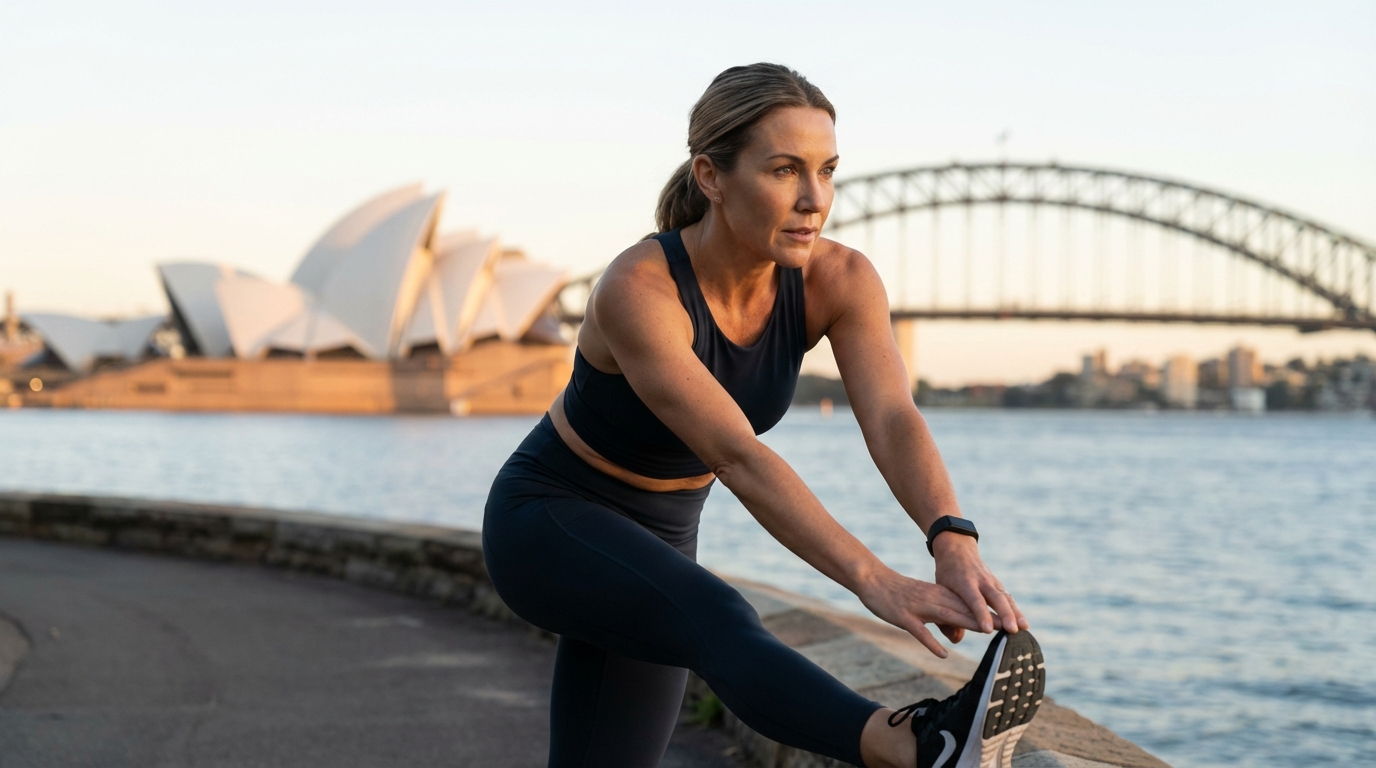
Fitness level is a key indicator of your overall health and wellbeing, and understanding it is important for anyone in Australia looking to improve their activity routine or simply maintain a healthy lifestyle. This article is designed for the general Australian public, including health-conscious individuals, carers, and those new to exercise. Please note, all content here is educational and informational—it is not intended as a substitute for personalised medical advice or care from a qualified health professional. By reading, you’ll gain clear insights into what fitness level means, how to measure it, factors that impact it, and practical steps to manage your activity safely across all ages and backgrounds.
Understanding Your Fitness Level: What It Means for Australians
What Is Fitness Level and Why Does It Matter?
Fitness level refers to your body’s ability to perform physical activities, ranging from light exercise, like gentle walking, to intense exercise, such as sprinting or lifting weights. It encompasses several components—including cardiovascular endurance, muscle strength, flexibility, and body composition—and is influenced by genetics, lifestyle, age, and health conditions. Maintaining an optimal fitness level supports heart health, mental wellbeing, everyday function, and can help prevent many chronic conditions common in Australia, such as type 2 diabetes and heart disease.
For most Australians, understanding your fitness level isn’t just about competitive sport or extreme endurance. It’s about knowing your body’s capacity so you can enjoy daily activities safely, avoid injury, and make informed choices about increasing physical activity, including vigorous activity or more structured fitness routines.
Health bodies like Healthdirect Australia and the Australian Institute of Health and Welfare offer clear guidance on benefits and safe activity levels at different ages.
How Is Fitness Level Assessed?
Fitness level assessment involves a combination of simple observations and structured fitness tests. These help to identify how your heart, muscles, and lungs respond to different intensities of exercise—ranging from light exercise to intense exercise. Common methods include:
- Cardiorespiratory tests, such as the beep test or step test, widely used in Australian schools and sports programs.
- Strength measures, like push-up or sit-to-stand repetitions.
- Flexibility evaluations (e.g., sit-and-reach).
- Functional movement screens for older adults, which check balance, strength, and fall risk.
These tools help identify areas for improvement, personalise physical activity plans, and ensure that new exercise routines—whether increasing light exercise or beginning vigorous activity—are introduced safely.
It’s important to remember that individual results may vary due to factors such as age, health conditions, and baseline activity levels. If you have underlying medical conditions or are new to exercise, consult with a health professional, such as your GP or an accredited exercise physiologist, before starting fitness testing or intense exercise.
| Test Type | What It Measures | Example | When to Use Caution |
|---|---|---|---|
| Cardiovascular | Heart & lung endurance | Beep test | History of heart issues, breathing problems |
| Strength | Muscle power | Push-ups, squats | Muscle or joint pain, recent injury |
| Flexibility | Joint movement range | Sit-and-reach | Existing joint or spine concerns |
| Functional | Daily movement & balance | Chair stand, balance test | Unsteady balance, high fall risk |
Key Signs and Symptoms of Reduced Fitness Level
Recognising early signs of declining or low fitness level can help prevent more serious issues and guide you towards safer activity. Common warning signs include:
- Shortness of breath during everyday activities like climbing stairs
- Always feeling fatigued after mild or light exercise
- Slower recovery from activity or minor physical tasks
- Increased heart rate during low effort exercise
- Difficulty maintaining balance or coordination
These symptoms may result from a temporary reduction in movement, chronic medical conditions, or sometimes undiagnosed health issues. It is wise to be especially cautious if you have other risk factors or if these symptoms worsen with time. Promptly seek advice from a healthcare provider if you experience unexplained shortness of breath, chest pain, severe dizziness, or an inability to perform daily activities safely.
| Symptom | Possible Fitness Link | May Also Indicate |
|---|---|---|
| Breathlessness | Poor cardio fitness | Respiratory issues, heart disease |
| Muscle weakness | Low strength | Injury, neurological condition |
| Fatigue after minor activity | Reduced endurance | Chronic illness, anaemia |
| Poor balance | Lack of flexibility or muscle control | Ear or neurological issues |
Remember, not all symptoms are directly linked to fitness levels. Many overlap with unrelated medical conditions. Consult your GP for an accurate assessment if you are uncertain.
Common Causes and Contributing Factors Affecting Fitness Level
Several controllable and uncontrollable factors influence fitness level. Addressing these can help maintain or improve your functional ability and overall health:
- Lack of regular physical activity: Leading a sedentary lifestyle—sitting for prolonged periods—can rapidly reduce muscle strength and cardiorespiratory endurance.
- Age: Natural muscle mass, bone density, and joint mobility decline with age, but mobility-focused and light exercise can help maintain function.
- Chronic health conditions: Victorian health authorities warn that diabetes, arthritis, cardiovascular disease, and respiratory illnesses can all contribute to a lower fitness baseline.
- Injury or prolonged illness: Extended periods of immobility often result in measurable declines in physical capacity, sometimes requiring rehabilitation programs to restore previous levels.
- Medications: Some medicines may reduce energy or muscle strength as side effects.
- Poor sleep or mental health: Ongoing sleep issues, stress, or depression can limit motivation and energy for regular activity, impacting fitness over time.
- Socioeconomic and environmental barriers such as limited access to safe outdoor spaces, community programs, or financial means, which can influence activity patterns differently across regions in Australia.
Recognising these factors lets you plan a more effective approach to staying active—avoiding sudden increases in intense exercise, and choosing sustainable routines appropriate for your circumstances. Always discuss major fitness level changes with an experienced health professional.
Who Is at Higher Risk of Low Fitness Levels?
Certain groups in Australia may face additional risks related to inadequate fitness levels. These include:
- Older adults, especially those living alone or experiencing mobility issues
- People with disabilities, chronic illnesses, or post-surgical limitations
- Those working in sedentary jobs or with low daily activity
- Aboriginal and Torres Strait Islander peoples, who sometimes face extra barriers to accessing activity programs and facilities
- Rural and remote Australians, due to fewer accessible community or health support services
- Children and adolescents not meeting minimum weekly physical activity standards for their age
For all at-risk groups, an individualised movement or exercise plan, tailored by a qualified health or exercise professional, can help minimise complications and promote safer, lifelong activity levels.
What Is Safe and Appropriate Exercise for Different Fitness Levels?
Physical activity recommendations differ depending on age, baseline health, and your current fitness level:
- Light exercise: Includes slow walking, gentle stretching, or yoga. Suitable for beginners or those returning from illness.
- Moderate activity: Brisk walking, recreational swimming, or cycling, where you can still talk but not sing.
- Vigorous activity: Includes jogging, sports, or structured intense exercise sessions where talking is difficult. Suited to those with established fitness habits.
Australians are encouraged by Sport Australia to gradually build activity levels, taking special care to warm up and cool down, stay hydrated, and monitor for early warning signs of overexertion or injury. Importantly, sudden changes in physical intensity can pose safety risks, especially for those with underlying health issues, so adjustments should be gradual and, when appropriate, supported by a health professional.
Incorporating Daily Movement helps support a consistent fitness journey.
Pro Tip
Begin any new activity routine at a manageable pace and listen to your body. Aim for at least 30 minutes of varied, enjoyable movement most days of the week—this could include walking the dog, gardening, or joining social sports. If you’re unsure where to start, community health centres and local councils often offer free or low-cost assessment programs and fitness classes adapted to all levels.
Prevention and Lifestyle Management for Optimal Fitness Level
Improving and maintaining your fitness level is a lifelong process, but even small, everyday changes can yield significant benefits. Focus on safe, achievable modifications to daily habits, prioritising consistency over intensity or perfection.
Checklist for a Healthier Fitness Level (Australia):
- Set realistic, personal movement goals (e.g., walking instead of driving short trips)
- Incorporate a mix of light, moderate, and occasional vigorous activities based on current ability
- Take regular movement breaks if sitting for long periods
- Consider joining group or community-based fitness programs for motivation and support
- Balance activity with adequate rest and nourishing meals
- Monitor warning signs such as pain, palpitations, unusual breathlessness, or dizziness
- Seek healthcare guidance if experiencing persistent symptoms or before beginning new vigorous programs
- Keep track of progress and celebrate small achievements
Our Best Workout Split Guide 2025 can help you create a weekly agenda that matches your current ability.
Remember, setbacks are normal. Life events, illness, or busy routines may occasionally reduce your activity. What matters is returning to safe activity as soon as practical and seeking help if barriers persist.
When to Seek Advice: Safety Concerns and Red Flags
While most people can improve fitness level safely, there are clear situations where professional advice is needed. Contact your GP, nurse, or exercise physiologist before increasing activity if you:
- Have a diagnosed heart, lung, or metabolic condition
- Experience severe joint or muscle pain with activity
- Notice sudden unexplained weakness, severe breathlessness, or chest discomfort
- Are aged over 45 and new to regular exercise, especially at vigorous levels
- Have been inactive for long periods due to illness or injury
- Develop recurring fatigue, palpitations, or loss of consciousness during or after exercise
Getting a tailored assessment helps avoid complications, ensures activity is appropriate, and provides peace of mind. Most Australian GPs can offer a health check and refer you to relevant services (including physiotherapy, exercise physiology, or community fitness programs) for ongoing support.
FAQ
- How do I know if my fitness level is healthy?
- If you can perform daily tasks comfortably, recover well after moderate activity, and experience no worrying symptoms (such as severe breathlessness or chest pain), your fitness level is likely in a healthy range. However, only a health professional can assess this with confidence, especially if you have pre-existing conditions.
- Are fitness tests safe for everyone to try?
- Most basic fitness tests are safe for healthy adults but may not suit people with heart conditions, mobility issues, or recent injuries. For anyone with medical concerns or unclear symptoms, it’s best to consult with your GP or an accredited health professional first.
- How often should I re-check my fitness level?
- Many health experts recommend reassessing your fitness level every six to twelve months, or after recovered illness, injury, or a major change in lifestyle. Regular reassessment helps track progress and keep your activity plan safe and effective.
- Is light exercise enough to improve my fitness?
- Light exercise can help maintain baseline health, especially for those starting from a low activity level or managing certain medical conditions. Eventually, building up to moderate or vigorous activities—when safe—offers further fitness and health benefits.
- What should I do if I feel worse after starting a new exercise routine?
- Stop the activity and monitor your symptoms. If you have severe pain, breathlessness, dizziness, or any sudden health changes, seek medical advice promptly. It’s better to start gently and increase activity gradually under guidance.

