

Your Australian Guide to Eat Clean Meals: Understanding Causes, Prevention & Safe Choices
If you’re aiming to explore the world of clean eating or discover a sustainable eat clean meal routine, this evidence-based guide is designed for health-conscious Australians, carers, and anyone keen to make positive nutrition changes. As always, this information is for educational purposes, focusing on practical tips and up-to-date health knowledge—it isn’t a substitute for personalised medical advice from your GP or qualified dietitian. By reading on, you’ll understand the core principles behind clean eating, practical recipe and meal planning ideas, prevention-focused advice, and safe ways to navigate common misunderstandings and risks for your health and lifestyle.
Understanding Eat Clean Meals: What Does Clean Eating Really Mean?
For many Australians, a clean eating meal represents more than just a “healthy” plate—it reflects a broader nutritional and lifestyle approach. At its core, clean eating involves consuming whole, minimally processed foods with an emphasis on fresh fruits, vegetables, lean proteins, whole grains, and healthy fats. The aim is to support your wellbeing, help prevent diet-related diseases, and encourage mindful food choices in line with contemporary Australian Dietary Guidelines.
The phrase “eat clean meal” often appears in wellness trends and diet programs. However, definitions can vary between sources and may be influenced by cultural beliefs, personal ethics, and even social media trends. In Australia, clean eating generally means choosing foods that are lower in additives, refined sugars, and unhealthy fats, while avoiding ultra-processed snacks and excessive alcohol or sugary drinks.
Clean Food Ideas: What’s On the Menu?
Popular clean eating recipes in Australia include colourful vegetable stir-fries, grilled fish with whole grain salads, legume-based soups, and smoothies made from fresh, seasonal produce. Classic clean food meals avoid deep-fried takeaways, highly processed deli meats, and overly sweetened breakfast cereals. The key is variety—balancing macronutrients with plenty of fibre and micronutrients for digestive and immune health.
Limitations and Risks of Misinterpretation
It’s important to clarify that there’s no singular legal or medical definition of “clean eating.” Overly restrictive interpretations can sometimes lead to anxiety around food, compromised nutrition, or disordered eating patterns. If you notice heightened stress or feel unsure about whether your diet meets your personal health needs, it’s best to seek advice from a registered dietitian or your GP.
Causes and Motivations: Why Australians Consider a Clean Eating Diet
The move toward a cleaner diet is influenced by a combination of health aspirations, lifestyle changes, and increased awareness surrounding the impact of diet on chronic disease. Many Australians choose clean eating meal recipes in an effort to:
- Increase daily energy and focus
- Manage digestive symptoms and support gut health
- Reduce long-term risk of cardiovascular disease, type 2 diabetes, and obesity
- Adapt to food allergies or intolerances common in Australian families
- Align with sustainable, environmentally conscious eating habits
Real-World Scenario: Clean Living Eating Plans in Daily Life
Consider an active family in Melbourne aiming to improve weekly meals. The adults start planning workday lunches using clean food recipes—like quinoa salads or chickpea and roasted pumpkin bowls—while ensuring their children get balanced school meals with fruit, veggies, and wholegrain sandwiches. They choose a clean eating nutrition plan that fits their busy schedules, supermarket options, and taste preferences, rather than rigid or unsustainable rules.
Uncertainties and Diverging Views
Despite the popularity of clean living meals, evidence varies around the effectiveness of particular clean eating diet programs for weight management or disease prevention. The most recent insights from Australian National Health and Medical Research Council support a balance of unprocessed foods without unnecessary exclusion of entire food groups unless medically advised.
Clean Eating Meal Recipes: Building Blocks of a Healthy Plate
Putting together an eat clean meal at home need not be complicated. The Australian Guide to Healthy Eating provides a foundation, suggesting meals featuring vegetables, lean meats, whole grains, dairy or alternatives, and healthy fats. Here are some clean eating recipe ideas to get you started:
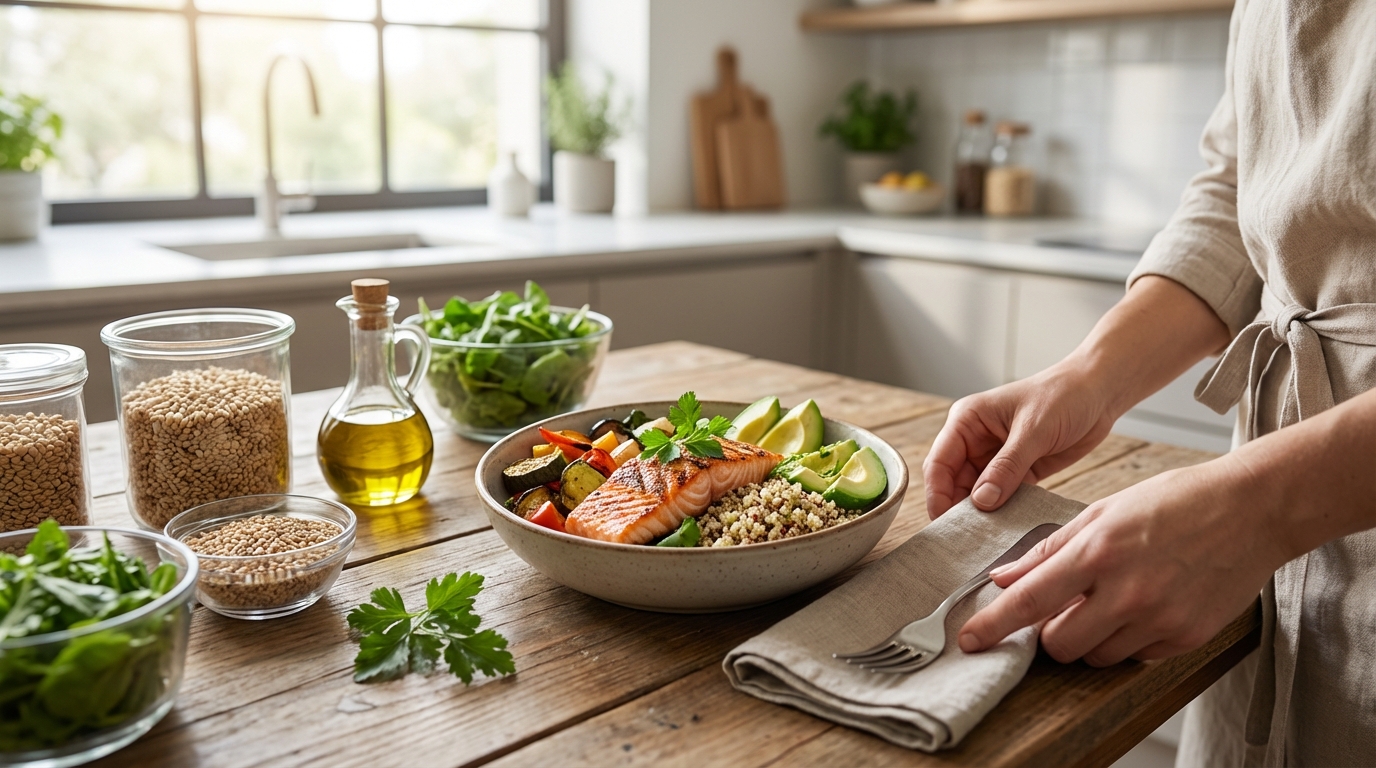
- Oven-roasted salmon on a bed of mixed veg and brown rice
- Lentil, tomato, and spinach casserole for plant-based protein
- Egg and spinach breakfast muffins (no added sugar or highly processed flour)
- Grilled chicken with sweet potato wedges and green salad
- Homemade vegetable soups with legumes and herbs
Checklist: Creating a Balanced Eat Clean Meal
- Fill half your plate with fibre-rich vegetables or salad
- Add lean protein: legumes, fish, eggs, poultry or tofu
- Include whole grains: brown rice, barley, or quinoa
- Incorporate a healthy fat: avocado, olive oil, or nuts (in moderation)
- Limit processed sauces, deep-fried foods, and sweetened drinks
- Choose water as your main drink
Pro Tip: When meal prepping, batch-cook whole grains and proteins in advance. This not only saves time but can help you stick to your clean eating ideas throughout the week, even when schedules are tight.
Risk Groups and Considerations: Who Should Take Extra Care?
While clean diet meals can benefit many people, some groups may require additional consideration. Older adults, adolescents, and individuals with chronic health conditions or dietary restrictions may risk nutritional gaps or unwanted weight changes if meals are overly restrictive. Children and young adults influenced by social media “clean eating” trends can also be at risk of developing orthorexia nervosa, a pattern marked by excessive preoccupation with perceived healthy eating.
Australian Access and Cost Considerations
Shopping for fresh, minimally processed ingredients can sometimes be challenging in regional, remote, or low-income communities. Choosing seasonal produce, frozen vegetables, and budget-friendly legumes are practical ways to support a clean eating diet program without putting financial strain on households. For tailored nutrition support, consulting with an Accredited Practising Dietitian can help address specific needs and prevent nutrient deficiencies.
Seeking Professional Support
If you or a family member experience unexplained fatigue, significant weight loss, or emotional distress connected to meal routines, it is important to consult your doctor or an Australian-qualified dietitian rather than solely relying on trending clean eating food ideas. Customised advice ensures safe dietary adjustments, especially for people with food allergies or underlying health concerns.
| Symptoms/Sign | Could Indicate | Recommended Next Steps |
|---|---|---|
| Ongoing fatigue & weakness | Nutritional deficiencies from food restriction | See a GP or seek a nutrition assessment |
| Preoccupation with meal purity | Disordered eating behaviour | Discuss concerns with a mental health professional |
| Digestive issues (bloating, constipation) | Sudden diet changes, low fibre or hydration | Review meal patterns and increase fluid/fibre intake |
| Rapid, unplanned weight change | Poor calorie balance or medical condition | Consult a healthcare provider promptly |
Prevention, Safety & Clean Eating for Everyday Australians
Evidence highlights that a balanced approach to eating—one that is varied, enjoyable, and culturally sensitive—offers the greatest benefits for prevention of chronic illness and sustained wellbeing. Clean eating dinner recipes are most effective when emphasising a variety of nutrient-rich foods, rather than focusing exclusively on removal or restriction.
Checklist: Prevention-Focused Clean Living Meals
- Plan meals with a 3–5 day view to include all food groups
- Keep healthy snacks (e.g., carrot sticks, unsalted pistachios, fresh fruit) accessible at home or work
- Make water or herbal tea your main beverage throughout the day
- Rotate recipe ideas to maintain interest and meet different nutrient needs
- Be mindful of special diets—vegetarian, gluten-free, lactose-intolerant—by substituting whole food alternatives
- Refer to Healthdirect Australia’s healthy eating advice for practical guidance
Clarifying Limitations and When to Seek Help
Some Australians experience confusion or conflicting advice regarding supplements, superfoods, or strict elimination diets promoted as part of a clean eating nutrition plan. While some specialty foods can complement an eat clean meal, most Australians do not require vitamin or mineral supplements if meals are adequately varied—unless prescribed by a healthcare professional.
If clean food meals become a source of significant anxiety, or if you develop symptoms such as persistent stomach discomfort or mood changes, seek assessment from your GP. An early, preventative approach ensures your clean eating diet supports both physical and mental wellbeing in the long term.
FAQ
- What are the main principles of a clean eating meal in Australia?
- Clean eating meals in Australia prioritise whole, minimally processed foods, such as fresh produce, whole grains, and lean proteins, while limiting refined sugar, salt, and highly processed items. Australian dietary guidance encourages variety and moderation for optimal health.
- Are clean eating diets safe for children and teenagers?
- With appropriate variety and balance, clean eating ideas can benefit most families. However, restrictive patterns or the exclusion of entire food groups may put children and teenagers at risk of nutritional gaps. Parental guidance and support from an Accredited Practising Dietitian are recommended for young people.
- What are symptoms that may signal a problem with a clean eating diet?
- Warning signs include sudden fatigue, unexpected weight changes, excessive preoccupation with meal purity, or digestive complaints. If these occur, consult a healthcare professional for personalised guidance.
- Can I follow a clean eating nutrition plan on a budget?
- Yes. Choose seasonal, local produce, bulk-buy whole grains and legumes, and use frozen or canned (no-added-salt) vegetables and fruit. Budget-conscious clean eating meals focus on preparation and variety rather than expensive specialty products.
- Where can I find credible clean eating advice in Australia?
- Reliable advice is available through resources like the Australian Dietary Guidelines, Healthdirect Australia, and Accredited Practising Dietitians. Avoid adopting plans promoted by unqualified influencers or unregulated online sources.