
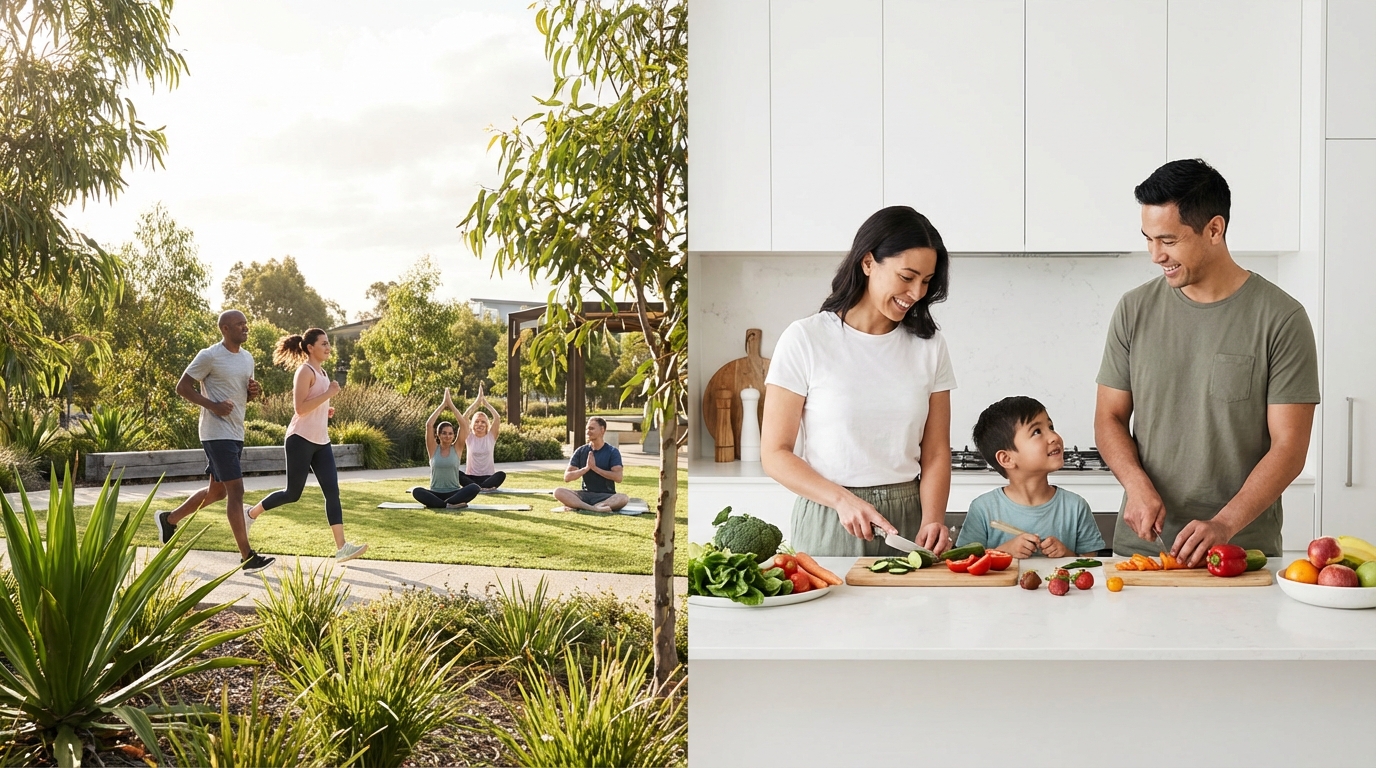
Understanding Healthy Lifestyle Health: An Australian Perspective
Maintaining healthy lifestyle health is a priority for many Australians, whether you’re seeking to boost your wellbeing, support your family, or navigate daily health decisions. This guide is intended for the general Australian public, patients, carers, and anyone interested in healthier lifestyles. Please remember, the information provided here is educational in nature and does not replace personalised advice from a qualified health professional. By the end, you’ll have a clearer understanding of the foundations of healthy living, practical steps to enhance your daily routines, safety considerations, and when to seek further help for yourself or loved ones.
What is a Healthy Lifestyle? Defining the Australian Approach
At its core, a healthy lifestyle refers to a set of everyday behaviours and choices that support your physical, mental, and emotional wellbeing. In the Australian context, this means regular activity, nutritious eating, meaningful social connection, rest, and responsible health decisions – all supported by information from reliable sources such as the Australian Department of Health and community health organisations.
Healthy living is not a short-term fix, but an ongoing commitment: healthy is a lifestyle, not simply a goal. Transitioning from health awareness to action is explored in our Health to Wellness: Causes, Prevention & Risks article, delving into practical steps and risk management. Australians often face unique considerations such as diverse climates, remoteness, cultural dietary patterns, and access to health services. The best healthy lifestyle is one that is achievable, enjoyable, and responsive to individual needs—something Healthdirect Australia highlights in its national guidance.
Pro Tip: Small, sustained improvements in one or two areas—like walking more or preparing one extra home-cooked meal per week—often create a positive ripple effect across other aspects of lifestyle health.
Recognising the Signs: Symptoms of an Unhealthy Lifestyle
Many symptoms of lifestyle-related health concerns develop slowly and can be subtle. It’s important to be alert to changes, especially those affecting daily function or mood. While some symptoms are due to short-term lifestyle changes, persistent issues may indicate a need for support or advice.
Common Early Signs to Watch For
- Persistent tiredness or lack of energy
- Regular difficulty sleeping or staying asleep
- Unexplained changes in weight or appetite
- Often feeling stressed, low, or anxious
- Loss of interest in activities once enjoyed
- Increased frequency of minor illnesses
- Physical inactivity and prolonged periods of sitting
- Shortness of breath after minimal exertion
- Rising blood pressure or blood sugar detected during routine checks
While these symptoms do not guarantee a serious problem, they signal that certain aspects of your lifestyle health may benefit from review. In some cases, these signs overlap with medical conditions, so it’s important to seek professional guidance if symptoms persist, worsen, or impact daily life.
Causes and Contributing Factors to Lifestyle Health Risks
The roots of unhealthy lifestyles are often a mix of personal, social, and environmental factors. In Australia, this can include long work hours, sedentary jobs, easy access to highly processed foods, and social patterns around alcohol or recreational drug use.
Key Contributors to Lifestyle Health Challenges
| Contributing Factor | Australian Example | Prevention Opportunity |
|---|---|---|
| Poor dietary habits | High takeaway or processed food intake | Shop with a nutritious meal plan |
| Physical inactivity | Sedentary work or spending long hours indoors | Break up sitting time, embrace active commuting |
| Excessive alcohol | Social or weekend binge drinking | Opt for non-alcoholic options, set limits |
| Poor sleep routines | Screen use late into the night | Establish restful wind-down habits |
| Chronic stress | Work or caregiving overload | Plan regular breaks, seek support networks |
| Lack of social connection | Isolation in rural or remote areas | Engage in community groups or online forums |
Healthy helping starts with awareness: reflecting on these factors regularly helps Australians build a lifestyle healthy choice approach that protects against preventable chronic diseases, including heart disease, type 2 diabetes, and some cancers, as acknowledged by the Cancer Council.
It is important to remember that other influences—like family medical history, genetics, or social disadvantage—can play a role. No single habit determines your overall health, but patterns make a difference in long-term outcomes.
Who Is Most at Risk? Understanding Population and Individual Factors
Some Australians are more vulnerable to the impact of unhealthy lifestyles, either due to personal circumstances or broader social determinants of health.
Key Risk Groups
- Older Australians (increased chances of chronic illness)
- First Nations peoples (historical and systemic health disparities)
- People living in remote and regional areas (access barriers to healthy food and healthcare)
- Individuals experiencing financial hardship or unstable housing
- Migrants or those with language barriers accessing health information
- Certain occupational groups (shift workers, transport drivers, high-stress roles)
Health care lifestyle support varies across regions, with resources sometimes limited in rural or remote areas. If you or your family belong to a higher risk category, extra consideration and accessible support may be needed to manage your health effectively.
Importantly, being part of a risk group does not mean poor health is inevitable—small, consistent changes and community support can be highly protective.
Prevention and Practical Steps: Building Sustainable Healthy Living
Taking charge of your healthy living habits is an investment in the future. Research, including the National Preventive Health Strategy, highlights the value of prevention as the most effective approach for long-term wellbeing. Here are evidence-aligned steps Australians can take.
Checklist: Everyday Habits for a Healthy Life
- Eat a variety of vegetables, fruits, lean proteins, and whole grains daily
- Stay hydrated—aim for water as your main drink
- Engage in at least 150 minutes of moderate-intensity activity per week (such as brisk walking, cycling, or swimming)
- Establish a consistent sleep routine and aim for 7–9 hours per night
- Limit screen time, particularly before bed
- Say no to smoking and keep any alcohol intake within Australian guidelines
- Connect with friends, family, or your community for support
- Schedule regular health check-ups and screenings through your GP or local clinic
- Manage stress using healthy coping skills, like mindfulness or enjoyable hobbies
It’s important to personalise these steps—one person’s pathway to a healthy life may differ, depending on individual needs, capacity, and local options. If you’re unsure where to start, consider speaking with a qualified allied health professional, such as a dietitian or exercise physiologist, who is familiar with healthy living australia.
| Area | Example of Healthier Choice | Possible Benefits |
|---|---|---|
| Nutrition | Swap sugary snacks for fruit/nuts | Stable blood sugar, healthy weight |
| Movement | Walk or cycle to work | Improved fitness, lower stress |
| Alcohol | Choose alcohol-free days | Better sleep, lower long-term risks |
| Sleep | Bedtime routine, no screens after 9pm | Longer, deeper rest |
For Australians living with disability, chronic illness, or other health conditions, a healthy life may require adaptive strategies. Your GP, local Primary Health Network, or condition-specific support services can help you develop a plan that fits your needs.
Adopting long-term habits is crucial, and our Healthy Habits Guide breaks down day-to-day routines that lead to better health.
Limitations, Risks, and When to Seek Medical Advice
While adopting healthier lifestyles can prevent or slow many chronic conditions, it’s essential to recognise that not all aspects of health are within individual control. Genetics, social factors, and past experiences may influence outcomes regardless of current efforts.
Risks can also arise from misinformation—such as restrictive diets, over-exercising, or unsafe online health trends. Following advice that does not suit your situation may increase health or safety risks.
When to Seek Professional Support
- You have ongoing symptoms impacting daily activities or causing distress
- There is a sudden change in your physical or mental health (e.g., rapid weight loss, ongoing breathlessness, or persistent sadness)
- Managing lifestyle changes feels overwhelming or unachievable alone
- You live with a medical condition and are considering a new diet, exercise, or supplement regime
- You’re unsure if a health trend or product is evidence-based and safe
A trusted GP or qualified health professional can provide tailored advice. In emergencies or crises, call Triple Zero (000) for urgent help.
Remember, health information—whether online or from friends—should always be checked against evidence-based sources, such as the Victorian Government’s Better Health Channel.
FAQ
What is considered the healthiest lifestyle?
The healthiest lifestyle is a balanced approach to eating, moving, sleeping, and social connection that is sustainable and suits individual needs. In Australia, current guidelines recommend a diet rich in unprocessed foods, regular physical activity, minimal alcohol, no tobacco, and managing stress through positive coping skills.
Can lifestyle changes really prevent chronic diseases?
A significant portion of chronic diseases in Australia, such as type 2 diabetes, heart disease, and some cancers, are strongly linked to lifestyle factors. While not every illness is preventable, improvements in daily habits can meaningfully lower risk and promote a higher quality of life.
How do I start making healthier lifestyle choices if I have limited time or resources?
Starting small is key. Focus on one or two changes—like walking for 20 minutes daily or cooking one extra nutritious meal per week. Use local resources such as community centres or online programs, and remember that social or online support can help build motivation.
Are there risks to following generic health advice from the internet?
Yes, individual needs vary, and some online advice or trends may not be safe or evidence-based. Always consult authoritative Australian health resources or your GP before making major changes, especially if you live with a health condition.
When should I talk to my doctor about my lifestyle?
If you have symptoms that last or interfere with everyday life, or if you’re uncertain about safe changes—particularly with underlying health conditions—a doctor, nurse, or accredited health professional can help you navigate choices.

