
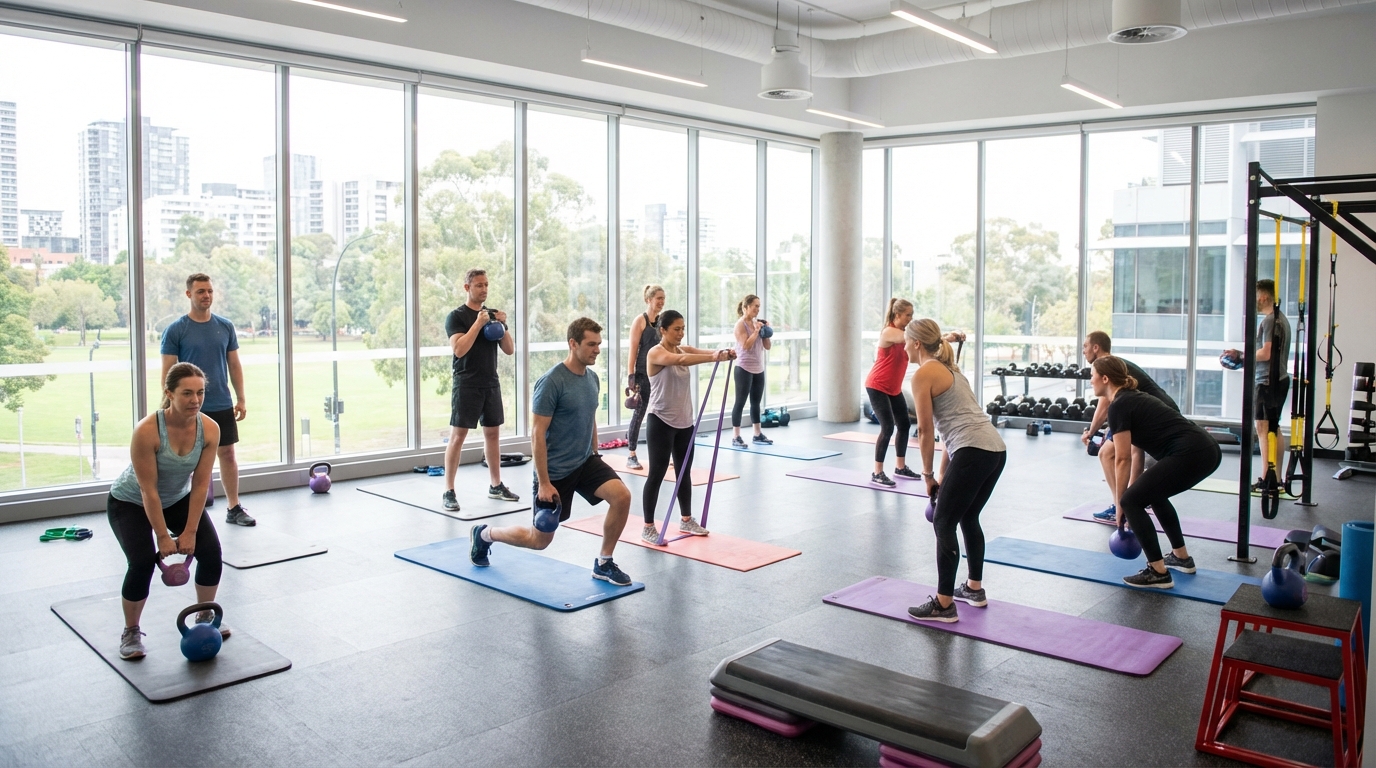
Gym classes offer a diverse and supportive way for Australians to improve their health and wellbeing. This article is designed for the general Australian public, health-conscious individuals, and anyone considering joining group fitness near them. The information shared here is for educational purposes only and should not replace guidance from a qualified health professional. By reading on, you’ll find out what gym classes involve, their key benefits and risks, how to safely choose the right exercise classes, and when it’s important to seek professional advice.
Understanding Gym Classes: Types, Benefits, and Safety in Australia
What Are Gym Classes?
Gym classes are structured group sessions led by qualified fitness instructors, offered in gyms, fitness centres, community venues, and sometimes outdoors. Designed for a range of abilities and interests, these classes provide workouts targeting strength, flexibility, cardiovascular health, and general wellbeing. Australians can access everything from high-intensity interval training (HIIT) and functional training to group yoga, Pilates, cycle, and strength classes.
Popular class types reflect both international fitness trends and uniquely Australian preferences, catering to a wide variety of ages and physical conditions. Classes are typically scheduled at various times throughout the day, giving members flexibility to choose sessions that fit their lifestyle.
Special programs are available for children; see our Kids Workout Guide Australia for ideas and safety tips.
For those seeking variety, many gyms now offer integrated programs that combine several class styles across the week, helping participants maintain motivation. While joining group fitness near you can make exercise more accessible and socially engaging, it’s crucial to select classes that suit your current health status and goals.
Interested in strength routines? Upper Body Weight Exercises offer targeted training solutions.
Common LSI/related terms: exercise classes, workout programs near me, gym yoga classes near me, classes for fitness, exercise groups near me, workout groups near me.
Primary Intent: Why People Join Gym Classes & What to Expect
The main reason Australians participate in gym classes revolves around enhancing overall health, building fitness, and supporting mental wellbeing. Classes for fitness are designed to help individuals improve strength, cardiovascular endurance, flexibility, and coordination in a safe, structured environment. Participants often value the professional oversight, community atmosphere, and extra accountability that group settings provide.
Key expectations include:
- Qualified instructors guiding each session
- Programmed routines tailored to ability levels
- Motivation and support from a like-minded group
- Access to a wide variety of workout options
- Social engagement and reduced exercise boredom
Group classes also support positive mental health, as confirmed by Beyond Blue and other public health bodies, by reducing feelings of isolation and promoting mood through physical activity.
Main Types of Gym Classes Available in Australia
There is a wide range of gym classes across Australia, each catering to different goals, fitness levels, and preferences. Choosing the right class can depend on your current health, desired outcomes, and preferred workout style.
| Class Type | Main Focus | Best For | Considerations |
|---|---|---|---|
| HIIT | Intense cardio & strength, short bursts | Advanced/fit individuals seeking fast results | High impact; may not suit all health backgrounds |
| Yoga | Flexibility, balance, relaxation | All fitness levels, especially those managing stress | Low impact; may need to discuss injuries with instructor |
| Pilates | Core strength, posture, flexibility | People with back pain or seeking gentle workouts | Adaptable with instructor guidance |
| Circuit/Functional Training | All-round strength & cardio, varied stations | Those wishing to build general fitness | Monitor technique to avoid injury |
| Dancercise/Zumba | Cardio, coordination, enjoyment | Anyone looking for fun, upbeat activity | Moderate impact, but adaptable movements |
| Body Pump (Weights) | Muscle strength, endurance using weights | Individuals aiming to tone/build muscle | Watch for lifting technique and overexertion |
Many gyms also offer specialist classes including rehabilitation programs, older adult fitness, pre/postnatal classes, and sport-specific workouts. If you have a particular medical condition or are new to exercise, talk with your healthcare provider before starting a new class.
Secondary Intent: Recognising Warning Signs – When Exercise May Not Be Safe
While the majority benefit from regular gym classes, there are certain symptoms and situations where pausing or modifying exercise is essential. Recognising these warning signs early can prevent complications and support safer participation.
Common symptoms to watch for include:
- Unexplained chest pain or tightness before or during exercise
- Dizziness, fainting, or severe breathlessness not typical for your fitness level
- Sharp or worsening joint pain while moving
- Severe muscle cramps or unexplained swelling
- Palpitations or irregular heartbeat
- Sudden severe headache during activity
If you experience any of the above—or have diagnosed chronic medical conditions (like heart disease, diabetes, asthma, or arthritis)—seek advice from your GP or an accredited exercise physiologist before attending group fitness sessions. Access to Healthdirect offers free Australian health advice by phone or online.
Remember, early medical review can help you make safe, informed choices and prevent injury or illness related to exercise.
Risk Groups & Medical Considerations in Gym Classes
Some Australians may face higher risk during exercise classes due to underlying health factors. Being aware of these considerations—and acting early to reduce risk—strengthens safety and confidence in participating.
- Older adults (65+), especially those new to structured exercise
- People recovering from surgery or injury
- Anyone with pre-existing cardiovascular, respiratory, or metabolic conditions
- Pregnant or postnatal women
- Those with mobility concerns or disabilities
- Individuals taking medication affecting heart rate or blood pressure
If you fit any of these categories, reviewing available exercise programs with a health professional is strongly recommended. The Exercise Right campaign advocates for safe, evidence-based advice tailored to every body—no matter your age, ability, or health status.
Benefits of Group Fitness: Physical, Mental & Social Gains
Participating in group exercise classes supports a broad spectrum of health outcomes validated by Australian guidelines and global health research. The most widely recognised benefits include:
- Physical health: Improved cardiovascular fitness, muscle strength, bone health, flexibility, balance, and coordination. Regular participation helps lower risk of chronic disease and supports healthy weight management.
- Mental wellbeing: Reduced symptoms of mild depression and anxiety, improved mood, and better stress management. The group setting provides a supportive, encouraging atmosphere that can boost motivation for ongoing exercise.
- Social connection: Building friendships and community, reducing loneliness and encouraging positive, sustainable lifestyle change.
According to the Australian Department of Health, adults should aim for at least 150 minutes of moderate intensity activity a week, and gym classes can be an engaging way to reach this target.
Cost, Access, and Finding Gym Classes in Australia
Costs for gym classes in Australia vary—popular chains may include unlimited group fitness in standard memberships, while boutique studios and community programs may charge per session or as part of a package.
Typical cost range:
- $20–$40 per week for general gym memberships (with class access)
- $10–$25 per class for drop-in or boutique studios
- Community/YMCA centres may offer subsidised or low-cost sessions
Many gyms provide free trials or introductory offers to help you decide. Use online maps, local council directories, or search for “workout programs near me” or “gym yoga classes near me” to find available options. Some programs, like the Heart Foundation’s walking and fitness groups, are also free or low-cost.
When choosing a gym or class, look for:
- Registered, qualified instructors (ideally with fitness industry accreditation)
- Accessibility for your fitness/health needs (including age, language, disability access)
- Class size and environment (spaciousness, cleanliness, hygiene protocols)
- Flexible scheduling and cancellation policies
- Clear COVID-19 safety measures, if relevant
Additionally, setting actionable Fitness Goals in Australia can help you stay on track.
Pro Tip: Getting the Most Out of Group Exercise Classes
Pro Tip: Arrive early to your first session to speak with the instructor, share your health background or goals, and get familiar with the space and equipment. This ensures that exercises can be modified to suit your needs, enhancing safety and enjoyment.
Practical Health & Safety Checklist Before Starting a New Class
- Review your current health and discuss with your GP if you have existing medical concerns
- Confirm the class matches your fitness level and goals
- Check the instructor’s credentials and approach to progression and safety
- Wear comfortable, supportive clothing and shoes
- Bring a water bottle and any required medical items (e.g. asthma inhaler, medication)
- Listen to your body—stop if you feel abnormal pain, dizziness, or discomfort
- Follow warm-up and cool-down protocols to avoid injury
- Gradually increase frequency and intensity, rather than doing too much too soon
- Ask for modifications or assistance if unsure about techniques
- Don’t hesitate to step back or rest during the class if needed
Risks, Safety Considerations & When to Seek Professional Advice
While gym classes support overall health, certain risks such as muscle strains, overuse injuries, dehydration, and falls can occur—especially if proper technique is not followed or classes are undertaken too frequently without adequate rest.
To reduce your risk:
- Follow instructor cues carefully for correct technique
- Speak up if you have existing injuries or conditions
- Build intensity gradually
- Rest adequately between sessions
- Stay hydrated and fuelled before exercise, especially in hot weather
When to seek medical help: Persistent pain or discomfort during or after class; symptoms listed earlier such as chest pain, severe dizziness, or palpitations; or any sudden worsening of known medical conditions. Early review provides the best pathway to safe activity and ongoing fitness gains.
If you are unsure whether a specific class is appropriate, consult with a physiotherapist or accredited exercise professional, or use the Healthdirect helpline for evidence-based, impartial advice.
FAQ
How do I know which gym class is right for me?
Choose a class that matches your current fitness and comfort level, and let the instructor know about any health issues or goals. Consider classes that offer beginner or introductory sessions if you’re new to group fitness.
Are group fitness classes safe for people with chronic health conditions?
Many group classes can be safely adapted for individuals with chronic illnesses, but always check with your doctor or allied health professional before starting. Instructors can often modify exercises as needed.
Can I attend gym classes if I’m over 60?
Yes—many gyms offer classes tailored for older adults, focusing on mobility, balance, and gentle strength. Choose age-appropriate sessions and progress gradually under supervision.
Do I need to bring medical information to my first session?
It’s a good idea to share any relevant health details with your instructor, including allergies or emergency contacts, especially if you have specific needs or conditions.
What should I do if I feel unwell during a class?
Stop your activity immediately, inform the instructor, and seek help. If symptoms are severe or persistent—such as chest pain, serious breathlessness, or dizziness—seek urgent medical attention.
You can view safe examples of these workouts in our Exercise Photos guide.

