
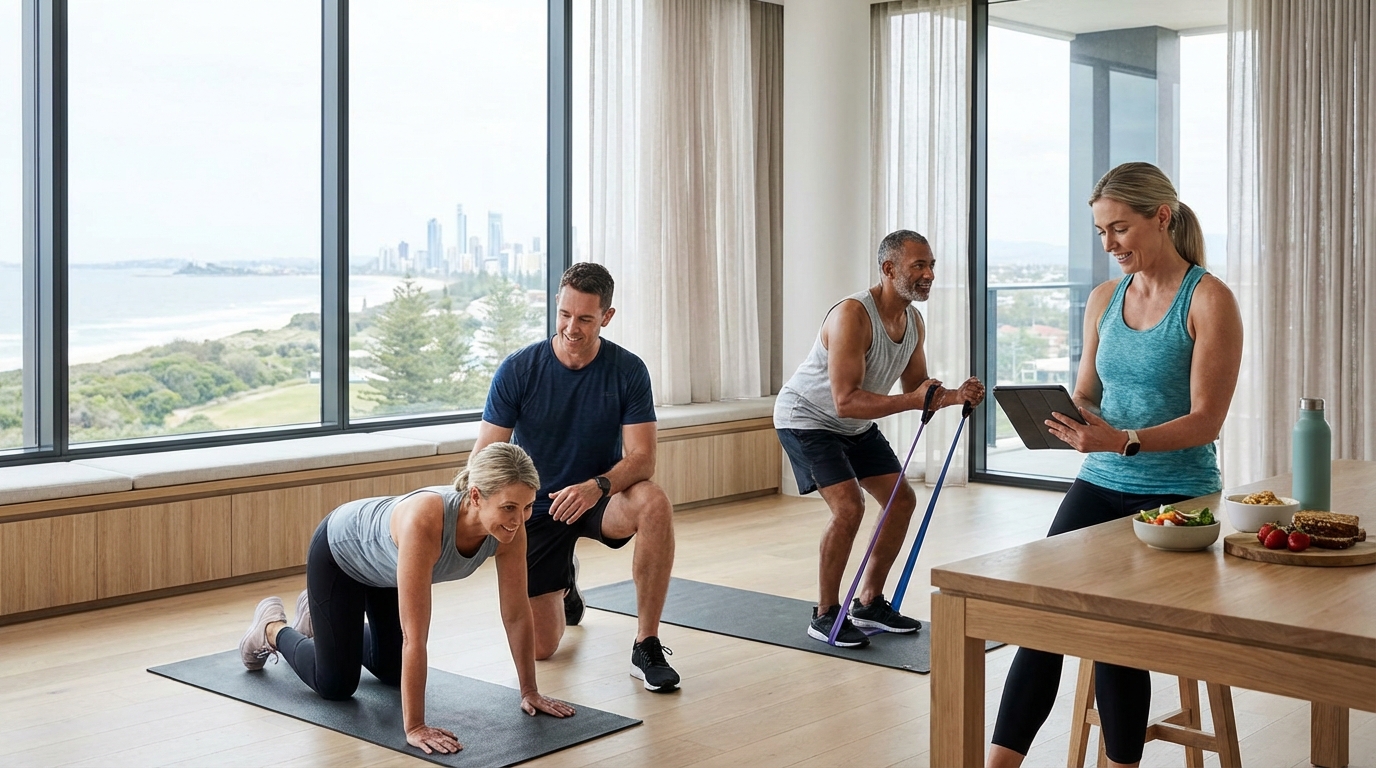
Understanding your fitness goals is an important part of building an active, healthier lifestyle. This guide is intended for the general Australian public, including health-conscious readers and those considering how to set or revisit workout goals. It explains what fitness goals are, what influences them, how to approach them safely, and when to seek professional support. All information in this article is purely educational, grounded in current best-practice Australian health guidelines, and should never be considered a replacement for personalised medical advice. By the end, you’ll be equipped to better understand and apply effective goal setting, manage common barriers, and recognise when to seek further help on your wellbeing journey.
Understanding Fitness Goals: An Australian Perspective
What Are Fitness Goals and Why Do They Matter?
Fitness goals are personal, adaptable targets related to physical health, wellbeing, and activity. They can range from basic objectives like increasing daily step counts to more structured achievements, such as running a certain distance or completing a prescribed exercise program. For Australians, setting fitness goals can play a crucial role in disease prevention, supporting mental health, and enhancing quality of life in line with Australian Government recommendations.
The reasons behind pursuing these goals are diverse. Some people wish to lose weight or improve cardiovascular health; others may focus on strengthening muscles, managing chronic conditions, or simply boosting mood and self-confidence. Regardless of the motivation, fitness goals provide measurable milestones, offering motivation and structure for adopting healthy behaviour.
Importantly, effective goals are specific, realistic, and safely tailored to an individual’s lifestyle, age, and health status. General targets, such as “being more active”, often lack clarity, making success harder to gauge. Well-designed goals, on the other hand, give you a roadmap to follow and a sense of achievement as each milestone is reached.
Common Types of Fitness and Workout Goals
Fitness goals can be broadly categorised based on their intended outcome. Understanding these types helps you decide which suits your situation and needs best:
- Cardiovascular endurance goals: For example, walking briskly for 30 minutes most days, as supported by Heart Foundation guidance.
- Strength-based goals: Such as performing a set number of push-ups or completing strength workouts twice a week.
- Flexibility and balance goals: Like joining a yoga class or practising balance exercises to reduce falls risk, especially for older Australians.
- Body composition goals: Including healthy approaches to fat loss or muscle gain, always prioritising safety and long-term health.
- Performance-based goals: Such as achieving a personal best in a local fun run or mastering a new sport-specific skill.
While setting ambitious targets can be motivating, it’s essential that goals remain realistic, measurable, and safe. Consult relevant experts, such as exercise physiologists, especially if you have pre-existing health conditions or are new to regular exercise.
Symptoms and Warning Signs: Knowing Your Body’s Limits
Listening to your body is as important as setting fitness goals themselves. While physical activity brings many benefits, overtraining or poor preparation can increase the risk of injury or other health concerns. Some warning signs that your goals or routines may need adjustment include:
| Warning Sign | Potential Cause | When to Seek Help |
|---|---|---|
| Persistent or worsening pain | Muscle strain, joint irritation, incorrect technique | If symptoms last >7 days, worsen, or restrict movement |
| Extreme or unusual fatigue | Overtraining, nutritional issues, sleep deficit | If fatigue disrupts daily activities or persists after rest |
| Shortness of breath not proportional to activity | Poor conditioning, underlying health conditions, asthma | If unexplained, severe, or associated with chest pain |
| Dizziness or fainting | Hydration issues, blood pressure, heart concerns | Always seek prompt medical assessment |
Safe progression is key: gradual increases in exercise volume and intensity help prevent injury and allow your body to adjust. When in doubt, consult your GP or a qualified health professional before making significant changes.
Causes and Contributing Factors: What Shapes Your Fitness Goals?
Understanding what influences your fitness goals helps ensure they’re realistic and maintainable. Some common contributing factors include:
- Current health status: Chronic conditions (such as diabetes or arthritis), age, physical limitations, and cardiorespiratory fitness will shape what’s achievable.
- Lifestyle and routine: Work schedules, family commitments, and access to facilities can either support or impede goal attainment.
- Support network: Encouragement from friends, family, or workplace wellness programs can make a significant difference.
- Knowledge and resources: Understanding safe exercise techniques, having access to suitable programs, or professional input can influence success.
- Mental health and motivation: Conditions such as depression or anxiety can affect energy, enjoyment, and persistence with new routines.
Addressing barriers honestly—such as limited time, finances, or motivation—forms a big part of the goal-planning process. For many, small, manageable changes are more effective than dramatic overhauls.
Who Is at Higher Risk of Fitness Setbacks or Injury?
Certain groups are more likely to face barriers or risks when pursuing fitness or workout goals, including:
- Older adults: More prone to balance issues, falls, and overuse injuries—yet physical activity remains critical for health and independence.
- Those with chronic illnesses: Such as heart disease, diabetes, or respiratory conditions. Clearance from a doctor is important before starting new activities.
- People returning after injury: May face setbacks if activity is resumed too rapidly or without tailored guidance.
- Inactive individuals: Greater risk of muscle soreness, strains, and demotivation if progression is too swift.
- Children and adolescents: Should focus on fun, age-appropriate activities and safe environments.
Recognising and understanding your own risk profile ensures that fitness goals are not only achievable but also safe. When experiencing setbacks, be patient with yourself—modification and gradual reintroduction can prevent long-term harm.
Fitness Goals and Their Impact on Lifestyle
Pursuing fitness goals often brings wider benefits, such as improved sleep, mood, and mental clarity. Research from bodies like Healthdirect Australia highlights a clear connection between regular physical activity and reduced symptoms of anxiety and depression.
Achieving small milestones can also boost confidence and encourage further healthy behaviours, such as better nutrition, reduced alcohol intake, and consistent hydration. Many Australians find group fitness classes or community sports provide valuable social connection as well as physical benefits.
However, lifestyle disruption or setting unrealistic expectations can lead to frustration, guilt, or even burnout. It’s important to approach goal setting flexibly—be prepared to adapt as life or health circumstances change.
Setting, Managing, and Adjusting Your Fitness Goals Safely
Creating safe and achievable fitness goals is a systematic process. Aligning your goals with expert guidelines provides both structure and peace of mind.
- Start with a health check: If you have medical concerns or are new to exercise, a GP or allied health professional can provide personalised advice relevant to the Australian context.
- SMART goals: Make them Specific, Measurable, Achievable, Relevant, and Time-bound. For example, “I will walk 3km, four times a week, for the next 8 weeks.”
- Monitor progress: Use accessible tools (activity trackers, journals, simple checklists) to record activity and celebrate achievements.
- Be flexible: Adjust goals based on injury, illness, motivation, or time constraints.
- Seek professional input: Consider an accredited exercise physiologist for tailored workout plans, especially with chronic or complex conditions.
Remember, progress is rarely linear. You may wish to incorporate 7 Minute Training for efficient results. For female readers looking to align their aspirations, our Gym Plan for Women is tailored for safe and effective progress. Celebrate small wins and learn from setbacks to keep yourself engaged and motivated.
Prevention Strategies and Safety Considerations
Preventing injury and maintaining motivation are just as important as the goals themselves. These strategies are built on evidence from both Australian and global health authorities:
| Strategy | Practical Example | Limitation or Caution |
|---|---|---|
| Warm-up and cool-down | 5–10 mins light movement before and after exercise | Does not compensate for poor technique |
| Gradual progression | Increase intensity/volume by no more than 10% per week | Fitness plateaus may require expert input |
| Appropriate footwear and equipment | Replace running shoes every 600–800km of use | Cannot prevent injury if underlying health issues exist |
| Rest and recovery | Minimum 1–2 rest days per week | Some soreness is normal; persistent pain is not |
| Listen to your body | Stop exercise if experiencing pain or discomfort | Not all warning signs are obvious; consult a health professional if unsure |
For further information, explore resources available from Physical Activity Australia for safe practice guidelines. Even from home, you can work toward your objectives using our At Home Strength Workout Guide.
Prevention and Safety Checklist
- Discuss any medical concerns with your GP before starting a new fitness regime
- Start slowly and increase volume and intensity gradually
- Hydrate well and fuel appropriately for your activities
- Use correct technique and seek instruction where needed
- Monitor for signs of injury, fatigue, or declining motivation
- Adjust goals as life circumstances dictate; flexibility prevents discouragement
- Engage friends, family, or a community group for added support
When to Seek Professional Support
Whether you are new to physical activity, returning after illness or injury, or managing a long-term condition, expert guidance is highly valuable. In the Australian healthcare system, options include GPs, accredited exercise physiologists, physiotherapists, and even community health workers. Seeking a referral through the Medicare Benefits Schedule may provide subsidised access in eligible cases.
Consider professional advice if:
- You have a chronic health condition or experience symptoms noted in the earlier “Symptoms and Warning Signs” table
- Progress stalls for several weeks despite efforts
- You’re unsure which goals are safest or most appropriate for your specific situation
- Mental health symptoms arise or worsen as you pursue new routines
Remember, self-guided exercise suits many, but professional input can prevent setbacks and help you craft goals that are effective, enjoyable, and sustainable.
Comparing Fitness Goals, Conditions, and Their Warning Signs
| Fitness Goal Type | Potential Benefit | Common Warning Sign | Prevention Strategy |
|---|---|---|---|
| Cardiovascular improvement | Lower heart disease risk | Shortness of breath, chest discomfort | Start aerobic exercise gradually, seek clearance if at risk |
| Muscle strengthening | Improved metabolism, joint support | Sharp pain, joint swelling | Technique instruction, avoid rapid progression |
| Body composition change | Healthy weight management | Extreme fatigue, mood changes | Balanced nutrition, do not skip meals |
| Flexibility/balance | Reduced fall/injury risk | Dizziness, poor coordination | Supervised environments, appropriate footwear |
FAQ
What are the most effective fitness goals for beginners in Australia?
For beginners, effective fitness goals focus on building consistency and enjoyment. Start with achievable activities such as walking, swimming, or cycling, aiming for 150–300 minutes of moderate intensity per week. Progress gradually and seek professional advice if you have any health concerns.
How can I tell if my workout goals are too ambitious or potentially unsafe?
Signs your goals may be too ambitious include persistent soreness, ongoing fatigue, demotivation, or frequent minor injuries. If you cannot maintain your training schedule without discomfort, consider scaling back and consulting a health professional before continuing.
Are there any risks with setting weight-focused fitness goals?
Weight-focused goals may sometimes lead to unhealthy practices or unrealistic expectations. Prioritise healthy habits and gradual progress over rapid change, and seek professional support if you experience low mood, eating concerns, or anxiety around exercise.
When should I see a doctor before starting a new fitness program?
You should book a check-up if you have pre-existing health conditions, are over 45 and inactive, or experience unexplained symptoms such as chest pain, breathlessness, or dizziness during activity. This ensures your fitness program is safe and appropriate.

