

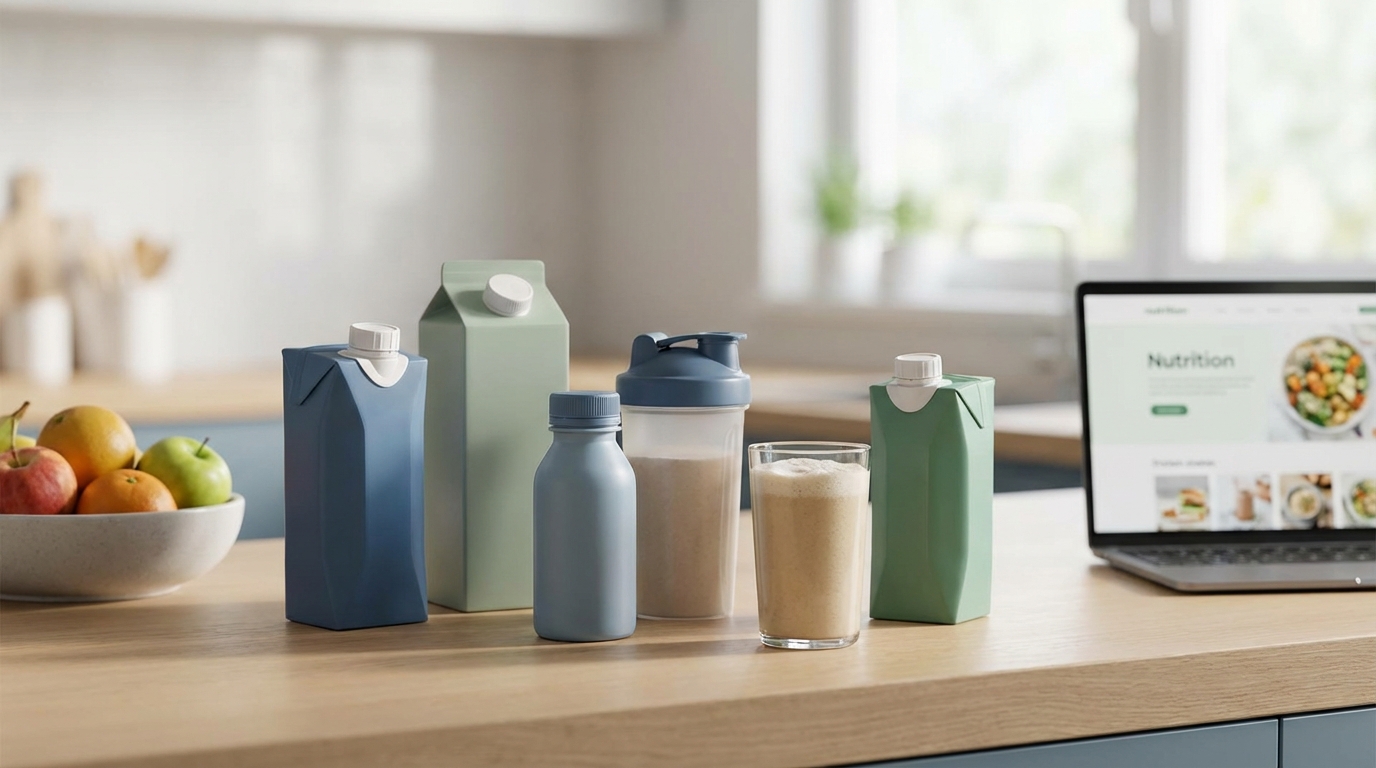
Discount protein drinks have become increasingly popular among Australians looking for affordable ways to support their nutrition and fitness goals. This article aims to support the general public, active individuals, and health-conscious readers in Australia by providing unbiased, evidence-aligned information on discount protein drinks, cheap protein powder, and related supplements. All information is for educational purposes and should never replace advice from qualified health professionals. By the end, you’ll gain a clearer understanding of what discount protein drinks offer, potential risks, prevention tips, and how to make informed decisions about protein supplements in the Australian context.
Your Guide to Discount Protein Drinks in Australia
Understanding Discount Protein Drinks: What Are They and Who Are They For?
Discount protein drinks are a lower-cost option for those seeking to increase their dietary protein, whether for muscle repair, weight management, or general wellbeing. These could come in ready-to-drink bottles, powders to mix with water or milk, or even bars labelled as meal replacements. The surge in popularity is tied to wider access at supermarkets, pharmacies, gyms, and through online bulk supplement retailers.
In Australia, these products are marketed not only to athletes but also to anyone with busy lifestyles, older adults focused on maintaining muscle mass, and people seeking affordable ways to address dietary gaps. The typical goals are to support muscle recovery, reduce hunger, or act as a convenient meal replacement under certain conditions.
However, not all discount or cheap protein powder supplements are created equal. It’s crucial to consider quality, labelling accuracy, and potential safety risks—topics this guide will cover in detail.
Why Australians Turn to Cheap Protein Powder and Discount Supplements
Affordability is a significant factor when choosing nutrition supplements. Cheap protein powder and discount protein drinks offer a cost-effective alternative to premium brands, making protein supplementation accessible to a wider population. Australians might turn to these options during gym promotions, online protein sale events, or simply due to household budget constraints.
Some of the main reasons include:
- Supporting physical fitness, strength, or exercise recovery
- Meal supplementation for those with busy schedules or limited appetite
- Aiding weight loss or management programs with controlled nutrition
- Addressing increased protein needs due to age or medical advice
- Filling dietary gaps in vegetarian or vegan meal plans
Many popular products are available at major Australian retailers, including national consumer organisations and grocery chains, often featuring regular protein sale offers.
Yet, Australians need to be cautious about relying solely on low-cost supplements, as price can reflect ingredient origin, quality testing, or regulatory oversight.
The Science of Protein: Why Quality Matters
Protein is an essential macronutrient supporting muscle growth, tissue repair, immune function, and hormone regulation. For the average adult, requirements vary based on age, sex, body size, and activity level; the Australian Dietary Guidelines and HealthDirect recommend aiming for most of your intake from whole foods—such as lean meats, dairy, legumes, and nuts—before considering supplements.
Types of Protein in Cheap Supplements:
- Whey Protein: Quickly absorbed and complete in essential amino acids, commonly used in athletic and recovery products
- Plant-Based Protein: Derived from soy, pea, rice, or hemp; suitable for vegans or those with dairy allergies, but may vary in amino acid profile
- Casein Protein: Slower digesting, sometimes used for overnight recovery
Discount or cheap supplements often use protein blends or cost-saving ingredients that affect quality. Always look for transparent labelling and brands that state compliance with Australian regulatory guidance.
Limitation: Cheaper drinks may contain lower protein per serve, higher sugar or fillers, and less robust manufacturing standards. Understanding these trade-offs helps you make safer, more effective choices.
Symptoms and Warning Signs to Watch For
While protein drinks are generally well-tolerated when used as intended, some people may experience mild digestive symptoms—especially when starting, switching brands, or using them in large amounts. Recognising early symptoms can help prevent escalation or identify when a discount supplement might not agree with you.
| Possible Symptom | Common Causes | Considerations |
|---|---|---|
| Bloating or gas | Lactose intolerance, high-fibre, or sugar alcohols | Avoid whey blends or check plant protein fillers |
| Stomach cramps | Poor quality ingredients, artificial sweeteners | Review ingredient list and serving size |
| Headaches | Dehydration, artificial additives | Stay hydrated and check for excess additives |
| Allergic reaction | Undeclared allergens (milk, soy, nuts) | Choose reputable, transparent brands |
Pro Tip: If you are new to supplements, try introducing them gradually, starting with half-serves, and always check for ingredient lists that include potential allergens or intolerances. If you have a history of food allergies or a chronic condition, discuss your supplement options with your healthcare provider before starting—even if buying a cheap or discounted product.
When to seek help: Persistent or severe symptoms (such as difficulty breathing, rash, or severe pain) warrant prompt medical advice, regardless of product price or brand.
Causes and Risk Factors Unique to Discount Protein Drinks
The affordability of discount protein drinks is often achieved by cost-cutting during sourcing or production. This increases specific risks, particularly if purchasing less-regulated imports or untested blends online.
Key contributing factors:
- Substitution of purified protein with lower-grade or diluted sources
- Use of unapproved fillers or unknown sweeteners
- Poor labelling practices (false protein claims)
- Batch inconsistencies and possible cross-contamination
- Lack of third-party quality testing or compliance with Australia’s food safety standards
Risk groups: The following Australians may be at higher risk of harm from low-quality protein supplements:
- People with kidney, liver, or metabolic conditions advised to moderate protein (always get professional guidance before supplement use)
- Young people or adolescents (increased risk of overuse or substituting supplements for proper meals)
- Pregnant or breastfeeding women (supplements may not be suitable unless specifically approved)
- Individuals with diagnosed food allergies or intolerances
- Athletes subject to anti-doping regulations (potential contamination with banned substances in export-only products)
Australian guidance: Always look for brands or products registered with the Therapeutic Goods Administration or carrying recognised quality certifications. Avoid supplements sold solely via international dropshippers or those lacking local support or consumer protection guarantees.
Comparing Protein Sale Options: Price, Quality, and Practical Considerations
| Option | Typical Features | Who It May Suit | Cautions |
|---|---|---|---|
| Discount Protein Drinks (Ready-to-Drink) | Convenient, fixed dosing, cold storage, higher cost per serve | On-the-go, meal-replacement, beginners | More additives, sweeteners, less flexibility in flavour/ingredients |
| Cheap Protein Powder | Versatile, typically cheaper per gram protein, wide flavour range | Home, tailored mixing, cost-conscious buyers | Potential for label inaccuracy, variable mixability or digestibility |
| Bulk, Unbranded Supplements | Lowest price per serve, minimal packaging | Experienced supplement users, tight budgets | Higher risk of contamination or inconsistent formulation, limited support |
When considering a protein sale (seasonal promotion or end-of-batch offer), cross-check storage life, batch numbers, and review independent Australian resources such as the Food Standards Australia New Zealand for updated consumer safety information.
Safe Use Checklist: Preventing Risks and Enhancing Benefits
Using protein supplements safely involves more than just choosing the cheapest product. Protect your health by following these basic precautions:
| Safe Use Step | Action or Tip |
|---|---|
| Read labels carefully | Check for protein amount per serve, ingredients, allergens, and whether it meets Australian dietary guidelines |
| Introduce slowly | Start with half serves to gauge tolerance |
| Rotate brands if using long term | Prevents overexposure to proprietary blends or unbalanced nutrient profiles |
| Avoid over-reliance | Maintain a balanced diet with whole foods as your primary nutrition source |
| Monitor your health | Watch for new symptoms, track energy and digestion, seek medical advice if concerns arise |
Note: Supplements are best used to “supplement” rather than replace mindful eating. Overuse or using as the main protein source can lead to nutritional imbalance.
Risks and Considerations: When Cheap Isn’t Always Best
Despite their convenience and value, discount protein drinks and cheap supplements have potential risks—including contamination, mislabelling, and inadequate nutrient profiles. In Australia, food supplements don’t always face the same regulatory stringency as medicines, and imported products, in particular, may not be subject to local safety standards.
Common risks include:
- Presence of undeclared substances, especially in products sourced from overseas
- Batch-to-batch inconsistency in protein content or absorption
- Potential for cross-contamination with allergens or performance-enhancing drugs (for athletes)
- Misrepresentation of nutrition panels or ingredient quality
- Overconsumption leading to kidney strain, particularly for those with underlying health issues
Limitations: Even reputable protein sale products may not be suitable for everyone, especially where other conditions are present or if the goal is long-term nutrient support. If you’re unsure, seek advice from an accredited practising dietitian or your GP.
When to Seek Professional Medical Advice
If you have a chronic health condition, are pregnant, breastfeeding, on prescription medication, or under 18, consult a healthcare provider before using any protein supplement—including discounted or cheap options.
Seek urgent help if you:
- Experience difficulty breathing, swelling, rash, or severe discomfort after consuming a protein drink
- Notice ongoing digestive upset, unexplained fatigue, or other persistent symptoms after starting a supplement
- Suspect your product is counterfeit or contaminated, or bought a supplement lacking Australian consumer protections
Remember, even widely available protein supplements are not risk-free and should be taken as part of a thoughtful, holistic approach to health.
FAQ
Are discount protein drinks in Australia regulated for safety?
Protein drinks sold by reputable retailers must comply with Australian food standards, but imported or unbranded supplements may not meet the same safety requirements. Always buy from trusted sources and check for certification or third-party labelling.
Can cheap protein powder be used by people with allergies?
Not all cheap protein powder is free from allergens. Read labels carefully, look for transparent ingredient listings, and select hypoallergenic options if sensitive to dairy, soy, or nuts. People with known allergies should consult their healthcare provider before starting any supplement.
What’s the difference between protein drinks and whole food protein?
Whole food proteins (meats, dairy, legumes, eggs) offer a broader array of nutrients and fibre not found in protein drinks. Drinks and powders serve as practical supplements but shouldn’t fully replace balanced meals unless advised by a qualified dietitian.
Is it possible to have too much protein from supplements?
Excessive protein can strain kidneys and impact nutrient balance, especially for those with pre-existing conditions. Most Australians meet their needs through a varied diet, and supplements should only be used to bridge genuine dietary gaps.
How can I identify a safe protein sale product?
Look for products with clear Australian labelling, batch numbers, expiry dates, and compliance with local food safety standards. Avoid supplements with unknown ingredient lists or those unavailable through respected Australian retailers.