
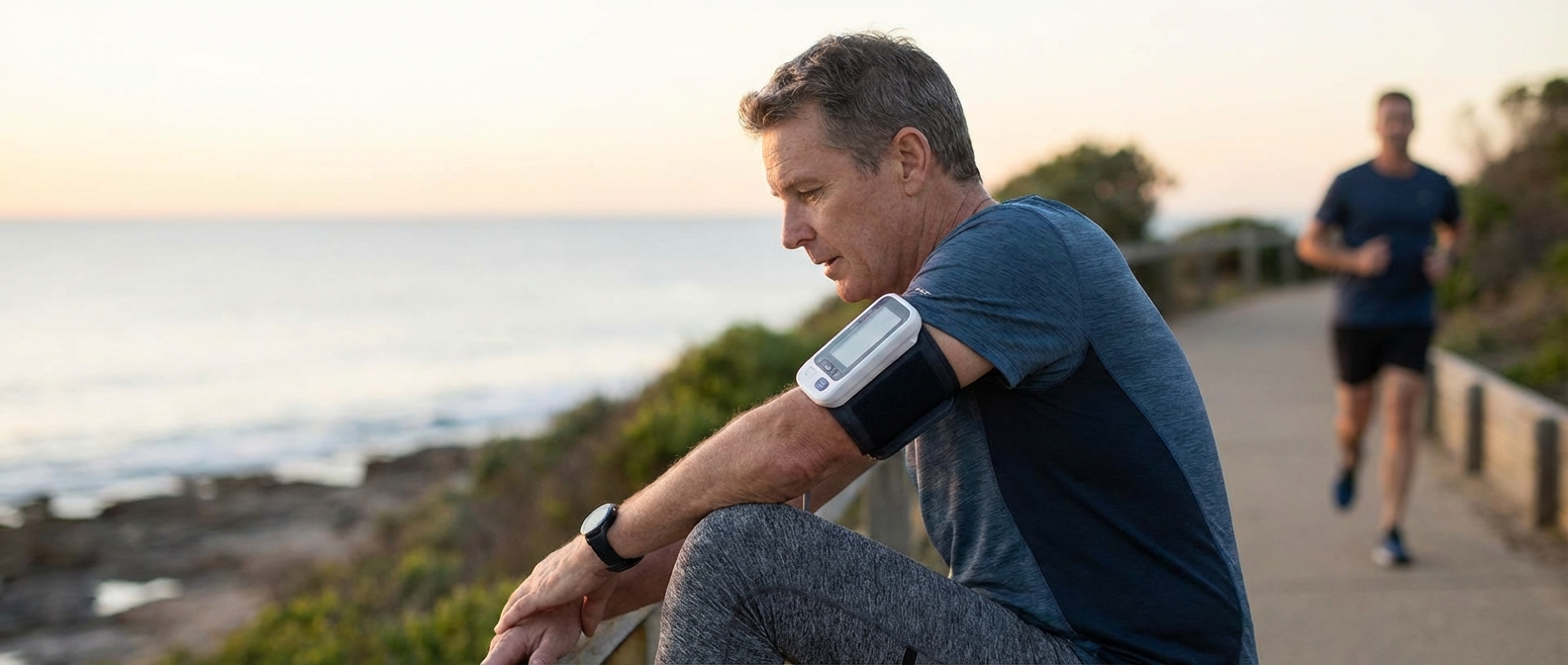
Understanding How Exercise Impacts Blood Pressure: A Trusted Australian Perspective
If you’re an Australian wanting to know, does exercise lower blood pressure, you’re not alone. High blood pressure (also known as hypertension) affects millions across Australia, and many people are searching for clear answers and safe prevention strategies. This article is designed for Australians—health-conscious individuals, patients, carers, and anyone curious about their wellbeing. Here, you’ll find well-rounded, up-to-date information on how exercise may impact high blood pressure, the precautions to consider, and tips for safely staying active. Remember, this article is for informational purposes only and does not replace advice from your healthcare provider. By the end, you’ll have a grounded understanding of exercise’s potential effects on blood pressure, relevant risks, and when to seek professional guidance.
What is High Blood Pressure? Recognising the Signs and Symptoms
High blood pressure, or hypertension, occurs when the force of the blood against your artery walls is consistently too high. In Australia, many adults have high blood pressure without knowing it, as symptoms are rarely obvious in the early stages. This is why hypertension is sometimes called the “silent killer”. Regular monitoring is encouraged, especially if you have risk factors such as age, family history, or lifestyle influences.
Common warning signs—when they do appear—can include persistent headaches, shortness of breath, dizziness, nosebleeds, or blurred vision. However, these symptoms are not exclusive to high blood pressure and can be caused by other health conditions. If you experience any of these signs or feel unwell, consider speaking to your GP for personalised assessment. Early detection and management are vital to help reduce long-term health risks.
For specific guidance on high blood pressure symptoms in an Australian context, reputable organisations like Healthdirect Australia are valuable resources.
Why Is High Blood Pressure a Health Concern in Australia?
High blood pressure significantly increases the risk of serious health issues, including heart attack, stroke, and chronic kidney disease. According to the Australian Institute of Health and Welfare, hypertension is one of the leading contributors to preventable illness and premature death nationwide.
It’s important to recognise that high blood pressure rarely exists in isolation. Conditions such as diabetes, obesity, and high cholesterol often overlap, compounding long-term health risks. Additionally, some population groups—including older Australians, Aboriginal and Torres Strait Islander peoples, and those living in remote communities—may face higher rates of hypertension or limited access to care.
Identifying and managing risk factors—like poor diet, smoking, physical inactivity, or excessive alcohol consumption—can substantially reduce your likelihood of developing or worsening high blood pressure.
Does Exercise Lower Blood Pressure? The Evidence and Practical Overview
This is the question at the heart of many health discussions: Does exercise lower blood pressure? Numerous well-conducted studies and public health bodies—including the Heart Foundation and World Health Organization—support the role of regular physical activity in blood pressure management for most people.
When you exercise, your heart becomes stronger and more efficient at pumping blood, which can help reduce the force on your arteries over time. Research indicates that both aerobic activities (like brisk walking, swimming, and cycling) and resistance training (such as light weightlifting or bodyweight exercises) can help lower systolic and diastolic blood pressure in people with mild to moderate hypertension. To support heart health, try Cardiovascular Exercises in the Gym, which are especially effective for managing hypertension.
However, results vary by individual. Factors such as age, baseline fitness, other medical conditions, and medication can influence your response to exercise. It’s important to note that exercise is one aspect of a broader, holistic approach to blood pressure management. For some, lifestyle change alone isn’t enough, and prescription medicine may remain essential. Always discuss significant changes to your activity level or management plan with your GP, especially if you have complex health needs. For tailored routines, check our Cardio Workout Guide to help manage cardiovascular health.
How Much Exercise is Recommended for Blood Pressure Management?
Current Australian guidelines generally suggest aiming for at least 150 minutes of moderate-intensity aerobic exercise per week, spread across most days. Examples include brisk walking, slow jogging, cycling, swimming, or structured group fitness classes.
Moderate intensity means you’re moving enough to raise your heart rate and break a light sweat, yet still able to hold a conversation. If you’re just starting out, begin slowly and gradually increase your activity level over weeks or months.
Resistance training—such as using exercise bands or light weights—can complement aerobic activity. The Heart Foundation recommends performing strength-based exercises on two or more days per week, provided you have no medical restrictions.
| Exercise Type | Examples | Frequency | Intensity |
|---|---|---|---|
| Aerobic | Fast walking, cycling, swimming | 30 mins/day, 5 days/week | Moderate |
| Resistance | Bodyweight exercises, bands | 2+ days/week | Light–moderate |
| Flexibility | Stretching, yoga | Most days | Gentle |
Always tailor your plan to your fitness level, preferences, and health advice.
How Does Physical Activity Lower Blood Pressure? Mechanisms and Limitations
The link between exercise and lower blood pressure is influenced by several biological mechanisms. Regular physical activity may:
- Improve blood vessel elasticity, helping arteries relax and widen
- Encourage a healthier body weight
- Enhance heart muscle strength
- Improve the body’s response to stress
- Support better regulation of salt and fluid balance
Another important benefit is the potential for exercise to help control additional cardiovascular risk factors, such as blood lipid levels and insulin sensitivity.
Limitations exist: Not everyone will see the same degree of blood pressure reduction with exercise, especially if genetic or underlying medical conditions are present. In some cases, too much or inappropriate exercise may strain the heart, especially if you have severe hypertension or uncontrolled heart disease.
If you already take prescribed medicine for high blood pressure, exercise should not replace your medication unless directed by your healthcare professional.
Pro Tip: Stay Safe and Get the Best Results
Who Should Be Especially Cautious? Risks and When to Seek Help
While most people can safely engage in moderate exercise, certain groups require extra care. If you experience exercise intolerance, have severe or uncontrolled hypertension (>180/110 mmHg), or live with heart, lung, or kidney conditions, it’s important to receive a health check before increasing your activity. Bodyweight routines suggested in our Body Weight Exercises Guide can be great for beginners.
Possible risks of exercise for high blood pressure include:
- Straining the heart or blood vessels if activity is too vigorous or sudden
- Exacerbating other coexisting health conditions
- Masking underlying warning signs (e.g., sudden chest pain, palpitations)
If you have a history of falls, take multiple medicines, or are unsure where to begin, a referral to an Accredited Exercise Physiologist or physiotherapist can help you find a safe starting point. Your doctor can arrange this support via Medicare or private health insurance in Australia if eligible.
If you feel faint, breathless, or chest pain during or after exercise, stop immediately and seek prompt medical attention. These can be warning signs of serious health conditions.
| Symptoms | Possible Associated Conditions | When to Seek Medical Advice |
|---|---|---|
| Persistent headaches, dizziness | Hypertension, migraine, dehydration | If ongoing, severe, or worsening |
| Shortness of breath, chest pain | Heart or lung issues | Immediately – urgent assessment |
| Irregular heartbeat or palpitations | Arrhythmias, anxiety, overexertion | If recurrent, new or unknown cause |
Prevention and Lifestyle: An Australian Health Checklist
Exercise is just one pillar of managing high blood pressure. By taking a comprehensive, preventive approach, Australians can substantially reduce their risks. Try incorporating these practical steps into your lifestyle:
- Engage in regular physical activity—strive for consistency, not perfection
- Achieve and maintain a healthy weight for your height (BMI or waist circumference are helpful indicators)
- Choose a heart-healthy diet rich in fresh vegetables, fruits, wholegrains, and lean proteins
- Limit salt intake—Australians often consume more than recommended
- Manage stress with techniques like meditation, breathing exercises, or enjoyable social activities
- Avoid tobacco use and limit alcohol consumption
- Monitor your blood pressure, especially if you are at higher risk
- Attend regular healthcare reviews with your GP
- Are you moving your body at least 5 days a week?
- Have you checked your blood pressure recently?
- Is your salt intake under 5g/day?
- Do you use supports—like friends, family, or health apps—to stay motivated?
- Are you taking medicines exactly as prescribed?
For more detail on building a heart-healthy lifestyle, visit leading Australian sites like the Better Health Channel or consult an Accredited Practising Dietitian for trusted nutrition advice.
Exercise for High Blood Pressure: Real-Life Australian Scenarios
Adapting exercise for high blood pressure is not a one-size-fits-all process. Here are some everyday examples relevant to people living in Australia:
- Walking Groups: Many local councils organise walking groups that foster regular movement and social connection, helping reduce barriers to activity, especially as part of chronic disease management programs.
- Low-Impact Home Exercises: For busy individuals or those with mobility limitations, home-based routines using resistance bands, light weights, or online classes can be tailored to suit safety and confidence. For those unable to perform traditional routines, Chair Exercises for Seniors offer safe alternatives.
- Community Sport: Team activities—like bowls, tennis, or swimming—help maintain fitness in older adults while offering important mental health benefits.
If accessing exercise facilities is difficult due to remote living or cost, explore resources through your local GP, community health service, or Australian Government health initiatives.
Frequently Asked Questions
FAQ
- Can exercise replace my blood pressure medication?
- Exercise may help lower your blood pressure, but it should never replace prescribed medication without your doctor’s guidance. Many people require both lifestyle changes and medication for effective management.
- Is it safe to exercise if I have very high blood pressure?
- People with severely high or uncontrolled blood pressure should get medical clearance before starting any exercise program. Your doctor can recommend safe activities and intensity levels.
- How quickly does exercise help blood pressure?
- Benefits may appear within a few weeks of regular moderate exercise, but long-term consistency is key. Improving blood pressure often takes several months of ongoing effort.
- Which type of exercise is best for lowering blood pressure?
- Both aerobic (walking, swimming, cycling) and resistance training may help when performed consistently. The most effective exercise is one that suits your abilities and lifestyle, and is done regularly.
- Should I monitor my blood pressure when starting an exercise plan?
- Yes. Tracking your blood pressure at home or with your doctor is a wise step as you increase activity, helping you and your care team identify safe progress and early concerns.

