

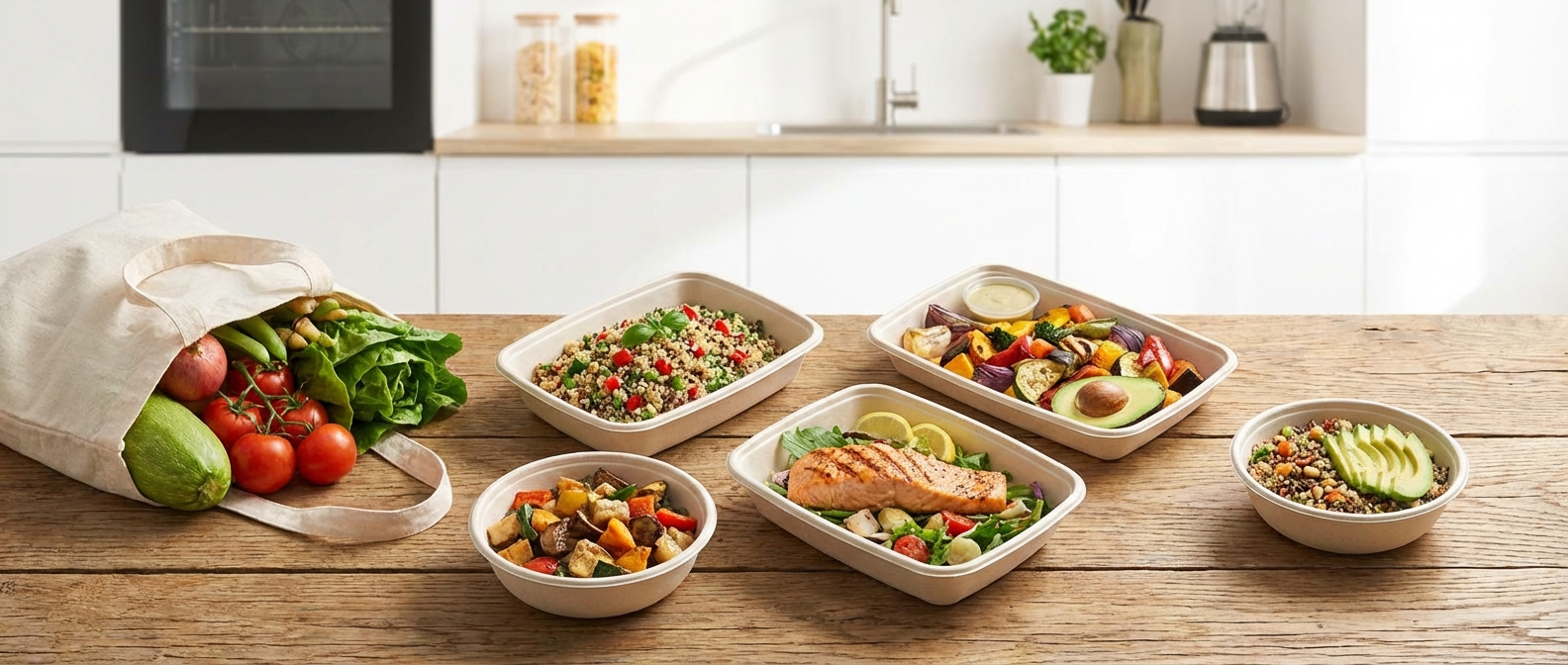
If you’re searching for Lite n Easy alternatives, you’re likely seeking convenient, nutritious meal solutions that support healthy living—whether for yourself, a loved one, or as a carer. This article supports Australians exploring reliable, ready-made meal plans and delivery foods, covering key considerations like safety, cost, nutrition, and suitability for different lifestyles. It is provided for informational and educational purposes only, and should not be used as a substitute for personalised medical, dietary, or professional health advice. By reading, you’ll gain a comprehensive understanding of popular alternatives, how to evaluate the healthiest delivery food, best meal plans for your needs, and what to look out for to ensure safety, effectiveness, and suitability in the Australian context.
Comprehensive Guide to Lite n Easy Alternatives for Australians
Understanding the Search for Lite n Easy Alternatives
Many Australians turn to meal delivery services for reasons such as convenience, managing a chronic illness, recovering from surgery, or simply wanting healthier eating habits. While Lite n Easy is a well-known choice, some may seek alternatives due to dietary needs, budget, menu variety, or location. This section clarifies why considering other providers can make sense for individuals, carers, seniors, busy professionals, or those with unique nutrition requirements.
Alternatives come in many forms—ranging from fully prepared, ready-to-eat meals to customizable meal kits. Some may prioritise the fresh ingredient sourcing, allergen-friendly options, or flexibility with subscriptions and portion sizes. It’s important to note that not all alternatives have the same accreditations or dietetic input as Lite n Easy, which adheres to guidelines from reputable bodies such as the National Health and Medical Research Council. Hence, consumers should take an informed approach when weighing benefits and limitations.
Pro Tip: If you have specific health conditions, always look for services that collaborate with Accredited Practising Dietitians or provide access to nutrition support. This can help you match your meal choices to your individual health priorities and avoid potential pitfalls such as excess sodium or inadequate protein.
Key Features of Healthy Meal Delivery and Meal Plans
When evaluating Lite n Easy alternatives, it’s vital to understand what makes a meal delivery service genuinely healthy—not just convenient. The healthiest options should support balanced, evidence-based diets that promote wellbeing, weight management, and accommodate key dietary needs such as allergies, vegetarian or vegan preferences, gluten-free, or low-sodium plans.
High-quality meal plans and delivery food stand out through:
- Alignment with the Australian Dietary Guidelines
- Clear labelling of ingredients, allergens, kilojoule or calorie counts, and macronutrients
- Reasonable sodium and sugar content to help prevent risk factors for chronic disease
- Evidence of endorsements or partnerships with health professionals or aged care agencies
- Transparent food preparation and storage information, and safe delivery practices
Those considering a switch, especially older adults or people with chronic conditions, should watch for limitations, such as:
- Narrow menu variety or cultural inclusiveness
- Hidden delivery fees or complex subscription terms
- Lack of clear labelling for dietary requirements
- No tailored plans for medical conditions like diabetes or heart disease
Wherever possible, discuss major dietary changes or home-delivered food plans with your GP, especially if you have existing medical conditions, are recovering from hospital care, or are taking medication that may interact with food choices.
| Meal Delivery Feature | Why It Matters | Potential Risks |
|---|---|---|
| Accredited Dietitian Support | Ensures meals meet health and safety guidelines | Lack of oversight may lead to mismatched nutrition |
| Allergen Labelling | Protects those with allergies or intolerances | Omission could trigger allergic reactions |
| Transparent Ingredients List | Helps track macros, sodium, and dietary needs | Cloaked additives or preservatives pose unknowns |
| Flexible Subscriptions | Enables trial without long-term commitment | Automatic renewals can catch users off guard |
| Safe and Timely Delivery | Protects food quality and reduces food-borne illness risk | Poor handling could cause spoilage or contamination |
Top Lite n Easy Alternatives Available in Australia
The Australian meal delivery landscape has grown, with numerous services now offering alternatives to Lite n Easy. For comparison and practical guidance, this section highlights several widely-used providers that align with national nutrition guidance or have unique offerings. Note that service availability and menu options may vary by state and urban versus rural settings.
1. YouFoodz
YouFoodz offers ready-made meals with a focus on fresh, locally sourced produce. The menu rotates seasonally, catering to different dietary preferences, and is ideal for Australians seeking variety and convenience. While they offer calorie-controlled options, consumers should review sodium and protein content to match health needs.
2. HelloFresh
HelloFresh differs by delivering meal kits and ingredients for home cooking—an attractive option for those who enjoy cooking but want to save time on shopping and planning. The meals can be tailored to family size, vegetarian options, or low-calorie needs, but require basic kitchen skills and do not provide fully prepared options.
3. Muscle Meals Direct
Geared towards fitness-conscious individuals, Muscle Meals Direct provides tailored plans for weight loss, muscle gain, or balanced eating. Their meals are prepared fresh and delivered chilled. However, portion sizes and calorie levels may be unsuitable for some seniors or those with reduced energy requirements.
4. Nutrition Station
Nutrition Station provides macro-controlled, dietitian-designed plans with options catering to low FODMAP and gluten-free diets. Their meals are pre-prepared, convenient for busy professionals or those requiring specialised nutrition.
5. Tender Loving Cuisine
This service is particularly popular with seniors, carers, and those recovering from illness. Tender Loving Cuisine provides accredited, medically supportive meal plans, and operates in line with Healthdirect’s guidance for older people’s nutrition. They offer texture-modified diets and soft foods to suit varying needs.
Additional Options
Other notable names include A Life Plus, Dinner Ladies, and My Muscle Chef, all of which offer various meal plan structures, ingredient focus, and flexibility. Diabetes-friendly meals, plant-based diets, and customisable menus are increasingly available, but users should check credentials and ingredient transparency carefully.
For those on government-funded home care packages or eligible for NDIS, discuss with your provider which meal delivery options can be incorporated within your care plan. More information is available via the My Aged Care food services overview.
Comparing Lite n Easy Alternatives: A Practical Table
| Provider | Main Features | Best for… | Risk or Limitation |
|---|---|---|---|
| YouFoodz | Ready-made, fresh, rotating menu | Time-poor adults, variety seekers | Sodium content may be high for some |
| HelloFresh | Ingredient boxes, cook-at-home | Families, cooks who want convenience | Not suitable for non-cooks; prep required |
| Muscle Meals Direct | Fitness-focused, protein-controlled | Active adults, fitness or weight goals | Portions not always senior-appropriate |
| Tender Loving Cuisine | Medically supportive, aged care focus | Seniors, recovery, carers | Menu less varied than mainstream |
| Nutrition Station | Macro, FODMAP, and gluten-free options | Those with specific medical diets | Higher price point, delivery area limits |
Signs a Meal Delivery Plan May Not Be Right for You
While many Australians find great value in home-delivered foods, not every service suits every person. Some warning signs or symptoms that your meal plan might not be right include:
- Sudden, unexplained weight loss or gain
- Low energy, fatigue, or faintness after meals
- Adverse digestion, allergic responses, or worsening of chronic illness symptoms
- Repeated dissatisfaction with taste, appearance, or portion size
- Difficulty understanding nutrition information or making informed choices
If you develop adverse symptoms or significant changes in health after starting any meal plan, pause usage and seek advice from your doctor, Accredited Practising Dietitian, or discuss concerns with the meal provider’s customer support. For allergy symptoms or signs of food poisoning, seek prompt medical advice or consult Healthdirect Australia.
| Symptom/Warning Sign | Potential Underlying Condition | Recommended Action |
|---|---|---|
| Rash, swollen lips, or difficulty breathing | Possible allergy or anaphylaxis | Stop eating, seek urgent medical help |
| Bloating, ongoing discomfort | Potential food intolerance | Discuss with GP; consider reviewing meal ingredients |
| Persistent nausea, vomiting, diarrhoea | Foodborne illness or contamination | Cease meals, contact provider, consult your doctor |
| Lack of improvement in health or weight goals | Mismatched nutrition intake | Consult health professional or switch plan |
Evaluating Cost, Access, and Lifestyle Fit in Australia
Pricing for best meal plans and healthy delivery food varies according to meal type, provider accreditation, portion sizes, and additional services like dietitian support. Meal kits from mainstream providers are often cheaper per serve but require some hands-on preparation. Ready-to-eat options tend to charge more for convenience but may include discounts for weekly or bundled orders.
Other access considerations for Australians include:
- Delivery area—some rural or regional locations may have limited options
- Ability to pause, skip, or cancel subscription at short notice
- Eligibility to access subsidised meals via My Aged Care or NDIS
- Special offers, government rebates, or health fund discounts
For those living with chronic conditions or managing diet for prevention, the cost of high-quality, nutritionally validated meal plans can be considered an investment in longer-term health and independence. Those with financial hardship may qualify for support through community services or state health programs—learn more about pathways via the Nutrition Australia public guidance portal.
Checklist: Choosing the Safest, Healthiest Meal Delivery Option
- Check if the provider is registered, accredited, or partners with health professionals
- Read all labelling for allergens, ingredients, and nutritional content
- Ensure delivery and food handling instructions are clear and safe
- Review menu range for variety, suitability, and flexibility
- Be alert to contract or ongoing subscription obligations
- Monitor for any unexpected symptoms, especially if you have a chronic illness
- Ask about customisation options for special diets or preferences
- Seek independent advice before making dietary changes (especially for medical conditions)
Risks, Safety Concerns, and When to Get Professional Guidance
It’s important to be aware of certain risks or concerns when using healthy meal delivery services, particularly for those with complex health needs, older adults, pregnant women, or the immunocompromised. Risks may include:
- Cross-contamination of allergens if strict kitchen protocols are not followed
- Insufficient nutrition for special populations—such as low-fibre or vitamin-deficient meals
- Over-reliance on processed or pre-packaged foods, leading to excess sodium or saturated fat intake
- Misinformation or confusion about what “healthy” really means in marketing claims
If you are ever in doubt, consult a GP, Accredited Practising Dietitian, or use health information services such as Healthdirect for up-to-date, evidence-based advice.
FAQ
What are the healthiest meal delivery alternatives to Lite n Easy in Australia?
Some of the healthiest alternatives include providers that offer fresh, evidence-based meal plans—such as YouFoodz, Nutrition Station, and Tender Loving Cuisine—each catering to different dietary needs, health conditions, or personal preferences. Always check for accredited dietitian support and transparent ingredient lists.
Are meal delivery services suitable for people with chronic conditions?
Meal delivery services can be suitable if they provide menu options specific to your health requirements and dietary restrictions. Discuss your options with your healthcare provider to ensure the chosen meal plan meets your ongoing health needs.
How can I tell if a meal plan isn’t meeting my nutritional needs?
Warning signs include new symptoms, lack of energy, unintended weight changes, or gastrointestinal issues. If these symptoms develop, pause your meal service and consult a health professional for further assessment.
Are there subsidised or low-cost alternatives for seniors and people living with disabilities?
Yes, through My Aged Care and NDIS, eligible Australians can access subsidised meal delivery options. Eligibility criteria apply, so it is best to contact your case manager or provider for specific support options.
Is it safe to use healthy meal delivery services long-term?
Generally, yes, especially if the service uses transparent nutrition information and accredited input. However, it is wise to periodically review your choices with a qualified healthcare or nutrition professional to guard against unbalanced eating or micronutrient gaps.