

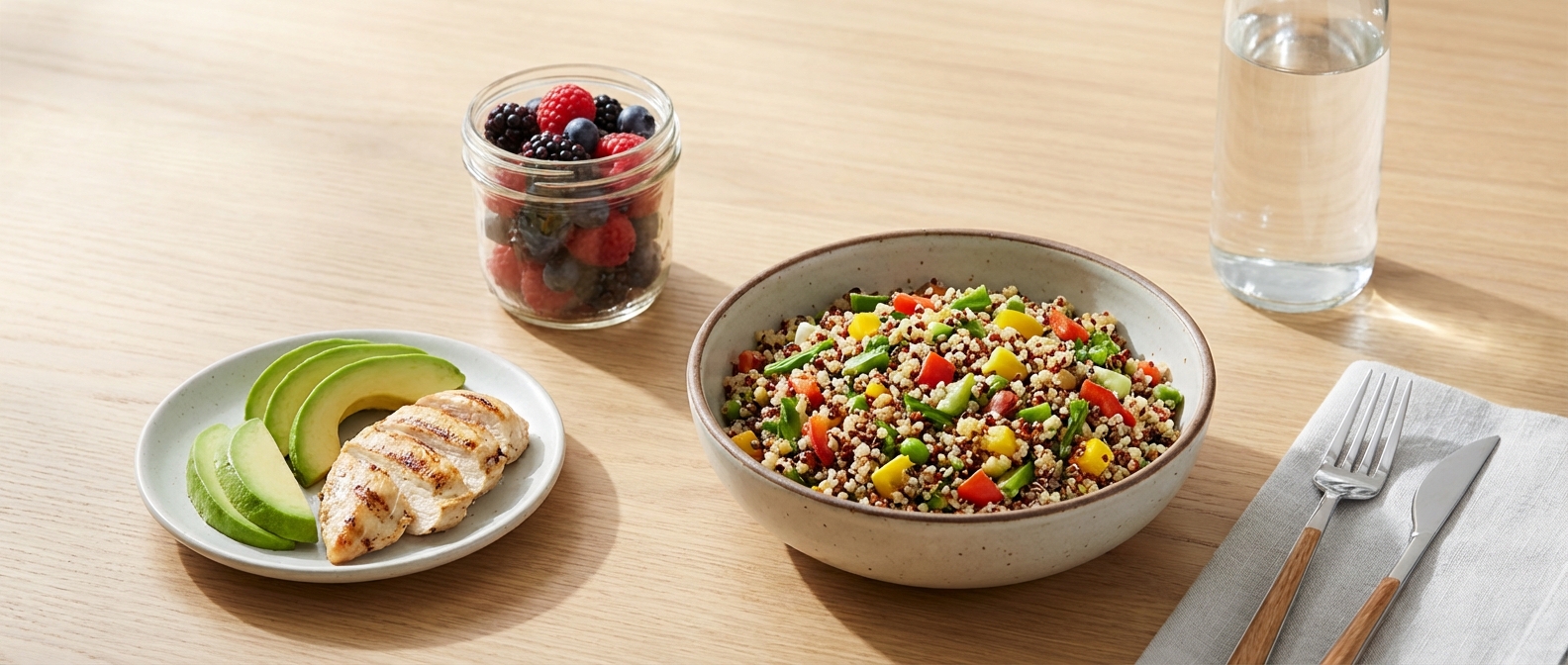
Seeking healthy lunch recipes for weight loss can feel overwhelming with so much conflicting information in Australia. This guide is designed for health-conscious Australians—including individuals, families, carers, and those looking for practical lunch solutions to support a balanced weight. Please note, this article is for general informational and educational purposes only and should not replace personalised advice from a qualified health professional. By the end of this resource, you’ll better understand which lunch choices can support weight loss, how to build nutrient-rich meals on a budget, potential risks of restrictive dieting, and when it’s important to seek expert advice.
Your Comprehensive Guide to Healthy Lunch Recipes for Weight Loss in Australia
Understanding Healthy Lunch Recipes for Weight Loss: What’s the Real Goal?
The main intent behind searching for healthy lunch recipes for weight loss is to find trusted, actionable strategies that support fat loss and long-term wellbeing. Most Australians want to create lunches that help them manage their weight, feel energised, and maintain nutritional balance throughout busy days. Evidence consistently shows that successful weight loss involves more than simply “eating less”—building regular, balanced meals with the right combination of macro- and micronutrients is essential (Australian Dietary Guidelines).
Australians also frequently seek lunch ideas that are affordable and convenient, making cheap and healthy lunch ideas a top secondary consideration. Additionally, there is growing demand for clarity around safe weight management approaches and risks linked to fad dieting or restrictive eating—a critical concern for sustained health.
In this section, we clarify what makes a lunch “healthy” for weight loss and highlight the underlying principles anyone can use to make informed lunch choices, regardless of their dietary needs or budget.
What Makes a Lunch Recipe Effective for Weight Loss?
Effective fat loss lunch options typically focus on:
- Adequate protein (to help curb hunger and support muscle)
- Fibre-rich carbohydrates (whole grains, legumes, vegetables)
- Healthy fats (such as avocado, olive oil, and nuts in sensible portions)
- Limited added sugars and highly processed foods
- Controlled portion sizes and mindful eating practices
While no single food guarantees weight loss, meals built on these principles can help Australians achieve a healthy energy balance while getting vital nutrients. Some people, such as those with specific health conditions or on certain medications, may have unique requirements.
Limitation: Even healthy recipes can become energy-dense if serving sizes are excessive or key food groups are omitted. Guidance from an accredited practising dietitian is useful if you have complex needs.
When to seek advice: If you experience persistent fatigue, dizziness, sudden weight changes, or any health concerns while adjusting lunches for weight loss, check with your GP or a registered dietitian.
Practical Weight Loss Lunch Ideas: Australian-Focused Solutions
Australians are exposed to a range of cultural tastes and lifestyles, making the search for practical weight loss lunch ideas diverse. The following meal ideas focus on using affordable, locally available ingredients and minimising preparation fuss. These ideas are suitable for most busy Australians seeking fat loss lunch inspiration without expensive specialty products or complex cooking.
- Grilled chicken and quinoa salad: Lean protein, whole grains, rocket, cherry tomatoes, cucumber, and a light olive oil/lemon dressing.
- Vegetable and lentil soup: Filling, high-fibre, low-cost, and easy to make in large batches.
- Wholegrain wraps: Rolled with canned tuna, grated carrot, spinach, and hummus—simple and portable.
- Rice paper rolls: Layer rice paper with poached prawns or tofu, lettuce, capsicum, shredded carrot, and mint. Serve with a light dipping sauce.
- Baked sweet potato with cottage cheese and mixed salad greens: Naturally portion-controlled, high in fibre, and very affordable.
Pro Tip: Batch-prepare key ingredients (grilled chicken, legumes, roasted vegetables) on the weekend so assembling lunches on busy weekdays takes less than 10 minutes. This reduces meal stress and helps avoid costly, less healthy takeaway options.
Limitation: While homemade lunches are usually healthier and more affordable, not all Australians have access to full kitchen facilities at work or school. Look for meals that keep well in lunchboxes or can be reheated in a microwave, and consider food safety recommendations from Food Standards Australia New Zealand.
Cheap and Healthy Lunch Recipes: Eating Well on a Budget
For many Australians, budget is a practical barrier to eating healthily. Fortunately, healthy lunch recipes for weight loss do not have to be expensive. Many successful patterns focus on using seasonal produce, plant-based proteins, and pantry staples.
- Egg and veggie muffins (prep in advance; enjoy cold or warm with a salad)
- Canned chickpea and tomato stew (high protein, high fibre, low-cost)
- Brown rice salad bowls with kidney beans, corn, avocado, and coriander
- Pita pockets stuffed with grated carrot, sliced beetroot, and low-fat cheese
- Baked falafel wraps served with shredded lettuce, tomato, and low-fat yoghurt
For more inspiration, explore free recipe libraries offered by Healthdirect Australia which regularly updates evidence-based resources for Australians.
Risks and Limitations of Weight Loss Lunch Strategies
While focusing on healthy lunch recipes for weight loss is generally positive, there are potential risks and misconceptions worth recognising. Overly restrictive diets or poorly planned lunch routines can cause nutritional gaps, increased hunger, or unhelpful eating behaviours.
- Skipping meals or eliminating food groups can cause micronutrient deficiencies and unintended health issues (Australian National Health and Medical Research Council guidance).
- Crash dieting or repeated cycles of severe restriction and overindulgence may lead to fatigue, reduced metabolism, or problematic relationships with food.
- Assuming “healthy” foods automatically lead to weight loss, regardless of portion or balance, can yield disappointing results.
Australians with certain medical conditions—such as diabetes, cardiovascular disease, or gastrointestinal issues—should use caution and consult with their healthcare team before making significant dietary changes.
Limitation: Even nutritious recipes may be inappropriate for some, such as people with allergies, specific nutrient needs, or those recovering from eating disorders. “Misinterpretation of dietary advice” can lead to harm if self-diagnosis replaces professional support.
When to seek medical advice: If you notice symptoms like ongoing tiredness, unintentional weight changes, or gastrointestinal problems after changing your lunch routine, it’s best to contact your GP or an Accredited Practising Dietitian.
Warning Signs and When to Get Support
It’s important to recognise symptoms that might suggest your lunch changes are not supporting your health. Common warning signs include:
- Sudden, unexplained fatigue or weakness
- Frequent headaches or dizziness
- Digestive upset (constipation or diarrhoea)
- Persistent irritability, low mood, or difficulty concentrating
- Cravings leading to binge eating or uncontrolled snacking
If these symptoms occur, pause and reconsider your routine. For complex or lasting symptoms, contact your GP for a holistic health review.
How to Build Safe & Sustainable Lunches: The Prevention Checklist
Planning lunches that support weight loss—while safeguarding overall health—is achievable for most Australians by following some simple prevention steps. Use this checklist as a practical starting point:
- Include at least three food groups: lean protein, fibre-rich carbohydrates, and vegetables or salad.
- Build every meal around whole foods and reduce reliance on processed snacks.
- Plan ahead: prepare ingredients or full meals in advance to avoid costly or less healthy choices.
- Watch portion sizes—use a hand, cup, or visual cues to avoid accidental “supersizing.”
- Limit sugary drinks and high-calorie condiments.
- Be mindful of hunger and fullness cues (avoid eating out of boredom or stress).
- Stay hydrated—aim for plenty of water throughout the day.
- Consider dietary diversity across the week, not just day-to-day.
- If on medication or with health concerns, seek guidance from a registered health professional before making major changes.
Other useful prevention resources are available through local Primary Health Networks and the Australian Government’s Healthy Eating portal.
| Symptom/Warning Sign | Possible Cause | Prevention or Action |
|---|---|---|
| Ongoing fatigue | Iron, B12, or general calorie deficiency | Review lunch composition and seek health advice if persisting |
| Constipation | Low fibre or inadequate hydration | Add fibre-rich foods and increase water intake |
| Frequent hunger | Poor protein or fibre content | Include lean protein and wholegrains in lunch |
| Headaches or dizziness | Insufficient energy or hydration | Review overall intake and adjust accordingly |
FAQs
What is the healthiest lunch for weight loss in Australia?
A balanced lunch for weight loss in Australia typically includes lean protein (such as chicken, fish, or legumes), fibre-rich carbohydrates (whole grains or starchy vegetables), plenty of locally grown vegetables, and a small amount of healthy fat. Portion control and meal balance are key, and using seasonal produce helps reduce cost.
Can I lose weight by only changing my lunch?
Changing lunch habits can help support overall weight loss, but sustainable results also depend on your choices at breakfast, dinner, snacks, and beverages. Adopting an overall balanced and active lifestyle is essential, along with monitoring portion sizes and energy intake.
Are cheap and healthy lunch recipes effective for weight loss?
Yes, many budget-friendly recipes (using tinned beans, eggs, frozen vegetables, and seasonal produce) are excellent for weight loss if they prioritise nutrient density and avoid overly processed foods. The key is balancing macronutrients and choosing whole foods rather than focusing on price alone.
What should I avoid in weight loss lunch recipes?
Limit foods high in added sugars, saturated fats, and refined grains. Be cautious with takeaway or pre-made lunches, as they can be energy-dense and low in nutrients. Focus on portion size and meal balance, and consult a health professional if you have specific dietary restrictions.
When should I see a professional about my lunch or diet?
Seek professional advice if you have ongoing symptoms (like fatigue, rapid weight changes, or digestive problems), a medical diagnosis impacting nutrition, or concerns about nutrient deficiency or food affordability. Accredited Practising Dietitians and GPs can offer personalised guidance for Australians.