Healthy foods and snacks for weight loss are valuable support tools for Australians aiming to reach or maintain a healthy body weight. This article is intended for anyone in Australia interested in making informed, evidence-aligned food choices—whether you are focusing on everyday wellness, considering lifestyle changes, or supporting someone through their weight journey. The information provided here is for general guidance and education only, and should never replace professional medical advice from your GP or dietitian. By reading on, you’ll gain a practical understanding of the best snack and food options, prevention strategies, risk considerations, and common misconceptions surrounding weight loss in the Australian context.
Your Guide to Healthy Foods and Snacks for Weight Loss in Australia
Understanding Healthy Foods and Snacks for Weight Loss
Choosing healthy foods and snacks for weight loss goes beyond simply cutting calories. It involves selecting options that support satiety, balance blood sugar, and promote overall wellbeing. Many Australians search for the best snacks for fat loss, particularly those that are convenient, affordable, and align with their nutritional needs. High-protein foods, fibre-rich produce, and low-sugar alternatives can make weight management more manageable, but understanding how these options fit into your daily routine is crucial.
According to guidance from Australian health authorities, focusing on whole foods—such as vegetables, fruits, whole grains, nuts, and lean proteins—can assist in reducing energy intake without extreme restriction or fad diets. Mindfulness around snacking and meal portions also plays a major preventative role in long-term weight control. For many, the goal is not only weight loss, but also lowering the risk of chronic conditions like type 2 diabetes, heart disease, and some cancers. In the following sections, you’ll explore how these foods function to support satiety, boost metabolism, and foster healthy eating habits.
Primary Intent: Educational Guidance on Best Foods & Snacks for Fat Loss
Key Nutritional Elements for Healthy Snacking
The most effective snacks for fat loss are typically rich in protein, fibre, and healthy fats while keeping sugars and saturated fats to a minimum. For example, Greek yoghurt, unsalted nuts, chickpeas, and fresh fruit are all recognised by Eat for Health Australia as nutrient-dense choices that contribute to fullness and balanced energy levels. Protein supports muscle maintenance and satiety, while fibre assists in digestion and helps prevent sudden spikes in hunger.
Many Australians overlook portion sizes even with healthy snacks. Even nutritious foods can contribute to excess calorie intake if consumed in large amounts or without awareness. It’s also important to consider hydration—sometimes thirst is mistaken for hunger, leading to unnecessary snacking. Along with nutritious snacks, you might consider appetite suppressant options to better control your cravings.
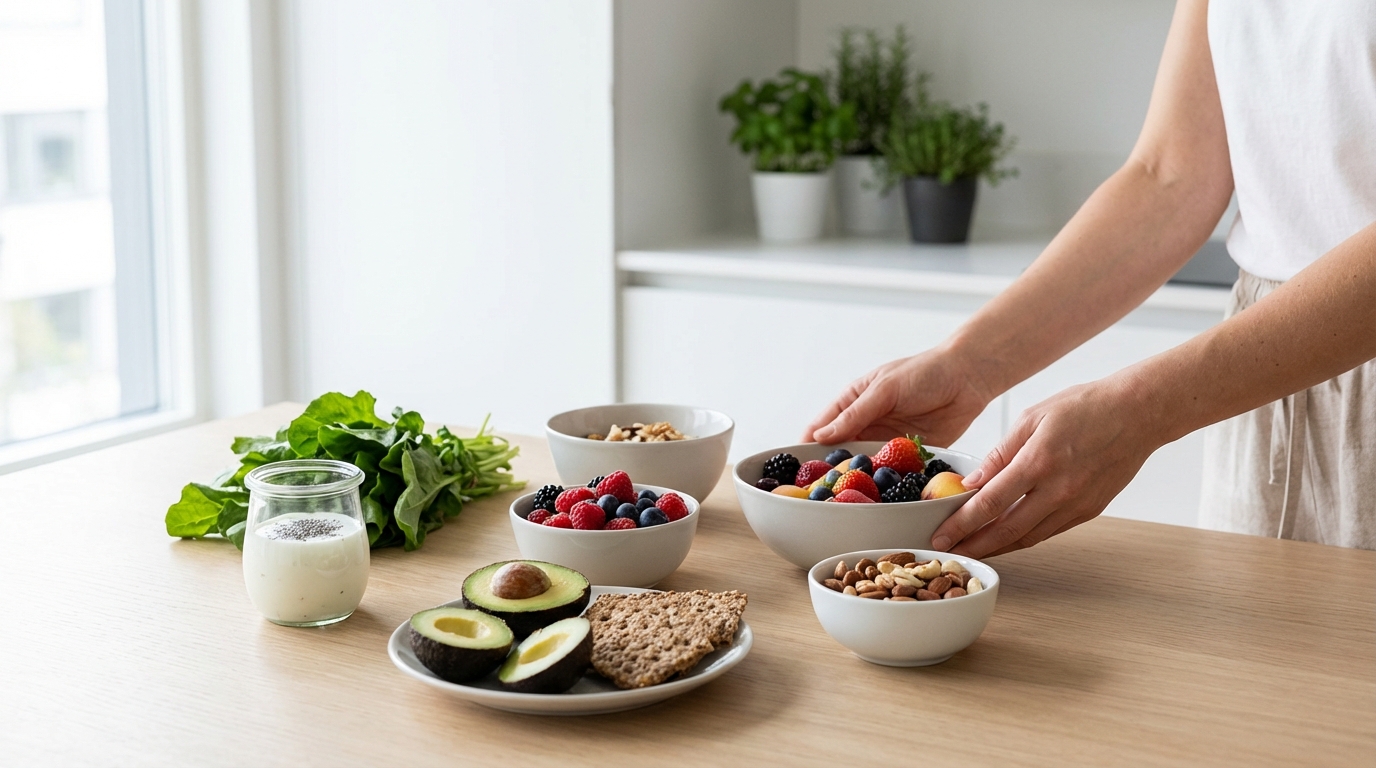
Examples of Healthy Australian Snacks
- Fresh Australian vegetables with hummus or bean dip (vegetable snack ideas)
- Low-fat plain Greek yoghurt with mixed berries
- Handful of raw or dry-roasted nuts (almonds, walnuts, cashews)
- Sliced apple or pear with a teaspoon of nut butter
- Wholegrain rice cakes with avocado and tomato slices
- Oven-roasted chickpeas with herbs and spices
- Hard-boiled eggs with a sprinkle of paprika
- Low-sugar popcorn (plain or lightly seasoned)
Interestingly, some produce can actually hinder progress—learn about fruits to avoid for weight loss.
Most of these snacks require minimal preparation and can be portioned in advance, making them practical for busy lifestyles. It’s also worth noting they are readily available in Australian supermarkets and fresh produce markets.
Secondary Intent 1: Prevention Strategies & Lifestyle Impacts
Preventing Unhealthy Snacking Habits
Adopting consistent, mindful eating patterns is key to preventing unintentional weight gain. Many everyday triggers for unplanned snacking—such as emotional stress, boredom, or fatigue—can prompt Australians to reach for foods that are higher in added sugars or saturated fats.
Structuring your day around regular, balanced meals that include vegetables, lean proteins, and whole grains can dramatically reduce impulses to snack without purpose. Accessible, healthy food preparation at home also helps prevent the temptation to choose less nutritious options from convenience stores or takeaways.
Health & Wellness Checklist: Australian Weight Loss Support
| Prevention Step | Practical Example |
|---|---|
| Plan meals ahead | Prepare a weekly food menu using fresh market produce |
| Stock healthy snacks | Keep carrot sticks and nut mixes in your fridge or bag |
| Monitor hydration | Drink water before snacks to check for true hunger |
| Pause before eating | Ask yourself if you’re hungry or just bored |
| Portion control | Serve snacks in small bowls instead of eating from a packet |
Following such strategies is recommended by health professionals to support long-term, sustainable weight management across all age groups in Australia.
Secondary Intent 2: Causes, Contributing Factors & Australian Context
Why Healthy Food Choices Matter in Weight Management
Supporting weight loss is not just about restriction. Quality of food impacts energy, mood, metabolic health, and chronic disease prevention. Highly processed snacks, often marketed as “diet” options, can be high in sodium, preservatives, or artificial sweeteners—posing a risk of undermining overall health and contributing to unhealthy cravings.
Social, environmental, and economic factors also play a role. Food insecurity, irregular working hours, or limited access to fresh produce may influence snack choices. For example, remote and regional Australians may face additional challenges in accessing fresh snacks. Recognising these realities can help tailor individual strategies and encourage use of the Healthy Weight resources provided by Healthdirect Australia.
Importantly, medical conditions like polycystic ovarian syndrome (PCOS), insulin resistance, or medications for mental health can also affect weight changes and hunger levels. In such cases, it’s essential to seek individualised recommendations from a registered healthcare provider.
Risk-Aware Intent: Risks, Concerns & When to Seek Medical Advice
Common Risks & Concerns with Weight Loss Snacks
While many healthy foods and snacks can support fat loss, there are several risks to be mindful of. Overconsumption, even of nutritious options, can lead to slow weight loss progress or plateauing despite healthy eating. Reliance on packaged “low-calorie” snacks may introduce excessive sodium or additives into the diet, which could negatively impact blood pressure or kidney health, especially for those with existing medical conditions.
There is also a risk of misinterpreting “healthy” as “unlimited”: dried fruit, nut butters, and high-protein bars, although natural or marketed as health foods, are calorie-dense and can quickly add up. Further, individuals with certain chronic health conditions—such as diabetes or high cholesterol—should pay close attention to the glycaemic index and fat content of snack choices.
Symptoms of low blood sugar (shakiness, dizziness, sweating), persistent hunger, sudden weight loss, or digestive discomfort can signal underlying problems not resolved by diet alone.
| Potential Symptom | Possible Underlying Concern | Action |
|---|---|---|
| Rapid or unexplained weight loss | Possible underlying medical condition | See your GP for assessment |
| Constant fatigue or weakness | Energy imbalance, undernutrition | Review diet with an accredited dietitian |
| Digestive upset (bloating, cramps) | Food intolerances or high-fibre adaptation | Seek advice for tailored support |
| Persistent hunger or cravings | Macronutrient imbalance or emotional eating | Discuss strategies with a health professional |
When to Seek Professional Medical Advice
If you or someone you care for experiences persistent symptoms despite healthy eating, or if you have complex health needs such as a chronic disease, pregnancy, or older age, consult your GP or an Accredited Practising Dietitian. Medical guidance is particularly important before drastic dietary changes, if experiencing rapid weight fluctuations, or if you notice signs of nutrient deficiencies.
Always prioritise safety—never ignore symptoms like ongoing fatigue, unexplained gastrointestinal issues, or new food intolerances, as these may indicate a need for medical assessment or tailored nutrition advice.
Practical Management: Everyday Tips and Access in Australia
Evidence-Aligned Strategies for Weight Management
Using resources such as the Australian Dietary Guidelines can assist you in planning a well-rounded diet without relying solely on willpower or restrictive eating patterns. Practical management of weight loss includes setting realistic expectations, monitoring progress, and seeking motivation through social or community support. Meal prepping is particularly effective for busy lifestyles, and partnering with a friend or family member can make healthy eating more sustainable.
It is recommended to shop the perimeter of supermarkets where you’ll find fresh fruits, vegetables, lean meats, and dairy alternatives. Labels should be read with care—compare ingredient lists and choose snacks with minimal added sugar, sodium, and preservatives.
Where cost or accessibility is a concern, look for seasonal produce or bulk-buy healthy staples. Many local councils and non-profit organisations offer classes or online resources to improve nutrition literacy—programs supported by the Department of Health and Aged Care are a good starting point.
Sample Day: Healthy Australian Snack Choices
- Morning: Sliced cucumber and cheese sticks
- Mid-afternoon: Homemade bliss balls using oats, dates, and sunflower seeds
- Evening: Natural popcorn sprinkled with nutritional yeast
Modifying snack options based on your personal preferences and health requirements ensures you remain engaged in healthy habits for the long term.
FAQs
What are the best healthy snacks for weight loss in Australia?
The most recommended healthy snacks for weight loss in Australia are those high in protein and fibre, such as boiled eggs, raw vegetable sticks with hummus, low-fat Greek yoghurt, fresh berries, and unsalted nuts. Choosing whole foods with minimal processing will support your weight loss journey.
Is snacking bad when trying to lose weight?
Snacking is not inherently bad for weight loss. In fact, planned snacks can help manage hunger and prevent overeating at main meals. The key is mindful selection—choose nutrient-rich foods in moderate portions, and be aware of your hunger cues.
Are “diet” snacks safe and effective for weight loss?
Packaged “diet” snacks could be lower in calories but may contain additives, sweeteners, and too much sodium. Whole food snacks are preferable. It’s always wise to read product labels and consider guidance from reputable health organisations such as Nutrition Australia when evaluating snack choices.
How can I tell if a snack is really healthy?
Look for snacks with short ingredient lists, little or no added sugar, low sodium content, and a balance of protein and fibre. Reading Australian Nutrition Information Panels is a helpful habit. When in doubt, refer to Eat for Health’s online resources.
When should I consult a professional about weight management?
Seek professional advice if you experience rapid weight loss, persistent fatigue, digestive issues, or have existing health conditions. Australian GPs and Accredited Practising Dietitians are best placed to provide tailored support and safe guidance.

