
Exploring a healthy food shop is becoming more popular among the general Australian public and health-conscious readers. This comprehensive article is designed for anyone seeking reliable, practical information about health food shops—including what they offer, their benefits, and safety considerations—within the Australian context. This guide aims to help you make informed choices about healthy food shopping for prevention, wellbeing, and day-to-day health, while highlighting when to consult a qualified health professional. This content is for informational purposes only and should not be considered a substitute for professional medical advice. By the end, you’ll understand what to look for in a healthy food shop, common myths and risks, and how these stores fit into a balanced approach to health in Australia.
Your Comprehensive Guide to Healthy Food Shops in Australia
What Is a Healthy Food Shop? Defining the Experience in Australia
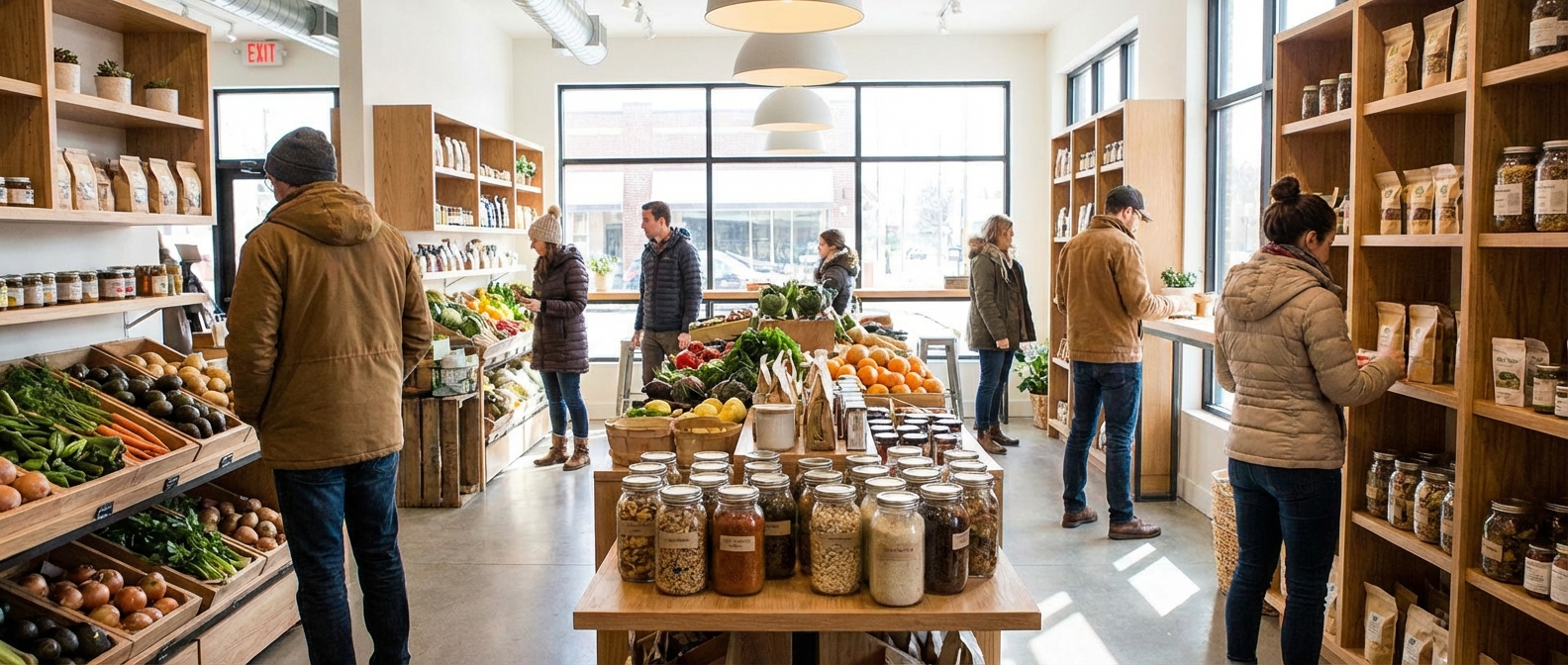
A healthy food shop, sometimes called a health food store or health shop, is a retail outlet specialising in products that support general wellbeing. This includes items like organic produce, natural foods, nutritional supplements, allergy-friendly items, and low-chemical household goods. Australians may search for a health food store near me, health food shop near me, or health store Sydney to find these destinations in their local area.
Most health stores offer options tailored to diverse dietary needs, such as gluten-free, vegan, or paleo-friendly products. Many also stock Australian-grown organic foods, herbal remedies, and specialised nutrition items for various life stages. Some leading outlets, such as the Australian government’s healthy eating resources, emphasise the importance of variety and balance in any diet—even when shopping at specialised stores.
Unlike major supermarkets, a typical organic health shop or natural foods provider often offers personalised support, with trained staff to answer questions about wholefoods, supplements, or eco-friendly lifestyle options.
Pro Tip: When visiting a health food shop, bring a list of your specific dietary requirements or existing medical conditions, and ask staff about product suitability. However, always follow up with a qualified healthcare professional for individualised nutrition advice.
Why Do Australians Choose Health Food Shops? Understanding Motivations and Causes
Australians turn to health food shops for a variety of reasons. Common motivators include a desire to improve nutritional intake, address food allergies or intolerances, or simply buy organic and ethically sourced products. Many people are drawn to these shops as a proactive way to support their health, echoing the guidance from groups like Eat for Health Australia, which recommends prioritising whole, minimally processed foods.
For some, a healthy food shop offers access to products not widely available in supermarkets—such as plant-based protein powders, fermented foods, or chemical-free skin care. Others prefer health stores for their close ties to the local community, commitment to sustainable practices, or focus on Australian-made brands.
Trend data shows city dwellers might search health food shop Sydney or health food stores in Sydney Australia, while those in Western Australia look for health stores Perth or organic health food shop online for convenience. The growth of online health food store options further supports access for regional and remote populations.
Key Causes for Choosing a Health Food Shop
- Managing food intolerances or allergies (e.g., gluten-free, nut-free)
- Seeking support for specific lifestyle needs (e.g., vegan, diabetic, athlete)
- Preference for organic, Australian-grown, or minimally processed foods
- Interest in eco-friendly, cruelty-free, or ethically sourced products
- Looking for natural alternatives to everyday products
While these are positive motivations, it’s important to note that purchasing from a health food shop is not a replacement for medical advice or care, particularly for those managing health conditions.
What to Expect: Typical Symptoms or Signs That a Healthy Food Shop May Help
Many Australians wonder if a health food store near me can help manage or prevent certain symptoms. These stores may be suitable as part of a healthier lifestyle if you experience:
| Common Symptom / Need | Potential Healthy Food Shop Support | When to Seek Medical Advice |
|---|---|---|
| Frequent fatigue or low energy | Wholefoods, iron- or B12-rich foods, natural snacks | If persistent, severe, or worsening |
| Food intolerance symptoms (e.g., bloating) | Allergy-friendly and specialty products | If severe, with other symptoms, or previously undiagnosed |
| Digestive discomfort | Probiotic foods, fibre sources, herbal teas | Unexplained pain, significant changes, or blood present |
| Optimising nutrition for health goals | Wide range of nutrient-dense snacks and supplements | If guidance is needed for medical nutrition therapy |
| Desire to eat more sustainably | Locally made, organic, eco-friendly products | Not usually associated with urgent symptoms |
These examples highlight how a health food shop or health food stores Perth might offer supportive options. However, if symptoms are ongoing or severe, consult qualified Australian health services such as Healthdirect Australia.
Who Should Consider a Health Food Shop? Risk Groups and Considerations
Anyone can benefit from healthier choices, but certain people may gain particular value from a health shop or health stores close to me. These groups often include:
- People with medically diagnosed food allergies or intolerances
- Vegetarians, vegans, or those reducing animal products
- Individuals wanting to avoid common food additives, preservatives, or pesticides
- Pregnant women, children, or older adults with specific nutritional needs
- Australians following therapeutic diets, as directed by a dietitian
Not everyone requires specialty health products—many healthy choices are available at local supermarkets. Before relying on supplements or specialty foods, always consult an accredited practising dietitian or healthcare provider for independent advice tailored to your situation.
Australian Access and Cost Considerations for Health Food Shops
Access to healthy food shops varies across Australia. Major urban centres have many options for health food stores in Sydney Australia or health food stores Perth. In contrast, rural or remote areas may rely more on healthy food online or online health food store Australia choices. Some insurance policies or health programs may subsidise nutrition services, but not usually retail purchases.
Prices at specialised shops can be higher than mainstream supermarkets due to organic certification, smaller batch production, or sourcing standards. Weighing the potential benefits against cost is a personal decision—consider supporting local and seasonal products to reduce expense where possible.
Prevention and Lifestyle Benefits of Healthy Food Store Shopping
Choosing a healthy food shop can play an important role in dietary prevention and overall wellness. Many Australians turn to these stores for guidance on natural foods, reducing processed sugar, minimising artificial additives, and incorporating more plant-based meals—all habits widely promoted by Australian Dietary Guidelines.
Healthy food shops often host wellness workshops, taste-testing events, or offer resources on reading food labels and understanding organic standards. These practical steps help consumers make informed decisions and avoid common pitfalls such as misleading health claims (mislabelled superfoods).
Integrating the offerings from a health store near me into daily habits supports prevention by:
- Encouraging variety and balanced eating
- Promoting fibre-rich and nutrient-dense foods
- Reducing reliance on ultra-processed or highly refined foods and drinks
- Empowering consumers to ask questions about food origin and preparation
Prevention Checklist: Smarter Healthy Food Shop Choices
- Review ingredient lists for unfamiliar additives
- Choose seasonal Australian-grown produce for peak nutrition
- Ask staff about reputable, certified products
- Stay informed with updates from Food Standards Australia New Zealand
- Avoid exceeding recommended doses on supplements
- Seek help from an accredited dietitian for special health needs
Risks, Safety and Limitations: What Health Food Stores Can and Cannot Do
Healthy food shops can be a valuable resource for wellbeing, but it’s important to understand their limitations. Certain risks or misconceptions can arise, such as over-reliance on supplements, unverified natural remedies, or misinterpreting health claims. Shopping at a health food shop does not guarantee prevention or cure of any medical condition.
Potential risks to be aware of include:
- Supplements interacting with prescription medications
- Excess nutrients causing adverse side effects
- Mislabelling or unregulated imported products
- Mistaking “natural” for “safe”—even natural products can have contraindications
- Delaying appropriate medical care by self-treating symptoms
If you are experiencing unexplained pain, prolonged fatigue, recurrent allergic symptoms, or have concerns about food or supplement safety, seek professional medical advice promptly.
For robust consumer protection, reputable healthy food shops will comply with Australian food safety laws and discourage unverified health claims. If in doubt, check for clear labels, certification logos, and staff training.
Comparison Table: Healthy Food Shop vs Supermarket vs Online Store
| Aspect | Healthy Food Shop | Supermarket | Online Health Food Store |
|---|---|---|---|
| Product Range | Specialty and natural foods, supplements, organic | General groceries, less focus on specialty health | Wide, can include both specialty & mass-market products |
| Staff Expertise | Often trained in nutrition or wellness | General retail staff | Variable; some offer dietitian support via chat |
| Availability | Urban/suburban, some regional | Nationwide, most areas | Accessible Australia-wide, including remote |
| Cost | Moderate to premium | Usually lower | Moderate to premium (plus shipping) |
| Personalisation | High; can discuss needs on site | Low | Low-medium (depends on website support) |
Making Safe and Informed Choices: When to Seek Professional Help
While engaging with a health food shop or searching for a health shop Sydney, remember that these services complement but do not replace formal medical guidance. Always consult your GP or an accredited dietitian if you:
- Notice ongoing symptoms such as fatigue, digestive changes, or weight loss
- Have been diagnosed with a chronic illness requiring specific nutrition therapy
- Are considering high-dose supplements or herbal remedies while on medication
- Develop new allergies or intolerances
- Are pregnant, breastfeeding, or have special dietary needs
For more information, you may access support through services like the Nutrition Australia helpline or Australian Department of Health’s nutrition advice pages.
FAQ
What is the difference between a health food shop and a supermarket?
While supermarkets carry everyday groceries, a health food shop specialises in natural, organic, speciality, and allergy-friendly products, often with more staff expertise in nutrition.
Are supplements from health food stores always safe?
No. Even “natural” supplements can interact with medicines or cause side effects. Always check with your doctor or accredited dietitian before starting new supplements.
Can I manage medical conditions just by shopping at a healthy food shop?
No. While healthy food choices may support wellbeing, medical conditions should be managed with guidance from qualified health professionals.
Is it more expensive to shop at a health food store?
Health food stores often have higher prices due to specialty products and quality standards, but Australian-grown seasonal items can sometimes be more affordable.
Are online health food stores a good option for remote Australians?
Yes, many online health food stores offer delivery to regional and remote areas, increasing access to specialised products. Check for reputable brands and clear ingredient listings.