

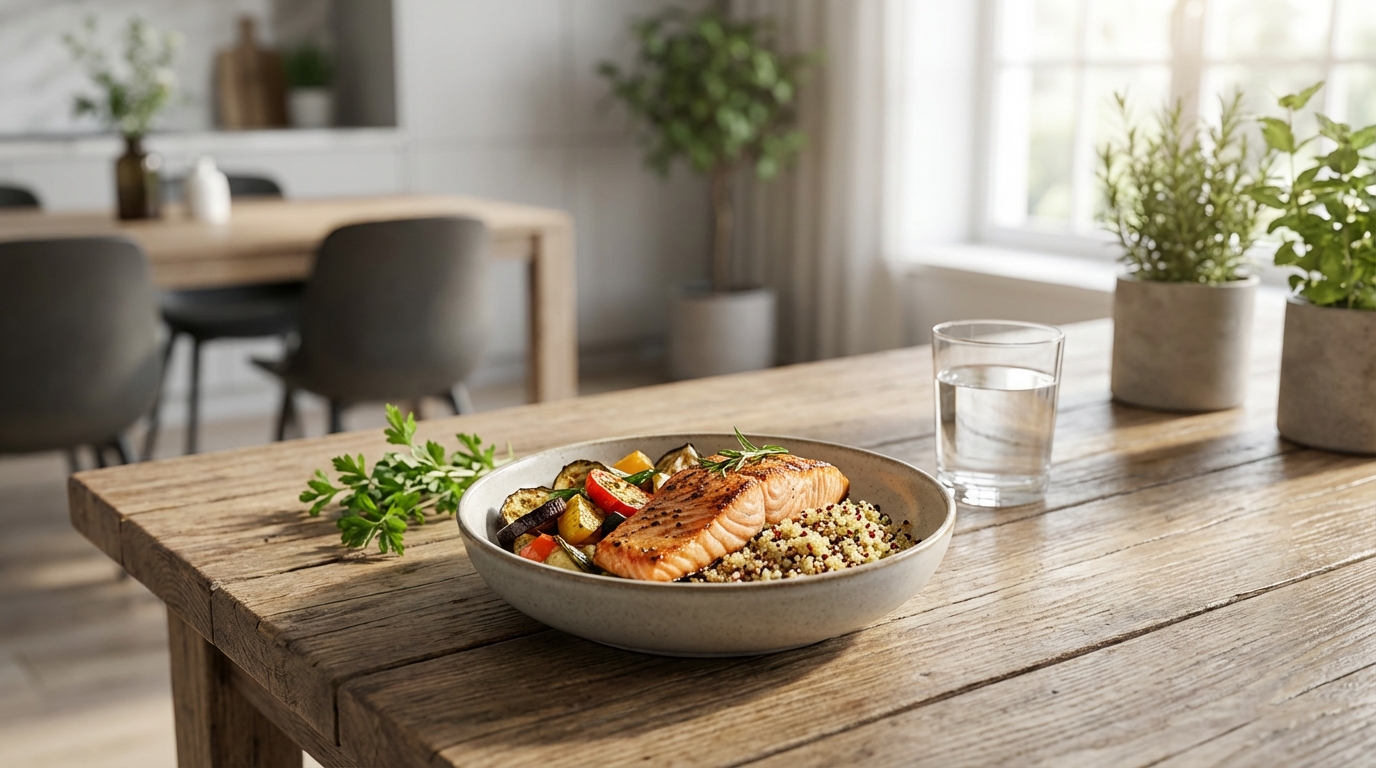
Looking for healthy dinner options near me is increasingly popular among Australians who are health-conscious, managing specific conditions, or simply aiming for balanced nutrition. This guide is designed for the general Australian public, carers, and individuals seeking practical and reliable information on making healthier dinner choices. The information provided here is for educational purposes only and is not a substitute for professional medical advice. By the end of this article, you’ll gain a better understanding of what makes a healthy dinner, how to find nutritious options open now, and how to make decisions that support your wellbeing and safety.
Understanding Healthy Dinner Options: Meeting Australian Needs
Eating healthily in the evening offers benefits that extend from improved energy to long-term disease prevention. Across Australia, the demand for healthy dinner options near me reflects a rising awareness of diet’s role in health, weight management, and disease risk. This shift has led to more restaurants, meal delivery services, and takeaways incorporating healthy and high-protein meals into their menus—though the depth and quality of these choices can still be confusing for many Australians.
What Defines a “Healthy Dinner” in Australia?
A healthy dinner typically refers to an evening meal that is nutrient-dense, balanced, and aligns with established dietary guidelines, such as those provided by the Australian Dietary Guidelines. Key characteristics of a healthy dinner include:
- A variety of vegetables (including different colours and types)
- Wholegrains or high-fibre carbohydrates (such as brown rice or quinoa)
- Lean protein sources (for example, chicken, fish, beans, or tofu)
- Healthy fats (like olive oil, avocado, or unsalted nuts)
- Limited added salt, sugar, and highly processed ingredients
For many Australians, finding healthy food open now near me that ticks all these boxes can feel overwhelming, especially when factors like cost, location, and dietary preferences are thrown into the mix.
The Role of High Protein Options
High-protein foods have gained popularity among those pursuing weight management, muscle health, and general wellbeing. Typical high-protein dinner items available near you may include grilled fish, lean meats, pulses, tofu-based dishes, or well-balanced bowls from salad bars. However, it’s important to balance protein with adequate fibre, healthy fats, and carbohydrate sources to maintain a complete, satisfying meal.
Pro Tip: When ordering out, look for menu keywords like ‘grilled’, ‘steamed’, or ‘roasted’ instead of ‘fried’ or ‘creamy’ for healthier high-protein choices.
Recognising Symptoms of Poor Nutrition and When to Adjust
Choosing unhealthy dinner options repeatedly can have immediate and long-term impacts. Some Australians may experience warning signs that their diet is not meeting their needs, but these symptoms may be subtle and easily misattributed. Recognising early indicators can support preventative action and timely dietary adjustments.
| Symptom | Possible Link to Dinner Habits | When to Seek Help |
|---|---|---|
| Persistent fatigue | Low energy meals, high in sugar/fat | If lasting weeks or affecting daily life |
| Poor concentration | Meal skipping or high refined carbs | When work or safety is impacted |
| Digestive issues | Low fibre, processed foods | With severe or ongoing discomfort |
| Unexpected weight changes | Imbalanced meal portions | Rapid gain/loss needs clinical review |
Keeping an eye on these patterns may prompt you to review your eating habits, but it’s always wise to check with a health professional for persistent or severe symptoms. You can find general dietary advice through the Healthdirect Australia healthy eating resources.
Causes and Contributory Factors: Why Some Dinner Choices Are Unhealthy
A host of factors can make healthy dinners less accessible or appealing:
- Time pressures: Many Australians work late or juggle family commitments, opting for convenience foods (such as fast foods or processed takeaways).
- Availability and cost: Lower-income households or rural areas may have reduced access to fresh produce and affordable healthy meals.
- Lack of nutritional knowledge: Ambiguous menu descriptions and confusing marketing terms (‘superfood’, ‘natural’, etc.) often muddy the waters when making healthy choices.
- Food preferences and intolerances: Dietary requirements (gluten-free, vegan, allergies) may further narrow healthy options.
Poor dinner choices over time are associated with higher risks of chronic conditions like obesity, heart disease, and type 2 diabetes—highlighting the importance of practical, sustainable approaches to dinner decision-making.
Australian Context: Where Are the Best Choices Available?
Urban Australians can typically access a wider range of healthy food open now near me via quick-service restaurants, dedicated health food cafés, supermarkets, and online delivery platforms. Regional and rural residents may face greater barriers, but growing networks like the Heart Foundation’s healthy eating resources and community-supported agriculture schemes are widening choices. Always consider local food advisories and cultural preferences when evaluating dinner options nearby.
Prevention and Safe Lifestyle Management: Making Healthier Choices
Preventative strategies are key to reducing the risk of diet-related diseases and improving day-to-day wellbeing. Some high-level guidance for making healthier dinner decisions includes:
- Plan ahead: Keep easy, nourishing staples at home and set a rough meal schedule each week.
- Understand ingredients: Look for menu transparency, especially around sodium, added sugars, and saturated fats.
- Embrace balanced portions: Prioritise plates where half consists of vegetables or salads.
- Swap out: Choose water or unsweetened tea over soft drinks with dinner.
- Review dietary patterns: Regularly ask yourself if you’re eating a range of different coloured vegetables, lean proteins, and wholegrains at dinner time.
Australians seeking high protein food near me might opt for grilled lean meats, baked fish, tofu stir-fries, or legume-rich salads. Choosing meals with legumes and wholegrains optimises both protein and fibre intake, supporting fullness and digestive health.
| Management Option | Relative Healthiness | Pros | Cons |
|---|---|---|---|
| Home-cooked meals | Generally highest | Full control of ingredients; can batch-cook | Requires time and planning |
| Healthy dine-in/takeaway | Varies widely | Convenience; social experience | Relies on menu transparency, may have hidden sodium/fats |
| Meal delivery services | Moderate to high | Pre-portioned, labelled nutrition info | Cost; packaging waste |
Checklist: Making Your Dinner Choice Healthier
- Check for wholefood ingredients, visible vegetables, and lean proteins
- Avoid highly processed foods, creamy sauces, or excessive fried items
- Ask for dressings and sauces on the side
- Request grilled, baked, or steamed cooking methods where possible
- Be mindful of portion sizes—take leftovers home or share dishes at restaurants
Risks, Concerns, and When to Seek Professional Advice
While shifting towards healthy dinner options near me brings benefits, there are risks if changes are not balanced or suitably tailored:
- Restrictive diets: Overly limiting food groups (for example, extreme low-carb or all-juice plans) can lead to deficiencies, tiredness, or increased risk of malnutrition.
- Self-diagnosis or online trends: Following generic health advice or social media fads may not align with your individual medical history or nutritional needs, potentially worsening existing health conditions.
- Food allergies and intolerances: Inaccurate menu labelling, especially for gluten or nuts, carries risks for people with allergies. When in doubt, consult staff or choose outlets with allergy-friendly certifications.
If you notice ongoing symptoms such as unexplained fatigue, gastrointestinal issues, or unintended weight loss or gain—including after changing up your dinner choices—seek guidance from a GP or an Accredited Practising Dietitian. They can help evaluate your patterns, offer safe tailored advice, and refer you to reliable resources like Better Health Channel if needed.
Access and Cost Considerations for Australians
Cost and accessibility often dictate where and what Australians eat for dinner:
- City vs regional access: Capital cities usually offer the greatest variety and number of healthy food spots, while regional or remote communities may have fewer options, leading to higher prices and less menu diversity.
- Price differences: While many think healthy food is always expensive, simple options like homemade salad bowls, bean-based stews, and vegetable stir-fries can be affordable. Many supermarkets now stock pre-packed healthy meals under $10, and some restaurants offer “healthy specials” for early diners.
- Government and community initiatives: Several health campaigns—such as the Dietitians Australia resources—provide guidance and even discounts on healthy ingredients or meals for specific population groups.
Always compare prices, portion sizes, and nutrition information before ordering or buying pre-prepared meals. Saving receipts and tracking meal choices across a week can also highlight where healthier, budget-friendly options may be swapped in.
FAQ
- What should I look for when searching for healthy dinner options near me?
- Focus on balanced meals featuring a variety of vegetables, lean proteins, wholegrains, and minimal added sugar or saturated fat. Look for menu details or ask staff about ingredients and preparation methods.
- Are high-protein dinner options always healthier?
- High-protein meals can support muscle health and satiety, but true “healthiness” depends on overall balance, including enough fibre, vitamins, and healthy fats. Excessive protein may not suit everyone, especially those with certain medical conditions.
- How do I know if a food outlet is genuinely offering healthy options?
- Choose venues that clearly list nutrition information, specify healthy cooking methods (like grilling or steaming), and offer vegetables or salads as standard sides. Look for health foundation endorsements or menu accreditation where available.
- Is it safe to follow social media ‘healthy dinner trends’?
- Trends may not be evidence-based and can sometimes be restrictive or unbalanced. Always cross-check advice against reputable sources (like government guidelines or registered dietary professionals) and consider personal health needs before following trends.
- When should I seek professional dietary advice regarding dinner choices?
- If you experience ongoing symptoms (digestive discomfort, tiredness, unexplained weight changes) or need to manage a specific health condition, speak to a GP or an Accredited Practising Dietitian for individualised support.