
Exploring a healthy cooking cookbook can empower Australians to make more informed decisions about nutrition and wellness. This resource is intended for the general Australian public, including health-conscious individuals, families, and carers interested in enhancing their knowledge around balanced cooking. Please note, the following information is intended to guide and educate but should never replace advice from a qualified healthcare professional. By the end of this article, you’ll understand the key benefits, preventive aspects, common concerns, and practical ways to choose and use a cookbook healthy for your unique needs—all with a clear Australian context.
Healthy Cooking Cookbooks in Australia: A Comprehensive Guide to Prevention and Wellness
Understanding the Role of Healthy Cooking Cookbooks
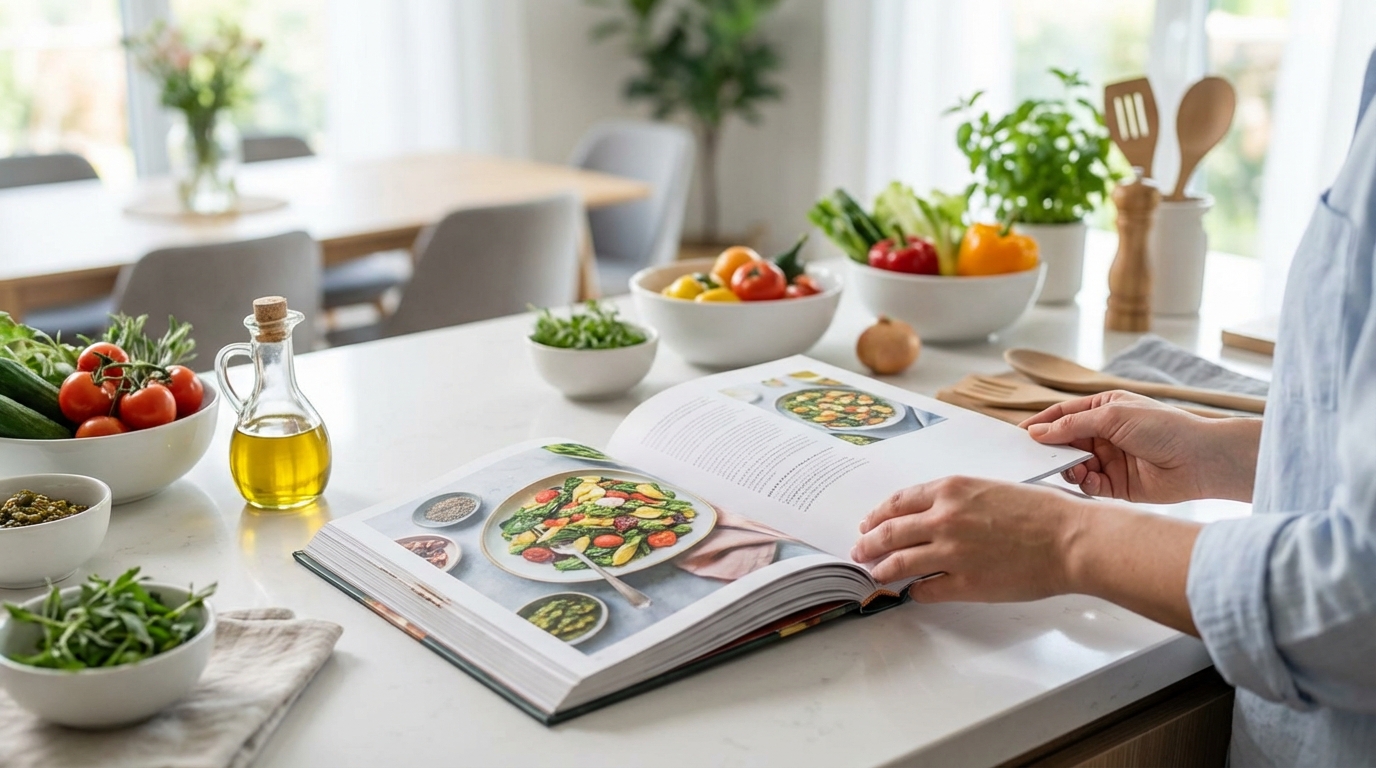
Healthy cooking cookbooks have become vital tools in Australian kitchens, offering structured pathways to nutritious meals that support family, community, and individual wellness. These resources are designed to help people reduce chronic disease risks, improve dietary variety, and make informed food choices—aligning with the Australian Dietary Guidelines. Increasingly, a cookbook healthy in focus will showcase meal plans, tips on balanced nutrition, ingredient swaps, and sensible portion sizes.
These cookbooks are not just for those with medical needs or dietary challenges; they are valuable for all Australians seeking general wellbeing. Titles emphasising “healthy cooking” provide practical approaches to everyday meals, cultural diversity in recipes, and budget-conscious planning suited to local produce and climate.
Limitation: While cookbooks can guide eating habits, interpreting recipes or health claims incorrectly may lead to unbalanced diets or nutritional gaps. If you have underlying health conditions or allergies, seeking tailored nutrition guidance from an accredited practising dietitian is recommended.
Who Should Consider Healthy Cooking Cookbooks?
Healthy cooking cookbooks are suitable for a wide audience, from beginners to experienced home cooks. They serve especially useful roles for:
- Families managing busy routines seeking quick, nutritious meal ideas
- People aiming to manage or prevent chronic conditions, such as heart disease or type 2 diabetes
- Australians interested in weight management or increasing physical activity
- Individuals curious about plant-based, allergy-friendly, or culturally diverse options
- Older adults aiming to maintain independence and support healthy ageing
Real-life scenario: An Australian family looking to reduce grocery costs and cut back on processed foods may turn to a healthy cooking cookbook for seasonal meal planning and smarter lunchbox options. Local cookbooks often factor in affordable, widely available produce like pumpkin, sweet potatoes, and leafy greens.
Risk clarification: Not all cookbook healthy labels guarantee sound nutrition. Carefully review content for evidence-based advice, and consider consulting a health professional for personal dietary needs, especially when managing medical conditions.
Core Features of a Quality Healthy Cooking Cookbook
To support dietary variety and health, a trustworthy healthy cooking cookbook in Australia will usually include:
- Recipes developed in consultation with registered dietitians, nutritionists, or public health bodies
- Clear nutritional information per serve (energy, protein, fibre, fat, sodium, sugar, etc.)
- Focus on fresh, locally sourced ingredients
- Guidance on portion sizes and healthy swaps
- Tips on preparing plant-based meals and reducing saturated fat, salt, and added sugars
- Explicit allergy information and substitution guidance
Limitation: While most contemporary Australian cookbooks strive for accuracy, recipes and nutrition panels may not suit all individuals’ needs. Always double-check measurements and modify recipes where necessary for allergies or health concerns.
The Heart Foundation and Cancer Council Australia both share resources on what to look for in health-promoting recipes, including ingredient advice and safe cooking techniques.
Benefits of Using a Healthy Cooking Cookbook
Whether you’re an experienced cook or just starting out, using a healthy cooking cookbook can deliver a range of benefits. These extend from preventative health advantages to improved food skills, fostering positive lifelong habits.
- Chronic disease risk reduction: Structured, evidence-based recipes can help prevent diet-related illnesses such as cardiovascular disease and high cholesterol.
- Enhanced meal planning: Access to diverse meal ideas and seasonal plans reduces dependence on ultra-processed foods.
- Budget-friendly options: Many cookbooks use staple Australian ingredients which can help save money and reduce food waste.
- Family and social engagement: Cooking together from a well-designed cookbook encourages healthier habits and can foster a lifelong love of food.
- Building food skills: Step-by-step guidance helps improve kitchen competence and confidence.
Limitation: Benefits are only as strong as the cookbook’s evidence base and the reader’s ability to follow recommendations within their own circumstances.
Prevention and Safe Lifestyle Management Through Cookbooks
Prevention is a key motivator behind the widespread adoption of healthy cooking cookbooks. Australians are increasingly aware that daily food choices, guided by expert resources, can help lower the risk of preventable conditions, from obesity to certain cancers.
Lifestyle guidance within reputable cookbooks often aligns with:
- Eating more whole foods (vegetables, whole grains, nuts, legumes)
- Cooking with less added salt, sugar, and unhealthy fats
- Portion control cues and mindful eating prompts
- Safe food storage, preparation, and allergy awareness
| Prevention Focus | Cookbook Feature | Example Benefit |
|---|---|---|
| Cardiovascular Health | Low-saturated fat & salt recipes | May help maintain healthy blood pressure |
| Healthy Weight Management | Balanced portion guidance | Supports energy balance and satiety |
| Food Allergy Safety | Clear allergen substitutions | Reduces risk of accidental exposure |
| Diabetes Risk Reduction | Low GI & wholegrain options | Helps control blood sugar levels |
Cookbook nutrient analysis and community-supported meal plans are emerging features Australians value when looking to build sustainable, healthy eating routines using trusted recipes.
Pro Tip: When choosing a healthy cooking cookbook, check if it provides flexibility for dietary patterns common in Australia, such as gluten-free, low FODMAP, or Mediterranean-inspired meal plans. This can help you adapt recipes for family members with unique needs.
Risks, Limitations, and When Professional Advice Matters
While cookbooks designed for healthy cooking deliver a wealth of practical, preventative ideas, potential risks deserve consideration:
- Misinterpretation of health claims: Some titles may overstate the benefits or promise results not supported by research. Always compare recommendations against guidance from bodies like NHMRC.
- Unaddressed allergies or intolerances: Not all recipes can accommodate every dietary restriction. Even carefully written books may contain cross-contamination risks or vague allergy statements.
- Inadequate nutritional balance: Following restrictive or fad diets from some cookbooks may increase risk of nutritional deficiencies, especially for children, pregnant women, or those with chronic illness.
- Unrealistic serving sizes or preparation times: Certain cookbooks not trialled in Australian home environments may overestimate what’s practical or affordable.
Ingredient accessibility in Australia should be a core consideration, as imported recipe books may not align with locally available foods or budget constraints.
When to seek medical help: If you experience any unexplained symptoms (such as persistent digestive upset, fatigue, or allergic reactions) after changing your diet, consult your GP or a qualified dietitian before continuing with the cookbook approach.
Checklist: Choosing and Using a Healthy Cooking Cookbook Safely
- Look for Australian or evidence-based diet guidelines in the introduction
- Check for input or endorsement from registered dietitians or nutritionists
- Review allergy and substitute notes carefully before cooking
- Assess ingredient accessibility and affordability for your area
- Favour cookbooks including nutritional information per serve
- Avoid books that promote elimination diets without medical supervision
- Be wary of recipes that promise quick or dramatic health outcomes
- Adapt recipes to your needs, considering any limitations in the book
- If uncertain about health impacts, discuss changes with a qualified healthcare provider
Comparison Table: Cookbook Healthy Features vs Common Risks
| Feature | Benefits | Possible Risk |
|---|---|---|
| Dietitian-approved recipes | Reliable nutrition guidance | May lack variety for specific preferences |
| Ingredient substitution advice | Safer for allergies/intolerances | Substitutes may not be available locally |
| Nutrition panels per serve | Supports meal planning & tracking | Values may not fit individual needs |
| Budget-friendly shopping lists | Reduces food waste and costs | May limit culinary diversity |
| Step-by-step cooking methods | Builds food skills & confidence | Overly simplified for advanced cooks |
FAQ
What makes a cookbook healthy by Australian standards?
A cookbook is considered healthy by Australian standards when its recipes and advice align with nationally recognised nutrition guidelines. This includes using plenty of vegetables, lean proteins, whole grains, and limiting salt, sugar, and saturated fat. Locally produced ingredients and registered dietitian involvement are also valued features.
Are all healthy cooking cookbooks suitable for specific dietary needs?
Not all healthy cooking cookbooks cater for unique dietary needs. It’s important for individuals with allergies, intolerances, or medical conditions to check for allergen statements and substitution guidance. If unsure, seek input from a qualified health professional before following new eating patterns.
Can healthy cookbooks help prevent chronic disease?
While healthy cookbooks themselves can’t guarantee disease prevention, following balanced, evidence-based recipes may support better heart, digestive, and metabolic health when paired with an active lifestyle and regular medical care.
How can I spot misleading claims in a cookbook?
Be cautious of cookbooks promising fast cures, dramatic weight loss, or including advice that contradicts trusted Australian health sources such as the Australian Guide to Healthy Eating. Always confirm suspicious claims with a health professional.
When should I seek guidance beyond a cookbook?
If you experience unexplained symptoms, manage a chronic medical condition, or have complex dietary needs, consult a doctor or accredited dietitian before making significant changes based on cookbook advice.