

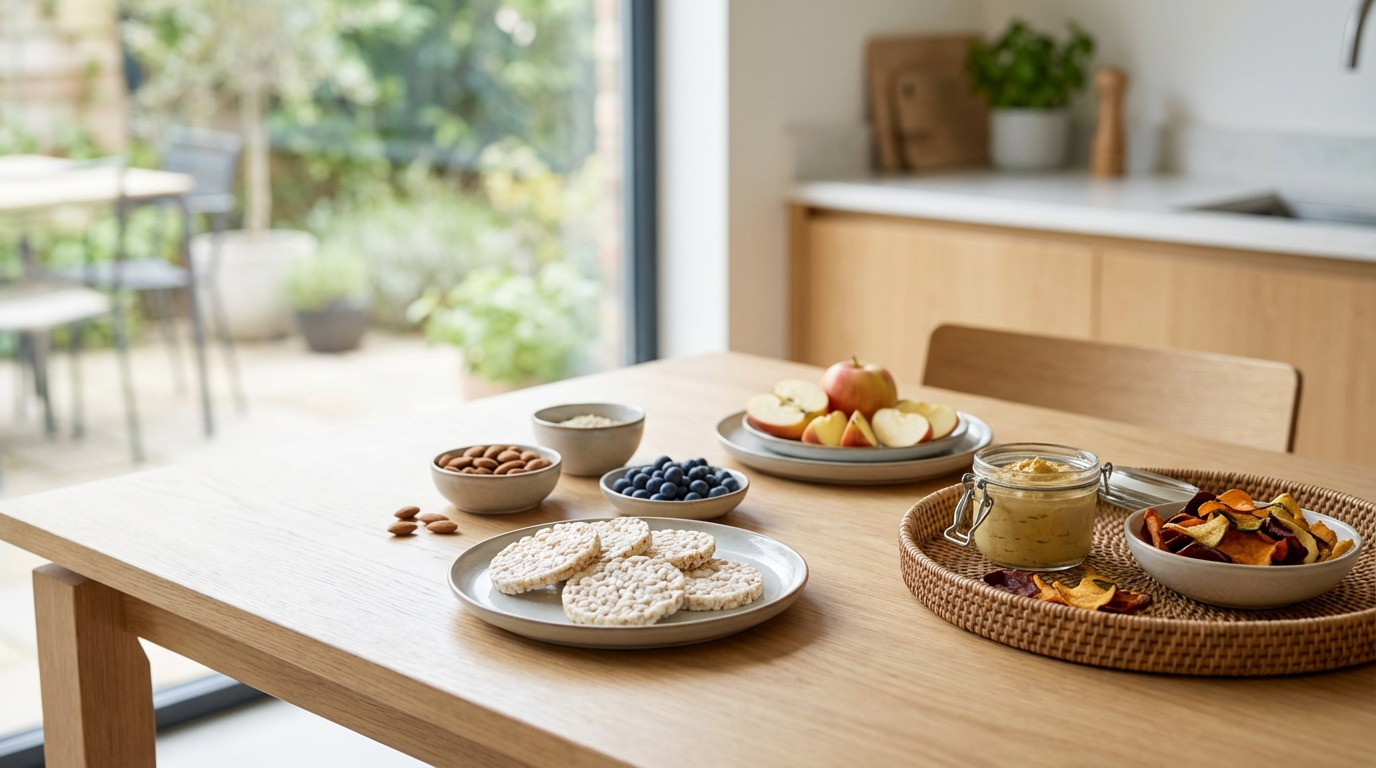
Gluten free snacks are an essential topic for many Australians, whether you’re managing coeliac disease, gluten intolerance, or simply choosing to Live Well. This guide is designed for the general Australian public, including individuals, carers, and health-conscious readers seeking trustworthy, up-to-date information on gluten free snacking. Please note: this article is for educational and informational use only—it does not replace advice from your GP, specialist, or qualified health professional. By reading on, you will understand what gluten free snacks are, their importance in the Australian context, possible warning signs linked to gluten, how to choose safe products, and practical steps for supporting a gluten free lifestyle safely and confidently.
Understanding Gluten Free Snacks in Australia
The demand for gluten free snacks across Australia has grown significantly, fuelled by increasing awareness of gluten-related health conditions and rising interest in digestive wellness. Whether you are living with coeliac disease, experiencing gluten sensitivity, or simply aiming to reduce gluten as a preventative measure, knowing how to select appropriate snacks can make a real difference in your health and wellbeing.
Gluten is a protein found in grains such as wheat, barley, rye, and their derivatives. While gluten poses no harm to most people, it can cause serious health issues for individuals diagnosed with coeliac disease or non-coeliac gluten sensitivity. In these groups, consuming gluten—even in trace amounts—can trigger symptoms or complications that may affect long-term health.
Snacking is a regular part of the Australian lifestyle, but off-the-shelf options can be confusing. Labels, manufacturing standards, and cross-contact risks mean it’s important to stay informed and vigilant. Beyond obvious sources like bread or biscuits, gluten can hide in processed foods, chips, and snack bars, making safe snack selection vital—especially for those at-risk.
Symptoms and Warning Signs Related to Gluten Consumption
Recognising the signs and symptoms of gluten-related conditions matters. For many, the first motivation to seek out gluten free snacks or a gluten free diet stems from discomfort or persistent health issues that could be linked to gluten exposure.
| Symptom | Possible Condition | Warning Sign |
|---|---|---|
| Abdominal pain, bloating | Coeliac Disease, Non-Coeliac Gluten Sensitivity | Persistent after gluten consumption |
| Chronic diarrhoea or constipation | Coeliac Disease, Irritable Bowel Syndrome (IBS) | May improve with a gluten free diet |
| Fatigue, headaches | Gluten Intolerance, Nutrient Deficiency | Linked to accidental gluten exposure |
| Skin rashes (such as dermatitis herpetiformis) | Coeliac Disease | Consult your GP for persistent or unexplained rashes |
| Joint pain or “brain fog” | Non-Coeliac Gluten Sensitivity | Monitor if symptoms improve on a gluten free diet |
It is essential to remember that symptoms can vary widely and overlap with other digestive or autoimmune conditions. If you are experiencing any persistent or severe symptoms, it’s best to consult a health professional for proper assessment—not self-diagnose or remove gluten on your own, as this can complicate accurate testing.
Pro Tip: Keeping a detailed symptom and food diary can help your GP or dietitian identify patterns and provide safer, evidence-based guidance for further testing or management options.
What Causes a Need for Gluten Free Snacks?
The underlying causes driving Australians to seek gluten free snacks include medical, preventative, and lifestyle reasons. Understanding these reasons supports better, individualised choices regarding snack selection and overall wellbeing.
Coeliac Disease
Coeliac disease is an autoimmune condition affecting around 1 in 70 Australians, according to leading health sources. When people with coeliac disease consume gluten, their immune system attacks the small intestine, leading to damage and poor nutrient absorption. The only management approach currently recognised by Australian medical guidelines is a strict, lifelong gluten free diet—including all snacks and convenience foods.
Non-Coeliac Gluten Sensitivity
Some individuals experience symptoms after eating gluten, even if tests for coeliac disease or wheat allergy are negative. This is called non-coeliac gluten sensitivity. Symptoms—often including gastrointestinal discomfort, brain fog, or joint pain—typically resolve once gluten is removed from the diet. However, non-coeliac gluten sensitivity is a diagnosis of exclusion. It is important to work with a doctor or dietitian before making dietary changes to ensure other causes are ruled out.
Allergies and Intolerances
Wheat allergy is less common than coeliac disease but can cause immediate allergic reactions when wheat-containing foods—including some snacks—are consumed. Other intolerances, such as fructan sensitivity, may also lead individuals to seek gluten free foods, as these may sometimes overlap in food sources. In all cases, laboratory diagnosis and medical supervision are crucial for symptom clarity and avoidance of unintended risks.
Lifestyle and Preventative Choices
Beyond medical necessity, some Australians opt for gluten free snacks as part of broader healthy eating preferences or in the hope of preventing digestive issues. While gluten free snacks are essential for those with diagnosed coeliac disease or gluten sensitivities, there is no strong scientific evidence that going gluten free prevents disease in people without these conditions. The Australian Dietary Guidelines recommend seeking professional advice before making significant changes for non-medical reasons.
Who Should Choose Gluten Free Snacks?
While anyone can enjoy gluten free snack foods, there are specific groups in Australia who benefit most from vigilant gluten avoidance.
- People medically diagnosed with coeliac disease or dermatitis herpetiformis
- Those with proven non-coeliac gluten sensitivity (diagnosed after exclusion of other causes)
- Individuals with diagnosed wheat allergy
- Immediate family members of people with coeliac disease, due to genetic risk
- Carers and parents preparing food for children with medically confirmed gluten-related disorders
For the general Australian public without these conditions, gluten free snacks can be an enjoyable part of a varied diet. However, it’s important not to assume that all gluten free products are healthier—processed gluten free snacks can still be high in sugar, fat, or salt, just like their conventional counterparts.
Choosing Safe Gluten Free Snacks in Australia
Navigating the snack aisle is not always straightforward. The Australian food labelling system helps, but challenges remain with hidden gluten, cross-contact, and product recalls.
Understanding Food Labelling
In Australia, packaged foods labelled “gluten free” must contain no detectable gluten as defined by national food standards. Look for clear gluten free labelling, check ingredient lists for wheaten products, and stay alert for advisory statements about shared equipment or potential cross-contact. The Food Standards Australia New Zealand website provides guidance on reading food labels correctly.
Common Safe Gluten Free Snack Choices
- Rice cakes, corn chips (gluten free labelled brands only)
- Fresh fruit, vegetable sticks, and hummus
- Roasted chickpeas, nuts, or seeds (unflavoured for lowest risk)
- Popcorn (plain and prepared without added flavourings containing gluten)
- Dairy snacks such as plain yoghurt or cheese sticks
- Commercially produced gluten free snack bars or crackers (check for Australian certification)
Cross-contact remains a concern for people with coeliac disease and similar conditions, as even small traces of gluten can be harmful. This is particularly critical in shared households, workplaces, or when travelling.
Snack Preparation and Storage Tips
Storing gluten free snacks separately and using dedicated utensils at home can further reduce the risk of accidental gluten exposure. Where possible, buying snacks from reputable Australian companies with transparent gluten free policies provides greater assurance. When in doubt, resources such as Allergy & Anaphylaxis Australia are helpful for current food alert updates.
Checklist: Safer Gluten Free Snacking
Use this practical checklist to make everyday choices easier and safer:
- Always check food labels for gluten free certification (especially new or international brands)
- Keep snack preparation areas and utensils separate from gluten-containing foods
- Stay aware of ingredient changes—manufacturers sometimes alter recipes without notice
- Consult the Coeliac Australia Food Directory or app for up-to-date, local product information
- Be cautious with bulk bins or unpackaged foods due to cross-contact risks
- If unsure, contact product manufacturers directly or choose naturally gluten free wholefoods
- Work with a dietitian for personalised nutrition guidance, especially for children or multiple allergies
Potential Risks and Safety Concerns
Like all dietary approaches, gluten free snacking is not without limitations and risks—especially if undertaken without clear medical need or professional oversight. Common challenges in Australia include:
- Possible nutritional gaps—many gluten free foods lack essential fibre, iron, or B vitamins found naturally in wholegrains
- Hidden ingredients—sauces, flavourings, and some “natural” additives can contain or be derived from gluten
- Misinterpretation risks—assuming gluten free means healthier, or that it is required for all digestive symptoms
- Cost and access—some gluten free snacks are more expensive or less available in rural areas (cost barriers)
- Potential for social exclusion or difficulty eating out safely
If you or someone in your family is relying on gluten free snacks for health reasons and experiencing ongoing symptoms or nutritional challenges, speak to a healthcare professional. Unexplained weight loss, ongoing digestive upset, or faltering growth in children are always reasons to seek review.
| Concern | Who It Affects Most | Strategy |
|---|---|---|
| Nutritional Deficiency | Children, pregnant women, older adults on restricted diets | Dietitian assessment, add fortified foods or supplements as advised |
| Unlabelled Gluten in Takeaway Foods | All, but especially those with coeliac disease | Ask staff to confirm gluten free status, use trusted takeaway guides |
| Psychological or social impact | Teens, families, people in shared workplaces | Open communication, support networks, use practical planning tools |
| Cost barriers | Low-income households, rural residents | Prioritise naturally gluten free options, shop at discount outlets |
Australian Management and Prevention Approaches
The cornerstone of effective management for coeliac disease and gluten intolerance in Australia is strict avoidance of all foods containing gluten, including snacks. The National Health and Medical Research Council and Coeliac Australia recommend ongoing medical and nutritional review to maintain overall health, manage any potential deficiencies, and navigate evolving food labelling standards.
For people without a formal diagnosis, regular reviews and open discussion with an Accredited Practising Dietitian are encouraged. Blanket avoidance of gluten without an underlying medical need is not recommended, as it may lead to unnecessary dietary restriction or unintended health risks. Prevention of symptom progression relies on careful diagnosis, education, and support.
Some state and local health services provide subsidised resources, group education sessions, and shopping tours for people newly adjusting to a gluten free lifestyle. These services can fill important education gaps left by general information online.
FAQ
What are gluten free snacks?
Gluten free snacks are foods made without wheat, barley, rye, or oats (unless specially processed), and certified to contain no detectable gluten. They are essential for people with coeliac disease or gluten intolerance and can be enjoyed by anyone interested in variety or digestive health.
Can gluten free snacks help with general digestive symptoms?
While some people with diagnosed gluten-related conditions benefit from gluten free snacks, not all digestive symptoms are related to gluten. It’s important to see your GP before making dietary changes to rule out other causes and avoid nutritional risks.
Are all gluten free snacks healthy?
No. Like any snack, gluten free options can vary widely in nutritional value. Some are high in fat, salt, or sugar. Aim for minimally processed, nutrient-dense snacks and check for Australian labelling and certification.
How can I minimise accidental gluten exposure?
Read food labels carefully, ask about preparation at food venues, store gluten free snacks separately, and stay informed about Australian food recalls or label updates through trusted organisations.
Where can Australians find reliable gluten free snack information?
Authoritative resources include Coeliac Australia, healthdirect, and the Food Standards Australia New Zealand website. Look for regularly updated food directories and Australian-certified products when snacking safely.