

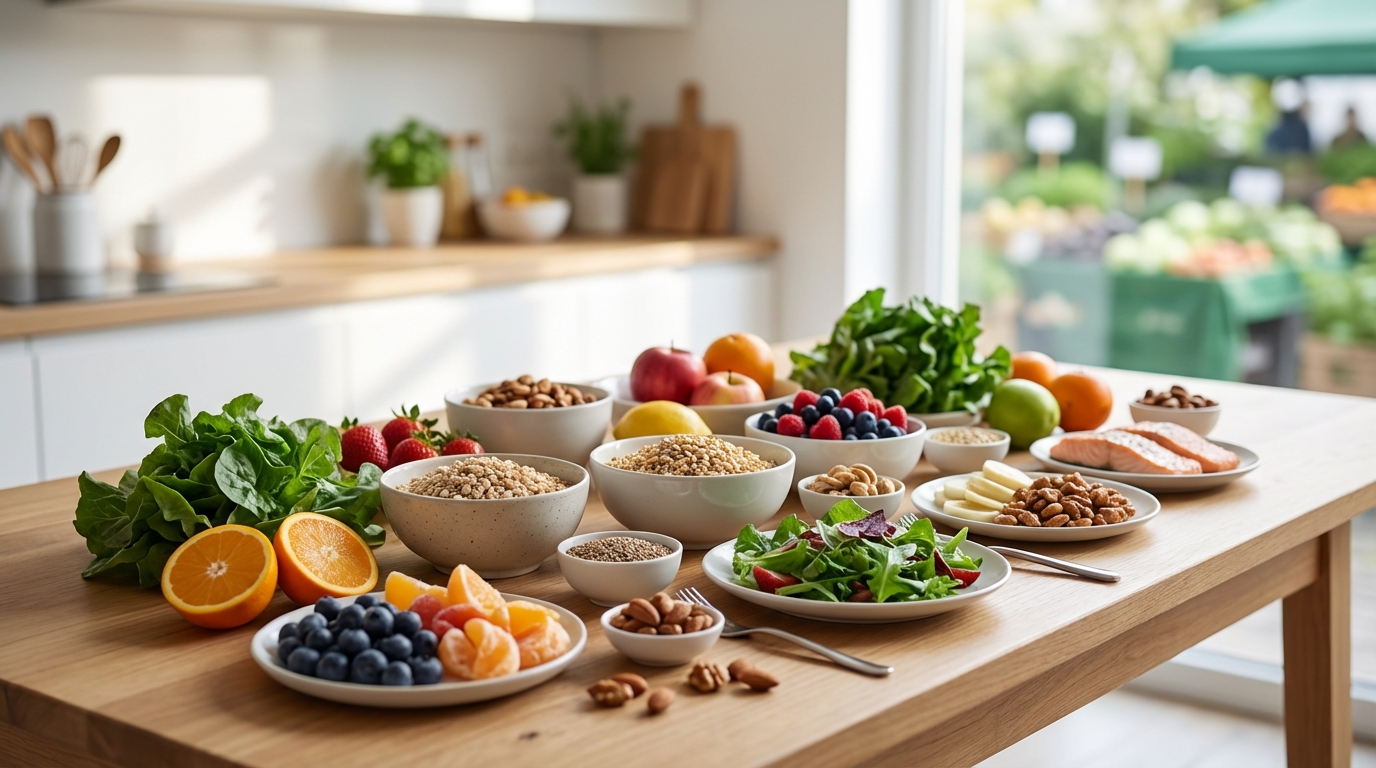
Understanding food selection models is an essential step for anyone in Australia aiming to make healthier dietary choices—whether you’re a member of the general public, caring for someone’s nutritional needs, or striving to be more health-conscious. This article provides a comprehensive, up-to-date overview of how food selection models work, what healthy ratings mean, key contributors to healthy or poor eating, and the practical risks or limitations of relying solely on these models in daily life. The content provided is for informational and educational purposes, and is not a substitute for individual medical advice from a qualified health professional. By reading on, you’ll gain the confidence to assess and apply food selection models relevant to Australian eating habits—and know when to seek expert guidance for ongoing health concerns.
Understanding Food Selection Models in Australia
What Are Food Selection Models?
Food selection models are structured systems designed to guide individuals towards healthier eating patterns by illustrating the types and proportions of foods to include in a balanced diet. In Australia, these models help translate complex nutritional science into actionable recommendations, making it easier for community members, school programs, and healthcare providers to promote dietary well-being. Their primary purpose is educational and preventative—to encourage choices that lower the risk of chronic diseases such as type 2 diabetes, heart disease, and certain cancers.
The most recognised food selection models in Australian public health include the Australian Guide to Healthy Eating and the Health Star Rating system. Both are widely used in public campaigns, on packaging, and across guidelines issued by the Australian Government Department of Health. These models aim to demystify nutrition, helping people visualise an ideal plate and make more deliberate, less impulsive choices at each meal.
However, food selection models also carry limitations. They may not reflect individual variations in taste, culture, allergies, or medical conditions, and their generic nature can lead to unintended misinterpretation or over-reliance. When used alongside personalised advice from a registered dietitian or healthcare provider, these models form one part of a broader approach to lifelong health.
Primary Food Selection Models Used in Australia
The Australian Guide to Healthy Eating
The Australian Guide to Healthy Eating is a visual model representing the recommended proportions of five core food groups: vegetables and legumes, fruit, grains, lean meats and alternatives, and dairy or alternatives. This model is an integral part of the Eat for Health initiative and is recognised by health professionals and educators throughout the country.
For practical use, the model highlights the importance of variety and balance in daily meals. A typical plate split suggests the largest segment should come from vegetables and legumes, followed by grains, with smaller portions for proteins and dairy. It also recommends limiting discretionary foods (such as those high in sugar, salt, or unhealthy fats), which fall outside the main core groups.
Despite its wide adoption, this guide may not suit everyone. Some population groups, such as Indigenous Australians or those with special dietary needs, may require tailored advice beyond this model’s standard recommendations.
Health Star Rating System
The Health Star Rating (HSR) system is a front-of-pack labelling tool designed to help Australians quickly compare the nutritional profile of similar packaged foods. Products are rated from half a star to five stars, based on nutrients like fibre, protein, saturated fat, sugar, and salt.
The higher the star rating, the healthier the choice within its category. Developed in collaboration with the Food Standards Australia New Zealand, HSR is voluntary for most products, which has led to some criticism about its inconsistent application across the food industry.
While helpful as a quick comparison, the HSR can sometimes oversimplify complex nutritional considerations. For example, foods high in beneficial nutrients might still score lower if they are naturally higher in fats—such as certain nut butters—highlighting the importance of not solely relying on star ratings for all food choices.
How Food Selection Models Guide Healthy Eating Choices
Educational and Preventative Purpose
Food selection models serve as fundamental educational tools in public health by visually and numerically separating healthier options from those best consumed in moderation. Their clear, graphic representations—such as the food group plate or star ratings—prompt people of all ages to consider variety, portion size, and frequency in meal planning.
Numerous Australian schools, community programs, and healthcare settings incorporate these models to improve nutritional literacy and foster lifelong healthy habits. Workplace wellness initiatives and aged-care nutrition programs also reference these models to streamline meal planning and prevent the onset of nutrition-related illness.
However, relying solely on a model can sometimes mask specific health needs or preferences. For example, an athlete may require different proportions, while someone with heart disease or diabetes may need modified guidance. That’s why official recommendations encourage pairing community models with tailored support from health professionals.
Decision-Support in Shopping and Meal Planning
In today’s busy shopping environment, food selection models offer valuable decision-support. The Australian Guide to Healthy Eating helps consumers assess the qualities of fresh produce, lean meats, and grain foods, while the Health Star Rating system provides a rapid comparison between packaged food choices.
For families navigating crowded supermarket aisles, the HSR system can act as a quick reference for comparing cereals, snacks, or ready meals—reducing the risk of impulse purchases with poor nutritional value. However, it is important to look beyond stars alone; reviewing the full nutrition information panel and ingredient list remains best practice.
Pro Tip: When planning your weekly shopping or preparing meals, combine the Health Star Rating for packaged foods with the Australian Guide to Healthy Eating for your fresh ingredients. This dual approach allows you to benefit from objective scores while ensuring plate balance.
Factors Influencing Food Selection and Healthy Ratings
Key Causes and Contributing Factors
A variety of social, cultural, and environmental factors can shape how Australians use food selection models and interpret healthy ratings. Economic accessibility, marketing, education, time constraints, and personal beliefs all influence food choices.
Australian dietary surveys indicate that while awareness of nutrition advice has improved, actual consumption of vegetables and wholegrains remains below recommended levels for many. Cultural traditions, family habits, and perceptions about cost can also shape the acceptance and practical use of food models in different communities.
Packaged food marketing or unclear labels may sometimes mislead consumers—even when using nutritional adequacy or product reformulation claims that do not align with the core food group model. Understanding the limitations of model-based labels, and seeking advice from a reputable source such as the Dietitians Australia, can strengthen healthy decision-making.
Risk Groups and Special Considerations
Certain groups are more likely to face challenges with standard food selection models. Older adults, children, people living with food allergies or intolerances, and Aboriginal and Torres Strait Islander people may need alternative guidance or culturally appropriate adaptations.
Awareness of socioeconomic food access barriers is also vital. Rural Australians or those living in food deserts might not always have a realistic opportunity to meet the ideal food selection balance recommended by common models. National initiatives are working towards closing this gap, but individual circumstances should always be considered before making broad changes to diet.
Risks, Limitations, and Misinterpretation of Food Selection Models
Potential Risks and Safety Concerns
While food selection models provide valuable direction, it is important to recognise their practical limitations. Over-reliance on generic guidelines may lead to misunderstanding personal nutrient requirements, especially for those with diagnosed medical conditions or specific nutritional needs.
The Health Star Rating system, while useful for quick comparison, is not immune to loopholes. For example, products may be reformulated to improve star ratings but remain high in salt or added sugar. This can create a false sense of healthiness, especially when consumed frequently or in large quantities—a common risk if the model is misunderstood or used in isolation.
Another potential risk is a lack of adaptation to medical or lifestyle changes. High-performance athletes, pregnant women, people with chronic kidney disease, or those on specialised diets require professional support to avoid nutrient deficiencies or excessive intake.
When to Seek Professional Advice
If you experience persistent fatigue, digestive changes, unexplained weight fluctuation, or suspect that your current diet is not meeting your needs, consult a qualified healthcare provider or accredited dietitian. Food selection models are designed as general guides and are not substitutes for personalised assessment and care.
Any time food selection models are unclear, or if you face additional barriers to healthy food access (such as financial hardship or medical concerns), professional support is recommended. Early intervention can prevent longer-term complications and improve overall quality of life.
Practical Checklist: Using Food Selection Models for Healthier Choices
- Visualise your daily meals using a model such as the Australian Guide to Healthy Eating for a balanced approach
- When buying packaged foods, check the Health Star Rating but always read the ingredient list and nutrition panel for context
- Prioritise foods from the five core groups, and limit intake of processed and discretionary products
- Adapt general advice to your cultural or personal preferences for better sustainability
- Seek guidance from a registered dietitian or health professional if you have medical conditions or special dietary needs
Comparison Table: Australian Food Selection Models
| Model | Strengths | Limitations | When to Use |
|---|---|---|---|
| Australian Guide to Healthy Eating | Visually simple, covers all major food groups, recommended by health authorities | May not fit special diets, less effective for food allergies/intolerances | Meal planning for most healthy Australians, community education |
| Health Star Rating System | Easy front-of-pack comparison, highlights nutrients of concern (sugar, salt, fat) | Voluntary system, can be manipulated by product reformulation, not suitable for all medical needs | Quick shopping decisions, comparing similar packaged foods |
FAQ
What is the main goal of food selection models in Australia?
The primary goal is to guide the public towards a balanced diet that supports long-term health and prevents chronic disease, by making nutrition messages clear and practical for everyday life.
Are food selection models suitable for everyone?
While models such as the Australian Guide to Healthy Eating provide strong general guidance, individual needs—such as allergies, health conditions, or cultural preferences—may require adaptations from a qualified health professional.
How reliable is the Health Star Rating system for healthy choices?
The Health Star Rating system is a helpful comparison tool for packaged foods but should be used alongside other information like the nutrition information panel and ingredient list for best results.
What are the risks of following food selection models too strictly?
Strict or inflexible use can overlook personal health needs, potentially leading to nutrient deficiencies or inadequate disease management. Models are guides, not one-size-fits-all rules.
When should I seek professional dietary advice?
Seek advice if you experience persistent health symptoms, have a medical condition affecting diet, are pregnant, managing allergies, or need help adapting nutrition models to your lifestyle.