
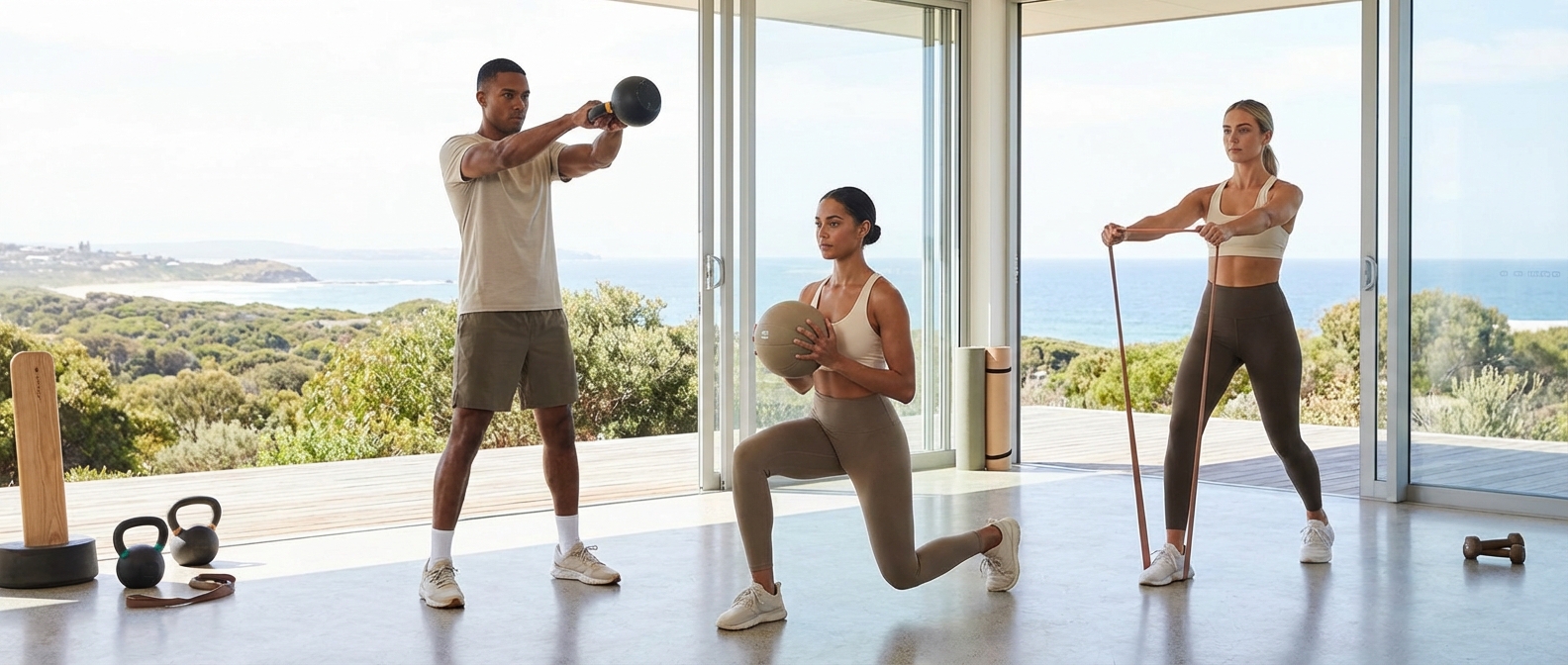
Looking for effective exercises for total body health that you can do at home in Australia? This article is designed for health-conscious Australians, carers, or anyone interested in improving their fitness at home. The information below provides a practical, up-to-date overview about complete body exercise routines, safety considerations, and prevention tips—especially relevant for those who prefer home fitness programs with no equipment. Remember, this article is for general educational purposes only and is not a substitute for personalised advice from a qualified health professional. By the end, you’ll gain a clear understanding of full body workout options, safe home exercise practices, and when to seek clinical support.
Comprehensive Exercises for Total Body Health: An Australian Perspective
Understanding Total Body Exercise: What Does It Mean?
“Total body exercise” refers to movement routines engaging all major muscle groups—arms, legs, chest, back, and core. Examples include bodyweight circuits, resistance training, and functional movements designed to improve strength, mobility, and cardiovascular health. For Australians, especially those managing busy schedules or access barriers, home exercise programmes without equipment make complete body fitness more accessible and cost-effective.
Engaging in a home exercise plan with no equipment is a practical way to maintain an all-body routine, whether for improved wellbeing, disease prevention, or to support daily activity levels. National health guidelines, such as those shared by the Australian Department of Health, encourage regular movement for adults—to help prevent chronic illness, support heart health, and improve mental wellbeing.
To build a complete body workout at home, select movement patterns such as squats, lunges, push-ups, and planks. These functional exercises mimic day-to-day actions, making your routine relatable and beneficial whether you are new to exercising at home or a seasoned enthusiast seeking variety in your home fitness program with no equipment. For a simpler approach, follow our Body Weight Exercises Guide for safe and balanced training.
What Sets Complete Body Exercise Apart?
A complete body exercise at home approach uses compound movements that work several muscle groups at once. Unlike isolated movements (like bicep curls), these exercises—such as burpees or squat-to-press—help improve strength, endurance, and coordination. For Australians living regionally or preferring at-home convenience, this approach is both efficient and accessible.
Full body resistance training workouts have increased in popularity because they contribute to improved bone health, mood, and injury prevention. However, it’s important to adjust exercises based on your fitness level and health status.
Primary Intent: Health Benefits & Prevention Through Total Body Exercise
The main purpose of integrating exercising at home into your lifestyle is to maintain or improve health across multiple systems. Regular participation in workout home workout routines provides numerous benefits, including:
- Improved cardiovascular function and reduced risk of heart disease
- Better weight management and metabolic health
- Enhanced strength, flexibility, and balance, thereby decreasing risk of falls
- Support for positive mental health outcomes and reduced stress
- Improved quality of sleep
Current guidance from the Heart Foundation recommends most adults aim for at least 150 minutes of moderate intensity activity per week, which can be met easily by spreading home exercise throughout the week.
Prevention Checklist for Safe Exercising at Home:
- Start with a brief warm-up (5–10 minutes of light movement)
- Use slow, controlled motions—avoid fast, jerky movement
- Keep hydrated and take breaks as needed
- Pay attention to correct posture and alignment
- Listen to your body and modify or pause if any discomfort arises
- If you have pre-existing health conditions, check with your GP before starting a new routine
If limited mobility is a concern, explore our Chair Exercises for Seniors.
Pro Tip: Building Consistency Safely
Begin with 2–3 sessions per week, gradually increasing intensity or frequency. Use household items—such as filled water bottles or towels—for gentle resistance if desired, focusing on controlled movements to reduce the risk of injury.
Secondary Intent 1: Common Barriers and Symptoms Affecting Exercise Participation
Many Australians cite time constraints, space limitations, or uncertainty about exercise form as reasons for avoiding home workouts. It’s important to recognise signs and symptoms that may impact safe participation in a full body workout at home:
- Unexplained shortness of breath, chest pain or severe discomfort during exercise
- Prolonged dizziness, nausea, or faintness
- Painful joints or muscles that don’t improve with rest
- Sustained fatigue or excessive soreness after routine sessions
If you experience these or have underlying medical conditions, seek advice from an accredited health professional prior to starting or continuing an all body exercise routine. For most, paying attention to your body and progressing gradually helps avoid overexertion.
| Symptom/Barrier | Potential Cause | Recommended Action |
|---|---|---|
| Pain during exercise | Poor technique, overuse | Reduce intensity, review form, seek professional advice if persistent |
| Shortness of breath | Intensity too high, possible underlying condition | Pause, monitor symptoms—see GP if severe or ongoing |
| Lack of motivation | Unvaried routine, mental health factors | Introduce variety, set achievable goals, consider support groups |
| Time constraints | Busy lifestyle, work/family commitments | Break movement into shorter, more frequent sessions |
Secondary Intent 2: Effective Home Workout Routines Without Equipment
Australians can benefit from a wide range of home workout programs without equipment. These routines can be structured to suit beginners, older adults, those returning after illness or injury, or individuals seeking a challenge at home.
A quality home exercise program without any equipment often includes these movement patterns:
- Squats (bodyweight): targets legs, glutes, and core
- Lunges: strengthens legs, hips, and improves balance
- Push-ups: upper body and core activation
- Planks: static hold for core stability and shoulder support
- Glute bridges: engages posterior chain and core
- Supermans: lower back and shoulder mobility
- Burpees: full body movement boosting cardio
Combine 5–8 of these exercises for a 15–30 minute session, alternating 30–60 seconds of work followed by short rests. This structure supports effective overall body exercises without needing specialised equipment or large spaces.
Comparison Table: Full Body Exercise Types At Home
| Exercise Type | Muscles Worked | Suitability | Progression Options |
|---|---|---|---|
| Bodyweight Circuits | All major muscle groups | Beginner to advanced | Increase reps, reduce rest |
| Full Body Resistance | Chest, arms, legs, back, core | Intermediate+, can be modified | Household items, tempo variations |
| Cardio Intervals | Heart, lungs, legs, arms | All fitness levels | Increase duration or intensity |
| Mobility Flows | Joints, posture muscles | All ages | Advance balance and flexibility |
How to Stay Safe During Total Body Workouts
To reduce injury risk during total body sessions, prioritise a structured warm-up, maintain controlled technique, and pace your efforts. Include mobility and balance work before more intense movements, and allow adequate recovery between higher-intensity sessions. Integrate classic Exercise Aerobic Exercise for added benefits. Adjust these exercises according to your current ability—our Fitness Level Guide will help you make safe progressions.
Safety, Risks, and When to Seek Medical Guidance
Although home fitness programs with no equipment are generally safe for most healthy adults, there are important safety risks and concerns to consider. Improper form, progressing too rapidly, or underlying health issues can all increase the risk of injury.
- Always check your exercise space for hazards such as slippery floors, rug edges, or poor lighting.
- Start slow, especially if you are resuming activity after a break or illness.
- Monitor for warning signs such as severe breathlessness, pain, palpitations, or extreme fatigue.
- Never ignore persistent symptoms—seek timely advice from an Exercise & Sports Science Australia accredited professional or your GP.
Individuals with chronic diseases (e.g., diabetes, heart issues), recent injuries, or advanced age should obtain clinical clearance before starting or changing their home workout no equipment routines. Certain medications may also influence your heart rate or exertion capacity, which should be considered when planning complete body workout at home sessions.
For up-to-date guidance, refer to resources from Lifeline’s physical health toolkit and consult trusted health experts if concerns arise.
Limitations and Uncertainties: What to Consider
No single all body exercise routine suits every individual. There is variability in outcomes based on factors like age, baseline health, prior injuries, and access to professional support. Additionally, at-home programs require self-motivation; lack of supervision may increase the risk of overuse or incorrect technique. Finally, physical activity forms only one part of a holistic health approach—it should be paired with balanced nutrition, sleep, and prudent healthcare access.
FAQ
What is a total body exercise and why is it important?
Total body exercises activate all major muscle groups and support overall strength, balance, and cardiovascular health. They help maintain function for daily tasks, reduce injury risk, and align with Australian health recommendations for physical activity.
Is it safe to do strength training at home without equipment?
For most healthy adults, bodyweight strength training at home can be safe and effective. Always begin at a comfortable intensity, use proper technique, and consult a health professional if you have existing medical concerns or injuries.
What are common risks when starting a home workout routine?
Common risks include muscle or joint strain from poor form, progressing too quickly, or ignoring warning symptoms. Ensuring safe environments and listening to your body are key to preventing injury.
How often should a complete body exercise routine be done at home?
Most adults benefit from total body exercise 2–4 times per week, with varied intensity and adequate recovery. Adjust frequency based on your goals, experience, and personal health needs.
When should I consult a health professional before exercising at home?
Seek professional advice if you have a pre-existing health condition, are over 50, or experience warning signs like chest pain, dizziness, or persistent fatigue during or after activity.

