
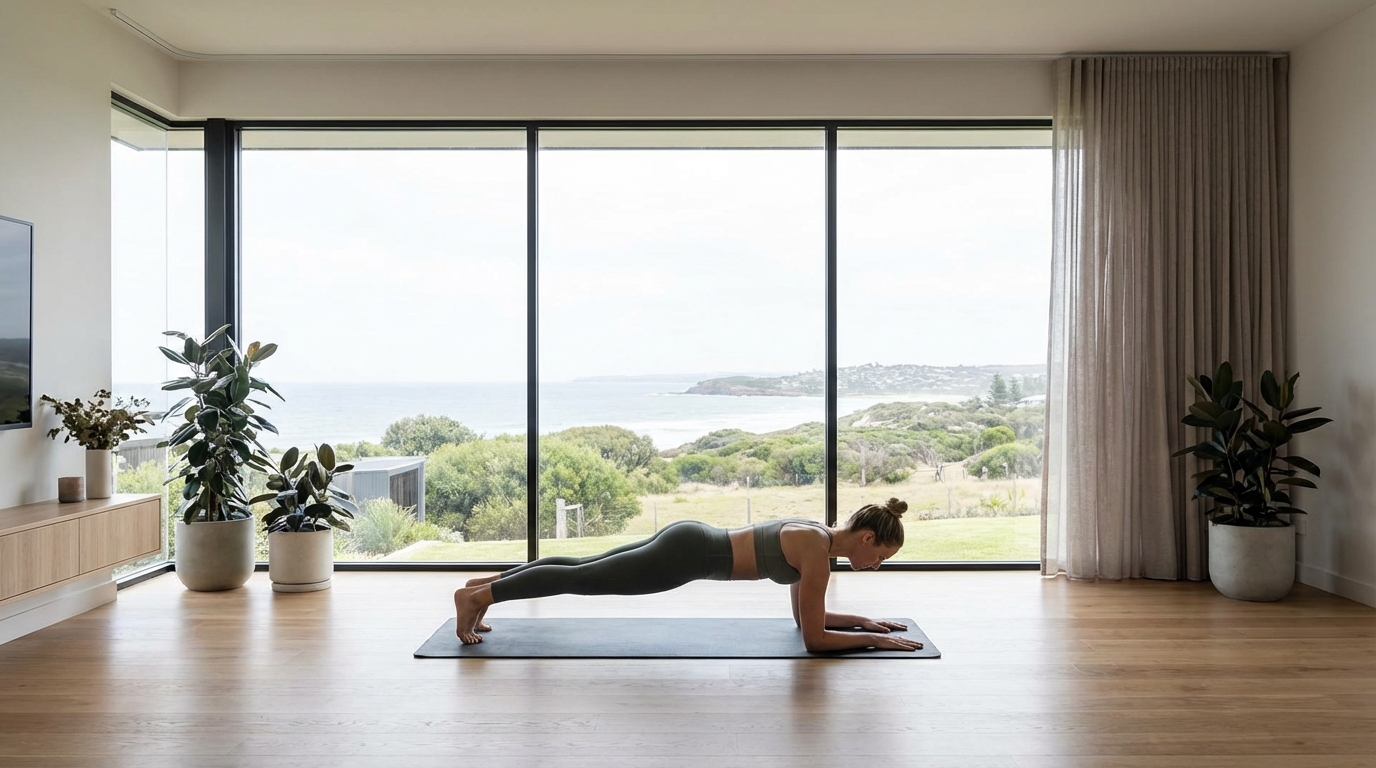
The best home exercises can make a real difference to everyday Australians seeking to enhance general fitness, support healthy weight management, or simply keep active in the comfort of home. This article is designed for adults, carers, and health-conscious readers across Australia. We aim to provide evidence-based, practical information about at home workouts for losing weight, home gym exercises, and building a sustainable home workout plan. Please note, the following is for informational and educational purposes only, and should not replace personal medical advice from your healthcare professional. By the end of this guide, you’ll understand not only which exercises to consider but also how to tailor a home fitness regime to your lifestyle, and how to stay safe while doing so.
The Best Home Exercises for Australians: A Practical Guide to Home Workouts and Safety
Understanding the Appeal and Purpose of Home-Based Exercise
Home exercise is now a mainstream choice for many Australians who value convenience, flexibility, and cost savings. Unlike gym-based routines, the best home exercises require minimal equipment and can be adapted for all ages and fitness levels. The primary intent of this section is to educate readers about the strengths and opportunities of exercising at home—whether you’re managing a busy family, working remotely, or aiming for preventative health benefits such as weight management, improved heart health, or simply reducing sedentary habits.
At home workouts for losing weight also support broader wellbeing. Regular activity is linked to reducing risks for type 2 diabetes, cardiovascular disease, and mental health conditions. Government initiatives like Australia’s Physical Activity and Sedentary Behaviour Guidelines reinforce the role of daily movement for children and adults.
Home exercise is not without considerations. Space limitations, safety risks, and the risk of incorrect exercise technique can impact outcomes. It’s important to understand these limitations before starting or changing a fitness routine at home.
Core Types of Home Exercises: Options for a Balanced Home Fitness Regime
Effective home workout plans often include a range of movement types. Integrating strength, cardiovascular, flexibility, and balance exercises ensures you get varied benefits and prevent boredom. Many home exercises can be performed with bodyweight or simple gear such as resistance bands, light dumbbells, or even household items.
Bodyweight Exercises: Building Strength Anywhere
Bodyweight exercises—such as squats, lunges, push-ups, planks, and burpees—can be adapted for most fitness levels. These exercises use your body’s own resistance to build muscle, which supports metabolism and makes everyday activities easier. Beginners can start with reduced repetitions or modified versions, such as knee push-ups. Proper technique is essential to prevent strain or injury, so consider following video demonstrations from recognised health sources or consulting with an exercise physiologist if you’re unsure. Try Great Full Body Workouts for a routine that targets multiple areas simultaneously.
Cardiovascular Workouts: Boosting Heart Health at Home
Cardiovascular, or “cardio” exercises, increase your heart rate and burn calories. Popular cardio options for home include step-ups (using stairs), skipping (with a rope or mimed), high knees, jumping jacks, marching on the spot, or short HIIT (High-Intensity Interval Training) routines. These movements can be tailored for all abilities and don’t necessarily require expensive equipment. The Heart Foundation advises aiming for 150–300 minutes of moderate-intensity cardio per week for adults; even 10-minute bouts throughout the day can be effective.
Flexibility and Balance Training: Injury Prevention
Adding stretching, yoga, or basic Pilates moves improves joint flexibility, posture, and balance. This lowers the likelihood of muscle strain and helps with stability—especially important for older adults or those returning from an injury. Following free resources from reputable Australian health sources helps ensure safe, progressive routines.
Resistance and Weighted Options: Enhancing Home Gym Exercises
For those wanting more challenge, incorporating small dumbbells, resistance bands, or household objects—like filled water bottles—provides extra resistance and variety. Increasing resistance gradually can aid muscle growth and support healthy weight loss over time, but it’s important to avoid pushing too quickly to reduce the risk of injury or fatigue.
How Home Exercise Supports Weight Loss and Preventative Health
Exercises to lose weight at home need to combine energy-burning (cardio) with muscle-sustaining (strength) elements. Multiple studies suggest that a blend of moderate to vigorous aerobic movement with resistance training is the most effective approach for long-term weight management and overall wellness.
However, it’s important to remember that weight is influenced by a range of factors, including diet, genetics, medications, and overall lifestyle—not just how much you exercise. Listening to your body, watching for symptoms of overtraining (such as consistent tiredness, soreness, or lack of progress) and allowing for rest are crucial for sustainable results.
In Australia, weight management programs often recommend pairing active routines with healthy eating and mental wellbeing practices for best results. If unsure, your GP or an accredited practising dietitian or exercise physiologist can help tailor a plan with safety in mind.
| Exercise Type | Main Benefits | Considerations or Risks |
|---|---|---|
| Bodyweight Exercises | Strength, muscle tone, convenience | Requires good technique to avoid strain |
| Cardiovascular Workouts | Heart health, calorie burn, stamina | Start slow; high impact may not suit all |
| Flexibility/Balance Training | Reduces injury risk, aids movement | Move gently; avoid overstretching |
| Resistance or Weighted Options | Muscle gain, bone strength, variety | Build up resistance gradually |
Planning Your Safe Home Exercise Regime: What to Know
Whether you’re creating your first home workout plan or tweaking an existing one, a structured approach aids motivation and safety. The best home exercise plan will consider your personal goals, available space, schedule, and current health status.
Begin with a mix of core activities from each exercise type listed above, set realistic targets, and increase intensity or duration gradually. Consider tracking your progress using an activity journal or a free app. For effective results, our Full Body Workout for Women shares structured routines. For balanced results, include movements from the Lower Body Workout Guide.
Checklist: Safe and Effective Start to Home Workouts
- Start each session with a 5–10 minute warm-up (gentle walking, light stretches)
- Alternate muscle groups; avoid repeating intense workouts on the same area daily
- Cool down with stretching after each session to promote recovery
- Keep hydrated and wear appropriate clothing/footwear
- Stop immediately if you feel chest pain, dizziness, or breathlessness
- Ensure workout environments are free from hazards (clutter, wet floors, pets)
- Consult your healthcare provider before starting a new exercise regime, especially if you have existing health conditions
…Aerobics at home can also target weight loss. Consult our Best Aerobic Exercise for Weight Loss for programs.
Symptoms and Risk Factors: When to Pause or Seek Advice
Being active is generally safe for most people, but recognising warning signs is essential:
- Unusual joint or muscle pain that doesn’t settle
- Shortness of breath out of proportion to effort
- Chest pain, palpitations, or faintness
- Severe headache, vision changes, or swelling
If you experience any of these symptoms, stop exercising and seek professional help from your GP or emergency services where needed. Certain individuals—such as those with heart disease, uncontrolled diabetes, pregnancy, or limited mobility—should seek personalised advice before starting a new home fitness regime.
| Warning Sign (Symptom) | Possible Underlying Issue | Suggested Response |
|---|---|---|
| Persistent Sharp Pain | Muscle/tendon strain, joint injury | Cease activity and consult healthcare professional |
| Severe Fatigue | Overtraining, inadequate rest or nutrition | Rest, review exercise plan, seek advice if unresolved |
| Sudden Chest Pain | Cardiac event: Angina or heart attack | Stop immediately, seek emergency care |
| Dizziness or Fainting | Low blood pressure, dehydration, heart issues | Rest, hydrate, seek urgent medical advice if ongoing |
Pro Tip: Gradual Progression Supports Ongoing Success
The temptation to “go hard” early is common, but a gradual increase in intensity and frequency is the best way to build confidence, reduce injury risk, and maintain motivation. Set achievable daily and weekly goals for your home workout plan—and celebrate progress rather than perfection.
Frequently Asked Questions (FAQ)
What types of home exercises are best for weight loss?
Cardio workouts (like brisk walking, high knees, or step-ups) and bodyweight strength exercises (such as squats and planks) offer balanced calorie burn and muscle maintenance. Combining these approaches into a personalised home workout plan generally gives the best results over time.
How often should I do home gym exercises each week?
For most adults, aiming for at least 150 minutes of moderate-intensity exercise per week is recommended. This can be spread across most days and include both cardio and strength training sessions. Always allow your muscles time to recover between intense workouts.
Can I safely exercise at home with a medical condition?
Most people can exercise safely at home with suitable modifications, but if you have a chronic or acute medical condition, it’s wise to seek advice from your GP or allied health professional before starting or significantly changing your home exercise plan.
What should I do if I experience pain during my home workout?
Stop immediately if you feel sharp, severe, or persistent pain. Mild muscle soreness can be normal after new exercise routines, but ongoing discomfort may signal injury. If pain does not settle with rest, consult your healthcare provider.
How can I stay motivated with my home fitness regime?
Setting achievable goals, varying your routine, using technology (like online classes or activity trackers), and finding social support (friends, family) are all helpful strategies. Monitoring your progress and celebrating consistency over perfection can also boost long-term motivation.

