

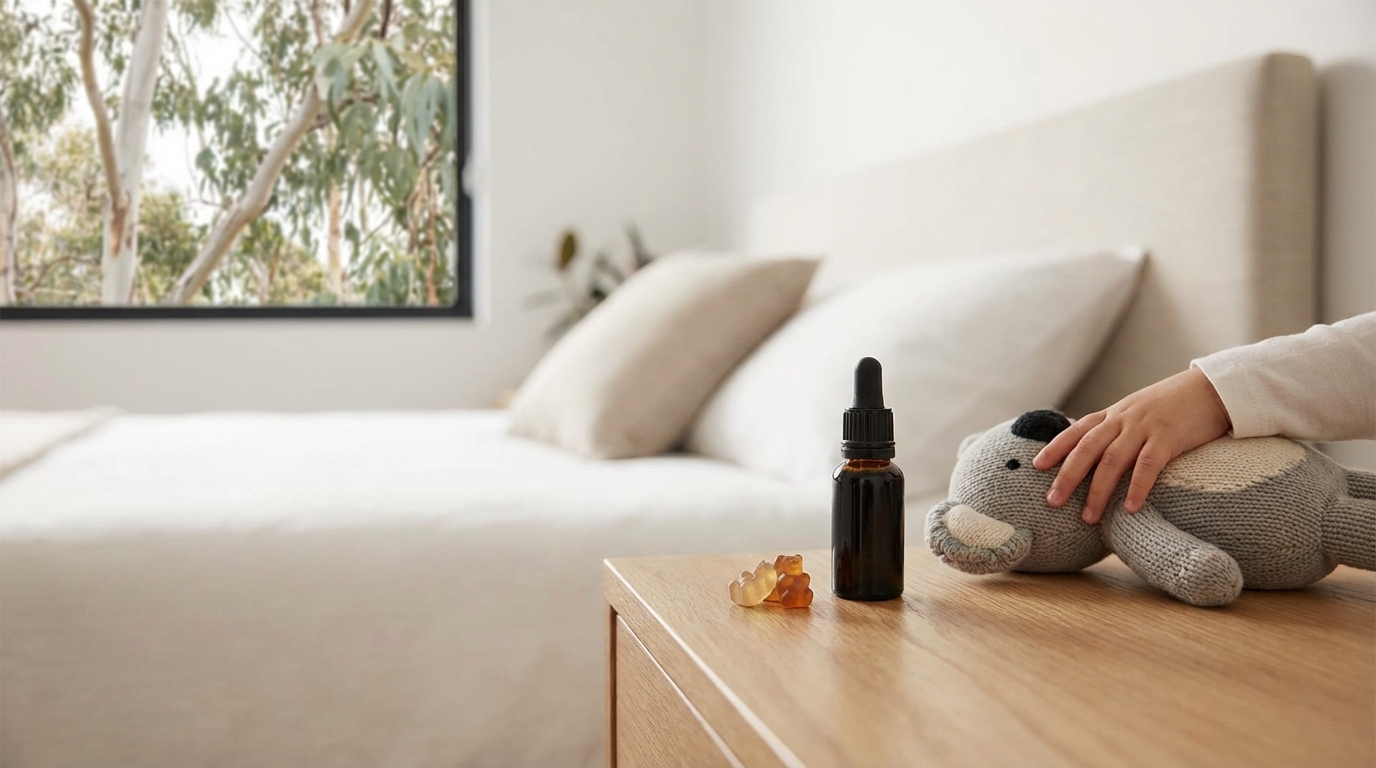
For many Australian parents or caregivers concerned about children’s sleep, the topic of melatonin for kids in Australia naturally arises—especially given the challenges around access, cost, and understanding the risks. This comprehensive guide is designed for the general Australian public, health-conscious families, and anyone parenting or caring for a child. Its aim is to provide reliable, balanced information about melatonin, its uses, age considerations, price factors, and safer alternatives. Please remember, this article is strictly educational and must not be considered a substitute for personalised medical guidance. By the end, you’ll gain practical clarity on melatonin’s role in sleep support for children and how to approach conversations with healthcare professionals.
Understanding Melatonin for Kids in the Australian Context
What Is Melatonin and How Does it Work?
Melatonin is a naturally occurring hormone produced by the brain’s pineal gland. It helps regulate the body’s circadian rhythm—your internal clock governing sleep and wake cycles. As evening approaches and light decreases, melatonin levels rise, signalling the body it’s time to sleep. For children, this process is crucial for establishing healthy sleep patterns. In some cases, children may be recommended melatonin by a healthcare professional if they struggle with sleep onset or certain neurological or developmental conditions.
Supplement forms of melatonin—including chewable tablets, oral solutions, and melatonin gummies for kids—are available worldwide, but in Australia, regulatory frameworks differ from other countries. Access is controlled, with melatonin classified as a prescription-only medicine by the Therapeutic Goods Administration (TGA). This means parents should only use melatonin under direct supervision and advice from an Australian healthcare provider.
Melatonin is not a sedative. It simply signals your body that it’s time to initiate sleep, and its effects can vary based on timing, dosage, and the individual child. Always discuss options with a GP or paediatrician familiar with your child’s health history.
Who Might Be Prescribed Melatonin in Australia?
In Australia, melatonin is most commonly prescribed for children diagnosed with specific sleep disorders, such as insomnia related to autism spectrum disorder (ASD) or attention deficit hyperactivity disorder (ADHD). It may also be considered for children undergoing shift work or experiencing delayed sleep phase syndrome on the advice of a sleep physician.
It is not intended for use as a solution for general or transient sleep difficulties, such as those linked to normal developmental changes, night-time routine disruptions, or situational anxieties.
According to the Raising Children Network, children should only be started on melatonin after lifestyle measures and sleep hygiene interventions have been carefully explored and monitored. Alternatives—such as improved bedtime routines and addressing environmental factors—can often solve common childhood sleep problems.
| Reason for Melatonin Use | Eligibility in Australia |
|---|---|
| Sleep disorders in neurodevelopmental conditions (e.g. ASD, ADHD) | May be prescribed after specialist assessment |
| Severe delayed sleep onset with specialist diagnosis | Specialist prescription only |
| Short-term jet lag or shift work symptoms in teens | Possible, but rarely prescribed in childhood |
| General sleep troubles (difficulty falling/staying asleep) | Not routinely recommended |
How Old Do Children Need to Be for Melatonin? Exploring Melatonin Age Guidelines
Determining the right melatonin age is complex. In Australia, the consensus across paediatric guidelines is that melatonin should only be considered for children following an assessment by a doctor—and not before all behavioural and lifestyle sleep interventions are attempted.
The common age group for prescription is children aged six years and above, particularly when there’s a confirmed diagnosis related to sleep onset insomnia and co-existing neurodevelopmental conditions. However, age can vary depending on the nature of the sleep issue and the specialist’s judgement.
Under Australian practice, melatonin isn’t recommended for infants, toddlers, or preschoolers except in rare cases and with specialist oversight due to unknown long-term effects and the importance of natural sleep rhythm development. Parents are advised never to give children over-the-counter or internationally sourced melatonin without consulting a qualified Australian healthcare professional.
If you’re unsure if melatonin is age-appropriate for your child, discuss concerns with your GP or a children’s sleep specialist. They can review developmental, emotional, and health factors before recommending a course of action.
Why Is Melatonin So Expensive in Australia?
Many Australian families are surprised to discover that melatonin for kids Australia is often more costly than overseas. This is primarily due to regulatory differences and the fact melatonin is prescription-only and subsidised only for certain conditions. Unlike in the United States, where children’s melatonin (including kids melatonin gummies Australia) is readily available as a supplement, Australian rules treat melatonin as a pharmaceutical requiring Government oversight.
The expense is influenced by:
- Prescription status – available only through a doctor, limiting supply chains.
- No Pharmaceutical Benefits Scheme (PBS) subsidy for the majority of paediatric users, except for specific, rare disorders.
- Compounded or imported formulations may attract further costs.
- Marketing restrictions on pleasant-tasting forms such as gummies or chewables, which are less commonly available and more costly for those sourced via compounding pharmacies or on special order.
As of 2024, a pack can cost between $60 and $120 per month for ongoing use unless covered by a rare PBS-approved diagnosis. Some families may be tempted to purchase supplements from overseas, but this practice carries risk due to lack of product regulation and safety checks. For more cost information, visit the CHOICE guide to melatonin for families.
Melatonin Gummies for Kids: Are They Safe, Available, and Recommended?
Gummies and flavoured chews are commonly marketed in the US and some other countries as appealing ways to deliver melatonin to children. However, kids melatonin gummies Australia are tightly regulated, and TGA approval for these forms is not typical. Most gummies sold online are not approved for import, nor their content verified or guaranteed.
Health authorities like the Australian Department of Health strongly caution against using unapproved gummies due to risks of inaccurate dosing, accidental overdose, or contaminants. In addition, gummies make it easy for children to confuse medicine with lollies, increasing swallowing risks or the chance of taking too much accidentally.
Symptoms and Signs That May Signal Sleep Disorders in Children
Before considering melatonin, it’s essential to recognise the difference between common sleep struggles (such as bedtime resistance or night waking) and clinical sleep disorders. In many instances, difficulties fall within the range of normal development, especially during periods of emotional change or routine disruptions.
| Common Sleep Issue | Possible Underlying Condition |
|---|---|
| Difficulty falling asleep initially | Could be delayed sleep phase, chronic insomnia |
| Frequent night waking | May relate to anxiety, environmental disruption |
| Persistent daytime tiredness | Obstructive sleep apnoea, sleep fragmentation |
| Sleep resistance/overtiredness | Behavioural insomnia, insufficient sleep opportunity |
| Unusual movements during sleep | Restless legs syndrome, neurological conditions |
If your child’s sleep difficulties persist for more than two weeks, significantly impact daily life, or are accompanied by loud snoring, breathing pauses, or unusual behaviours, consult a GP or paediatrician to rule out underlying conditions.
Risks, Side Effects, and Safety Concerns with Melatonin for Children
Although melatonin is generally well-tolerated under medical supervision, it’s not without risks. Reported side effects include:
- Drowsiness or sluggishness the morning after use
- Headaches, appetite changes, or mild digestive discomfort
- Possible interference with puberty-related hormone changes when used long-term
- Unintended sedation if dose is too high or given at the wrong time
- Allergic reactions (rare)
Major uncertainties remain regarding the effect of long-term melatonin supplementation in children, especially before and throughout adolescence. Safety data are still emerging, and most Australian guidelines favour short-term, monitored use in clearly diagnosed circumstances.
Parents should also be cautious not to confuse “natural” with “risk-free”—even products labelled as natural supplements can interact with other medicines or be harmful in large doses.
When to seek medical help: If a child experiences excessive sleepiness, behaviour changes, breathing problems, or any allergic reaction after starting melatonin, seek professional medical input immediately. Never adjust the dose or substitute forms without health professional oversight.
Checklist: Healthy Sleep Habits for Children Before Considering Melatonin
Most common sleep difficulties can be addressed with consistent routines and environmental adjustments. The following checklist highlights core sleep hygiene steps recommended prior to exploring prescription options:
- Establish a regular bedtime and wake time every day, even on weekends
- Wind-down for 30–60 minutes before bedtime (no screens)
- Keep bedrooms dark, quiet, and comfortably cool
- Encourage calming activities (stories, gentle music, quiet time)
- Avoid caffeine and sugary foods in the afternoon and evening
- Support daytime physical activity and healthy exposure to daylight
- Address anxieties or stressors that could impact bedtime
- Model good sleep habits as a family
- Review with a GP if sleep issues persist beyond two weeks
Melatonin Alternatives: Preventing Sleep Problems and Supporting Healthy Rest Without Medication
For the majority of children experiencing sleep challenges, behavioural and lifestyle-based interventions lead to lasting improvements—often without the need for melatonin or other medicines.
- Use visual bedtime charts and reward systems to motivate routines
- Discuss worries that surface at night and plan reassurance in advance
- Flexible transition items—comforters, nightlights—can ease anxiety
- Seek guidance from a trained child sleep expert or allied health professional if sleep hygiene does not resolve issues
- Community resources such as Sleep Health Foundation or children’s health nurses may offer personalised tips
In specific cases, sleep clinics across Australia can provide thorough assessment and behavioural counselling tailored to children’s unique sleep needs and family circumstances.
FAQ
Is melatonin safe for all children?
Melatonin can be safe for some children with specific medical conditions, but only under the guidance of a healthcare professional. It is not recommended for infants, toddlers, or for general sleep issues. Unsupervised use, especially imported supplements, can carry safety risks.
Are melatonin gummies for kids available in Australia?
Melatonin gummies for kids are not widely available or approved in Australia. TGA regulations restrict the sale of such products, and parents are strongly advised against buying gummies from overseas or online retailers.
Why is melatonin more expensive in Australia?
Melatonin is classified as a prescription-only medication in Australia, and most paediatric uses are not covered by government subsidies. This, combined with restricted supply channels, increases its cost compared to countries where it’s available over the counter.
Can you get melatonin for children without a prescription?
No. In Australia, melatonin for children is only available with a prescription from a healthcare provider, following a thorough assessment. Importing melatonin supplements or using non-approved forms may be unsafe and is not recommended.
What should I do if my child continues to have trouble sleeping?
Start by reviewing sleep hygiene routines at home and consult a GP if issues persist. Underlying sleep disorders, emotional or behavioural factors, or other medical conditions may require a more tailored assessment and intervention plan.