

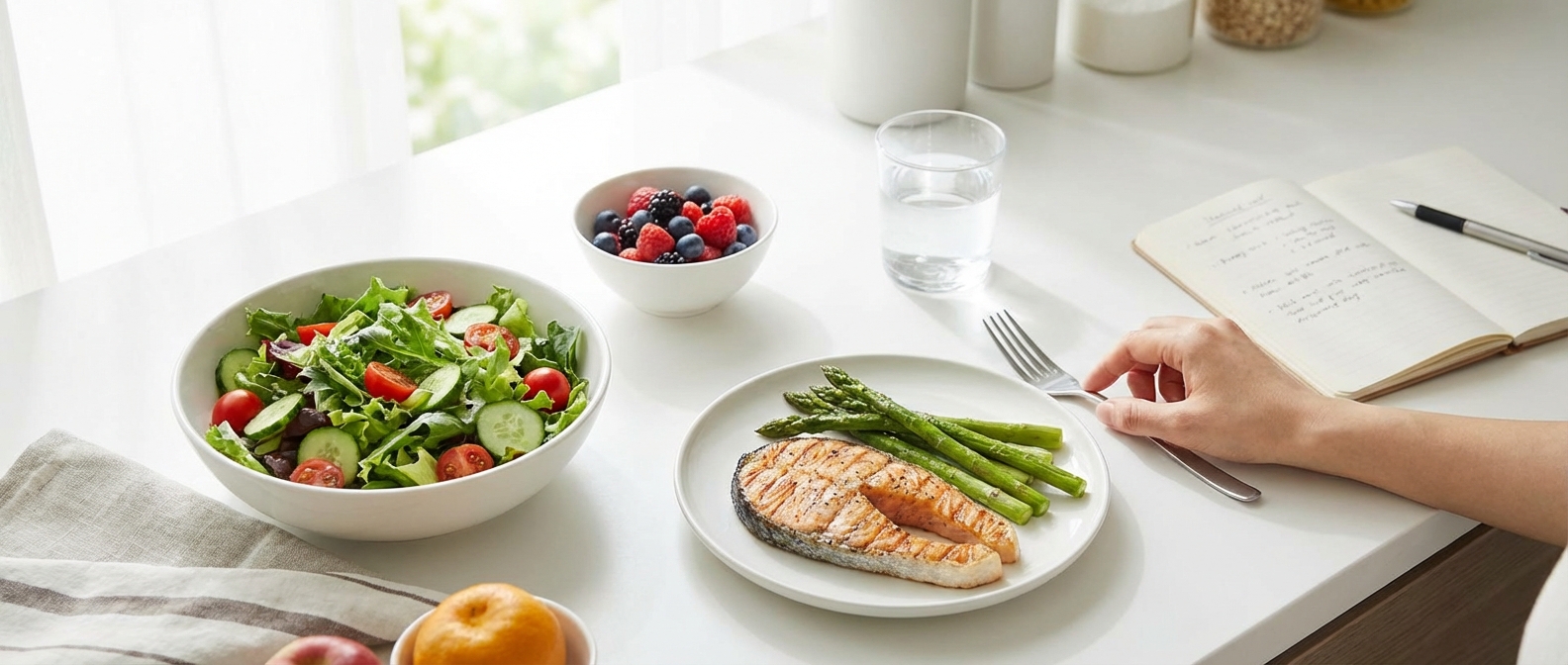
Discovering low calorie recipe ideas can be empowering for Australians seeking to manage their health, weight, or specific nutritional goals. Whether you’re a patient, supporting a loved one, or simply health-conscious, this educational guide is designed for you. You’ll learn how to navigate calorie deficit meals safely, understand their preventative potential, and be aware of relevant safety considerations in an Australian context. This article is intended for educational purposes only and should not replace advice from a qualified healthcare professional.
Low Calorie Recipe Ideas for Australians: A Responsible Approach
Understanding Low Calorie Recipe Ideas: The Essentials
Low calorie recipe ideas focus on meals and snacks that provide fewer kilojoules per serve without sacrificing essential nutrients. This approach can support a healthy lifestyle, particularly when paired with advice from nutrition professionals or general practitioners. For Australians, where rates of overweight and obesity are significant, integrating balanced, lower-calorie recipes may align with national health guidelines from the Australian Dietary Guidelines.
Calorie deficit meals typically involve consuming fewer kilojoules than your body burns each day, which may help with gradual weight management and improved metabolic health. These meals should be safe, sustainable, and avoid excessive restriction or omission of key food groups. It’s important to remember that what works for one individual may not suit another due to differences in age, activity, health status, and dietary preferences. Always seek tailored advice for specific needs.
What Qualifies as a Low Calorie Meal?
While there’s no single definition, most low calorie recipes contain around 300–500 kilocalories (or 1255–2092 kilojoules) per main meal, and 100–250 kilocalories per snack. Look for meals rich in vegetables, lean protein, whole grains, and minimal added sugars or saturated fats, as advised by reputable sources like the Healthdirect Australia information portal.
It’s essential to avoid overly restrictive or “fad” approaches that could compromise your nutrient intake. Balanced meals containing a variety of food groups often lead to better long-term outcomes and support overall wellbeing.
Primary Intent: Prevention and Lifestyle Management with Low Calorie Meals
Many Australians seek out low calorie recipe ideas as a preventative measure or as part of managing existing health risks. Consistently choosing lower-calorie, nutrient-rich dishes has been associated with benefits such as weight stability, reduced risk of chronic diseases (like type 2 diabetes, cardiovascular disease), and improved digestive health. While calorie deficit meals may support weight goals, the most sustainable changes occur within a lifestyle, not just a one-off diet.
Australian public health organisations like The Heart Foundation recommend practical approaches: swapping higher-fat ingredients for lean proteins, choosing wholegrains over refined products, and loading plates with colourful vegetables. This helps maintain satiety while steadily reducing overall energy intake.
Checklist: Building Sustainable Low Calorie Habits
- Assess portion sizes using local Australian standard serves
- Incorporate at least five different vegetables each day
- Prioritise cooking methods like grilling, steaming, or roasting rather than deep frying
- Opt for lean proteins such as chicken breast, fish, eggs, tofu, or legumes
- Experiment with Australian native herbs and spices to enhance flavour without added kilojoules
- Limit sugary sauces and processed snacks
- Plan meals in advance to reduce impulse choices
Pro Tip: Make a batch of vegetable-based soups or legume stews on weekends—these are filling, affordable, and can be portioned for easy, low calorie lunches throughout the week.
Secondary Intent 1: Identifying Symptoms of Nutritional Imbalance or Restriction
While pursuing low calorie meals can be healthy, it’s important to monitor for potential symptoms of undernourishment or imbalanced eating patterns, especially in individuals at higher risk. Common warning signs include persistent low energy, headaches, dizziness, irritability, or unexplained muscle cramps. These symptoms may indicate insufficient calories, protein, or micronutrient deficiencies.
For Australians who follow calorie deficit meals over extended periods, there’s a risk of inadvertently missing out on iron, calcium, or other essential nutrients, particularly for vegetarians or those avoiding dairy. Families and caregivers should be especially mindful for children, teenagers, pregnant women, or older adults with increased nutritional needs. In such scenarios, it’s best to consult an Accredited Practising Dietitian or your GP for guidance.
| Symptom | Potential Cause | When to Seek Advice |
|---|---|---|
| Persistent fatigue | Insufficient energy or iron intake | If ongoing or impacting daily life |
| Dizziness & headaches | Low blood sugar or poor hydration | When frequent or severe |
| Hair loss or brittle nails | Poor intake of protein, minerals | If progressive or distressing |
Monitoring body signals helps ensure your approach to low calorie recipes remains both safe and effective. If you experience new, persistent, or worsening symptoms, contacting a qualified health professional is strongly recommended.
Secondary Intent 2: Causes and Contributors to Calorie Intake Challenges
Several factors may influence why Australians seek low calorie recipe ideas or struggle with maintaining optimal calorie balance. Common causes include
- High availability of ultra-processed foods and beverages
- Busy work schedules leading to reliance on convenience meals
- Lack of access to fresh produce in certain rural or remote regions
- Psychological triggers such as stress, boredom, or emotional eating
- Misconceptions around “healthy” labelled products which can be energy-dense
Recognising these contributors supports prevention and effective management. Community-based programs, school education initiatives, and online resources from groups like Nutrition Australia can provide valuable recipes, meal plans, and local support, particularly to bridge gaps in food literacy or access.
Real-Life Example: Navigating Busy Lifestyles
A shift worker in Brisbane may find meal planning difficult due to changing hours, often resulting in skipped meals or high-calorie takeaway. With advanced preparation—such as cooking a low calorie frittata or grain salad to keep in the fridge—it becomes easier to make nourishing choices despite a complex routine.
For families impacted by food insecurity or time constraints, exploring budget-friendly low calorie ideas (e.g., vegetable stir-fries, baked beans on wholegrain toast, or lentil stews) can make healthy eating more feasible.
Calorie Deficit Meals: Comparing Popular Approaches in Australia
Calorie deficit meals are often used in weight management strategies, but approaches can differ in sustainability, safety, and nutritional adequacy. Below is a comparison of common methods used in Australia. Always consult a healthcare provider when considering major dietary changes, particularly if you have a medical condition or are pregnant, breastfeeding, or under 18.
| Approach | Typical Features | Potential Risks or Limitations |
|---|---|---|
| Low Calorie, High Satiety Meals | Lots of vegetables, moderate protein, low added fats | Generally safe but requires careful planning to avoid nutrient gaps |
| Very Low Calorie Diets (VLCDs) | Under 800 kcal/day, often meal replacements | Should only be used under close medical supervision; not suitable for most people |
| Intermittent Fasting Protocols | Time-restricted eating (e.g., 16:8) | May not suit those with certain health conditions or medication needs |
| “DIY” Calorie Tracking | Using apps or food diaries to calculate intake | Prone to under- or overestimating; may impact mental health if overemphasised |
Key principle: Prioritise whole foods and a flexible, moderate deficit rather than drastic restrictions. When in doubt, a conversation with an Accredited Practising Dietitian is encouraged.
Safe Practice and When to Consider Professional Guidance
Although low calorie recipe ideas can support general wellbeing, it’s important to avoid pitfalls that can arise from unsupervised approaches. Risks include under-eating, increased cravings or binges, and possible aggravation of pre-existing conditions such as diabetes, eating disorders, or gastrointestinal diseases. Those on medications or with chronic illnesses should always have meal changes approved by their medical team.
Warning Signs Not to Ignore
- Rapid, unexplained weight loss
- Ongoing physical or mental fatigue
- Disturbed sleep or mood changes
- Loss of menstrual cycle in women
If any of these symptoms develop, or if you feel your eating habits are disrupting your daily life, reach out to your GP, or a health organisation such as Beyond Blue for mental health support if food and mood issues are linked.
Safety Limitation
No general dietary advice replaces the need for personalised medical oversight. Populations including children, adolescents, pregnant women, older adults, or people with disordered eating need extra caution before starting any calorie-restricted plan.
Prevention, Realistic Expectations, and Australian Access Considerations
Healthy eating for prevention is best anchored in balance, variety, and flexibility. Australians living in rural or remote communities, or facing financial hardship, may find access to fresh produce and whole foods more difficult—organisations like Foodbank Australia offer resources and local programs to support healthier food choices, even on limited budgets.
Calorie deficit meals do not guarantee weight loss or disease prevention for everyone, due to individual genes, medical conditions, and lifestyles. Instead, focus on incremental, achievable steps—like swapping creamy sauces for tomato-based ones, or using more vegetables to “bulk up” pasta dishes. Celebrate progress, not perfection, and seek out trusted sources for recipes, nutrition knowledge, and community support.
FAQ
What are some easy low calorie recipe ideas for busy Australians?
Examples include grilled fish with mixed vegetables, chickpea salads, vegetable-based stir-fries, and simple omelettes with spinach and tomato. These dishes can be prepped in advance and made with staple ingredients found at most Australian supermarkets.
Are calorie deficit meals safe for everyone?
While calorie deficit meals can support general health, they’re not suitable for everyone. Children, pregnant women, older adults, and those with specific health conditions should seek individual advice from a qualified medical or nutrition professional before making significant dietary changes.
How can I avoid feeling hungry on a low calorie diet?
Incorporate plenty of fibre-rich vegetables, whole grains, lean proteins, and healthy fats into meals to maximise satiety. Staying well-hydrated and spreading meals evenly throughout the day also helps reduce hunger.
What are potential risks of strict calorie restriction?
Strict or prolonged calorie restriction can lead to nutritional deficiencies, muscle loss, fatigue, and impaired immunity. It may also negatively affect mental wellbeing. Monitoring symptoms and seeking professional advice if unsure is key to staying safe.
Do I need to count calories to benefit from low calorie recipes?
No. Focusing on food quality, portion size, and balanced meal composition is often more practical and less stressful than obsessively counting calories, for most people. Use calorie tracking tools only if they support overall wellbeing and do not cause distress.