

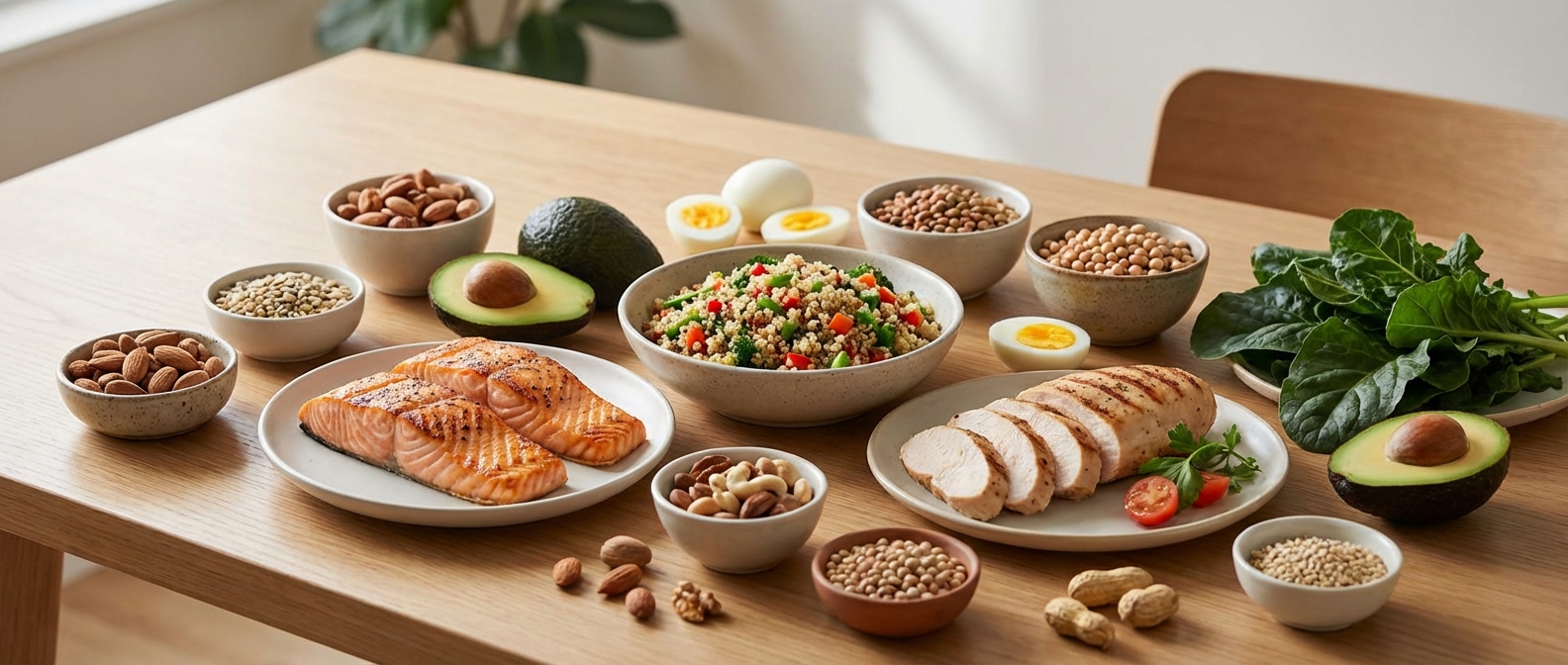
Healthy and high protein meals have become a cornerstone of many Australian diets, whether for supporting an active lifestyle, managing health conditions, or promoting overall wellbeing. This guide is tailored for the general Australian public, including health-conscious individuals and carers seeking reliable, practical, and current information. Please note: this article is for informational and educational purposes only and should not replace personalised advice from a qualified medical or nutrition professional. By the end, you will understand what makes a meal both healthy and high in protein, how these choices can benefit your health, relevant safety considerations, and practical strategies for incorporating these meals into your daily routine.
Understanding Healthy and High Protein Meals
High protein foods meals offer a range of health benefits, but making choices that are truly “healthy” involves more than just boosting protein. Meals should also provide essential fibre, vitamins, healthy fats, and minimal added sugars or salt. In Australia, growing public awareness around optimal protein intake is reinforced by guidance from national dietary guidelines and health organisations such as the Australian Department of Health.
Nutritionists highlight that healthy and high protein meals can help maintain muscle mass, support immune health, and stabilise energy. However, Australians should balance their sources of protein—including lean meats, seafood, dairy, legumes, nuts, and plant-based alternatives—to maximise benefits and reduce potential risks.
What Makes a Meal Healthy and High in Protein?
A healthy and high protein meal is structured to provide a significant portion of daily protein needs—typically 20–30 g per meal for most adults—while also fulfilling broader nutritional requirements. The combination of complete proteins, complex carbohydrates, and a range of vitamins and minerals is key.
In Australian diets, protein often comes from lean meat, poultry, fish, eggs, tofu, legumes, seeds, and low-fat dairy products. These foods are favoured not only for their protein content but for their wider nutritional quality—offering iron, zinc, calcium, and unsaturated fats. Including a variety of food groups supports gut health, heart health, and sustained energy throughout the day.
Pro Tip:
For affordable, balanced high protein foods meals, try combining legumes and grains—like lentils and brown rice—to provide complete protein while increasing fibre and minimising food budget pressures.
Why Consider High Protein Foods Meals? (Primary Intent: Educational/Preventative)
Many Australians seek healthy protein meals to build muscle, manage weight, or support particular health goals. Adequate protein intake is crucial for maintaining muscle and bone health, producing hormones, and supporting immune and metabolic function, as outlined by the National Health and Medical Research Council.
Regularly including high protein foods meals can also help with appetite control. Higher protein content is linked to longer-lasting feelings of fullness, which may help with weight management for some people. This is especially relevant for adults over 50, as muscle loss becomes a health concern.
Benefit Overview
- Supports tissue repair and muscle growth following exercise or injury
- May reduce cravings and snacking by increasing satiety
- Could help maintain metabolic rate during ageing or weight loss
- Often pairs with nutrient-rich food choices that benefit heart health and gut microbiome
Limitation
Not everyone needs the same amount of protein—individual requirements vary by age, activity, health status, and other factors. Overly high protein diets can place strain on kidneys in people with certain medical conditions. A balanced approach and diversity in food sources are best.
Recognising the Signs of Too Little or Too Much Protein
Protein requirements are individual, but both insufficient and excessive intake can cause unwanted health effects. Here’s how to spot potential symptoms worth discussing with a healthcare professional.
| Protein Intake Level | Common Symptoms | When to Seek Help |
|---|---|---|
| Too little | Fatigue, slow wound healing, muscle loss, brittle hair or nails, frequent infections | Persistent weakness, unexplained weight loss, noticeable muscle wasting |
| Too much | Thirst, digestive upset (nausea, constipation), bad breath, possible kidney strain | Ongoing digestive discomfort, changes in urination, kidney or liver concerns |
It’s important to remember that symptoms like fatigue or digestive upset are not exclusive to protein issues—multiple causes are possible. If you notice any persistent problems, particularly when making significant dietary changes, consulting your GP or an Accredited Practising Dietitian can help clarify the cause.
Common Causes for Protein Deficiency or Excess (Secondary Intent: Cause & Risk Factors)
For most Australians, protein intake is adequate. However, certain factors can place groups of people at risk of both low and excessive intake.
Causes of Not Enough Protein
- Restrictive diets (such as vegan or some weight-loss plans) not well planned
- Chronic illness affecting appetite or digestion
- Aging, due to reduced calorie intake or changes in taste
- Socioeconomic barriers affecting access to diverse protein sources
Causes of Excessive Protein Intake
- Supplements or protein-fortified products used without guidance
- High meat diets, particularly popular in some gym-focused communities
- Mistaken beliefs about “more is always better” when it comes to protein for weight loss or muscle gain
Diverse, balanced meals are safer than rigid, single-food approaches to healthy protein intake.
At-Risk Groups in Australia (Secondary Intent: Lifestyle Impact & Population Focus)
Australians of all backgrounds enjoy protein-rich diets, but some may need to pay closer attention to their intake. Understanding these key groups can help individuals and carers make more informed meal choices.
Australians who may need more protein:
- Older adults (over 65), for the prevention of muscle loss (sarcopenia risk)
- Pregnant or breastfeeding women, due to increased needs
- People recovering from surgery or illness
- Highly active individuals, including athletes and those doing strength training
Australians who should be cautious with high protein diets:
- People living with kidney or liver conditions
- Children, who need protein but not excessive adult portions
- Anyone considering restrictive or extreme diets without professional oversight
Most people can safely enjoy healthy and high protein meals by focusing on whole foods and maintaining dietary variety. Specialised nutrition plans should be developed with input from a healthcare provider.
How to Build Healthy Protein Meals: Australian Guidance & Practical Tips
With the abundance of fresh produce and local protein sources, it’s possible to create simple, budget-friendly meals that exceed basic nutrition targets. Australian guidelines encourage mixing plant and animal proteins across the week, reducing red and processed meat, and maximising intake of seafood, legumes, and nuts.
Checklist: Building a Balanced, High Protein Meal
- Start with a core protein: grilled chicken breast, firm tofu, baked fish, eggs, Greek yoghurt, legumes
- Add a whole grain: brown rice, wholemeal pasta, quinoa, barley, or seeded bread
- Fill half your plate with colourful veggies (beetroot, capsicum, spinach, broccoli, tomatoes)
- Add healthy fats: a drizzle of olive oil, small handful of unsalted nuts or seeds, or avocado
- Minimise sauces high in added salt or sugar
- Season with fresh herbs, garlic, and lemon for flavour without extra kilojoules
Modifying recipes to suit dietary restrictions—like using lactose-free dairy, plant-based protein for vegetarians, or lower-sodium options for blood pressure concerns—helps ensure meals remain both high in protein and health focused.
Healthy and High Protein Meals: Real-World Examples for Australian Diets
Whether cooking at home or selecting options from supermarkets and cafes, Australians have many choices. Below are some meal ideas that balance protein, fibre, and healthy fats in line with national recommendations.
| Meal Idea | Main Protein Source | Other Health Features |
|---|---|---|
| Grilled salmon with quinoa tabbouleh | Salmon fillet | Omega-3 fats, whole grains, lots of veggies |
| Chickpea and roast pumpkin salad | Chickpeas | High fibre, vegetarian, full of antioxidants |
| Stir fry with lean beef and mixed vegetables | Lean beef strips | Iron-rich, low in saturated fat, quick to prepare |
| Egg and spinach wrap with feta | Eggs and feta cheese | Calcium, plant phytonutrients, convenient for lunch |
| Lentil & veggie soup with a grain roll | Lentils | Plant-based, contains all essential amino acids when paired with grain |
For ready-made options, supermarkets now stock a wide variety of high protein yoghurts, milks, and meal bases. When choosing pre-packaged meals, check for sodium, added sugars, and fat content to ensure overall healthfulness.
Risks & Safety Considerations: Is High Protein Eating Suitable for Everyone?
While many people benefit from increased protein, some should approach high protein diets cautiously. Excessive intake can put pressure on the kidneys, especially in those with pre-existing kidney disease, as cautioned by the Kidney Health Australia.
Other potential concerns include:
- Reduced intake of other important food groups (e.g., whole grains, fruits) if meals focus too narrowly on protein
- Digestive upsets (constipation, bloating) if meals lack enough fibre or fluid
- Environmental impact considerations of frequent meat-heavy meals
Healthy protein meals should be part of a broad, balanced diet. If you contemplate significant dietary changes or have medical conditions, a registered health professional should be consulted.
Practical Strategies for Accessing Healthy Protein Meals in Australia
For many Australians, time, budget, and food access can affect protein choices. Here are practical steps to boost protein variety and quality:
- Buy frozen fish, chicken, and legumes in bulk to reduce cost per serve
- Use tinned beans, peas, or lentils as affordable protein sources for salads and curries
- Explore local farmers’ markets for fresh eggs, dairy, and ethically raised meats
- Batch-cook high protein meals ahead of time and freeze individual serves
- Take advantage of supermarket ‘high protein’ labels, but always verify nutrition panels for added sugars and sodium
- When eating out, look for menu items with legumes, fish, or grilled poultry instead of deep-fried or fatty meats
Access to healthy and high protein meals is growing in Australia, yet awareness of what constitutes a balanced, health-promoting meal remains important. If you have further questions about your protein requirements, an Accredited Practising Dietitian or your local GP can provide personalised advice.
FAQ
What are complete protein sources for Australians following a vegetarian diet?
Complete protein sources contain all nine essential amino acids needed by the body. For vegetarians, foods like eggs, dairy, soy products (such as tofu and tempeh), and the combination of legumes with grains (e.g., beans with rice) provide complete proteins. Including a range of these foods daily supports balanced, healthy protein meals.
Can healthy and high protein meals help with weight management?
High protein meals may support weight management by promoting feelings of fullness and helping preserve muscle mass during weight loss efforts. However, protein should be balanced with adequate fibre, healthy fats, and a broad mix of nutrients to ensure safe, sustainable results. Always consult a health professional before starting a new diet plan.
Are protein supplements necessary for active or older Australians?
Most active or older Australians can meet their needs through whole foods if meals are well planned. Protein supplements can be convenient in some situations—such as post-exercise recovery or difficulty eating enough due to illness—but are not required for most people. Supplement use should be discussed with a health professional to avoid excess.
What should I watch out for with supermarket ‘high protein’ products?
Some products marketed as ‘high protein’ may also contain added sugar, salt, or unhealthy fats. Always read the nutrition panel, compare products, and choose options rich in protein with minimal additives. Whole food sources remain the healthiest foundation for protein intake.
When should I seek medical advice before changing my protein intake?
Seek medical advice if you have existing kidney or liver conditions, are elderly or frail, are pregnant or breastfeeding, or are planning significant dietary changes. Professional guidance ensures your meal choices meet your personal health needs safely.