

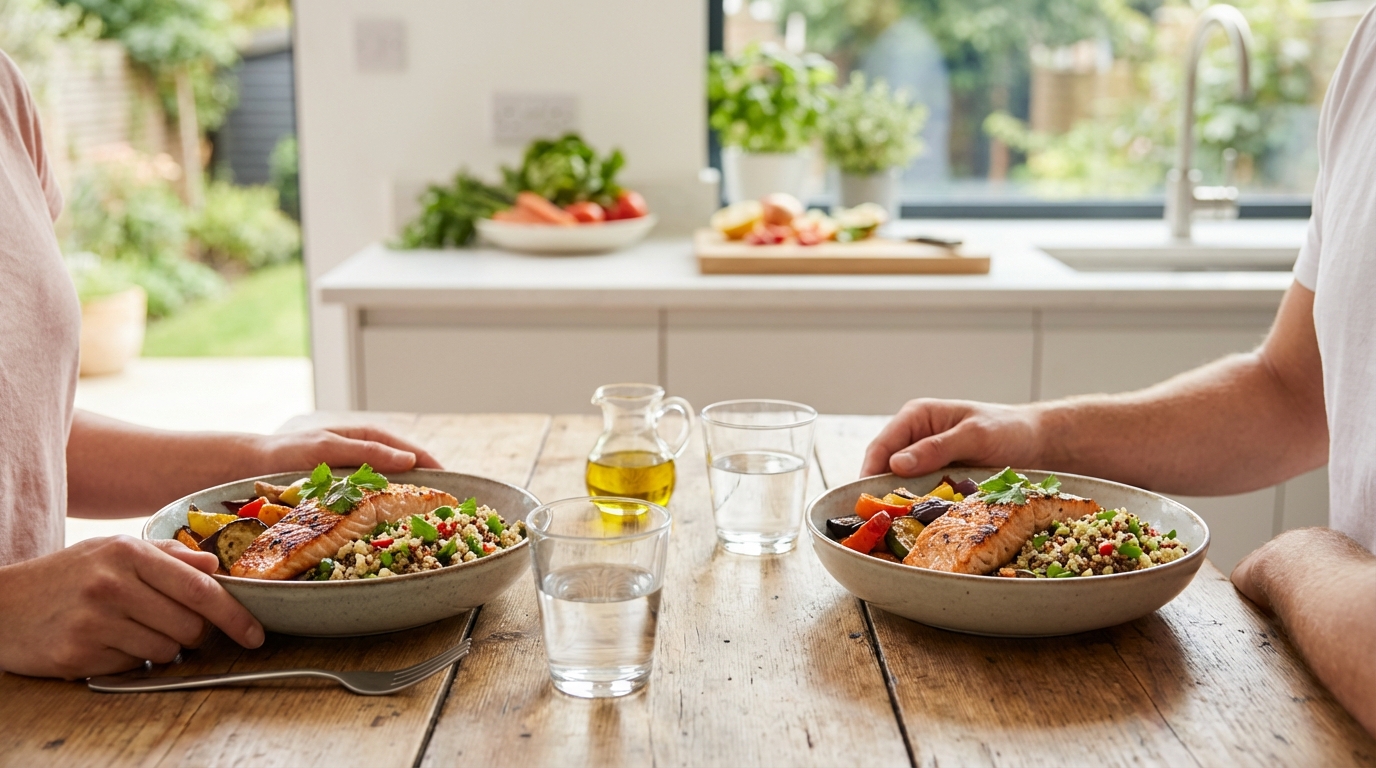
With growing interest in nutrition and healthy living, Australians are increasingly seeking healthy dinner options for two that support wellbeing without compromising taste or convenience. This article is crafted for health-conscious Australians—whether individuals, couples, or carers—who want accessible, evidence-based guidance on planning nutritious evening meals. Please note: this content is for general informational purposes and is not a substitute for personalised medical advice. By reading, you’ll better understand how to design balanced dinners, individualise your menu, recognise potential nutrition pitfalls, and make choices in line with Australian dietary guidelines.
Balanced Healthy Dinner Options for Two: What You Need to Know
Understanding the Importance of Healthy Dinners: Educational Intent
Healthy dinners form a cornerstone of daily nutrition, especially when shared between two people. Choosing healthy dinner options for two can improve energy levels, sleep quality, and long-term wellbeing, as advocated by the National Health and Medical Research Council. A balanced dinner provides an ideal mix of lean protein (such as chicken, tofu, or fish), whole grain carbohydrates, fresh vegetables, and healthy fats. This combination assists in stabilising blood sugar, supporting heart health, and maintaining a healthy weight—key priorities recognised by Australian health authorities like Health.gov.au.
For couples, small households, or carers, planning for two people needs careful attention to portion sizes and food safety. Unlike larger meal prep approaches, recipes for two allow better control over leftovers, reduce waste, and support mindful eating. Moreover, this format encourages a collaborative approach to nutrition—an aspect that can foster better habits and increased dietary satisfaction.
Understanding what constitutes a “healthy” dinner also means guarding against oversimplifications. It’s not just about calorie restriction or low-carb trends; rather, consistency, moderation, variety, and food safety all matter. This article addresses each element, ensuring up-to-date, Australia-relevant advice for safe, sustainable dietary choices.
Common Signs of Poor Dinner Habits: Symptoms & Warning Signs
Recognising patterns or symptoms of suboptimal dinner choices is key to prevention. While occasional indulgence is normal, recurrent poor habits may result in:
- Feeling sluggish or excessively tired after eating
- Experiencing digestive discomfort, such as bloating or heartburn
- Missing out on essential nutrients or consistently choosing processed foods
- Frequent late-night snacking due to unsatisfying main meals
Ignoring these warning signs may increase the risk of nutrient deficiencies and chronic conditions, as noted by both Nutrition Australia and the Cancer Council. Particularly for small households, lacking meal variety or defaulting to convenience options may result in excessive salt, saturated fat, or sugar intake—factors linked to increased heart disease, diabetes, and poor metabolic health. If you consistently experience concerning symptoms after dinner, such as severe abdominal pain or unexplained weight changes, seek professional advice from your GP or an accredited practicing dietitian.
| Warning Sign | Potential Cause | When to Seek Advice |
|---|---|---|
| Daily bloating | Excess sodium, low fibre | If persistent or severe |
| Fatigue or poor sleep | Heavy or unbalanced meals | If ongoing despite adjustments |
| Digestive discomfort | Overeating, food sensitivities | If pain or lasting issues occur |
Key Causes and Contributing Factors: What Leads to Unhealthy Dinner Choices?
There are several intertwined factors behind less-than-healthy dinner meals for 2. Common contributors include:
- Time constraints: Busy lifestyles push couples and individuals towards convenience foods or takeaway, often higher in unhealthy fats and salt.
- Limited cooking skills or confidence: Unfamiliarity with simple, healthy recipes may result in a narrow meal repertoire.
- Lack of menu inspiration: Without a variety of healthy dinner recipe ideas for two, it’s easy to repeat the same dishes or rely on processed choices.
- Poor meal planning: Not pre-planning dinners can lead to last-minute decisions, which often favour quick but less nutritious options.
These factors, especially when combined with insufficient whole foods and highly processed ingredients, increase the risk of nutrient deficiencies, weight gain, and long-term health challenges. Australian dietary guidelines recommend at least five serves of vegetables and two of fruit daily—goals that become challenging without thoughtful dinner planning for two. Further, understanding local supermarket options, budget constraints, and seasonal ingredients helps individualise your healthy dinner approach.
Limitation: While these causes are broadly applicable, individual dietary requirements (such as allergies or chronic medical conditions) may necessitate professional support. For tailored advice, consult an accredited practising dietitian via your local health service.
Healthy Dinner Menus for Two: Real-World Australian Options
Designing healthy dinner menus for two can be accessible, affordable, and flavourful using local produce and familiar staples. Below is a sample menu rotation, aligned with the Australian Guide to Healthy Eating and suitable for busy households, couples, or those looking for new meal inspiration. Each dinner option integrates at least three core food groups, features a balance of energy sources, and minimises added salt and saturated fat.
- Grilled barramundi with sweet potato mash and steamed broccolini
- Chickpea and spinach stir-fry with brown rice
- Lean kangaroo steak, pumpkin salad, and wholemeal damper
- Stuffed capsicums with quinoa, lentils, and feta
- Chicken and vegetable tray bake with rosemary and garlic
Not only do these easy and healthy dinners for two provide vital micronutrients and fibre, but they also showcase flexibility. For example, plant-based proteins can be swapped for animal proteins, or seasonal vegetables can be substituted to suit preferences or availability. See further practical examples in the “recipe ideas” section below.
Pro Tip: Double your vegetable portions and halve your starchy side for a simple boost in fibre, vitamins, and satiety—an approach widely endorsed by Australian nutrition professionals.
| Recipe Type | Main Ingredient | Key Benefit |
|---|---|---|
| Seafood | Barramundi | Rich source of omega-3 for heart health |
| Vegetarian | Chickpeas | High fibre and plant protein |
| Lean Red Meat | Kangaroo steak | Low fat, iron rich, local and sustainable |
| Poultry | Chicken breast | Versatile, low in saturated fat |
Easy and Healthy Dinners for Two: Recipe Ideas & Stepwise Guidance
Recipe 1: Speedy Salmon & Greens
This dish is a healthy supper recipe for two with heart health benefits and minimal clean-up.
- 2 skinless salmon fillets
- 1 tablespoon olive oil
- 1 bunch of asparagus, trimmed
- 1 cup cherry tomatoes
- Fresh lemon wedges
Instructions: Drizzle olive oil over salmon, season with pepper, and grill for 8 minutes, turning once. Arrange asparagus and tomatoes on a baking tray, toss with a little olive oil, and roast for 10 minutes. Serve with lemon wedges and a sprinkle of parsley.
Example limitation: Salmon is nutrient-rich but may not suit those with particular seafood allergies. Always consider household dietary requirements.
Recipe 2: Veggie-Packed Stir Fry
Perfect for easy healthy dinner recipes for two, this vegetable stir-fry supports daily fibre and vitamin targets.
- 1 cup broccoli florets
- 1 cup sliced capsicum
- 1 carrot, julienned
- 200g firm tofu, cubed
- 2 teaspoons reduced-salt soy sauce
- 1 teaspoon sesame oil
- Steamed brown rice to serve
Instructions: Fry tofu cubes in hot sesame oil until lightly golden. Remove and stir-fry vegetables for 3–4 minutes. Return tofu to the pan, add soy sauce, and cook for an additional minute. Serve atop brown rice.
Caution: Those managing sodium-sensitive conditions should consider reducing or omitting soy sauce, or using a salt-reduced alternative.
Recipe 3: One-Pot Chicken with Quinoa
Simplifying prep and clean-up, this nourishing meal aligns with healthy dinner suggestions for two that won’t stress your schedule.
- 2 small chicken breasts, diced
- 3 cups mixed vegetables (zucchini, peas, carrots)
- 1 cup quinoa, rinsed
- 2 cups low-salt vegetable stock
- Dried Italian herbs
Instructions: In a large pan, sear chicken pieces lightly. Remove, then add vegetables and quinoa, pour over stock and herbs, and simmer covered for 15 minutes. Add chicken, cover, and cook for a further 8–10 minutes until quinoa is tender and chicken is cooked through.
Risk note: Always ensure chicken is cooked thoroughly to minimise the risk of foodborne illness. See the checklist below for more prevention tips.
Australian Guidelines for Safe & Nutritious Dinner Preparation
Maintaining food safety and nutritional balance is as crucial as meal selection. Here’s an evidence-based checklist tailored to Australian homes for planning and preparing healthy dinners for two safely:
- Choose fresh, seasonal Australian produce to maximise nutrients
- Keep lean protein portions about the size of your palm per person
- Fill at least half your plate with non-starchy vegetables
- Limit commercially processed sauces or dressings, opting for herbs, spices, and lemon juice
- Store perishables below 5°C and avoid cross-contamination between raw and cooked foods
- Refrigerate leftovers promptly and consume within 1–2 days
- Refer to Food Standards Australia New Zealand guidance for specific advice
Adhering to these safety measures prevents foodborne illness, reduces waste, and supports the nutritional value of your meals. Households with vulnerable members, such as older adults or those managing chronic conditions, should remain particularly vigilant about food handling and storage.
Risk Awareness: Limitations and When to Seek Professional Help
While healthy dinner meals for 2 can be part of a preventative strategy against chronic disease, it’s essential to acknowledge possible limitations. For people with allergies, chronic illnesses, or specific dietary requirements—such as those with diabetes, coeliac disease, or renal conditions—mainstream recipe ideas may not be suitable. These groups may need personalised nutrition guidance from a credentialled dietitian.
Another risk comes from well-intentioned but restrictive diets, which can accidentally result in nutrient gaps or social stress around meals. If you find yourself experiencing ongoing digestive symptoms, dramatic weight changes, or difficulty maintaining a balanced intake, consult a health professional. Further, partners and carers should be attentive to the unique needs of each individual, particularly during life changes, recovery from illness, or medication adjustments.
Always avoid self-diagnosing or making dramatic dietary changes without professional input. For personal health assessments or managing nutrition-sensitive conditions, access services through your local GP practice or via Eat for Health’s national directory.
Checklist: Planning Safe, Balanced Dinners for Two
- Review dietary requirements and allergies before planning
- Plan ahead for 3–5 days to reduce decision fatigue
- Vary protein sources (seafood, legumes, lean red meat, poultry, eggs)
- Choose whole grains over refined when possible
- Include at least 3 colourful vegetables each night
- Use the “half plate” rule for vegetables
- Rotate menu ideas weekly to support variety
- Limit added salt, use fresh herbs or lemon juice for flavour
- Share meal preparation to make the process social and sustainable
- Monitor for symptoms of intolerance or recurrent digestive issues; seek professional advice if persistent issues develop
FAQ
- What are the best healthy dinner meals for 2 Australians with limited time?
- Quick stir-fries using pre-chopped veggies, grilled lean proteins (like fish or chicken), and one-pan bakes are popular for their speed, minimal prep, and alignment with Australian dietary guidelines.
- How can I prevent boredom with healthy dinner menus for two?
- Vary protein sources each week, experiment with seasonal produce, swap herbs and spices, and adapt global cuisines. Joining an online meal-planning community or consulting Australian health resources can boost inspiration.
- Are easy and healthy dinners for two safe for people with special dietary needs?
- Many meals can be adapted for common needs such as gluten-free, dairy-free, or low-sodium diets, but individual advice is crucial for medical conditions. Always check food labels and consult an accredited practising dietitian for guidance.
- What are common mistakes in planning healthy dinner options for two?
- Relying too heavily on processed ingredients, skipping vegetables, not adjusting portions, or failing to store leftovers properly can undermine healthy intentions. Meal prep and following Australian food safety recommendations help avoid these issues.
- When should I seek medical advice about dinner-related symptoms?
- If you experience persistent digestive discomfort, severe fatigue, unexplained weight changes, or other ongoing symptoms despite dietary changes, consult your GP or a dietitian for a professional assessment.