

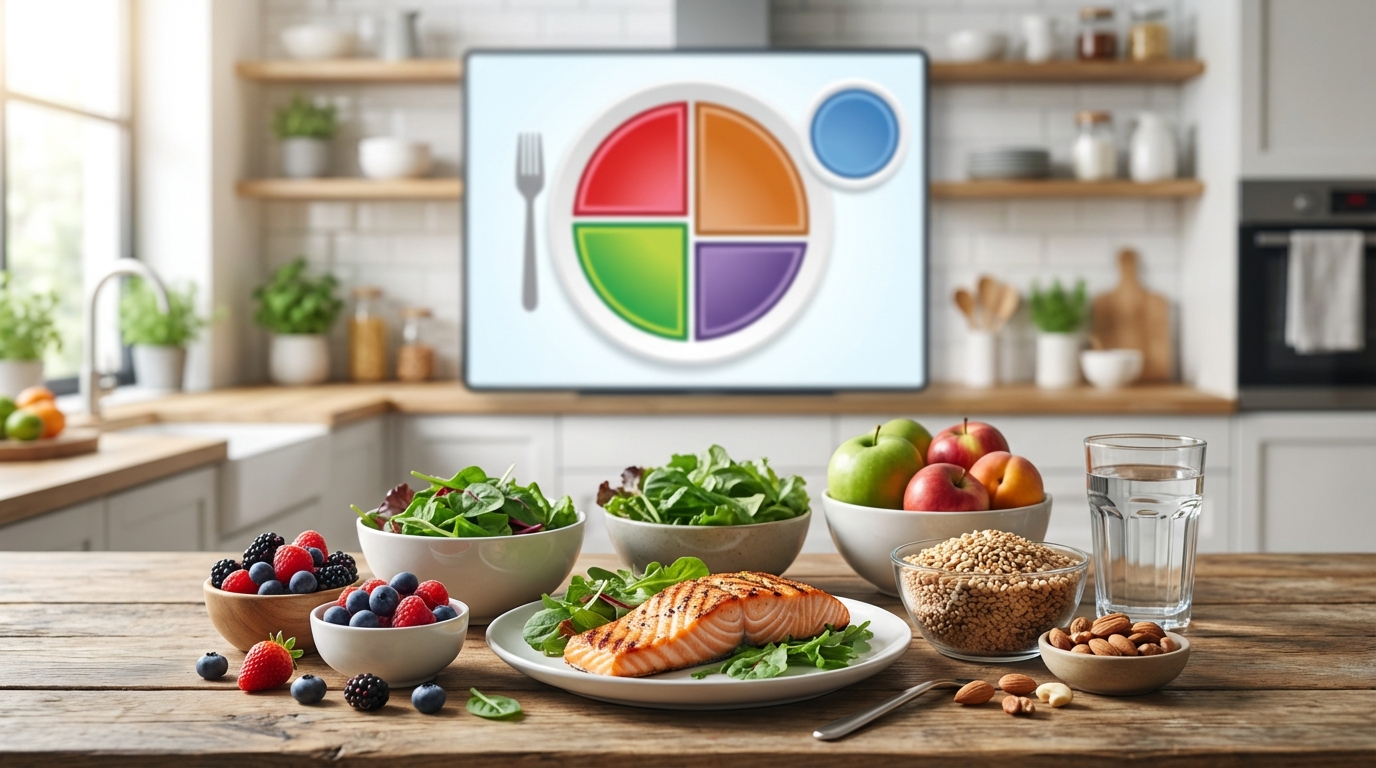
Understanding Healthy Eating Posters: Your Guide to Better Nutrition in Australia
Healthy eating posters are valuable tools for Australians seeking reliable dietary guidance, practical meal ideas, and prevention tips for chronic health conditions. This educational resource is designed for the general Australian public, including health-conscious readers, families, carers, and anyone interested in making informed choices about their daily eating habits. Please remember: this article is for information and awareness only, and should never replace personalised medical advice from your doctor or an accredited dietitian. By reading on, you’ll gain a clear understanding of what a healthy eating poster offers, how to use this resource for prevention, important risks and limitations, and real-world application within the Australian context.
What Is a Healthy Eating Poster?
A healthy eating poster is a visual guide designed to promote balanced, nutritious eating in a simple, accessible format. These posters are widely used in Australian schools, clinics, community centres, and home environments to encourage individuals and families to adopt healthier dietary patterns. The primary keyword—healthy eating poster—reflects graphics that summarise food group recommendations, portion sizes, and healthy meal suggestions.
One of the best-known examples is the Australian Guide to Healthy Eating, published by the Australian Government’s Department of Health and Aged Care. Some posters address specific topics, such as the “healthy poster” format for schools or the popular “eat healthy be healthy poster”, and provide practical checklists and everyday examples.
While these resources are widely trusted, it is important to recognise that healthy eating posters provide general guidance rather than tailored medical or therapeutic advice.
The Purpose and Benefits of Healthy Eating Posters
Educational and Preventative Intent
The main intention of a healthy eating poster is to educate Australians about the core principles of a healthy diet and to support proactive prevention of lifestyle-related health concerns—such as obesity in Australia, type 2 diabetes, high blood pressure, and heart disease. Posters often distil complex nutritional science into easy-to-understand graphics, allowing viewers to grasp key food groups and serving size recommendations at a glance.
As a preventative tool, posters nudge people towards healthy meals and habits before symptoms or chronic issues arise, supporting lifelong health and wellbeing. School-based healthy meal posters have also shown to improve children’s awareness and food choices over time.
Supporting Healthy Choices in Daily Life
A well-designed healthy diet poster or healthy meal poster breaks down what to put on your plate—fruits, vegetables, grains, protein foods, and dairy/alternatives—by using images, colour coding, and practical examples relevant to the Australian context. This can make confident, nutritious choices more accessible, even when eating out or shopping for groceries.
Limitations: Posters cannot address individual allergies, cultural nuances, or unique health needs. For specific dietary advice, consider an Accredited Practising Dietitian.
Understanding Key Elements: The Australian Guide to Healthy Eating Poster
The Australian Guide to Healthy Eating poster is a cornerstone visual tool in the national dietary advice landscape. Developed in line with the National Health and Medical Research Council nutrition guidelines, this poster is widely recognised and often referenced across health services, education, and fitness settings.
Major Components Typically Included
- Visual segmentation of the key food groups (vegetables, fruits, grains, lean meats and alternatives, dairy/alternatives)
- Portion size and serving frequency, using everyday examples
- Placement of “sometimes foods” and discretionary choices outside of the daily plate
- Messages about water as the drink of choice, and advice to limit added salt, sugars, and saturated fats
By following the visual cues from this healthy poster, audiences can build nutrient-rich meals suitable for most age groups and cultural preferences found across Australia.
Symptoms and Warning Signs: When Your Diet May Need a Re-think
| Potential Symptom | Possible Dietary-Related Cause |
|---|---|
| Low energy/fatigue | Poor breakfast choices, high ultra-processed foods, low iron intake |
| Frequent illness | Insufficient vitamin C/zinc from fruit & vegetables |
| Poor concentration | Imbalanced meals, excessive refined sugar, skipping meals |
| Unintentional weight changes | Unregulated portions, high discretionary foods |
| Digestive discomfort | Lack of fibre (whole grains, veggies, fruit) |
Noticing these signs may suggest your everyday eating patterns could be improved. However, many symptoms may have multiple causes. Persistent or severe issues should prompt a discussion with your GP or dietitian, as other health conditions may be involved.
Contributing Factors: Causes of Poor Dietary Patterns in Australia
Despite the widespread availability of healthy eating education, studies by the Australian Bureau of Statistics indicate that only a minority of Australians consistently adhere to healthy meal guidelines as presented on healthy diet posters. Factors contributing to poor dietary habits include:
- High exposure to ultra-processed and energy-dense, nutrient-poor foods
- Lack of nutrition confidence or education—especially in rural and remote communities
- Time pressures and convenience-driven eating
- Socioeconomic barriers or limited access to fresh produce
- Marketing and advertising of sugary drinks and snacks
- Cultural influences and traditional eating patterns
Identifying the specific causes of less-healthy eating in your household or workplace can support more effective use of posters and outreach campaigns.
Assessing Risk Groups: Who Benefits Most from Healthy Eating Posters?
While every Australian can benefit from the messages of a healthy eating poster, certain groups are more likely to see substantial advantages:
- Children and adolescents learning lifelong habits
- Individuals living with overweight, obesity, or chronic disease
- People from communities with higher levels of food insecurity
- Seniors aiming to maintain functional independence and energy levels
- Pregnant and breastfeeding women (with tailored advice as required)
- Households affected by recent health scares or motivated to make changes
Posters act as positive prompts for nutrition awareness, but risk groups may need additional support or resources for real impact.
Prevention and Management: Using Healthy Eating Posters Effectively
Everyday Prevention Checklist
- Display the poster in high-traffic household areas or school lunchrooms
- Discuss key messages as a family or class before meals
- Use the food group visuals to plan grocery shopping lists and weekly meal prep
- Ensure meal plates are visually similar to the proportions shown
- Track your intake of discretionary foods and limit these
- Stay informed by checking for updates from trusted sources such as the Eat for Health initiative
Pro Tip
Rotate your healthy eating poster every six months to ensure your household remains alert to updated advice and doesn’t become “poster blind.” In classrooms, involve students in making their own simple healthy posters to reinforce learning and engagement.
For ongoing management of health conditions or for highly individualised diets, always seek input from your doctor or a credentialed dietitian.
Potential Risks, Limitations, and Safety Considerations
While a healthy eating poster is a safe and proven educational resource, it’s not without some limitations:
- Generalised advice may not accommodate allergies, religious preferences, or medical dietary needs (like coeliac disease or diabetes management)
- Risk of misinterpretation if graphics are overly simplified or lack cultural context
- May reinforce unhealthy “dieting” attitudes if not supported by positive messaging
- Not a substitute for medical or therapeutic dietary plans
If you have a diagnosed health condition, require allergy management, or suspect an eating disorder, always consult your healthcare professional before making significant dietary changes based on poster guidance.
Comparison Table: Healthy Eating Poster Messages vs. Everyday Eating Pitfalls
| Healthy Eating Poster Guidance | Common Pitfall | Potential Impact |
|---|---|---|
| Fill half your plate with vegetables | Veggies only included in dinners, not lunch/snacks | Lower fibre and nutrient intake, higher risk of chronic disease |
| Choose mostly wholegrains | Frequent selection of white bread, rice, and processed snack foods | Reduced sustained energy and gut health |
| Water as main drink | Regular consumption of sugary drinks or sports drinks | Increased risk of weight gain and tooth decay |
| Include healthy fats from nuts, seeds, avocado | Relying on fried foods or processed spreads | Higher saturated fat, increased heart disease risk |
| Eat a variety of foods from all five groups | Eating the same limited meals each week | Micronutrient deficiencies over time |
FAQ
What is the main purpose of a healthy eating poster?
The main purpose is to promote healthier eating by distilling complex dietary advice into simple, visual messages. Posters help to educate Australians of all ages about the food groups, serving sizes, and balanced meal construction.
Can a healthy poster replace advice from a dietitian?
No, a healthy eating poster provides general guidance but does not account for individual needs, allergies, or specific health conditions. For personalised dietary support, it’s important to seek advice from an Accredited Practising Dietitian or your doctor.
How often should a healthy meal poster be updated?
Displayed posters should be reviewed and refreshed at least every six to twelve months, especially if new guidelines or community health messages are released. This keeps dietary advice current and engaging.
Are these posters helpful for children and families?
Yes, healthy eating posters are especially valuable in settings accessible to children, supporting early nutrition education and family meal planning. Customisable and classroom-friendly posters are also available for schools.
What should I do if I have special dietary needs not covered by the poster?
If you have unique requirements due to allergies, chronic health conditions, or religious and cultural factors, consult a trained nutrition professional for tailored guidance. Posters serve as a broad guide only and should not replace expert advice.