

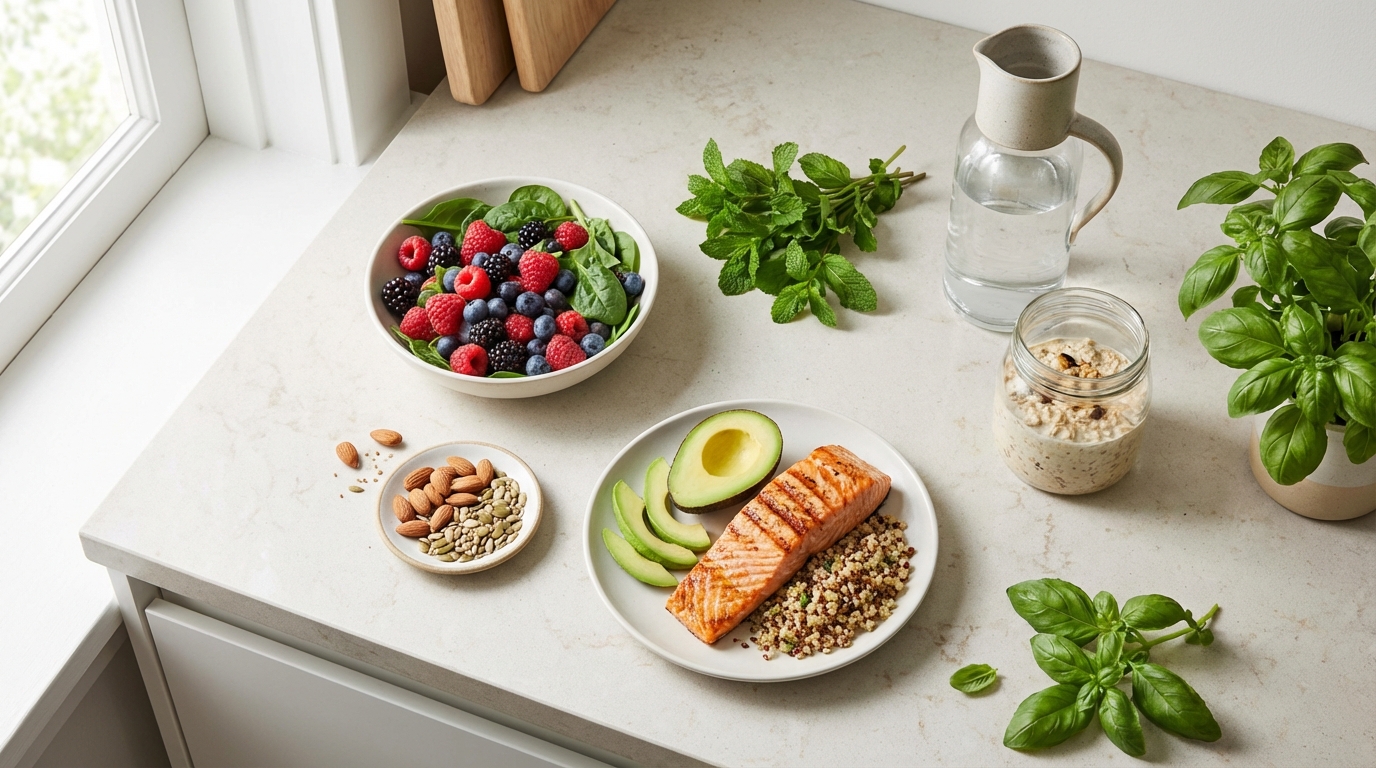
Exploring healthy pics of food can be a motivating and educational way for Australians to learn about nutrition and make positive dietary choices. This article is designed for anyone in Australia interested in improving their eating habits—whether you’re seeking inspiration, supporting a loved one, or guiding children towards healthier options. Please note, this article offers general information and not medical advice. By reading on, you’ll gain a practical understanding of what makes a meal healthy, how to recognise balanced food choices, ways to prevent common dietary pitfalls, and how to use images of healthy meals to inspire safe, achievable lifestyle changes.
Understanding Healthy Pics of Food: Why Visuals Matter for Healthy Eating in Australia
Australians are increasingly turning to healthy pics of food for meal inspiration and educational guidance. With rising interest in health, nutrition, and disease prevention, viewing a picture of healthy food or scanning through pictures of a healthy meal can kick-start new habits. However, it’s important to know what genuine healthy food pictures images represent, how to interpret them correctly, and how to avoid the pitfalls of misleading imagery. In this article, you’ll find evidence-based advice grounded in recommendations from respected health authorities such as the Australian Dietary Guidelines, and learn to recognise both the benefits and limitations of using food photos on your health journey.
What Constitutes a Healthy Meal? Understanding Key Components
A healthy meal typically integrates a variety of food groups. Visuals such as healthy food pictures images can reinforce positive food choices, showing combinations of fresh produce, whole grains, lean proteins, and healthy fats. According to the Australian Government’s Healthdirect platform, healthy meals should emphasise balance, portion control, and nutrient-rich options—whether you’re building a lunchbox for school, preparing a workday lunch, or planning family dinners.
When you look at photo healthy food options online or in magazines, check for the following benchmarks:
- Inclusion of colourful vegetables and fruits
- Presence of whole or minimally-processed grains (such as brown rice, quinoa, or wholegrain bread)
- Sources of lean protein (e.g., eggs, beans, chicken, tofu)
- Small amounts of healthy fats (avocado, nuts, seeds, olive oil)
- Limited visible added sugars, salt, or deep-fried elements
Images that feature these diverse components can help clarify what healthy eating pictures truly represent.
Pics of Healthy Meals: Visual Cues for Healthy Choices
Using pics of healthy meals as an educational tool is both practical and popular—especially as Australians grow more visual in how they engage with nutrition. Platforms like the Nutrition Australia website illustrate well-balanced meals suited to different age groups and cultural backgrounds. Look for photos that display:
- Plenty of plant foods per the ‘half-plate’ rule
- Combination of cooked and raw vegetables
- Diversity in colours and textures
- Proper portion sizes without oversized servings
Understanding portion distortion is critical for interpreting food images—large, lavish portions in photos may not reflect serving recommendations.
| Visual Cue | What to Look For | Potential Pitfall |
|---|---|---|
| Colourful Plates | Multiple colours, lots of fruit/veg | Artificial colours or heavy sauces |
| Whole Grains | Browns, grains with texture (not white/processed) | Breaded/fried grains, hidden added sugars |
| Protein Sources | Lean, plant-based, or grilled proteins | Crumbed, fried, or processed meats |
| Fats & Dressings | Visible small portions—nuts, seed, healthy oils | Creamy dressings, excessive cheese |
Pro Tip: Before adopting a meal from a photo, check that it aligns with the Five Food Groups model promoted by Australian health agencies. Photos can inspire, but always consider the context, serving sizes, and suitability for your needs.
Common Misinterpretations and Risks: Limits of Healthy Food Pictures
While healthy eating pictures are helpful, there are risks and limitations to consider. Not all visually appealing meals are nutritionally balanced, and picture healthy food can sometimes set unrealistic standards due to perfect styling or portion exaggeration. Over-reliance on visuals may contribute to unhealthy comparisons, and some images may even promote fad diets or unbalanced trends.
Australians are advised to:
- Avoid assuming all attractive meals are nutritionally adequate
- Recognise media images often use food stylists (not everyday cooks)
- Be wary of food marketing bias—even so-called “healthy” labelled items may be high in sugar or salt
- Consult an accredited dietitian for personal dietary needs, as photos can’t replace expert guidance
Misinterpretation risks also include inadvertently restricting or avoiding entire food groups after comparing oneself to “ideal” pictures posted online.
When to Seek Professional Guidance
If you find yourself feeling confused, overwhelmed, or anxious after viewing healthy food images, or are unsure whether a meal suits your medical or cultural needs, it’s best to consult an accredited practising dietitian or speak with your healthcare provider. This is especially important for individuals with chronic conditions, food allergies, or those following special diets.
Symptoms of Nutritional Imbalance: What to Watch For
While photos can indicate food variety, they can’t reveal symptoms of underlying nutritional problems. Watch for warning signs in yourself or loved ones:
- Fatigue, ongoing tiredness or lack of energy
- Frequent illness or slow recovery
- Unexplained weight change
- Hair loss or brittle nails
- Digestive discomfort after eating
These may signal gaps in your diet or a mismatch between what looks healthy and what’s truly beneficial. When any of these symptoms arise, seek personalised medical guidance.
Causes and Contributing Factors: Why Australian Diets May Not Match Healthy Images
There’s often a gap between idealised images of healthy food and daily reality. Contributing factors affecting Australians include:
- Busy schedules leading to reliance on convenience foods
- Higher cost and lower access to fresh foods in remote, rural, and low-SES communities
- Food marketing and misleading health claims on packaged foods
- Cultural traditions—some healthy photos may not reflect multicultural food diversity
- Food allergies, intolerances, or chronic conditions affecting choice
Australia’s diverse population should seek visuals and guidance that reflect different needs, food availability, and traditional cuisine in addition to Western models of “healthy”.
| Factor | Australian Example | Effect on Diet Quality |
|---|---|---|
| Time Poverty | No time to cook after shift work | Meal skipping or fast/takeaway reliance |
| Geographic Access | Remote NT community stores | Limited fresh produce, higher prices |
| Marketing | ‘Snack’ bars labelled ‘natural’ | Hidden sugars, overconsumed products |
| Cultural Preference | Traditional Asian or Mediterranean meals | Photos may not reflect cultural staples |
Prevention and Management: How to Build a Healthy Food Routine Using Pictures
Australians can use healthy eating photos to encourage prevention of lifestyle-related conditions—such as obesity, type 2 diabetes, and cardiovascular disease—which remain among the nation’s top health concerns. To wisely incorporate visuals:
- Choose sources for healthy diet pictures based on reputable platforms (such as Healthdirect or Nutrition Australia)
- Translate photo inspiration into small, gradual changes rather than a copycat approach
- Create healthy eating photos of your own meals to track progress and develop positive reinforcement
- Discuss meal changes with family or carers to ensure inclusivity and sustainability
- If you have a diagnosed condition, refer back to medical or dietetic advice before making changes, as not all meal images are medically appropriate
Healthy Food Checklist for Safe, Preventative Meal Planning
| Checklist Item | Why It Matters |
|---|---|
| Vegetables at Every Meal | Supports fibre intake and micronutrients |
| Include Lean Protein | Helps maintain muscle, supports fullness |
| Choose Whole Grains | Better glycaemic control, slower energy release |
| Add a Healthy Fat | Essential for vitamin absorption, brain health |
| Limit Added Sugars & Salt | Reduces chronic disease risk |
Healthy Eating in the Australian Context: Realistic Expectations and Best Practices
While images can motivate and inspire, healthy eating photos should be a springboard for flexible and practical meal choices, not rigid rules. It’s crucial to set realistic goals, particularly if you are supporting carers, children, or older adults. Australia’s multicultural environment and regional diversity mean there’s no single ‘ideal’ meal, but instead a range of healthy options suited to different lifestyles and budgets.
Practical best practices include:
- Using local, in-season produce to save money and boost nutritional value
- Preferring home-cooked meals to processed takeaway whenever possible
- Sharing healthy eating pictures with friends or family to encourage group motivation
- Looking for government or community nutrition programs in your area
If you or your family face specific health challenges, such as managing diabetes or allergies, align meal choices with current clinical guidance from services like Australian Department of Health.
FAQ
- What makes a food photo genuinely “healthy”?
- Genuinely healthy food photos typically show balanced meals with a mix of vegetables, lean proteins, whole grains, and modest healthy fats. Look for minimal visible processed foods, sugars, and heavy sauces. Seek images from reputable health sources, not just social media influencers.
- Are all brightly coloured or beautifully styled meals healthy?
- Not always. Food styling can enhance visual appeal but may not reflect nutritional quality. Some photos may feature oversized portions, hidden sugars, or excessive seasonings. Always assess meals using dietary guidelines, not appearance alone.
- Can viewing healthy eating pictures improve my diet?
- Healthy eating pictures can be motivating and educational, offering ideas for variety and balance. However, actual changes come from applying the principles behind the images: portion control, diversity, and alignment with recognised guidelines. Seek personalised advice if you have dietary restrictions.
- When should I be cautious about adopting meals I see online?
- Be cautious if meals exclude entire food groups without cause, appear portion-distorted, or come from non-expert sources. People with chronic health conditions, allergies, or cultural dietary needs should consult a health professional before following online meal trends.
- Where can I find trustworthy healthy food images in Australia?
- Trusted images are available on platforms such as Healthdirect Australia, Nutrition Australia, and resources provided by the Australian Government Department of Health. These sites offer evidence-based, relevant, and culturally inclusive examples.