
Your Comprehensive Guide to Healthy Snacks in Australia
Looking for healthy snacks to fit your busy Australian lifestyle? This article is for health-conscious individuals, carers, and anyone seeking nutritious snack ideas for work, home, or on the go. The information presented here is for educational purposes only and is not a substitute for medical advice. You’ll gain practical tips on choosing, preparing, and understanding healthy snack options, discover nutritional snack ideas and recipes, and learn how to avoid common risks or pitfalls associated with snack foods in the Australian context.
Why Healthy Snacks Matter: Understanding Their Role in Australian Diets
Healthy snacks play an important part in supporting balanced nutrition and steady energy throughout the day. For many Australians, long work hours or active lifestyles mean meals can be irregular, leading to increased snacking. While snacking can help prevent low blood sugar and keep energy levels up, not all snack foods offer the same health benefits.
Nutritious snack recipes can help manage appetite between meals, support muscle recovery after exercise, and provide essential vitamins and minerals. Incorporating healthy snack foods for work or school enables better concentration and productivity. However, many packaged snacks found in Australian supermarkets are high in salt, sugar, or saturated fat, which can increase the risk of chronic health conditions such as heart disease, obesity, and type 2 diabetes, as outlined by resources like the Australian Dietary Guidelines.
By learning what defines a healthy option and understanding the risks of processed snacks, Australians can make more informed decisions for themselves and their families.
What Makes a Snack Healthy? Key Nutritional Factors and Warning Signs
Determining whether a snack is healthy involves looking at several factors as recommended by the Nutrition Australia: Healthy Snacks resource and similar evidence-based guides:
- Fibre: Snacks rich in wholegrains, vegetables, fruits, and nuts help promote fullness and support gastrointestinal health.
- Protein: Including yoghurt, lean meats, cheese, or legumes can support appetite regulation and muscle repair.
- Healthy fats: Unsalted nuts, seeds, avocado, and olive oil contribute to heart and brain health.
- Low added sugars and salt: The healthiest snacks are those with little or no added sugar or sodium.
- Minimal processing: Foods that resemble their natural state typically boast better nutritional value.
Warning signs that a snack may be less healthy include long ingredient lists with unrecognisable additives, a high content of refined grains, saturated fat, or artificial sweeteners. Australians are encouraged to check nutritional labels, even on products marketed as “healthy.” For further information, consult health authorities such as Healthdirect Australia: Healthy Eating.
Popular Australian Healthy Snack Ideas: Practical Examples and Real-Life Scenarios
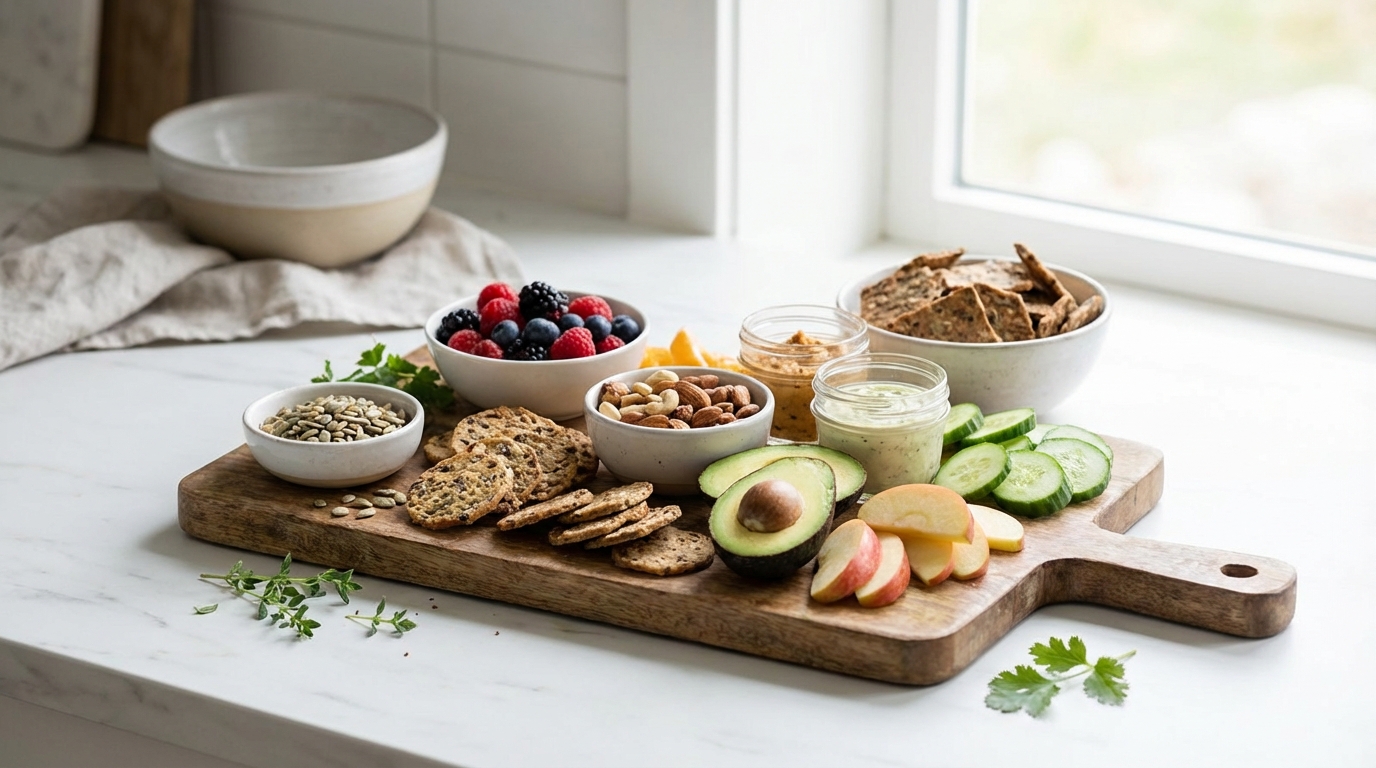
Incorporating healthy snacks into daily life can be straightforward and enjoyable. Here are some popular snack food options favoured across Australia, suitable for both adults and children:
- Fresh fruit slices with unsweetened Greek yoghurt
- Wholegrain crackers with low-fat cheese and tomato
- Healthy baked snacks such as homemade oat and banana muffins
- Unsalted mixed nuts and seeds
- Vegetable sticks (carrot, celery, capsicum) with hummus
- Corn on the cob or roasted chickpeas
- Mini rice cakes with avocado and black pepper
- Boiled eggs with a sprinkle of dukkah
- Air-popped popcorn with herbs
Real-life example: An office worker might prepare a container with cherry tomatoes, baby cucumbers, and roasted chickpeas for a mid-morning snack. A parent may keep sliced apples and a small tub of Greek yoghurt ready for their child’s afternoon treat.
Pro Tip: For quick, healthy snacks to make at home, try preparing foods in advance and portioning them into reusable containers, making nutritious options as convenient as less healthy alternatives.
Risks and Concerns: Side Effects, Misinterpretation, and When to Seek Professional Advice
While healthy snacks are generally safe for most people, certain risks and misinterpretations can arise. Some snacks that appear healthy—such as granola bars, “protein” balls, or flavoured yoghurt—may contain hidden sugars, artificial additives, or unhealthy fats.
Common side effects of consuming high-calorie “healthy” snacks can include unintended weight gain or digestive issues, especially for those with allergies or intolerances. Over-reliance on packaged “health” snacks may also displace more nourishing meals. Australians with health conditions such as diabetes, coeliac disease, or food allergies need to carefully check ingredient lists and nutritional labels.
| Possible Concern | Potential Risk | When to Seek Advice |
|---|---|---|
| Allergies (e.g., nuts, dairy, gluten) | Allergic reactions, digestive discomfort | If you experience hives, swelling, or breathing difficulty after eating |
| Hidden sugars or high salt | Risk of weight gain, hypertension | If you have a chronic health condition or unusual symptoms after snacking |
| Misleading health marketing | Consuming less healthy products regularly | If you have dietary questions or need guidance, ask a dietitian or GP |
If you are uncertain about which snack foods are right for your unique health needs, consider consulting a registered dietitian or trusted health professional. For severe or ongoing symptoms after eating any snack, seek prompt medical attention.
Prevention and Smart Choices: How to Build Better Snacking Habits
Building sustainable snacking habits can help prevent the negative effects of poor-quality snack foods. Prevention involves regular planning, healthy substitutions, and a mindful approach to eating. Consider these strategies supported by NHMRC healthy eating tips:
- Plan snacks ahead to avoid vending machine or takeaway temptations
- Keep fresh fruit, nuts, or yoghurt within reach at work or on the go
- Choose whole or minimally processed foods over highly processed options
- Aim for a balance of fibre, healthy fats, and protein in each snack
- Read the Nutrition Information Panel on packaged foods before purchasing
- Practice portion control using small containers or snack bags
Australians are also encouraged to involve children in snack planning and preparation, making nutritious eating a family routine and increasing food literacy for younger generations.
| Better Snack Choices | Less Healthy Alternatives |
|---|---|
| Plain popcorn with herbs | Flavoured, high-salt chips |
| Fresh seasonal fruit | Confectionery or muesli bars |
| Natural yoghurt with berries | Sweetened or flavoured yoghurt |
| Homemade veggie muffins | Store-bought pastries |
| Boiled eggs with wholegrain crackers | Highly processed snack packs |
These swaps provide greater nutritional value and reduce exposure to excess sugar, sodium, and unhealthy fats.
Checklist: Building a Healthy Snack Routine
- Include at least one fruit or vegetable in each snack
- Choose unsaturated fats (nuts, seeds, avocado) over processed snacks
- Prepare snacks in advance when possible
- Check food labels for hidden sugars, salt, and additives
- Watch portion sizes, especially with high-calorie foods
- Store healthy options within easy reach at home and work
- Consult a health professional for tailored advice if you have a medical condition
Best Healthy Snack Recipes and Affordable Options for Australians
Homemade snack food recipes allow greater control over ingredients and portion sizes, often at lower cost than packaged options. The best healthy snacks feature simple, accessible ingredients found at most Australian supermarkets, helping reduce reliance on imported or highly processed foods.
Here are several healthy affordable snacks and recipes to try:
- Air-popped popcorn: Toss plain popcorn with a pinch of smoked paprika or nutritional yeast for flavour.
- Banana oat balls: Mash ripe bananas with rolled oats and cinnamon, form into balls, and bake.
- Veggie muffins: Mix grated zucchini, carrot, eggs, and wholemeal flour. Bake in muffin trays for easy snacks.
- DIY nut and seed mix: Combine unsalted nuts, pumpkin seeds, and dried cranberries for a balanced energy boost.
- Rice cakes with cottage cheese and tomato: A simple, quick-to-assemble option.
For inspiration, check websites such as LiveLighter: Snack Recipes for additional nutritious snack recipes tailored to Australian tastes. Preparing snacks in bigger batches can help save time and money throughout the week.
Choosing Healthy Snacks for Work: Tips and Realistic Options
Workplaces present unique challenges for maintaining healthy eating patterns. Vending machines, morning teas, and packed schedules may limit access to fresh, nutritious options. Fortunately, there are several strategies for identifying the best work snack and keeping healthy snack foods available in office settings or on the job:
- Make use of office fridges for quick access to cut fruit or yoghurt
- Bring containers of homemade nutritious snack ideas like sliced vegetables, boiled eggs, or homemade bars
- Avoid keeping confectionery or chips within easy reach at your desk
- Opt for ready-to-eat foods that require minimal preparation and resist spoilage
- Stay hydrated—sometimes thirst can be mistaken for hunger
Easy healthy snacks for work: Small containers of grapes and lightly salted almonds, individual tubs of low-fat ricotta with carrot sticks, or hard-boiled eggs paired with cherry tomatoes are all excellent, portable choices.
As with any environment, if you have health conditions or dietary restrictions, it’s wise to seek individual guidance. Bulk-prepping options—like slicing fruits and vegetables after grocery shopping—can make healthy eating much simpler across a busy workweek.
What Are the Healthiest Snacks? Consumer Questions and Evidence-Based Answers
The healthiest snacks satisfy hunger, offer key nutrients, and align with trusted public health recommendations. In general, Australians are advised to select snacks that are:
- Rich in whole foods (raw or lightly prepared fruits, vegetables, grains, dairy, lean proteins)
- Minimally processed, without excess sugar or salt
- Sized to maintain energy levels and avoid overconsumption
- Appropriate for individual medical or allergy needs
If you have questions about which snacks are best for you—especially if you have unique health needs, take medications, or have allergies—the safest approach is to discuss options with a dietitian, nutritionist, or GP, referencing advice from trusted entities like Better Health Channel: Healthy Snacks.
FAQ
What are easy healthy snacks for work in Australia?
Great choices include wholegrain crackers with cheese, veggie sticks with hummus, boiled eggs, yoghurt with fruit, or unsalted nuts. These are readily available in most Australian supermarkets and easy to prepare in advance.
Are packaged ‘healthy’ snacks really good for you?
Not always. Some packaged snacks marketed as healthy are high in added sugar, sodium, or unhealthy fats. It’s important to read nutrition labels and choose options with minimal ingredients closely aligned with public health advice.
How can I make affordable and healthy snack recipes at home?
Choose seasonal produce, use pantry staples like oats and beans, and batch-cook snacks like veggie muffins or popcorn. Home preparation helps control ingredients, costs, and portion sizes.
Can healthy snacks help with weight management?
Yes, when chosen carefully for nutrient density and portion size. Healthy snacks like fruit, yoghurt, and nuts can support appetite regulation and prevent overeating at mealtimes.
When should I speak to a health professional about snack choices?
If you have allergies, chronic conditions, or concerns about nutrition, consult a qualified health professional for advice tailored to your needs.