

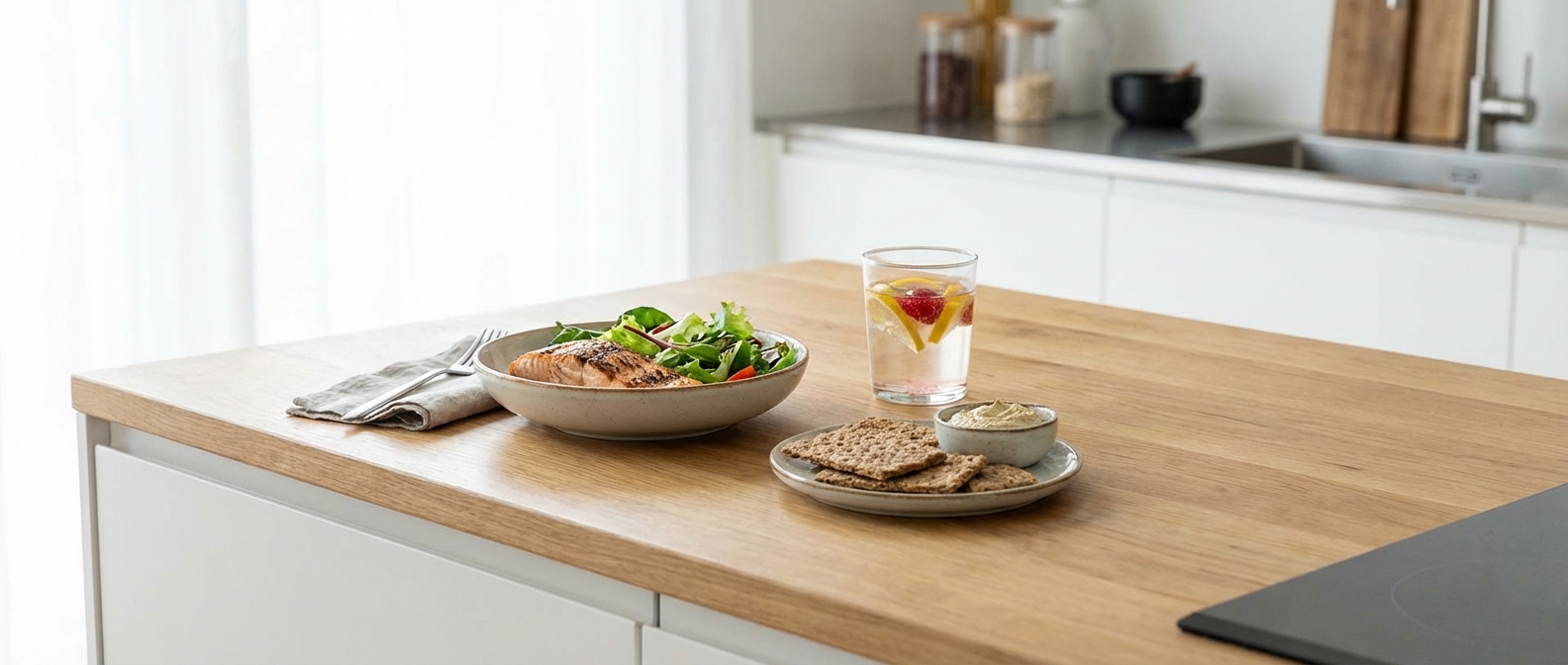
Light meals have gained popularity throughout Australia as more health-conscious individuals seek balanced, easy options for dinner and everyday eating. This educational guide is written specifically for the general Australian public, including patients, carers, and anyone seeking to support their wellbeing through informed meal choices. While exploring light meals and related topics, this article provides up-to-date, evidence-based information without substituting for professional medical advice. By the end, you’ll gain practical understanding of what light meals are, how they can fit into a healthy lifestyle, and how to make the safest decisions tailored to your needs.
Understanding Light Meals and Their Importance in Australian Lifestyles
What Are Light Meals? Exploring the Core Concept
The term ‘light meals’ refers to foods and dishes that are generally lower in energy (kilojoules), saturated fat, and heavy carbohydrates compared to traditional, heavier meal options. For many Australians, light meals are chosen for their easier digestion and support of health-focused eating patterns, whether at dinner or throughout the day.
Light meals include a variety of light dishes for dinner, fast light dinners, and healthy light meal ideas that prioritise fresh produce, lean proteins, and minimal use of highly processed ingredients. Common examples in Australia range from grilled fish with salad, vegetable-based soups, or Asian-style stir-fries using minimal oil, to more creative lite meals such as poke bowls or grain-based salads.
While light food for dinner can provide valuable micronutrients and fit many weight management plans supported by leading organisations such as the Healthdirect Australia and Australian Dietary Guidelines, individual requirements and preferences should always guide dietary choices. Moderation, variation, and personal health goals are all key considerations.
Intent Shift: Causes, Benefits, and Common Triggers for Choosing Light Meals
Why Do People Choose Light Meals?
Australians may opt for light food recipes or light easy dinners for several reasons. Health professionals often report these choices are influenced by:
- Desire for comfortable digestion—reducing gastrointestinal discomfort in the evening
- Weight-conscious goals or seeking to moderate calorie intake
- Health conditions that benefit from lighter, lower-fat meals, such as heart disease, diabetes, or reflux
- Busy lifestyles—lighter meals can be quicker to prepare, transport, and eat on the go (fast light dinner)
- Seasonal preferences—hot weather or activity levels often prompt a preference for light and healthy meals
Many Australians notice improved sleep comfort when choosing lighter dinner options, especially when meals are balanced with protein, fibre, and healthy fats.
Key Benefits and Lifestyle Impact
Embracing light and healthy dinner ideas provides benefits beyond comfort and time savings. According to Nutrition Australia, lighter meal patterns may support:
- Better blood sugar control after meals
- Lower risk factors for cardiovascular disease
- More consistent energy levels throughout the day
- Simplified meal planning and portion control
It is important to recognise that while these benefits are generally applicable, individual dietary needs can vary widely, particularly for those with existing medical conditions or nutritional deficiencies. Consulting a registered dietitian or health professional is recommended when changing meal patterns or if any symptoms or adverse effects are noticed.
Intent Shift: Prevention, Safe Choices, and Symptom Awareness
Preventing Common Pitfalls: Are All Light Dishes Healthy?
While many light dinner recipe ideas and light nutritious meals are healthful, some ‘light’ meals can be misleading. Commercially available lite meals may contain added sugar, excess sodium, or minimal protein and fibre. Labelling such as “lite” or “reduced fat” does not always reflect overall nutritional quality.
There is also a risk of unintended undernutrition if portion sizes are too small or essential nutrients are excluded. This is particularly relevant for older Australians, adolescents, athletes, or those recovering from illness—groups with higher energy and nutrient needs. Relying solely on light food recipes without consideration for protein, vitamins, and minerals may compromise long-term health.
If you notice symptoms such as ongoing fatigue, hair shedding, poor wound healing, frequent illness, mood changes, or significant weight changes, it is essential to seek medical advice. These signs could indicate nutritional inadequacy, whether or not you are intentionally adopting a lighter diet.
Checklist: Safer Approaches to Light and Healthy Meals
- Combine a variety of food groups—include lean protein, whole grains, and plenty of vegetables
- Read nutritional labels—watch for salt, sugar, and saturated fat in pre-packaged lite meals
- Don’t sacrifice essential nutrients for lower calories
- Monitor how you feel—persistent tiredness or other symptoms may be worth discussing with a GP
- Adapt portion sizes to your age, gender, health status, and activity level
- Choose unprocessed, seasonal produce when possible for higher nutritional value
Recognising Symptoms and Warning Signs: When Light Meals Might Not Suit You
Most Australians can safely enjoy light dishes for dinner or light food for dinner regularly as part of a balanced diet. However, there are circumstances where exclusive reliance on light meals may be unsuitable or even risky. Awareness of the signs that may indicate undernutrition, low energy intake, or a diet lacking critical nutrients forms a key part of safe meal planning.
| Warning Sign | What It May Indicate | Recommended Action |
|---|---|---|
| Unexplained fatigue or weakness | Insufficient energy or nutritional intake | Review meal variety; seek medical advice if ongoing |
| Unintended weight loss | Poor nutrient absorption, insufficient calories | Consult a healthcare professional |
| Frequent illness or poor healing | Potential micronutrient deficiencies | Consider dietary changes and GP review |
| Severe or persistent gastrointestinal symptoms | Food intolerance, allergy, or underlying condition | See your GP or seek urgent care if severe |
These warning signs are general in nature. Experiencing any combination of these symptoms warrants professional discussion—do not ignore changes to your health in an attempt to prioritise light eating.
Australian Context: Accessibility, Cost, and Practical Considerations
Accessing Light Food Recipes and Choosing Healthier Options in Australia
The Australian food landscape offers a wealth of local and seasonal produce, supporting both affordability and nutrition. However, access to truly light and healthy meals can be influenced by geographic, financial, and time constraints. Australians in rural or remote locations may rely more heavily on shelf-stable or frozen options, which can still support healthy eating with careful selection.
Supermarkets and fresh food markets across cities such as Sydney, Melbourne, and Perth now offer ready-to-eat healthy light meal ideas and kits, but prices and freshness can vary. If budget is a concern, frozen vegetables, tinned fish (in springwater), and seasonal fruit often provide cost-effective and quick light dinner solutions. Local community programs and online resources from organisations like the Heart Foundation also offer guidance and recipes tailored for the Australian context.
Smart Buying: Pro Tip for Healthier Choices
Pro Tip: When buying supermarket lite meals or pre-packaged light food for dinner, check nutrition labels for protein content (aim for at least 15g per serve) and keep sodium under 400mg per serve where possible. This simple habit supports both taste and heart health.
Light Dinner Recipe Ideas and Australian-Friendly Meal Inspiration
Whether you’re busy after work, cooking for family, or seeking lighter fare due to heat or health reasons, there are plenty of light and easy dinners to suit Australian tastes. Below are commonly enjoyed dishes and approaches, all offering flexibility for personal preference and food availability:
- Grilled Atlantic salmon or barramundi with roast vegetables and a citrus salad
- Stir-fried tofu or chicken with colourful vegetables, served with brown rice or soba noodles
- Lentil and vegetable soup with wholegrain sourdough
- Egg-based frittata with spinach, tomatoes, and feta
- Asian-inspired poke bowl with sashimi tuna, avocado, and pickled vegetables on brown rice
- Roast pumpkin and chickpea quinoa salad with herbs and lemon dressing
- Cold rice paper rolls, packed with prawns, vermicelli, and fresh herbs
For more Australian-specific guidance, the Eat for Health initiative provides free recipe resources to help you plan healthy light meal options without fuss.
Make sure to vary ingredients, adapt recipes for dietary restrictions, and remember that “light” shouldn’t mean undereating—focus on nutrient density to support broader health goals.
Comparing Light Meals With Other Meal Patterns
| Meal Pattern | Energy Level | Typical Suitability | Main Limitations |
|---|---|---|---|
| Light meals (light and healthy dinner ideas) | Lower energy, protein-rich, high in vegetables | General public, weight-conscious, people seeking comfortable digestion | Risk of undernutrition if portion or variety is inadequate |
| Traditional main meals | Higher in carbohydrates, fat, and kilojoules | Athletes, higher energy needs, celebratory occasions | May contribute to weight gain, slower digestion in some people |
| Restrictive or single-food diets | Very low energy or missing key food groups | Short-term medical advice only | Not sustainable; high risk of nutrient deficiencies |
Light and healthy meals can form a sustainable part of your meal pattern, but it’s essential to monitor health and adjust your approach if symptoms or concerns arise.
Managing Risks and Knowing When to Seek Professional Guidance
For most Australians, introducing more light nutritious meals is safe and beneficial. However, risks do exist for certain groups, including children, pregnant and breastfeeding women, the elderly, those with chronic illness, or if restrictive eating patterns develop unintentionally.
- If you have a medical diagnosis that affects nutrient absorption (e.g. coeliac disease, inflammatory bowel disease), discuss dietary changes with your treating team
- Those with histories of eating disorders or disordered eating should approach “light” meal frameworks under the care of a suitable health professional
- Anyone experiencing the symptoms listed above (see warning signs table) should check-in with their GP before making significant meal pattern adjustments
- Randomly cutting food groups or compromising portion sizes in the name of lightness can carry risks—seek professional input for tailored, safe dietary planning
Reliable dietary advice is available through your local GP, Accredited Practising Dietitians, and public resources like Australian Government Healthy Eating. Your healthcare provider can also direct you to community nutrition programs and meal planning support if needed.
FAQ
What exactly makes a meal “light”?
Light meals typically contain fewer kilojoules, less saturated fat, and are often less processed than heavier main meals. Common features include lots of vegetables, whole grains, lean protein, and smaller portion sizes. They focus on easy digestion and balanced nutrition.
Are light and healthy dinner ideas suitable for everyone?
Most people can include light meals as part of a healthy diet, but some groups—like children, older adults, or people with special nutrition needs—may require adaptation. Seeking individualised advice is always the safest option for those with medical concerns.
Can eating only lite meals lead to nutritional deficiencies?
Yes, if meals are not adequately planned or exclude key food groups, there is a risk of undernutrition. It’s important to include protein, healthy fats, and carbohydrate sources, and monitor for signs of fatigue or weight change.
How can I make sure my light dishes for dinner remain satisfying?
Balancing meals with enough protein, using fibre-rich whole grains and vegetables, and adding healthy fats (like avocado or olive oil) helps keep light meals filling and nutritionally complete.
When should I seek health advice about my meal choices?
If you develop ongoing tiredness, frequent illness, sudden weight changes, or digestive issues after switching to lighter meals, consult your GP or a dietitian for assessment and guidance.