
Wondering how to lose weight without exercise? This comprehensive guide is designed for Australians looking to understand practical, evidence-based weight management options without relying on gym routines or strenuous physical activity. Whether you’re health-conscious, supporting a loved one, or seeking dietary and lifestyle adjustments, this article is for educational purposes only and should not replace medical advice. By the end, you’ll understand proven ways to approach weight loss, realistic expectations, potential risks, and when to seek expert support tailored to the Australian context.
Understanding Safe Weight Loss Without Exercise for Australians
Why People Seek Weight Loss Without Exercise
For many Australians, factors such as health conditions, busy lifestyles, mobility challenges, or preference lead to searching for ways to lose weight without regular fitness routines. Common reasons include physical limitations (like joint pain or disability), lack of access to gyms, or time constraints due to work and family duties. While exercise is a healthy part of any lifestyle, it’s just one part of the equation—much of weight management is linked to nutrition, habits, and other factors.
The main intent here is educational: understanding safe, realistic avenues for fat loss that don’t rely primarily on exercise. Secondary considerations include myths around “quick fixes,” and how to maintain progress without risking health. Risk-aware intent focuses on the potential dangers of unsustainable methods and misinformed choices.
It’s worth noting that Australians have access to a range of credible resources and professional support. Aligning with guidelines from bodies like the Australian Department of Health and Australian Dietary Guidelines can help ensure a safe journey.
The Science: How Weight Loss Really Works
At its core, healthy weight loss is about achieving a caloric deficit—consuming fewer calories than your body uses for daily functions and activity. Even without additional exercise, this can be done by:
- Reducing overall calorie intake
- Choosing lower-calorie, nutrient-rich foods
- Making gradual habit changes to support metabolism
Many Australians explore calorie deficit strategies as an effective means to lose weight without hitting the gym. Discover safe approaches in our latest guide.
However, not all calories have the same impact. Highly processed foods, added sugars, and excess saturated fats can promote weight gain even in smaller amounts. A focus on whole foods, portion control, and mindful eating encourages both fat loss and improved wellbeing.
Importantly, rapid or extreme dieting can lead to muscle loss, nutritional deficiencies, or rebounds. The recommendations shared here reflect a balance of safety, realistic pacing, and sustainability.
Main Causes and Contributing Factors of Weight Gain
Understanding what drives weight gain provides context for effective fat burning strategies. In Australia, leading contributors include:
| Cause or Factor | Example or Explanation |
|---|---|
| Poor dietary habits | Regular take-away food, sugary snacks, large portions |
| Sedentary lifestyle | Minimal physical movement in daily life, desk work |
| Hormonal factors | Thyroid disorders, menopause, insulin resistance |
| Medications | Certain antidepressants, steroids, or antipsychotics |
| Psychological & social triggers | Stress eating, emotional comfort foods, social events |
| Genetic influences | Family history of overweight or metabolic issues |
Each of these factors impacts how the body stores and burns body fat, so weight loss efforts are most successful when they address more than just calorie counting. Sustainable approaches consider these underlying influences, especially if obesity or weight gain is persistent despite “dieting.”
Fastest and Safest Ways to Lose Weight Without Exercise
Many popular searches focus on the fastest way to lose weight or ways to drop body fat quickly. While there are ways to accelerate fat burning, these must be evidence-aligned and mindful of safety. Here’s what research and experts consistently recommend:
1. Focus on Whole, Low-Energy-Density Foods
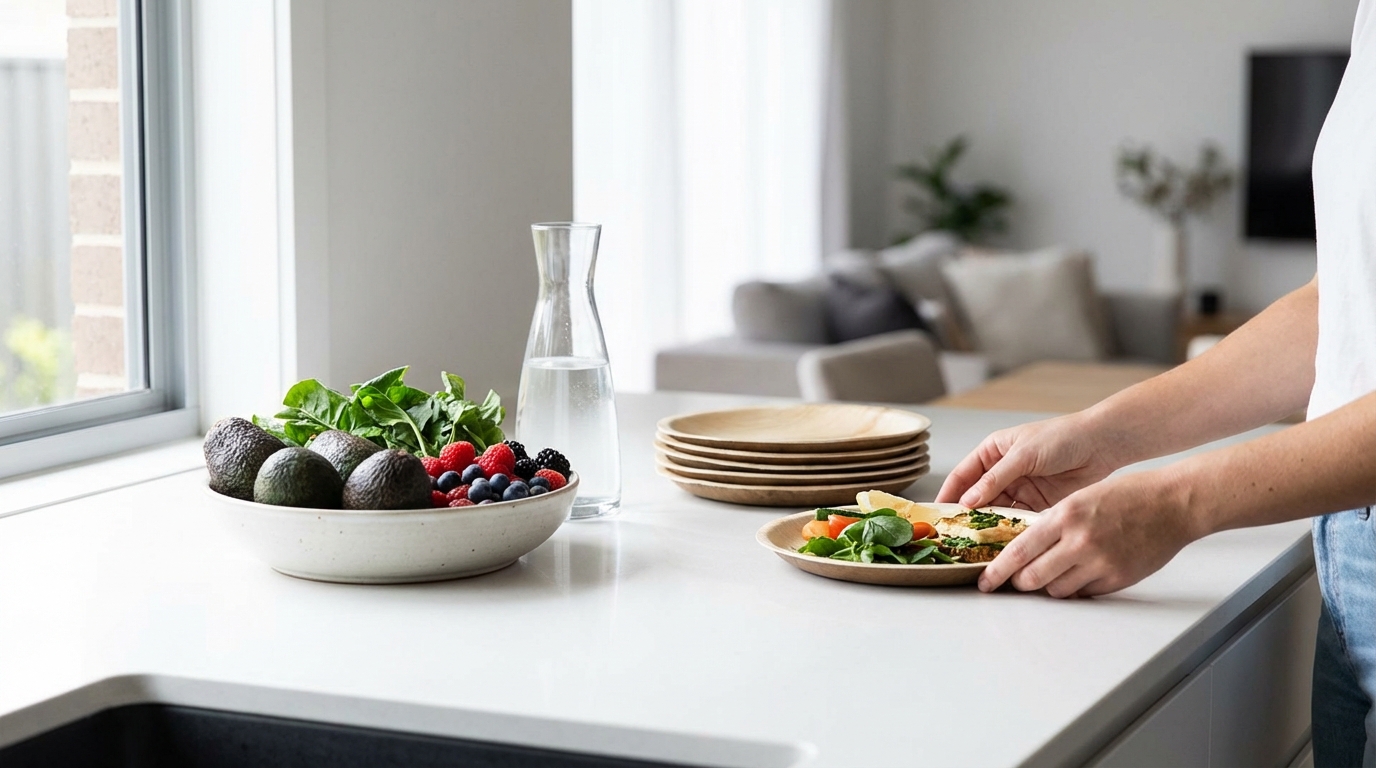
Replace high-calorie, low-nutrient foods with more vegetables, fruits, lean proteins, legumes, and wholegrains. Foods high in fibre and water content keep you fuller for longer, aiding portion control.
For instance, swapping a plate of hot chips for roasted sweet potato or salad not only reduces calories but increases vital nutrients that support metabolism.
Making healthier food swaps can help control calorie intake. Check out our recommendations on healthy foods and snacks for weight loss to make better choices every day.
2. Mindful Eating and Portion Awareness
Slowing down while eating, using smaller plates, and pausing between bites allows for better recognition of natural fullness cues. Many Australians unintentionally consume more than needed due to distracted eating at screens or social functions.
Pro Tip: Try filling half your plate with non-starchy vegetables at each meal. This can “crowd out” higher calorie foods and ease total intake reduction.
3. Reduce Added Sugars and Liquid Calories
Sugary drinks, alcohol, and snack foods add significant calories with little satisfaction. Water, herbal teas, or sparkling water with citrus provide hydration without the kilojoule load. Cutting down on energy drinks, juice, and even large milky coffees can make a noticeable difference in four weeks.
4. Create Consistent Meal Patterns
Skipping meals or extreme fasting can backfire by triggering overeating later. Regular, balanced meals and healthy snacks help regulate energy and prevent bingeing.
Consulting with an Australian-accredited practising dietitian, especially for those with metabolic conditions or on medication, is advisable for tailored advice.
Realistic Quick Weight Loss: What’s Achievable?
Healthy weight loss is typically 0.5–1 kg per week, as supported by the Heart Foundation Australia. This means aiming to lose weight in 4 weeks, a realistic expectation is a reduction of 2–4 kg, depending on starting point and commitment.
Promises of losing 10 kg in a week or “quickest and fastest way to lose weight” often set up disappointment or risky behaviours.
Here’s a practical timeline for gradual fat loss:
| Timeline | Expected Results (Fat Loss) | Notes |
|---|---|---|
| 1 week | 0.5–1 kg | Mostly water weight initially |
| 4 weeks | 2–4 kg | Mostly fat loss if sustained |
| 6–8 weeks | Up to 8 kg, if maintaining healthy habits | Slows over time as body adjusts |
For those wondering how to lose weight in 7 days or how to get skinny fast, focus first on small, consistent changes—these build up to larger, long-lasting results.
Best Tips to Reduce Body Fat Naturally and Permanently
Achieving permanent fat reduction means making lifestyle adjustments that can be maintained, not just short-term diets. Here’s a checklist based on Australian health principles:
| Checklist Item | Purpose |
|---|---|
| Include protein in most meals | Curbs hunger, preserves muscle mass |
| Choose complex carbs (wholegrains, legumes) | Slows glucose spikes, increases fullness |
| Increase dietary fibre | Supports digestion, appetite regulation |
| Watch out for high-calorie sauces & dressings | Hidden kilojoules can add up |
| Plan meals ahead where possible | Reduces impulse eating and take-away reliance |
| Prioritise hydration | Prevents mistaking thirst for hunger |
| Establish a sleep routine | Poor sleep increases hunger hormones |
| Monitor progress weekly (not daily) | Prevents obsessive tracking and stress |
These approaches help reduce body fat ratio, lower body fat percentage, and minimise fat mass over time.
Understanding Body Fat: Ratios, Levels, and Healthy Ranges
Many Australians ask how to reduce body fat ratio or percentage. Body fat percentage is the share of your weight that is fat, compared to lean tissue like muscle and bone. Healthy ranges differ by age and gender but generally fall within:
- Women: 21–33% (adults)
- Men: 8–25% (adults)
Reducing body fat without exercise relies on eating habits, but integrating small movements in daily life—like standing desks or household chores—can support metabolism, even if you’re not formally exercising.
Fish oil, green tea, or other “fat burning” supplements are often advertised but don’t offer true quick weight loss unless paired with whole-of-diet changes. Prioritise proven methods over fads or celebrity-endorsed products.
Risks and Safety Concerns in Quick Weight Loss
Quick tips to lose weight fast, if taken to extremes, can pose serious risks:
- Rapid diets or meal replacements may cause muscle loss and slow metabolism
- Very low-calorie diets risk electrolyte imbalance and vitamin deficiency
- Unbalanced approaches can trigger fatigue, mood changes, and nutritional gaps
According to the Better Health Channel, losing more than 1 kg per week is rarely sustainable or safe without medical supervision. If you’re considering drastic methods or experience symptoms such as dizziness, hair loss, or irregular heartbeat, consult a GP or accredited dietitian promptly.
When to Seek Professional Medical Advice
While you can achieve weight loss at home with dietary and lifestyle changes, certain situations call for expert support:
- Unintentional weight loss or ongoing gain despite efforts
- Existing health conditions (like diabetes, thyroid, or heart issues)
- Medications that impact appetite or body weight
- Mental health concerns, such as eating disorders or depression
Referral to a dietitian or your GP ensures your approach considers your unique health needs and minimises risk. The Dietitians Australia directory can help you find an accredited practitioner for personalised advice.
FAQ
How much weight can you realistically lose in one month without exercise?
Most people can expect to lose 2–4 kg over four weeks through dietary changes alone, aligning with safe Australian recommendations. More rapid loss is likely from water, not fat, and may not be sustainable.
Can you lose weight in 7 days without exercise?
It is possible to see a small drop (0.5–1 kg) in a week, mainly from fluid shifts rather than true fat loss. Long-term weight management requires gradual, consistent habits.
Is it unhealthy to try the quickest and fastest way to lose weight?
Yes, very rapid weight loss can cause nutrient deficiencies, muscle loss, and other health problems. Australian health authorities recommend aiming for gradual, steady fat loss as safest and most lasting.
What is the best way to lose weight at home without gym equipment?
Focus on planning balanced meals, keeping snacks healthy, controlling portion sizes, and reducing processed foods. Simple home activities (like household chores) can also support a healthier body.
When should I consult a doctor about weight loss?
Seek medical guidance if you have underlying health conditions, are on medication, or notice sudden weight changes without trying. Professional advice ensures safe, tailored care for your needs.

