

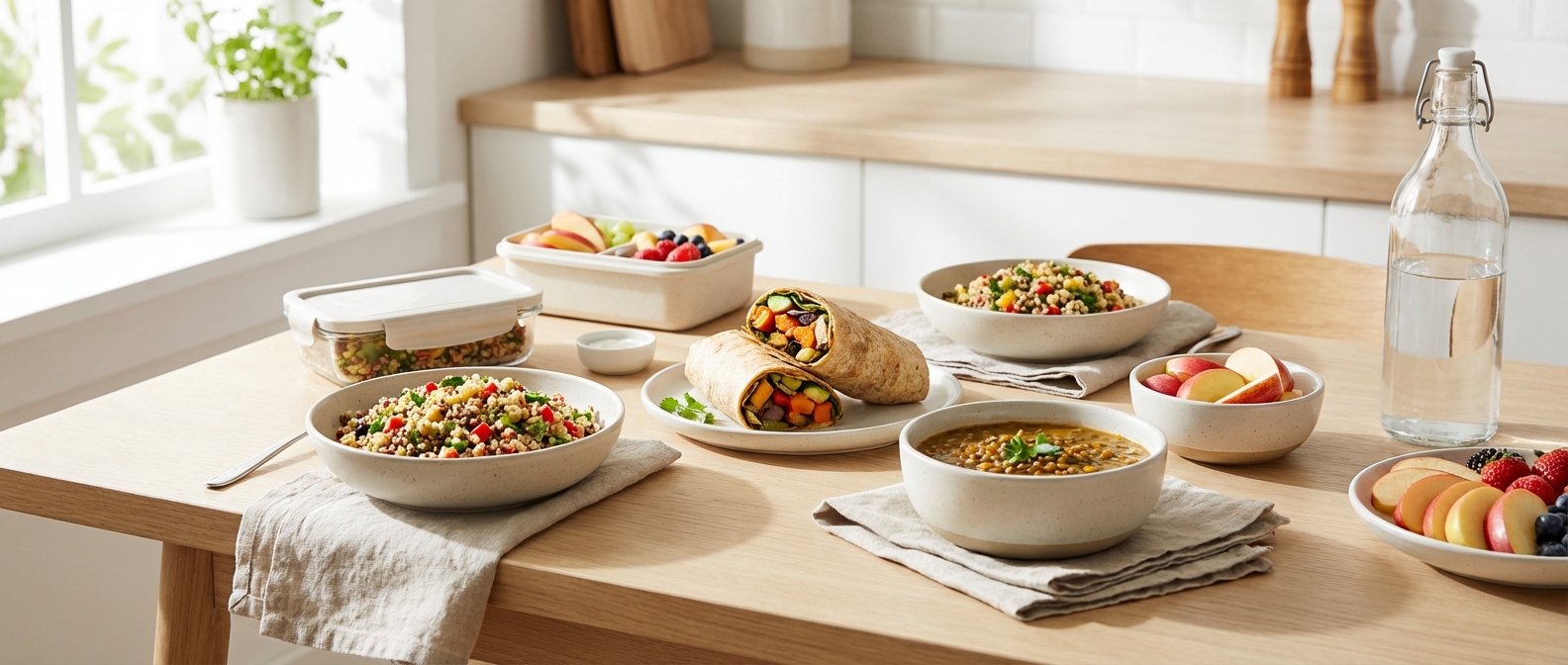
If you’re searching for healthy affordable lunch ideas in Australia, you’re not alone. Many health-conscious Australians, including families, students, and those on a budget, seek nutritious options that balance cost and wellbeing. This article provides trustworthy information on cheap and healthy lunches, aiming to clarify common risks, practical prevention strategies, and tips for making healthier choices. Please note: this content is for general informational purposes only. Always consult a qualified health professional for medical advice or guidance on specific dietary needs. By the end, you’ll have a clearer understanding of the benefits, limitations, and safety considerations of affordable lunches, plus practical checklists and real-world examples to help you make confident decisions.
Healthy Affordable Lunch Ideas: Understanding the Basics in Australia
With rising living costs, finding affordable lunch ideas that also support good health is increasingly important for Australians. The right lunch can help manage energy levels, prevent common lifestyle conditions, and contribute to overall physical and mental wellbeing. However, not all cheap and healthy lunches deliver balanced nutrition, and some may even increase health risks if diet quality is overlooked.
The information below draws on recommendations from respected Australian sources such as Eat For Health and the Healthdirect Australia, as well as global entities like the World Health Organization.
What Makes a Lunch Both Healthy and Affordable?
A healthy affordable lunch aims to deliver essential nutrients (such as fibre, vitamins, protein, and healthy fats) without putting a strain on your wallet. This means looking beyond simply “low-cost” and ensuring the meal supports sustained energy, satiety, and healthy weight management.
Meal prepping on a budget and portion control strategies are often overlooked in online guides but play a vital role in truly affordable, nutritious eating. Combining fresh, seasonal Australian produce with cost-effective pantry staples can lower overall expenses while maximising nutritional value.
Knowing the difference between genuinely “cheap and healthy” options and those that cut corners with excess sodium, sugar, or low-fibre ingredients is crucial for making informed choices.
Recognising the Benefits of Cheap and Healthy Lunches
Australians who adopt balanced, budget-friendly lunches often report improved stamina, better focus, and a higher sense of wellbeing throughout their day. Incorporating diverse food groups into each lunch can help address:
- Reducing the risk of chronic health conditions, such as type 2 diabetes and cardiovascular disease
- Managing healthy weight
- Feeling full and avoiding energy slumps
- Lowering overall weekly food costs
However, it’s important to recognise the potential limitations—some budget options rely heavily on processed foods, preserved ingredients, or insufficient fruit and vegetable content, which could undermine health goals over time.
| Lunch Idea | Main Nutritional Benefits | Potential Health Risks | Budget Consideration |
|---|---|---|---|
| Lentil & vegetable soup | High fibre, vitamins, protein | Low if home-made; possible sodium if canned | Very low cost per serve |
| Hummus & salad wrap (wholemeal) | Plant protein, fibre, healthy fats | Watch wrap portion & salt content | Low cost, uses pantry staples & veggies |
| Tuna & brown rice bowl with greens | Lean protein, omega-3s, complex carbs | Possible mercury if excess tuna weekly | Affordable, long shelf life items |
| Egg and mixed veg stir fry | Protein, B vitamins, antioxidants | Cholesterol concerns for some individuals | Low cost, uses fridge and frozen veg |
| Chicken, bean & quinoa salad | Lean protein, iron, complete carbs | Higher cost if using fresh poultry frequently | Moderate, can be adjusted with legumes |
In all cases, variety and moderation are recommended to ensure long-term health outcomes and balanced nutrition.
Symptoms and Warning Signs of Inadequate Lunch Choices
While occasional shortcuts are understandable, consistently poor-quality lunches may show up as symptoms that affect wellbeing. Recognising these early warning signs can empower you to adjust your approach before more serious health issues develop.
Common signs that your lunch choices may need improvement include:
- Sluggishness or mid-afternoon energy crashes
- Poor concentration or irritability
- Digestive disturbances, such as constipation or bloating
- Unintended weight gain or loss
- Frequent cravings for salty, sugary, or fatty snacks
If you experience persistent or severe changes in your physical or mental health, it’s important to consider seeking advice from your healthcare provider. Nutritional needs can vary widely by age, health status, activity level, and medical conditions.
| Symptoms | Possible Causes | When to Seek Advice |
|---|---|---|
| Ongoing fatigue | Inadequate carbs, high processed food intake | If fatigue disrupts daily life or persists for several weeks |
| Digestive issues | Low fibre, high salt or unhealthy fats | If symptoms are severe, ongoing, or cause distress |
| Unexplained mood swings | Blood sugar fluctuations, low nutrient intake | If mood changes are frequent or affect wellbeing |
| Changes in appetite | Meal imbalances, skipping meals | If rapid weight change or loss of appetite occurs |
Contributing Factors: Why Do Australians Struggle With Healthy Budget Lunches?
Several social, economic, and lifestyle realities influence lunch decisions in Australia:
- Supermarket price fluctuations, especially for fresh produce
- Limited time for meal preparation due to work or study commitments
- Food accessibility in remote and regional areas
- Marketing of ultra-processed fast foods and quick “meal deals”
- Insufficient cooking knowledge or kitchen resources
Many Australians report barriers to achieving healthy lunch habits, such as a lack of storage options at work or the social pressures of eating out with colleagues. Recognising these challenges is vital for addressing them in practical and sustainable ways.
Risk Groups: Who Is Most Vulnerable to Poor Lunch Choices?
Certain groups in Australia may be at greater risk of health consequences from low-quality or unbalanced lunches:
- Young children and teens with high nutritional demands
- Older adults who may struggle with appetite or mobility
- Shift workers with irregular schedules
- Low-income households where budget is the priority
- Individuals with chronic conditions, like diabetes or high blood pressure, who need tailored meal plans
For these groups, consulting resources such as the Australian Dietary Guidelines or speaking to an accredited dietitian can offer tailored, practical support. Always be cautious of “one-size-fits-all” online meal guides, as individual needs may vary.
Prevention: How to Make Healthy Affordable Lunches Safely
Proactive strategies can help you enjoy the benefits of cheap and healthy lunches while reducing health risks. The following tips are based on robust public health advice and real-world experience.
- Plan ahead: Map out your lunches for the week to avoid last-minute unhealthy purchases.
- Shop seasonal and local: Opt for in-season fruits, vegetables, and grains for the best value and nutrition.
- Batch cook and freeze: Save money and time by preparing soups, salads, or grain bowls in bulk.
- Use whole grains and legumes: Foods like brown rice, lentils, beans, and oats are affordable and keep you feeling full.
- Balance your plate: Build lunches with lean protein, colourful vegetables, and a wholegrain base.
- Limit processed ingredients: Check nutrition labels for sodium, added sugar, and saturated fats.
- Practice safe food storage: Use insulated lunch boxes and ice packs to keep food fresh, especially in summer.
- Adapt to your needs: Adjust portions, ingredients, and meal types to your age, energy requirements, and lifestyle.
| Prevention Checklist for Healthy, Affordable Lunches (AU) |
|---|
|
Australian Guidance: Management Pathways & Practical Resources
While there’s no single “treatment” for poor lunch choices, adapting your habits can make a measurable difference. Australians can turn to practical resources like Eat For Health meal planning tools or get complimentary advice from community health services.
Key management approaches include:
- Education: Stay informed about reliable sources of nutrition advice—government sites are preferable over “quick fix” or celebrity-based tips.
- Community support: Join local cooking clubs, community gardens, or swap recipes with friends.
- Professional input: Ask your GP or an accredited practising dietitian for recommendations if you manage a chronic health condition.
- Technology use: Use apps for meal planning, budgeting, and nutrition tracking (choose ones recommended by public health organisations where possible).
Remember, making gradual changes is often more sustainable and safer than drastic diet overhauls.
Pro Tip
Regularly check ingredient lists and nutrition panels when purchasing pantry staples, even for products labelled “healthy” or “organic.” Some options may be high in sodium or saturated fat, which can undermine your efforts towards affordable yet balanced lunches. Making informed swaps over time can significantly enhance your diet quality without increasing costs.
Risk Awareness: Potential Missteps, Safety Concerns & When to Seek Help
Even with the best intentions, it’s possible to make choices that compromise nutrition, food safety, or personal wellbeing. Common misinterpretation risks include:
- Relying too heavily on bulk purchase “deals” that lack fresh produce or variety
- Skipping meals to cut costs, which may lead to nutrient deficiencies or energy lows
- Leaving perishable foods unrefrigerated, increasing food poisoning risk
- Following rigid online meal plans that do not consider allergies or medical conditions
Always be cautious if you or your dependents:
- Experience ongoing tiredness, digestive issues, or weight changes
- Suffer from a chronic medical condition that may be affected by dietary changes
- Are pregnant, breastfeeding, or responsible for young children/older adults
When in doubt, consult a healthcare professional, such as your GP or a dietitian registered with Dietitians Australia, especially before making significant adjustments to established diets or meal routines.
FAQ
What are some examples of healthy affordable lunch ideas for Australians?
Excellent choices include wholegrain wraps with vegetables and hummus, brown rice bowls with legumes and greens, lentil soups, and simple egg or tofu stir fries. Meals incorporating seasonal Australian vegetables and canned or dried beans are both cost-effective and nutritious.
How can I balance nutrition on a tight lunch budget?
Focus on affordable, fibre-rich staples like oats, beans, and brown rice, and enhance with bulk-buy or frozen vegetables. Plan meals in advance, buy in-season produce, and avoid processed snack foods to stretch your budget while meeting nutritional needs.
Are cheap and healthy lunches suitable for people with medical conditions?
Many affordable lunch options can be adapted for various dietary requirements. However, those with specific conditions—such as diabetes or heart disease—should seek guidance from an accredited practicing dietitian or their GP before making major changes.
What food safety tips are most important for packed lunches in Australia?
Keep perishable foods cold using an insulated lunch box and ice brick, especially in warmer weather. Consume refrigerated items within safe timeframes, and always wash fresh produce before packing lunches.
Where can I find more reliable advice about healthy affordable eating?
Trust respected Australian sources like the Department of Health and Healthdirect, or consult with a registered dietitian for individualised guidance.