

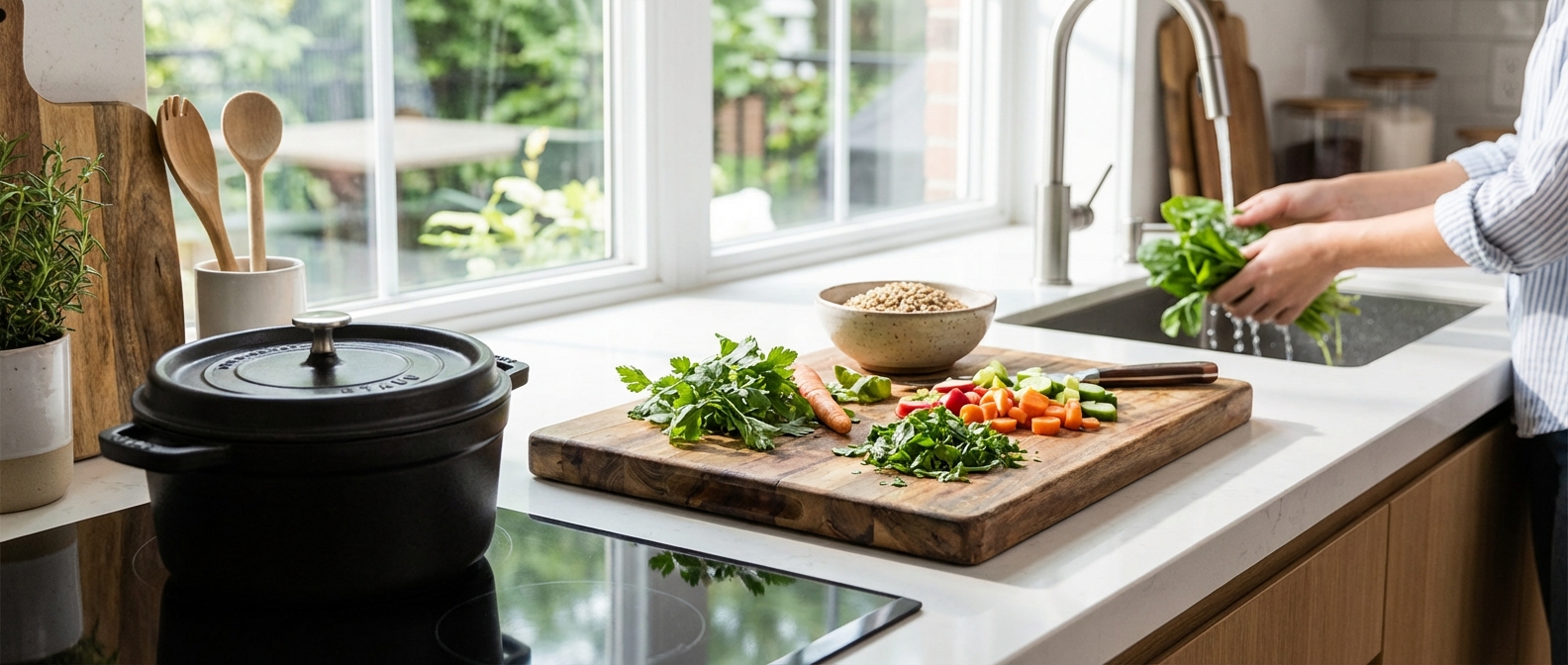
Looking for healthy foods to cook at home? This guide is designed for health-conscious Australians, those caring for loved ones, and anyone interested in simple recipes and balanced cooking habits. The information below is educational only and should not replace advice from your GP, dietitian, or accredited medical professional. By the end of this article, you’ll understand which foods to cook for wellbeing, how cooking methods impact health, ways to minimise risks, and practical tips for preparing nutritious meals safely at home.
Smart Foods to Cook at Home: Health, Prevention, and Safety for Australians
Understanding Why Cooking at Home Matters
Preparing meals at home puts you in control of ingredients, cooking techniques, and serving sizes—key factors in supporting good health and preventing lifestyle-related conditions. Cooking at home allows you to tailor meals to dietary needs, cultural preferences, and allergy considerations relevant in Australia.
Evidence from Eat for Health, an initiative by the Australian Government, highlights that home-prepared meals are generally lower in sodium, saturated fat, and added sugars compared to most commercially prepared foods. This shift can reduce your risk of diet-related chronic diseases such as heart disease, type 2 diabetes, and some cancers.
Regular home cooking also supports mental wellbeing. Participating in meal preparation may foster mindfulness, encourage social interaction, and offer an opportunity for family members to learn lifelong nutrition skills.
However, it’s important to note that not all home-cooked meals are automatically healthy. Choosing the right foods to cook and using suitable preparation methods are crucial in unlocking the healthiest outcomes.
Key Foods to Cook for Good Health
The foods you cook form the backbone of your dietary quality. Australian health guidelines recommend centring meals around a variety of whole, minimally processed foods from the five core food groups: vegetables and legumes, fruits, wholegrains, lean meats or alternatives, and dairy or fortified dairy alternatives.
- Vegetables and legumes: Opt for a colourful array—think roasted pumpkin, stir-fried green beans, carrot soups, or chickpea curries.
- Fruits: Use fresh berries in oat bowls, baked apples for desserts, or diced mango in salsas.
- Wholegrains: Choose brown rice, wholemeal pasta, quinoa salads, and homemade grain bread.
- Lean proteins: Grill chicken breast, bake salmon, prepare lentil dahls, or make tofu stir-fries.
- Dairy or alternatives: Serve natural yoghurt dips, low-fat cheese, or fortified plant-based milks in cooking.
Incorporating these foods to cook regularly is associated with lower rates of nutrient deficiencies and chronic disease risk. Australian healthy eating patterns also support plant-based proteins, nuts, and seeds, which can be highlighted in simple recipes.
Simple Recipes and Cooking Methods for Healthier Meals
Australians often seek simple recipes that balance convenience with nutrition. The healthiest meals to prepare at home are those that combine core food groups and rely on gentle cooking methods that retain nutrients.
Suggested approaches include:
- Steaming: Preserves vitamins in vegetables—ideal for broccoli, snow peas, or fish fillets.
- Grilling and Baking: Reduces the need for extra fats; suitable for meats, root veggies, and frittatas.
- Stir-frying: Uses minimal oil, cooks quickly, and works well with a mix of vegetables and lean protein.
- Slow cooking: Breaks down tougher cuts of meat and beans for hearty stews and curries; can use lamb shanks or cannellini beans for fibre and iron.
When choosing recipes, look for those that list mostly whole foods, limited processed ingredients, and allow salt, sugar, and oil to be added mindfully. Websites like Nutrition Australia offer recipe databases that align with these principles.
Pro Tip: Shop Seasonally for Affordable Nutrient Density
Choosing in-season fruits and vegetables in Australia can reduce grocery costs and boost flavour and nutrition. Use the Heart Foundation’s seasonal produce guide to plan your meals to prepare at home around what’s freshest in your local area.
Symptoms of Poor Food Preparation and Warning Signs to Watch
Cooking at home is generally safe, but certain practices or ingredients can bring potential risks—especially around cross-contamination, inadequate cooking, and improper storage. Symptoms of foodborne illness may arise if these risks are neglected.
| Symptom | Possible Food-Related Cause | When to Seek Help |
|---|---|---|
| Nausea or vomiting | Undercooked meats or contaminated produce | If symptoms persist or are severe |
| Stomach cramps | Food-borne bacteria (e.g. Salmonella, E. coli) | For children, elderly, or immunocompromised |
| Diarrhoea | Improper storage/reheating of leftovers | If dehydrated or blood present |
| Fever | Serious bacterial or viral infection | High/temp not lowering with fluids |
If you experience these symptoms after eating home-cooked meals, particularly if you’re in a vulnerable group (children under five, older adults, pregnant women, or anyone with chronic health conditions), consult your GP or contact Healthdirect Australia for further guidance.
Always ensure that meats are thoroughly cooked and foods are refrigerated within two hours of preparation to reduce the likelihood of food poisoning.
Causes and Contributing Factors in Food Preparation
The foods to cook and how they’re handled directly influence health outcomes and food safety. Key contributing factors include:
- Improper storage: Storing cooked rice, pasta, or protein in the temperature “danger zone” (5–60°C) increases bacterial growth risk.
- Poor kitchen hygiene: Not washing hands or surfaces between tasks spreads bacteria, raising the risk of food contamination.
- Using high-risk ingredients: Items like raw eggs, unpasteurised dairy, or rare meats require extra care or should be avoided for vulnerable groups.
- Lack of cooking knowledge: Misreading recipes or skipping key cooking steps can produce unsafe or nutritionally imbalanced meals.
Australians new to meal preparation may be unaware of how seemingly simple shortcuts—like reheating leftovers multiple times or not separating raw and cooked foods—can contribute to foodborne illness.
Hot holding and safe reheating are especially important in home environments with young children, elderly family members, or immunocompromised people. Review guidelines from Food Standards Australia New Zealand to minimise these risks.
Who Is at Greater Risk: Population Groups and Australian Context
While everyone benefits from healthy foods to cook, some individuals face higher risks related to improper food preparation or underlying health needs. These groups include:
- Older Australians: May be more susceptible to foodborne infections and require softer meal textures. Cooking for aged care or home support settings demands extra vigilance.
- Pregnant women: Should avoid certain deli meats, unpasteurised cheeses, and raw seafood to prevent listeriosis and other infections.
- People with chronic illness: Immunocompromised individuals (including those undergoing cancer treatment, living with diabetes, or chronic kidney disease) require safer food handling and may need nutrition support.
- Young children: Their developing immune systems make them more vulnerable to food allergens and bacterial contamination.
Understanding your or your family’s specific needs helps tailor both the foods to cook and how you serve them, promoting prevention and minimising health risk when preparing meals at home.
| Risk Group | Extra Food Safety Precaution |
|---|---|
| Older adults (65+) | Reheat leftovers to steaming hot, avoid cold deli meats |
| Pregnant women | Only eat thoroughly cooked eggs/fish, no unpasteurised soft cheeses |
| Young children | Ensure no small bones/choking hazards, avoid honey for infants |
| Immunocompromised | Use bottled/boiled water if unsure, avoid raw shellfish |
Checklist: Safe and Healthy Foods to Cook and Prepare at Home
- Plan your weekly menu using a range of fresh vegetables, wholegrains, and lean proteins
- Always wash hands, surfaces, and utensils thoroughly before and after use
- Store meats separately from ready-to-eat foods and chill leftovers promptly (chill chain)
- Cook foods to recommended temperatures—invest in a food thermometer for accuracy
- Use herbs, spices, and lemon instead of excess salt or fat for flavour
- Incorporate plant-based meals at least twice a week
- Limit processed and ready-made sauces high in sodium and sugars
- Read food labels for Australians with allergies or intolerances and avoid cross-contact
- Use Australian health resources, like Australian Government Department of Health, for current nutrition guidance
Comparing Cooking Methods and Their Health Impact
| Cooking Method | Health Benefits | Potential Risks |
|---|---|---|
| Steaming | Retains nutrients, no added fat | Risk of undercooking if rushed |
| Baking | Low oil use; even heating | May dry out proteins if over-baked |
| Grilling/BBQ | Enhances flavour without breading | Charring can produce harmful chemicals—avoid burning |
| Frying | Quick cooking, crispy texture | High in saturated fat; may raise cholesterol |
| Microwaving | Preserves nutrients, rapid heating | Uneven heating—stir and stand foods for safety |
Moderation is key: balance a variety of cooking methods for the best nutritional outcomes, while being mindful of potential food safety pitfalls, especially for best home cooked meals designed for older Australians or those with chronic illness.
Prevention Strategies and Tips for Safer Home Cooking
Prevention is central to both health and safety in Australian kitchens. To optimise both, consider the following strategies:
- Prioritise whole, seasonal ingredients and plan meals ahead to avoid last-minute unhealthy food choices
- Routinely clear out expired pantry and fridge items to prevent food spoilage
- Double recipes for convenient, healthy leftovers—store in portion-sized containers
- Involve family members or friends to support shared responsibility and skill-building
- Stay up to date with food safety alerts from local councils or health agencies
For Australians managing chronic health conditions or those with specific diets, consider booking a session with a credentialed dietitian for personalised advice. If you experience ongoing symptoms (such as digestive discomfort, allergic reactions, or fatigue after eating specific home-cooked foods), seek a medical review to rule out underlying causes or intolerances.
Risks, Limitations, and When to Seek Professional Advice
While cooking at home can deliver multiple health benefits, not all risks can be fully eliminated. Some limitations to be aware of include:
- Hidden allergens or gluten in commercial sauces and seasonings
- Nutrient loss if vegetables are overcooked or kept hot for extended periods
- Difficulty accessing affordable fresh foods in remote areas—explore community gardens or local delivery options
- Social isolation for those cooking alone—seek local cooking groups or community kitchens where possible
For ongoing or sudden symptoms that may be food-related (hives, difficulty breathing, severe stomach pain, fever, or dehydration), seek immediate medical help or contact Healthdirect.
If you require tailored advice on meal planning, nutrition, or food safety, consider reaching out to your GP or an Accredited Practising Dietitian through Dietitians Australia.
FAQ
What are the safest foods to cook for families in Australia?
Safest foods include well-cooked meats, thoroughly washed and cooked vegetables, and grains stored and reheated properly. Avoiding raw eggs, unpasteurised dairy, and undercooked meats minimises food safety risks in family cooking.
How can I make healthy home-cooked meals on a budget?
Buying seasonal produce, bulk wholegrains, and affordable protein sources like beans or eggs helps maintain nutritious meals on a budget. Planning meals and reducing waste through batch cooking supports long-term savings and nutritional variety.
Are there risks with reheating leftovers at home?
Yes, leftovers that are not stored or reheated correctly can cause foodborne illness. Always cool and refrigerate within two hours, reheat until steaming hot, and avoid reheating more than once for best safety.
Can I follow popular cooking trends and stay healthy?
Some trends may emphasise overly restrictive or unbalanced diets. Focus on diverse, whole foods and reliable guidelines from Australian health authorities when trying new recipes or meal plans, especially if you have medical conditions or dietary needs.
When should I seek help about food symptoms or reactions?
If you experience persistent vomiting, diarrhoea, fever, allergic reaction, or breathing difficulties after a home-cooked meal, seek immediate medical help. Vulnerable groups such as young children or pregnant women should be reviewed promptly if unwell.