
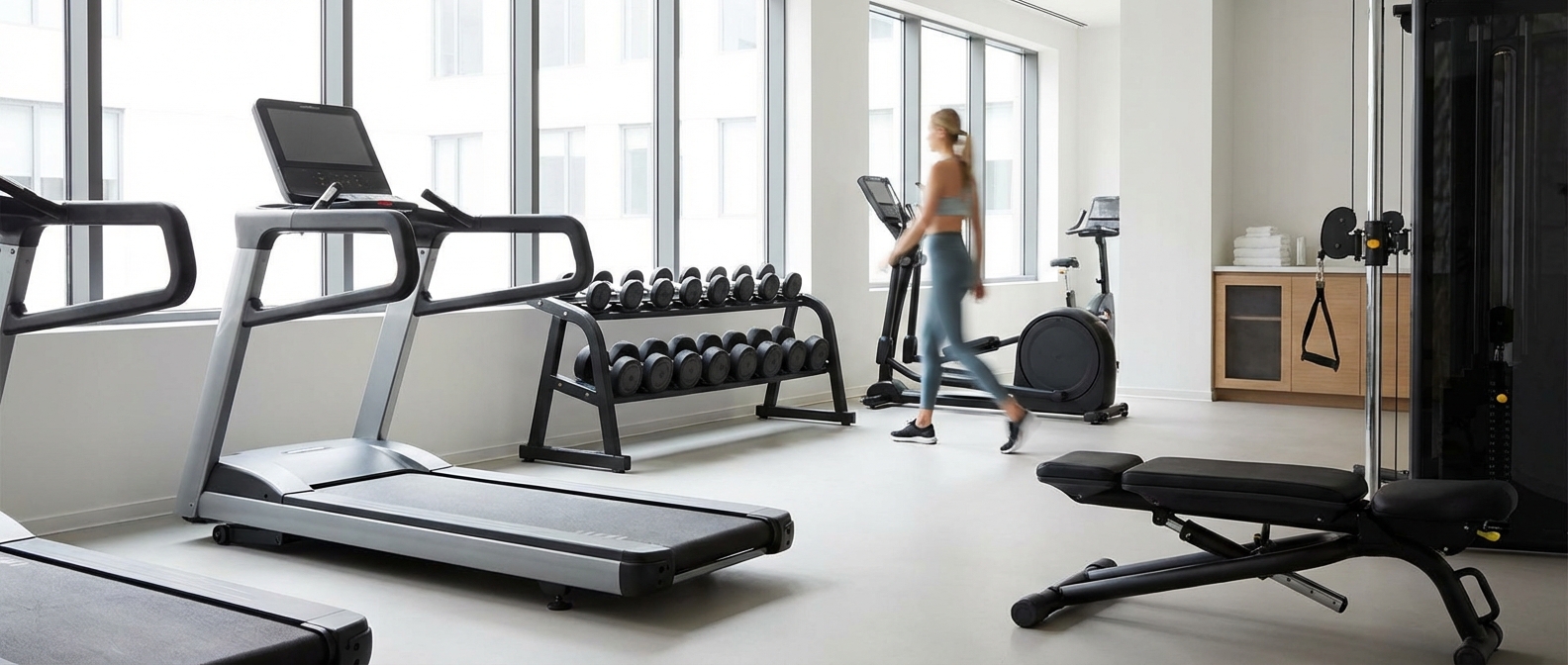
Gym equipment is an essential part of today’s fitness routines, supporting Australians of all activity levels, ages, and abilities. This article serves the general Australian public—whether you’re new to exercise, looking to equip a home gym, or a regular at fitness equipment stores near you. Information here is intended for educational purposes and not as a substitute for professional medical advice. By the end of this guide, you’ll understand how to identify safe, suitable exercise equipment, the risks and causes of injury, prevention strategies, and factors to consider when choosing fitness equipment in Australia.
Your Complete Guide to Gym Equipment: Safety, Risks & Prevention for Australians
Understanding Gym Equipment: Types, Uses & Trends in Australia
Gym equipment, sometimes referred to as exercise equipment or fitness gear, refers to a wide range of machines and tools used for physical training. The choice includes resistance gym machines, free weights, cardio apparatus, and specialised home gym appliances. In recent years, interest in home gym equipment Australia-wide has grown, with many opting for fitness equipment fitness routines that blend in-studio and at-home workouts.
Australians typically encounter gym equipment in commercial facilities, exercise equipment stores near me, or through online fitness equipment Australia retailers. Each setting may have different standards for maintenance, safety, and user support, making an understanding of your options vital.
Two main categories are prevalent:
- Cardio gear – Treadmills, exercise bikes, rowing machines, and elliptical trainers, which are designed to improve heart and lung function.
- Strength equipment – Ranging from dumbbells, barbells, and home gym weights equipment to functional trainers and cable systems, aiding muscle development and injury prevention.
Machines such as treadmills and stationary bikes support effective Cardiovascular Exercises in the Gym.
Our Best Workout Split Guide 2025 can assist you in planning your training week for maximal gains.
Within these, newer trends include compact home gym fitness equipment, smart resistance systems, and digital tracking integration. The proliferation of home exercise gear from fitness equipment stores near me means Australians now have more choice and flexibility than ever.
Symptoms and Warning Signs of Improper Gym Equipment Use
Using gym equipment and fitness equipment, like any form of physical training equipment, can benefit overall health when used safely and with the correct technique. However, symptoms of improper use or poorly maintained exercise equipment fitness can include:
- Unexpected pain – Sudden, sharp, or persistent pain during or after working out equipment, particularly in joints or the lower back, may signal strained muscles, ligament injury, or overuse.
- Reduced mobility – Difficulty moving freely following exercise may indicate excessive load, poor equipment settings, or ineffective warm-up and cool-down routines.
- Numbness or tingling – Prolonged or severe sensations after using gym machines like stationary bikes, rowing machines, or cable gyms could represent nerve compression or circulation issues.
Noticing these symptoms early is critical. Persisting with pain, or dismissing joint or muscle discomfort, can increase your risk of long-term injury. If you experience strong or worsening symptoms, bruising, or swelling, seek advice from a qualified health professional, such as a physiotherapist or general practitioner.
| Symptom | Potential Significance | Example Affected Equipment |
|---|---|---|
| Pain or discomfort | Overuse injury, improper form | Free weights, leg press machine |
| Numbness or tingling | Nerve compression, circulation issue | Exercise bike, rowing machine |
| Swelling or bruising | Acute soft tissue injury | Cable gym, adjustable bench |
If in doubt, pause your physical activity and consult a health professional. Assessment for injury risk should precede significant new exercise regimes, especially with unfamiliar working out equipment or for those with chronic health conditions.
Common Causes and Risk Factors of Gym Equipment-Related Injuries
While modern gym equipment and fitness equipment are designed with safety in mind, mishaps can still occur. Knowing common risk factors can help minimise your chance of injury:
- Poor technique – Incorrect posture, lifting style, or machine settings can stress joints and muscles.
- Lack of supervision – Using gym machines without proper instruction raises the risk of misusing equipment or missing key safety features.
- Inadequate maintenance – Faulty or worn components in home gym appliances or public gym equipment may fail during use.
- Overtraining – Failing to allow adequate rest between sessions, or consistently exceeding recommended weight limits, can lead to cumulative injury.
- Inappropriate equipment selection – Selecting machines or free weights not suited to your current fitness level, body type, or rehabilitation needs.
For visual learners, our Exercise Photos provide step-by-step guidance on safe movement.
Injury prevention is a key focus of many Gym Classes in Australia, where certified trainers help minimise mistakes.
Some groups are at higher risk, including older adults, newcomers, those returning after injury, and people with pre-existing musculoskeletal or cardiovascular conditions. Risk is also heightened in unsupervised settings—such as home gym equipment for home setups, where guidance from qualified trainers may be absent.
For more on risk recognition, see guidelines by the Australian Government’s product safety resources.
Prevention and Safe Use Strategies for Gym and Exercise Equipment
Preventing injury while maximising the health benefits of gym equipment requires a preventative strategy. Australians are strongly encouraged to follow evidence-based guidelines for exercise and equipment safety.
- Seek professional guidance – Invest in at least one session with a qualified fitness trainer, especially when starting out or mastering unfamiliar gym machines.
- Warm up and cool down – Gentle aerobic activity and stretching before and after exercise prepares muscles and reduces post-workout soreness (DOMS—delayed onset muscle soreness).
- Check equipment before use – Look for loose components, excessive wear, or missing safety features, particularly on home gym weights equipment.
- Progress gradually – Increase resistance or intensity in small increments, matching your own fitness level and listening to your body’s signals.
- Clean and maintain regularly – Follow manufacturer instructions for cleaning home exercise equipment and replace worn parts as needed.
Pro Tip: When creating a home gym Australia-wide, prioritise ergonomic features and adjustable settings to suit your body’s size and individual needs. Look for products tested and recommended by Australian health bodies or exercise scientists for added peace of mind.
| Prevention Checklist | Practical Example |
|---|---|
| Get initial instruction | Request a demonstration of equipment at your gym shop or during delivery |
| Inspect machines regularly | Examine cable tension and lock pins weekly on resistance machines |
| Allow recovery time | Alternate workouts, using rest days as recommended by Australian physical activity guidelines |
| Match equipment to goals and health | Choose recumbent bikes for those with lower back pain, or functional trainers for versatility |
Prevention not only reduces injury risk but enhances confidence and long-term exercise sustainability. Proper planning and realistic progression are essential for both gym equipment for home and public facilities.
Treatment, Management, and When to Seek Professional Guidance
Should injury or discomfort occur after using home exercise equipment or gym fitness equipment Australia-wide, initial strategies include rest, ice, compression, and elevation (RICE method) for minor strains or sprains. Over-the-counter pain relief, such as paracetamol, may assist with short-term discomfort. However, these approaches:
- Are not substitutes for comprehensive assessment if symptoms persist, worsen, or significantly restrict movement;
- Should never delay timely medical advice, especially if experiencing severe pain, immediate swelling, joint instability, or signs of cardiovascular distress (chest pain, breathlessness).
Qualified health professionals, such as your GP or physiotherapist, can customise rehabilitation programs, recommend suitable exercise machine store choices, and help with modifications. If you have a chronic health condition, diabetes, or are on medication, always consult your doctor before introducing new or unfamiliar working out equipment.
For more on injury management and when to seek help, refer to the Better Health Channel’s guide to gym safety.
Accessing Gym Equipment & Fitness Gear: Cost & Location Considerations in Australia
The accessibility, cost, and options for gym equipment and fitness equipment vary widely across Australia. Australians can choose from:
- Commercial gyms and studios (e.g., gym equipment Gold Coast or Adelaide) featuring a range of professional-quality machines and supervised settings;
- Home gyms au setups, ranging from simple free weights to advanced multi-station machines;
- Fitness equipment stores near me or online retailers offering home gym appliances, with options for delivery, assembly, and after-sales support.
Costs depend on factors such as equipment complexity, brand, and delivery location. Entry-level home exercise equipment may start from under $100, while multi-functional home gym fitness equipment can reach several thousand dollars. Financing, rental, or second-hand options may offer accessible alternatives.
When evaluating equipment warranties and aftercare services, Australians are encouraged to check for recognised certifications and consumer protections. Many reputable gym shop outlets provide product demonstrations, advice for safe use, and post-purchase support.
| Setting | Pros | Cons |
|---|---|---|
| Commercial gym | Supervision, variety, group fitness access | Membership costs, shared equipment hygiene |
| Home gym | Convenience, privacy, flexible timing | Upfront cost, space required, self-supervision |
| Community centre | Affordable, inclusive programs, local support | Limited equipment range, peak-time crowding |
For more insights on equipment safety, consumer rights, and healthy exercise habits, reach out to your local fitness shop near me or consult the recommendations from national health and exercise advisory bodies.
FAQ
- What types of gym equipment are safest for beginners?
- Beginners are best suited to equipment offering stable support, adjustable resistance, and built-in safety features, such as fixed-path resistance machines, recumbent bikes, or light hand weights. Always seek instruction before first use to ensure proper form and technique.
- How can I avoid injury when using home gym equipment?
- To avoid injury, ensure all equipment is assembled correctly, check for wear or damage, use manageable weights, and progress gradually in intensity. Adequate warm-up and cool-down routines are important, as is taking regular rest between workouts.
- What should I do if I experience pain while exercising?
- Stop exercising immediately if you experience sudden or severe pain. Mild soreness may resolve with rest, but persistent or worsening symptoms, especially with swelling, numbness, or limited mobility, should be discussed with a qualified health professional.
- Where can I find reputable fitness equipment stores near me in Australia?
- Reputable stores are often affiliated with national fitness associations or have Australian Consumer Law guarantees. Look for businesses offering expert advice, product demonstrations, and after-sales support, and check consumer reviews for additional guidance.
- Can people with health conditions safely use gym equipment?
- Many people with health conditions can benefit from exercise, but it is essential to work with healthcare providers to tailor exercise programs and choose equipment suitable to individual needs, especially if you have chronic or complex health issues.

