
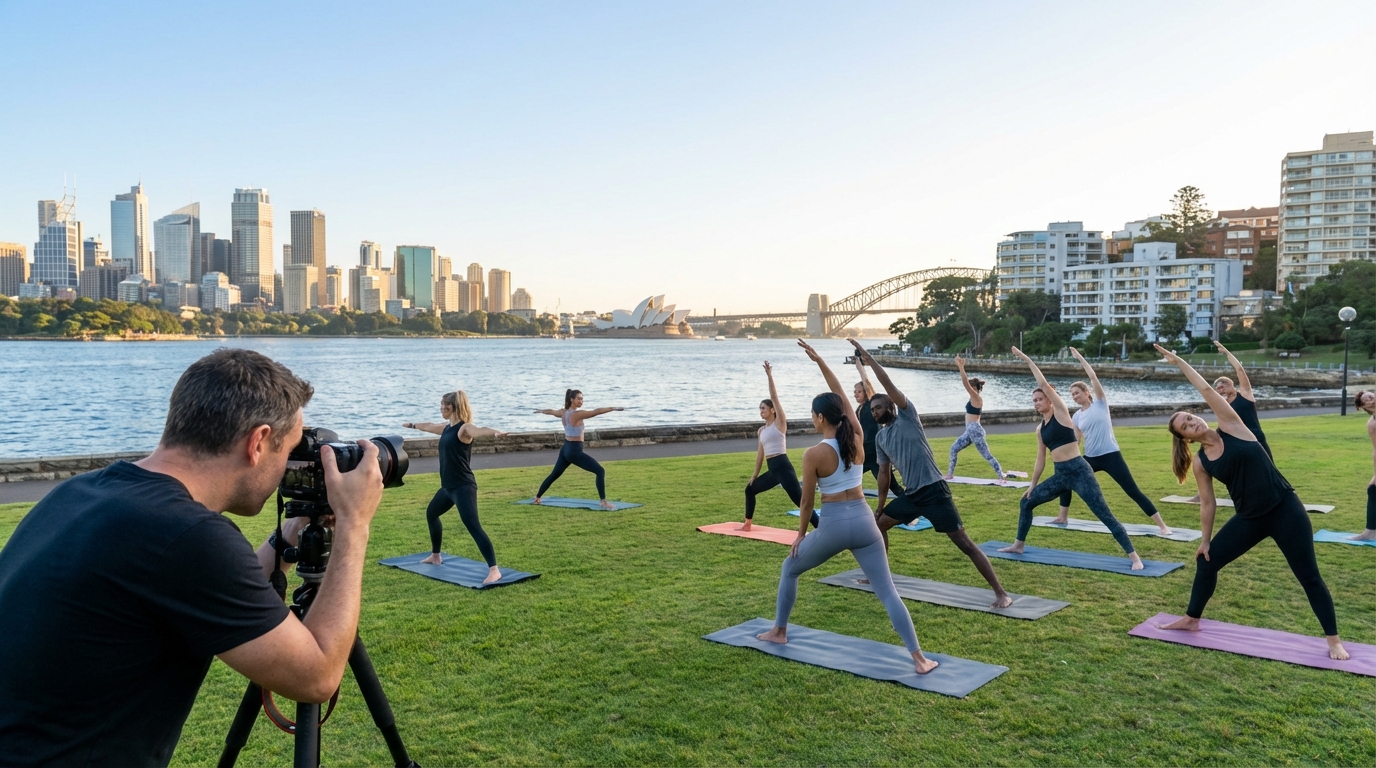
Exercise photos are widely used by Australians aiming to boost fitness motivation, learn correct technique, or manage health conditions. This article is designed for the general Australian public, health-conscious readers, and carers interested in understanding how exercise photos, exercise pictures, and exercise pic resources can influence wellbeing, safety, and physical health outcomes. All information provided here is for educational use only and should not replace advice from a healthcare professional. By reading further, you’ll gain insight into the benefits and potential risks associated with exercise images, learn practical safety measures, and understand when to seek qualified medical input.
Understanding Exercise Photos: An Australian Perspective
Exercise photos—whether sourced online, via health apps, or in educational materials—play a major role in how Australians approach physical activity. These images range from basic stretches to complex strength moves and are increasingly integrated into daily routines for fitness, injury prevention, and rehabilitation. Importantly, Australians should recognise both the motivational power and potential safety concerns tied to exercise photos, particularly when mimicking unfamiliar activities or gauging personal ability. Choosing the right routine depends on your current capabilities. Review our Fitness Level Guide for more.
The Role of Exercise Photos in Fitness and Wellbeing
Exercise pictures are popular tools in Australia’s gyms, physiotherapy clinics, and online health communities. Their uses span from illustrating correct technique to encouraging daily movement. For many, a clear exercise pic simplifies instructions and makes home-based exercise routines more accessible, a point reinforced by public health guidance from organisations like the Australian Government Department of Health.
Clear, evidence-based exercise photos can support:
- Learning new exercises safely and confidently
- Reducing the risk of common preventable injuries by displaying correct posture
- Empowering self-care and physical rehabilitation at home
- Improving long-term physical activity habits for Australians of all ages
However, not all online exercise pictures reflect safe or suitable technique for every body type or health condition, and this can carry risks if overlooked.
Practical Example: How Exercise Photos Guide Australian Workouts
It’s common for Australians to reference exercise photos before performing activities like squats, lunges, or stretches. For example, a fitness app may include a series of step-by-step exercise pictures to demonstrate a home ab workout. If these images model correct spinal alignment and progression, users are more likely to perform moves safely. In contrast, unclear or misleading exercise pic resources risk improper imitation and potential harm.
Limitation: Exercise photos cannot provide personalised guidance or adjust for existing injuries, fitness levels, or chronic health issues. This highlights the importance of professional assessment, especially for those new to exercise or recovering from injury.
Common Risks Associated with Using Exercise Photos
While exercise pictures offer many advantages, relying solely on images—without context or qualified supervision—may expose Australians to inadvertent health risks. Awareness is essential to maximise benefits while avoiding preventable issues.
Symptoms or Warning Signs to Watch for When Following Exercise Pictures
Attempting an unfamiliar movement based on an exercise photo can result in:
- Muscle strains or sprains due to incorrect form
- Joint pain or discomfort—especially in the knees, back, or shoulders
- Dizziness, breathlessness, or fatigue if exercise intensity is not tailored to fitness level
- Delayed onset muscle soreness that interferes with daily activities
Pay attention to any new or worsening pain, excessive fatigue, or loss of balance when attempting exercises from photos or visual guides. These symptoms often signal the need to modify the routine or seek expert advice.
Pro Tip: Pair Images with Reputable Videos or Professional Guidance
Pro Tip: Where possible, supplement exercise photos with video demonstrations by qualified Australian health professionals, or check if your local health service provides instruction sessions. This can help you master safe form and adjust movements to your needs. For a safer approach, check our Tips to Workout and prevent common injuries.
Contributing Factors and At-Risk Groups
The impact of using exercise photos safely or unsafely depends on multiple factors—notably the type of activity, the design of the image, and individual health status. Hackneyed or oversimplified online fitness graphics may neglect the diversity of bodies and abilities found across Australia. Recognising who might face higher risks or benefit differently is vital for prevention and inclusive guidance.
Who Is Most at Risk When Using Exercise Pictures?
Certain Australians should take extra care with self-guided exercise programs based on photos:
- Older adults with balance or mobility concerns
- Individuals with chronic health conditions (such as arthritis, osteoporosis, diabetes, or cardiac issues)
- Children and teens, who may mimic high-intensity exercise pictures beyond their maturity
- People returning from injury or surgery, particularly those using exercise images for rehabilitation (rehab exercise images)
- Those with significant weight fluctuations or recent changes in physical capacity
In these groups, consulting with a health professional before starting new moves based on exercise pictures is strongly recommended. Australian physiotherapists and exercise physiologists are equipped to provide personalised programs and can clarify any uncertainties about image-based exercise instructions.
Safe Use of Exercise Photos: Practical Prevention Guidelines
To help Australians make the most of exercise photos, it’s essential to apply prevention strategies that reduce the likelihood of injury and support long-term health goals. These steps draw on guidance from public health and safety bodies, such as Victoria’s Better Health Channel.
| Prevention Step | Why It Matters |
|---|---|
| Seek professional advice if unsure | Ensures new exercises are suitable for your health, especially with chronic conditions |
| Compare photos from multiple sources | Reduces risk of copying poor technique or outdated information |
| Use clear, quality images | Prevents confusion about correct posture and step sequence |
| Start with low-impact movements | Allows gradual adaptation and minimises injury risk |
| Listen to your body | Stops activities at the first sign of pain, dizziness, or excessive fatigue |
| Regularly update routines | Ensures exercises remain relevant to your goals and changing health status |
Discover the Best Home Exercises for maintaining a routine without any equipment.
Benefits of Using Exercise Pictures for the Australian Community
When used with care, high-quality exercise images provide a range of benefits for Australians, from enhancing motivation to supporting accessible Indigenous health programs. Public campaigns—such as those run by the Heart Foundation—routinely use exercise photos to guide safe physical activity. Here are some key advantages:
- Reinforcing evidence-based movements and correct technique
- Motivating individuals who learn best visually
- Making fitness routines more inclusive and adaptable to diverse needs
- Providing a visual reference for health educators, community workers, and family carers
- Supporting home-based recovery for those unable to attend gyms or clinics in person
Quality exercise photos, especially when culturally inclusive and peer-reviewed, contribute to broader community health education. However, it’s important to be aware that not all images reflect best practice or align with updated clinical standards.
Comparing Symptoms, Common Conditions, and When to Seek Professional Advice
| Symptom or Experience | Possible Cause After Using Exercise Photos | When to Seek Medical or Allied Health Input |
|---|---|---|
| Sharp joint pain | Incorrect form or unsuitable activity | Immediately, especially if swelling or instability occurs |
| Muscle soreness lasting >3 days | Overexertion or improper progression | If severe or impacting daily tasks |
| Numbness/tingling | Nerve compression or awkward position | Immediately, particularly if persistent |
| Dizziness or fainting | Poor pacing or underlying health issue | Immediately, to rule out systemic problems |
| Gradual improvement in strength/stamina | Consistent, safe use of evidence-based exercise pictures | Ongoing review with allied health for program updates |
If you experience acute pain, unstable joints, breathing difficulties, or any sudden worsening of symptoms after following an exercise photo, seek medical review via your GP, allied health professional, or contact local health services. This approach is consistent with recommendations from the Healthdirect Australia advice line.
Evaluating the Quality and Trustworthiness of Exercise Images
The internet provides a flood of exercise photos—yet not all images share the same quality. Australians should consider the following to discern useful, credible visuals:
- Is the exercise pic sourced from a reputable health organisation or allied health professional?
- Does the image clearly demonstrate step-by-step progression, including both starting and ending positions?
- Are safety cues and common mistakes clearly depicted or explained?
- Does the image represent diverse bodies, abilities, and ages relevant to Australian communities?
- Is there reference to when medical input is advisable?
Use caution with user-generated workout images posted on unverified platforms, which may feature unsuitable adaptations or overlook important warm-up techniques. When in doubt, check with an accredited exercise physiologist or physiotherapist in Australia before starting new activities.
Prevention and Community Support Strategies
Beyond individual efforts, Australia’s health system offers multiple layers of support to reduce risks associated with exercise images and promote evidence-based guidance. Community programs often include supervised exercise groups, targeted education for older adults, and culturally secure resources for Aboriginal and Torres Strait Islander peoples.
For Australians living in regional, rural, or remote locations—or for those using online resources—a proactive approach involves combining exercise photos with telehealth check-ins, patient handouts, and participation in safe, social movement initiatives where possible. Whether using exercise pictures to start a fitness journey or to support an existing condition, balanced information and responsive healthcare advice are key for safe and sustainable progress.
FAQ
Are exercise photos safe to use for beginners?
Exercise pictures can be useful guides for those new to physical activity, but beginners should prioritise images from trusted sources and consider seeking professional advice, especially if unsure about technique. Monitoring for pain or discomfort is important, and starting slowly helps prevent injury.
How can I tell if an exercise photo is trustworthy?
Trustworthy exercise photos typically come from recognised health organisations, display clear techniques, describe movement cues, and reflect inclusive representation. Check for endorsement by Australian allied health professionals when possible.
Can using exercise photos lead to injury?
There is a risk of injury if exercise pictures are unclear, misinterpreted, or not suitable for your health status. Always pay attention to symptom warning signs and, if in doubt, consult an exercise physiologist or physiotherapist for tailored advice.
What should I do if I feel pain after following an exercise picture?
Immediately stop the activity if you experience pain, swelling, numbness, or dizziness after following an exercise photo. Seek assessment from a healthcare provider—especially if symptoms persist or worsen.
Are there Australian resources for learning safe exercise from photos?
Yes. Resources such as those provided by the Department of Health, Better Health Channel, and Heart Foundation offer reliable Australian exercise photos, videos, and safety tips to support safe movement for all Australians.

