
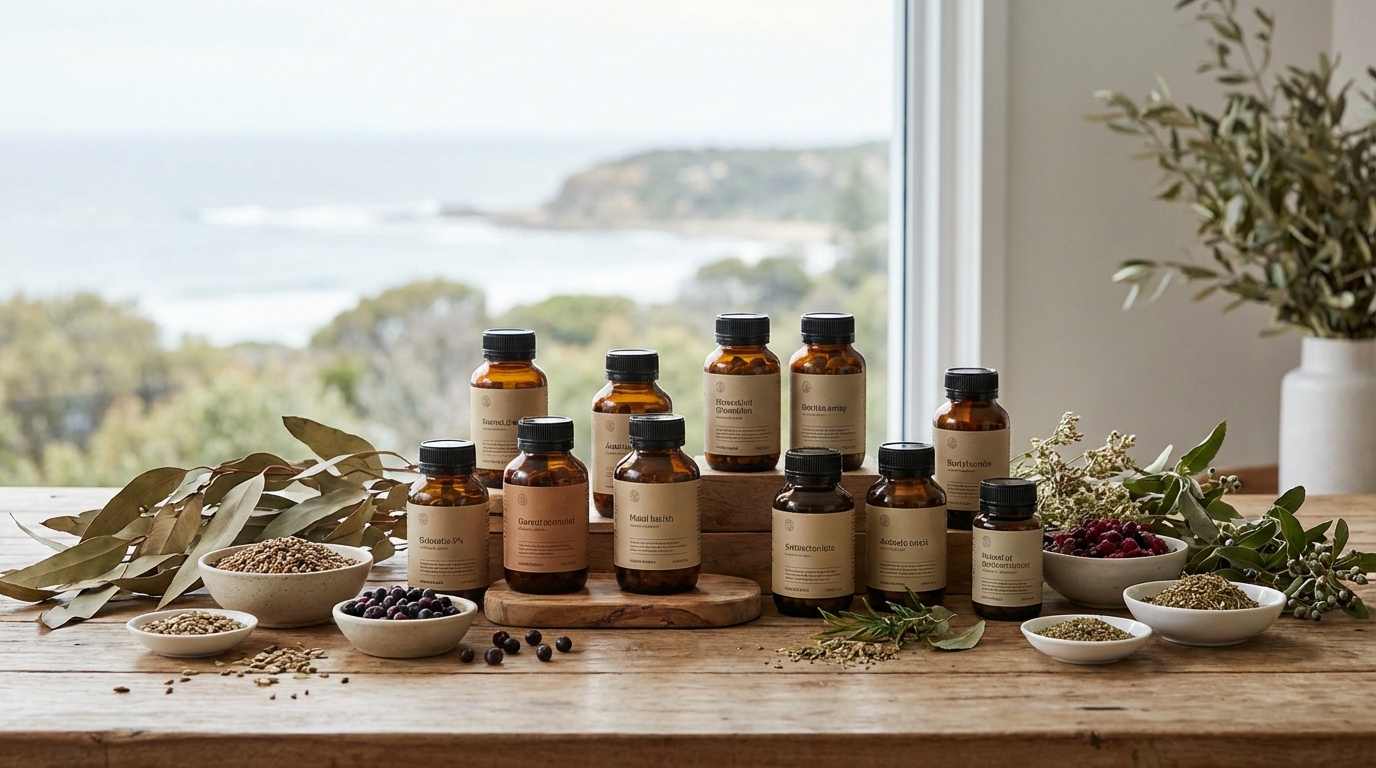
Searching for information about the best organic supplements Australia has to offer? This article is designed for the general Australian public, health-conscious individuals, carers, and anyone considering natural supplements for preventative wellbeing. Please remember: The guidance here is informational and educational only—it is not a substitute for personalised healthcare or a replacement for medical advice. By the end, you’ll understand how organic and natural supplements work, potential benefits, risks, Australian regulations, and how to safely approach supplement use for optimal daily health.
Understanding Organic and Natural Supplements in Australia
As interest in holistic wellness grows, many Australians are turning to organic and natural supplements to support their overall health. But what defines an “organic” supplement, how do they differ from conventional products, and why are they increasingly popular? Here, we unpack these key questions while helping you make more informed decisions.
What Are Organic Supplements? Key Concepts and Classification
Organic supplements are products made using ingredients grown and processed without the use of synthetic pesticides, herbicides, or genetically modified organisms. In Australia, credible organic supplements are certified by recognised bodies like Australian Certified Organic (ACO) and NASAA Certified Organic, ensuring compliance with the Australian organic standards for health products.
By contrast, “natural supplements” refer more broadly to products derived from plant, animal, or mineral sources without, but not necessarily adhering to, organic cultivation or manufacturing standards. Some Australians specifically seek organic certification for reasons ranging from environmental stewardship to concerns over residual chemicals in non-organic products.
The Therapeutic Goods Administration (TGA) strictly regulates supplements in Australia. Products marketed as dietary supplements, herbal remedies, vitamins, and minerals are classified as complementary medicines by the TGA. Before making any purchase or dietary change, it’s important to consider regulatory aspects and look for AUST-L or AUST-R numbers on packaging, which indicate the product is registered and monitored under Australian law.
Why Do Australians Use Organic and Natural Supplements?
Many Australians choose organic and natural supplements for diverse reasons, usually with the goal of improving or maintaining wellbeing alongside a balanced lifestyle. Common motivations include:
- Supporting nutrient intake for specific life stages, such as pregnancy or ageing
- Enhancing energy levels, immune function, or stress management
- Complementing a plant-based or allergen-aware diet (e.g. vegan, gluten-free)
- Reducing exposure to artificial additives or synthetic excipients
While there are recognised benefits for certain groups, many supplements are not a necessity for healthy individuals eating a varied diet. Some consumers view supplements as insurance to address potential dietary gaps, but health experts from Australia’s National Health and Medical Research Council stress that whole foods should always be the foundation of good nutrition.
| Reason for Use | Examples of Popular Organic Supplements | Prevention & Management Context |
|---|---|---|
| Immune Support | Organic echinacea, zinc, vitamin C, olive leaf extract | May complement a healthy diet, not a replacement for illness prevention measures |
| Energy & Stress | Organic magnesium, B-complex vitamins, ashwagandha | Stress reduction lifestyle support; discuss with healthcare providers |
| Gut Health | Organic probiotics, inulin, aloe vera juice | Best used in combination with dietary fibre and hydration |
| Prenatal Support | Folic acid, iron, multivitamin with organic certification | Should be planned in consultation with a health professional |
Pro Tip: Always check for the organic certification symbol and verify the TGA listing on any supplement. If you’re uncertain whether you need a supplement, a brief conversation with a pharmacist or GP can provide helpful clarity.
Understanding the Symptoms and Warning Signs Indicating Supplement Needs
Most Australians do not require daily supplementation if they regularly consume a balanced and varied diet. However, there may be scenarios where supplements are considered, especially in the context of deficiency-related symptoms. It is important to understand potential signs of nutrient shortfalls and when they warrant investigation.
Warning signs may include:
- Frequent fatigue or general low energy
- Brittle hair and nails
- Poor immune function—e.g., frequent colds or lingering infections
- Mood changes, irritability, or unexplained anxiety
- Unexplained muscle cramps or tingling sensations
However, these symptoms are non-specific and can be caused by a range of medical or lifestyle factors not related to nutritional status. Self-diagnosing and supplementing without professional input can lead to unnecessary risk, including masking underlying issues.
If you notice persistent or worsening symptoms, seek advice from a medical professional or an accredited dietitian, who can help determine whether supplements are appropriate after assessing your dietary intake and overall health.
What Causes Nutritional Deficiency? Who’s at Risk in Australia?
Causes of nutritional deficiency in Australia are varied and can include dietary restrictions, chronic health conditions, life stage requirements, and socioeconomic factors. Common contributors identified by the Australian Government Department of Health and Aged Care include:
- Restricted diets, such as veganism, which may increase risk for vitamin B12 or iron deficiency
- Chronic gastrointestinal issues interfering with nutrient absorption
- Pregnancy, lactation, or ageing—periods of increased nutrient demand
- Busy lifestyles, eating disorders, food insecurity, or lack of access to fresh whole foods
Those most at risk may include older adults, individuals with chronic illness, people on long-term restrictive diets, and those experiencing social or geographic barriers to obtaining diverse foods. Children and teenagers with selective eating habits may also require additional attention to their nutritional intake.
Prevention and Lifestyle-Based Management: Keeping Nutrition in Balance
Preventing nutritional deficiencies—and minimising over-reliance on supplements—can be best achieved through maintaining a healthful, whole-food based diet, appropriate for your personal needs and life stage. The Australian Dietary Guidelines suggest:
- Eating a wide variety of fruit, vegetables, lean proteins, whole grains, and healthy fats
- Staying physically active most days
- Limiting processed foods and added sugars
- Planning meals to include nutrient-dense and seasonal local produce
- Regularly reviewing your health and wellbeing with a trusted healthcare provider
Where dietary gaps are unavoidable, targeted supplementation can play a role in preventing deficiency-related complications—but this should always complement, not replace, a nutritious diet and healthy lifestyle.
Checklist: Preventing Supplement-Related Risks
- Speak to your pharmacist or GP before starting any new supplement—particularly if you are pregnant, breastfeeding, or have long-term health conditions
- Always buy from a reputable Australian supplier displaying TGA registration
- Check for third-party organic certification
- Monitor for unexpected side effects or adverse reactions
- Do not exceed recommended daily intakes unless advised by a professional
- Keep all supplements out of reach of children
Evaluating the Best Organic Supplements in Australia: What to Look For
Choosing “the best” organic supplements is highly individual and depends on your goals, individual health needs, and potential dietary gaps. That said, here are practical steps and considerations for Australians:
-
Check Certification and Ingredients:
Look for products certified organic by ACO or NASAA, and review the ingredient list for allergens or artificial additives. -
TGA Registration:
Only consider supplements with AUST-L or AUST-R numbers, confirming compliance with Australian regulations. -
Consider Formulation:
Choose the format (capsule, powder, chewable, liquid) that aligns with your lifestyle and preferences. -
Review Brand Reputation:
Research Australian brands and their manufacturing processes—reputable brands are transparent about sourcing and batch-testing. -
Price and Accessibility:
Compare costs and consider that high price does not always equal higher quality or effectiveness. Check availability at your local pharmacy or online retailer.
High-quality examples frequently used in Australia include organic greens powders, multivitamin formulations, organic fish oils, probiotics, herbal blends (such as turmeric, elderberry, or milk thistle), and plant-based protein powders. Always consider your unique dietary needs and seek guidance before adding a new supplement.
| Condition/Goal | Associated Symptoms | Common Supplement Options | When to Seek Help |
|---|---|---|---|
| Fatigue & Low Energy | Persistent tiredness, brain fog | Organic B vitamins, iron, magnesium | If symptoms persist or worsen despite dietary changes |
| Poor Immune Function | Frequent infections, slow recovery | Organic vitamin C, zinc, herbal extracts | If infections are severe, prolonged, or recurrent |
| Digestive Discomfort | Bloating, irregular bowels | Probiotics, digestive enzymes, fibre blends | If severe pain, blood in stool, or unexplained weight loss |
| Bone Health | Muscle cramps, bone pain | Calcium, vitamin D (organic sources available) | If symptoms are persistent, or fractures occur easily |
Risks, Safety Concerns, and Misinterpretation Issues
While most organic and natural supplements are generally well tolerated, there are crucial safety concerns to be aware of—particularly self-medicating or exceeding recommended intakes. Risks can include:
- Potential interactions with prescribed medications (such as blood thinners or diabetes medications)
- Unintended side effects or allergic reactions, particularly if you have asthma, food allergies, or immune sensitivities
- Overdosing on fat-soluble vitamins (A, D, E, K), which may build up in the body
- Masking underlying health conditions that require medical attention
- Variability in potency or contamination if purchasing from non-accredited or overseas suppliers
The TGA provides safety alerts regarding certain marketed supplements in Australia and strongly advises reporting any suspected adverse effects to regulatory authorities.
A persistent or severe reaction, new or worsening symptoms after starting a supplement, or any concern about medication interactions should always be discussed with your GP, pharmacist, or accredited dietitian.
When Should You Consider Professional Medical Advice?
Professional advice should be considered when:
- You’re planning to start supplements for a chronic condition, during pregnancy, or for a child
- Symptoms persist, worsen, or are accompanied by severe fatigue, unexplained weight loss, or other warning signs
- You’re using multiple supplements, prescribed medications, or herbal remedies concurrently
- You are unsure about correct dosing or potential risks
Accredited healthcare providers can help tailor supplement use to your needs and ensure evidence-based, safe, and effective management—especially for complex or chronic conditions.
Key Differences: Organic vs. Conventional vs. Natural Supplements
For Australians navigating the supplement aisle, understanding the differences between product types is fundamental for safety, value, and health effectiveness.

