

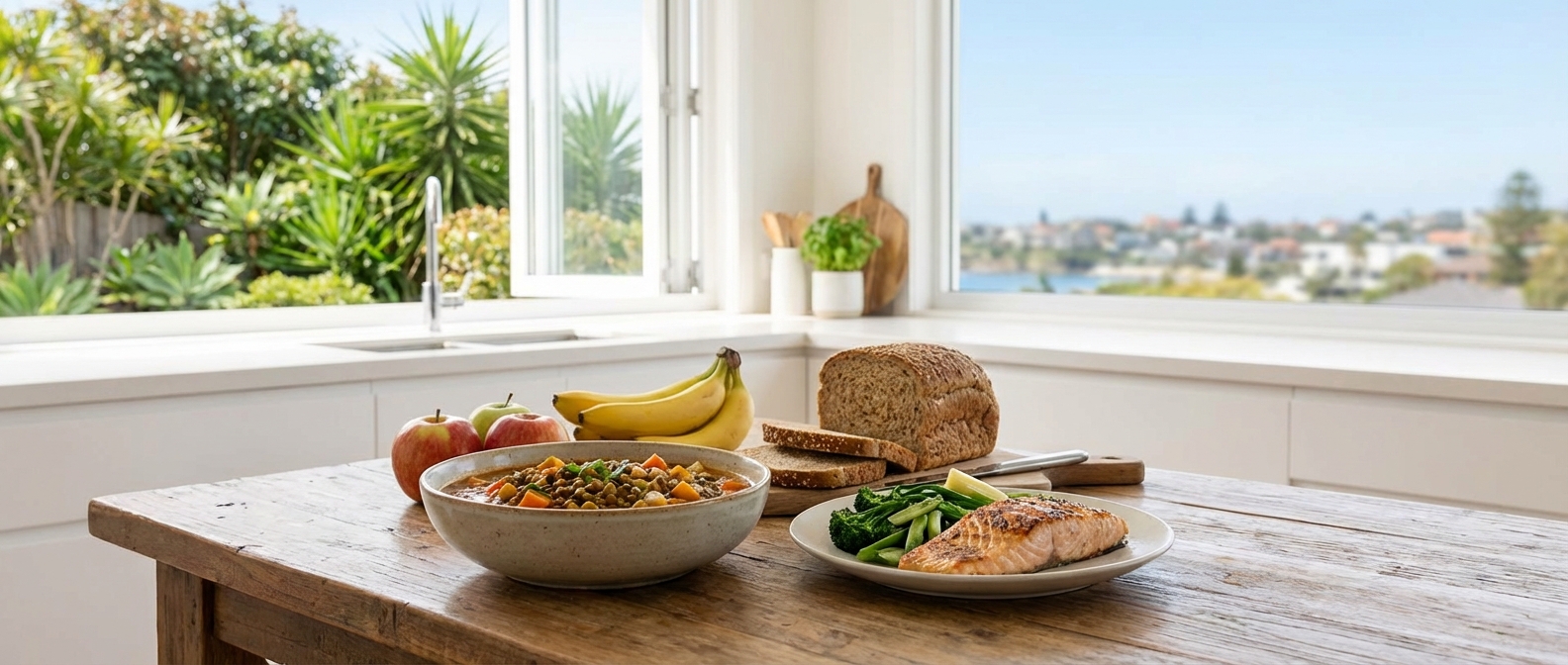
Looking for cheap and healthy food ideas in Australia? This guide is designed for the general Australian public, including health-conscious eaters, families, and carers who want to eat well without overspending. This article shares evidence-informed, practical information to help you make balanced, budget-friendly choices. Please note: this is for educational guidance only and not a replacement for individual medical advice. By reading on, you’ll discover why affordable healthy meals matter, how to plan them safely, and how to recognise risks or when extra support may be helpful.
Cheap and Healthy Food Ideas: Your Guide to Eating Well on a Budget in Australia
Understanding the Need: Why Do Australians Seek Cheap and Healthy Food Ideas?
Rising food costs and economic pressures mean more Australians want healthy, affordable options. According to Australian Government food and nutrition resources, many households face barriers to eating nutritious meals due to tight budgets. Access to affordable recipes isn’t just about saving money: it’s about supporting long-term health, preventing chronic diseases like diabetes and heart disease, and improving family wellbeing. Economic stress can lead to high consumption of processed, calorie-dense foods—which are cheap but often poor in nutrients. This pursuit is both preventive (minimising risk of diet-related illness) and educational (helping Australians make informed choices about their diets).
Equally, carers and busy families value easy and effective ways to prepare healthy and inexpensive meals. Support for these needs involves clear, actionable guidance paired with awareness of Australian-specific food resources and public health supports.
Primary Educational Intent
- Help readers understand the health and budgetary reasons for low cost healthy meals.
- Highlight practical, preventative strategies for affordable nutrition.
Secondary Intents
- Clarification of key causes and challenges affecting meal costs.
- Lifestyle impacts: how cheap nutritious meals support well-being and chronic disease prevention.
- Cost and access considerations unique to Australia.
Risk-Aware Intent
- Address risks such as nutritional shortfalls or food safety when cutting costs, and advice on when professional input is needed.
Barriers & Causes: Why Is Eating Healthy on a Budget Challenging in Australia?
Many Australians struggle to find accessible, budget healthy dinner ideas due to factors such as:
- Food price fluctuations: The cost of fresh produce, meat, and staple foods has increased, making healthy meals seem out of reach.
- Geographical access: Rural and remote communities may lack affordable, fresh ingredients, contributing to food insecurity.
- Time pressures: Hectic work schedules make it tempting to rely on pre-packaged or takeaway foods, which are typically less nutritious and more expensive in the long run.
- Lack of nutrition knowledge: Without guidance, Australians may not know how to build cheap wholesome meals with supermarket staples, or may default to less healthy “cheap eats.”
- Health factors: Certain medical conditions may require specialised diets, making budget planning more complex.
Understanding these causes helps target economical healthy meals that fit diverse needs and circumstances.
Pro Tip: Shop Smart and Save
Warning Signs: Nutritional Shortfalls and When to Seek Support
Trying to save money can sometimes lead to nutritional risks, such as low intake of essential vitamins and minerals. Australians eating predominantly ultra-processed “cheap” foods may notice:
- Fatigue or low energy due to inadequate iron, B vitamins, or protein
- Poor concentration, headaches, or recurrent illness (potential sign of insufficient macro- or micronutrients)
- Unexplained weight changes
- Development of chronic health conditions over time
These symptoms aren’t exclusive to low-cost diets but can be warning signs if relying on cheap healthy meals with little variety. If you notice persistent health changes, or if a family member (such as a child, elderly person, or someone with a chronic illness) is affected, consult a health professional, such as your local dietitian or GP, before making major dietary changes.
The Australian Context: Access, Public Support, and Cost Management
In Australia, there are unique opportunities and resources to support affordable and healthy meals:
- State and federal health services offer food insecurity assistance for at-risk groups.
- Many community centres, local councils, and Indigenous health programs provide free inexpensive recipes and cooking classes.
- Australian food guidelines, such as the Australian Dietary Guidelines, offer age- and condition-appropriate nutrition standards.
- Food rescue organisations can help supplement fresh food needs for families facing crisis.
Cost pressures remain, but Australians can make significant health gains by making use of support programs and following affordable healthy recipes grounded in evidence-based principles.
Checklist: Safe and Healthy Budget Meal Planning
- Plan weekly meals ahead of time
- Prioritise whole grains, legumes, and seasonal vegetables
- Rotate protein sources (e.g., chicken, eggs, lentils, tofu)
- Batch cook and freeze for future convenience
- Use herbs and spices to add flavour inexpensively
- Limit processed foods high in added salt, sugar, and saturated fat
- Consult credible sources such as the Heart Foundation for meal planning tips
Health Impacts: Benefits of Cheap and Healthy Meal Choices
Making informed, low-cost food choices supports both short- and long-term health. According to guidance from Australian nutrition authorities, benefits include reduced risk of heart disease, type 2 diabetes, and some cancers. Eating healthy cost effective meals on a budget improves mood, concentration, and energy—important for children, students, and workers alike. It also fosters family connection by involving children in meal prep and encouraging learning about nutrition.
Meal planning on a budget can also reduce food waste, which benefits both household finances and the environment. When managed with variety and balance, cheap healthy eating recipes support overall well-being as effectively as costlier meal plans.
Practical Strategies: Creating Nutritious Meals on a Budget
Effective meals on a budget recipes centre on a few key principles adapted for the Australian environment:
- Stock up on pantry staples: Dried beans, lentils, oats, and wholegrain rice offer nutrient density for minimal cost and can be combined in countless ways.
- Embrace frozen and canned produce: When fresh is unaffordable, canned tomatoes, frozen beans, and mixed vegetables preserve nutrients and reduce waste.
- Cook in batches: Make stews, soups, and casseroles that stretch protein with added legumes or grains.
- Use budget-friendly proteins: Eggs, tinned fish (like tuna or salmon), tofu, and chicken thigh are cheaper and versatile in affordable dinners.
- Prioritise quick, nutritious snacks: Items like air-popped popcorn, hard-boiled eggs, or homemade muesli bars can help prevent impulse buys.
- Get creative with leftovers: Transform last night’s roast vegetables into a healthy frittata, or cooked grains into a nourishing salad.
Australian Example Meal Plan
- Breakfast: Homemade porridge with diced apple or banana
- Lunch: Chickpea salad sandwich on wholegrain bread
- Dinner: Vegetable stir-fry with tofu and brown rice
- Snack: Yoghurt with frozen berries (look for supermarket budget packs)
Many cheap healthy meals Australia rely on adapting international favourites to local tastes and seasonal produce, while respecting dietary needs and budget.
| Healthy Eating Focus | Budget-Friendly Example | Potential Risk/Consideration |
|---|---|---|
| Plant-based proteins | Red lentil curry with brown rice | May lack vitamin B12—consider discussing with a GP for long-term diets |
| Lean meats & eggs | Chicken and vegetable casserole | Check food safety; cook thoroughly when bulk prepping |
| Whole grains | Oats, wholemeal pasta, brown rice | Allergies or intolerances (e.g., gluten) may need substitutions |
| Fruits and vegetables (seasonal) | Stir-fried in olive oil, added to soups | Limited options in remote areas—use frozen where possible |
| Canned or frozen | Tinned tomatoes, frozen peas | Choose low-salt/sugar options; drain and rinse as appropriate |
Prevention: How Healthy, Low-Cost Meals Support Long-Term Wellbeing
Evidence from Australian preventive health programs highlights the power of nutritious, low-cost food strategies. Planning for healthy meal ideas on a budget is not just reactive to rising costs; it’s proactive, aligning with national and international public health guidance to decrease illness risk. By focusing on whole foods, limiting processed items, and embracing seasonal discount produce, Australians can prevent or delay chronic diseases and support healthy weight, growth, and development.
Even on a tight budget, you can incorporate variety. Seek “rescue” fruit and vegetable boxes, attend community-supported agriculture clubs (CSAs) if available locally, or use supermarket “imperfect” produce ranges. For those with long-term conditions (such as diabetes or heart disease), working with a credentialled health professional for meal planning is safest.
Myths, Risks, and When to Seek Further Advice
Common misconceptions can undermine the safety and benefits of inexpensive nutritious meals:
- Myth: Healthy food is always expensive.
Reality: Many nutritious foods cost less per serve than processed snack foods. - Risk: Cutting costs may occasionally mean skipping important food groups. Meals that consistently lack fruits, vegetables, dairy, or protein can cause health issues over time.
- Misinterpretation Risk: “Cheap” may be mistaken for inadequate. Healthy cost-effective meals can meet most people’s needs, but should be regularly varied and adapted.
- Special Conditions: Children, pregnant or breastfeeding women, older Australians, and those with chronic illnesses may have extra nutritional needs. If you fall in these groups, seek support from a GP or dietitian before making significant changes.
If you’re unsure whether your current diet is supporting your health or need more tailored advice, consider consulting a registered Dietitian Australia member for up-to-date, evidence-informed guidance.
FAQ
- What are some examples of cheap and healthy food ideas in Australia?
- Good options include homemade porridge, lentil soups, vegetable stir-fries, brown rice with beans, seasonal fruit, and omelettes with leftover vegetables. These meals balance cost, nutrition, and simplicity.
- How can I make sure my cheap healthy meals have enough nutrients?
- Focus on variety: include wholegrains, lean protein, dairy or alternatives, and plenty of fresh or frozen vegetables and fruit. Rotate choices and use herbs and spices to improve taste without cost.
- Are there risks to eating only low-cost foods?
- If meals are repetitive and lack food group variety, you may miss essential nutrients. Always include a diversity of foods and, if unsure, check your meal plan with a healthcare professional.
- Where can Australians find support for affordable healthy eating?
- Resources include public health websites, local councils, food rescue programs, and advice from accredited practising dietitians. Many supermarkets also offer low-cost, nutritious recipe cards.
- Can cheap healthy meals help prevent chronic diseases?
- Yes—regularly eating balanced, affordable meals can reduce the risk of conditions like heart disease and diabetes when combined with other healthy lifestyle habits.