

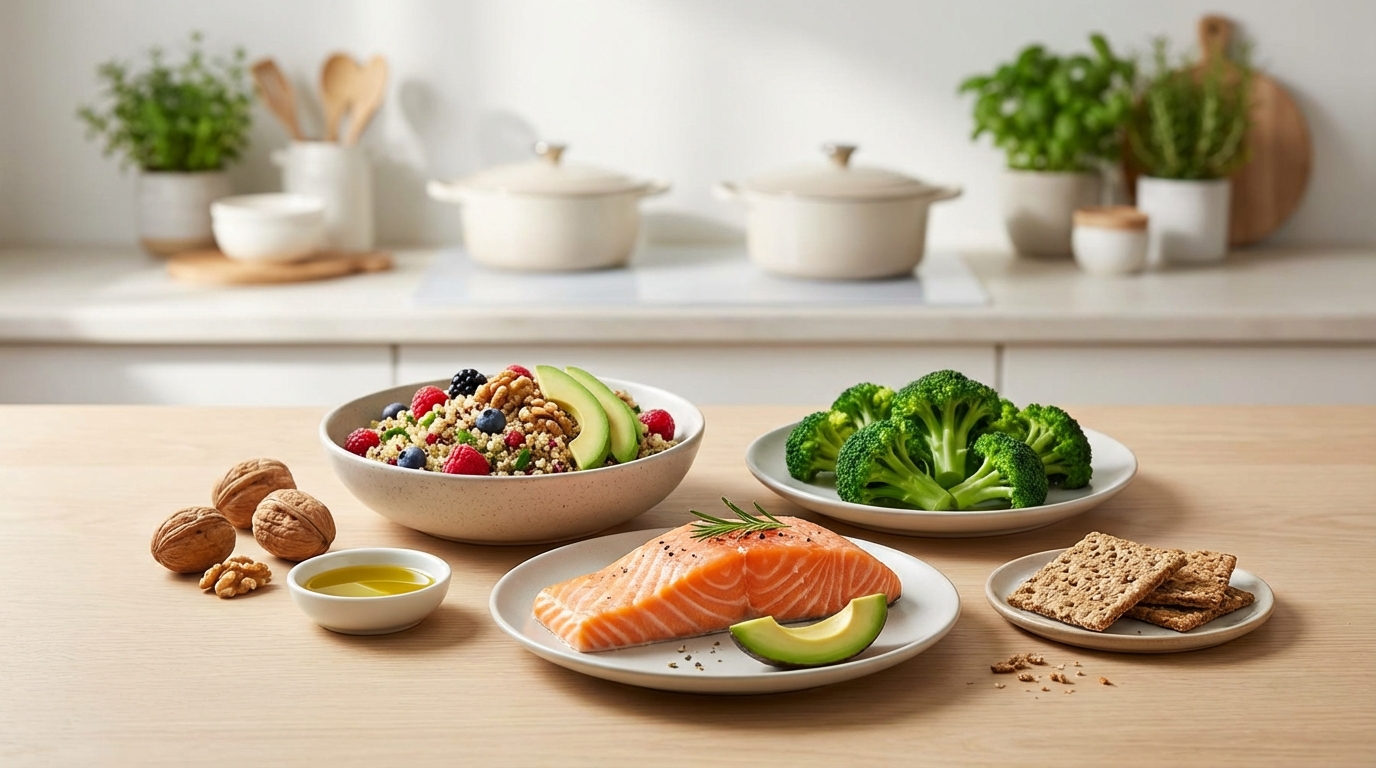
Cardiac healthy meals play a key role in supporting heart wellness for Australians—whether you’re aiming to prevent heart disease, caring for someone at risk, or simply seeking practical heart healthy recipes to enhance daily eating habits. This article is designed for health-conscious Australians, carers, and anyone seeking reliable guidance on heart healthy meals. The content is for informational use only and should not replace personalised advice from your healthcare provider. By the end of this article, you’ll understand what makes a meal heart friendly, recognise risk factors for heart disease, discover popular heart healthy recipes and meal ideas, and know when to seek further medical guidance regarding heart health and nutrition.
Cardiac Healthy Meals: Understanding the Foundations
Adopting cardiac healthy meals is a fundamental step toward preventing heart disease, managing cholesterol, and supporting a healthier lifestyle. In Australia, cardiovascular disease remains a leading health challenge, and there’s strong guidance from national bodies like the Heart Foundation and the Australian Department of Health identifying dietary choices as a powerful factor in heart health. But what exactly constitutes a heart healthy meal?
What Are Cardiac Healthy Meals?
Cardiac healthy meals, sometimes referred to as heart healthy meals or heart friendly recipes, are eating patterns and dishes designed to support cardiovascular wellbeing. They focus on ingredients that are lower in saturated fats, sodium, and added sugars, while being rich in beneficial nutrients like fibre, antioxidants, lean proteins, and healthy fats.
For Australians, cardiac healthy meals often highlight:
- Fresh vegetables and whole fruits
- Wholegrains such as oats, barley, and brown rice
- Lean proteins like fish, poultry, tofu, and legumes
- Unsalted nuts and seeds
- Healthy oils such as olive or canola oil
- Low-GI foods for sustained energy release
These heart healthy dishes are not limited to bland or restrictive diets but can encompass a rich variety of tasty recipes for the heart. Adhering to guidelines such as the Heart Foundation’s Healthy Eating Principles offers practical frameworks for creating nutritious meals that are both preventative and supportive of cardiac health.
Key Principles of a Heart Healthy Diet
Heart healthy eating recipes and cardiac healthy recipes are built on certain nutritional principles:
- Pile the Plate with Colour: Half your plate should be vegetables or salad for higher fibre and antioxidants.
- Pick Wholegrains: Swap white and processed grains for wholemeal or multigrain alternatives.
- Choose Healthy Proteins: Enjoy fish (especially oily varieties like salmon or sardines) twice a week.
- Limit Salt Intake: Use herbs and spices for flavour instead of excessive salt.
- Reduce Added Sugars: Limit processed snacks, sweetened beverages, and desserts.
- Swap Fats: Replace butter and cream with olive or canola-based spreads and oils.
Limitation: Diets should be tailored for individual preferences, allergies, and needs. Some medical conditions (like chronic kidney disease) require modifications. When in doubt, consult your GP or a dietitian before making major changes.
Why Cardiac Healthy Meals Matter: Symptoms, Risks, and Prevention
The importance of cardiac healthy meals is best understood by recognising the symptoms and risk factors for heart disease. In Australia, common signs of heart problems—like chest pain, shortness of breath, or palpitations—may sometimes be mistaken for less serious concerns. Early, preventative action through a balanced diet can significantly reduce the likelihood of developing heart-related illnesses.
| Heart Disease Symptom | Associated Condition |
|---|---|
| Chest discomfort or pain | Angina, heart attack |
| Shortness of breath | Heart failure, arrhythmia |
| Unusual fatigue | Heart failure, valve disease |
| Swollen ankles or legs | Heart failure |
| Palpitations | Arrhythmia |
Australian health guidelines highlight that eating heart healthy meals can help manage contributing factors such as high blood pressure, high cholesterol, diabetes, and overweight—key triggers for cardiac symptoms. If you experience unexplained chest pain, severe breathlessness, or fainting, seek immediate medical attention rather than relying on dietary changes.
Major Risk Factors Influenced by Diet
Cardiac healthy meals form part of a broader risk reduction plan. Dietary patterns interact with other factors such as:
- Genetic or family history of heart disease
- High blood cholesterol
- High blood pressure
- Type 2 diabetes or prediabetes
- Overweight and obesity management
- Smoking status
- Physical inactivity
Real-Life Example: Someone with borderline high cholesterol and a family history of heart attacks might benefit immediately from heart healthy dinner meals full of vegetables, legumes, and oily fish. Combined with regular movement, this can help keep cholesterol in safe ranges.
Building Cardiac Healthy Meals: Practical Guide
Designing heart healthy meal ideas often starts with simple swaps and sustainable habits, rather than strict diets or complicated recipes. Australians can take inspiration from the Australian Dietary Guidelines, the Mediterranean-style eating patterns, and the popular 7 day heart foundation diet.
Anatomy of a Heart Healthy Plate
Here’s a practical structure for assembling heart healthy meal recipes:
- Vegetables and/ or salad (50% of the plate): Aim for diversity. Roast pumpkin, leafy greens, tomatoes, capsicum, or Asian greens.
- Wholegrain carbohydrates (25%): Brown rice, quinoa, wholemeal pasta, or sweet potato.
- Lean protein (25%): Grilled fish, poached chicken, beans, or tofu.
- Healthy fats (small amount): Drizzle of olive oil, handful of unsalted nuts, or avocado.
- Fresh fruit for dessert: Sliced apples, pears, or berries.
Safety Note: Avoid ultra-low fat fads without professional guidance, as some healthy fats (such as those in nuts, avocado, and extra virgin olive oil) are beneficial for heart health and have been endorsed in Australian research.
Popular Heart Healthy Recipes and Meal Ideas (AU Focus)
Some classic heart smart Australia recipes and cardiac healthy recipes include:
- Lemon and herb grilled salmon with roast vegetables
- Chickpea and spinach stir-fry served over brown rice
- Chicken and lentil soup using reduced-salt stock
- Vegetable frittata with a salad of rocket and cherry tomatoes
- Pasta primavera with a zesty olive oil and lemon dressing
- Oven-baked sweet potato wedges with a sprinkle of smoked paprika
- Seasonal fruit salad with unsalted pistachios
For creative inspiration, recipes endorsed by the Baker Heart and Diabetes Institute promote variety, affordability, and ease—three pillars of long-term success.
| Meal Idea | Cardiac Benefits | Notes |
|---|---|---|
| Grilled salmon and salad | Omega-3s support heart rhythm, reduce inflammation | Use fresh herbs for flavour |
| Three-bean stew | Fibre and plant protein lower cholesterol | Rinse canned beans to lower salt |
| Vegetable soup with barley | Wholegrains stabilise blood sugar, add fibre | Opt for reduced-salt stock or make at home |
Pro Tip
Plan meals ahead and cook extra portions. Batch cooking healthy heart dinners can reduce stress, limit takeaway meals, and help you stay on track during busy weeks.
Integrating Cardiac Healthy Meals Into Everyday Life
Transitioning to heart healthy eating recipes can feel daunting at first, but gradual change often leads to lasting results. In Australia, food access, cultural preferences, and budget all influence choices, so it’s important to tailor strategies to your household and lifestyle.
Checklist: Steps Toward a Heart Healthy Diet
- Fill half your trolley with seasonal fruit and veg each shop
- Read food labels to choose products lower in salt, sugar, and unhealthy fats
- Reduce portion sizes of meat; increase plant-based proteins across the week
- Swap sugary drinks for water or sparkling water with lemon/lime
- Include oily fish (like salmon or sardines) two times per week
- Limit processed snack foods—keep unsalted nuts, yoghurt, or fruit as go-to options
- Culturally diverse recipes using local ingredients for variety and enjoyment
- If eating out, choose grilled, baked, or steamed options over deep-fried or sauced dishes
Example: On a family BBQ day, swap sausages for skinless chicken skewers and fill side plates with colourful salads dressed in extra virgin olive oil.
Every small choice builds towards a healthier overall eating pattern—no single meal can make or break heart health.
Limitations, Risks & When to Seek Professional Advice
While heart healthy recipes are a key part of prevention and management, they’re not a cure or substitute for medical care. People with existing cardiovascular disease, diabetes, food allergies, or digestive conditions may need more tailored nutritional support from an Accredited Practising Dietitian or their doctor. Also, drastic dietary changes—such as sudden restriction of major food groups, unproven supplements, or extreme low-fat diets—should be avoided unless guided by a professional.
Uncertainty: Not every dietary approach will work for everyone. Some individuals may see only modest changes in their cholesterol or blood pressure, despite eating mostly heart healthy foods recipes and leading an active lifestyle. This highlights the importance of regular health check-ups and customised advice from qualified practitioners.
When to Get Medical Help: Seek urgent assessment if cardiac symptoms such as chest pain, dizziness, or sudden weakness occur. Consult your GP or cardiac specialist before making significant dietary changes—especially if you take regular medication, have kidney disease, or have been told you need a special diet.
Australian-Specific Support and Resources
For more information, detailed meal plans, and heart healthy recipes for dinner, Australians can access practical resources through the Heart Foundation recipe hub and their GP or Primary Health Network dietitians. For those exploring specific dietary models like the flexitarian approach or the Mediterranean-style eating plan, local community health centres and online workshops can provide additional guidance.
FAQ
What makes a meal “cardiac healthy”?
A cardiac healthy meal is low in saturated fat, salt, and added sugar, while high in fibre, lean protein, wholegrains, healthy fats, and a variety of vegetables. This combination supports overall heart health and can lower risk factors associated with heart disease.
Are heart healthy meals suitable for people with diabetes?
Many heart healthy diet recipes feature wholegrains, legumes, and low-GI foods, which are generally supportive for people managing diabetes. However, people with diabetes should work with their healthcare team to balance carbohydrate intake and medication.
Can I still eat out or enjoy treats if I follow a heart healthy diet?
Absolutely—heart healthy meal ideas include flexibility. You can make better choices at restaurants, such as opting for grilled proteins and vegetable sides. Occasional treats can be enjoyed in moderation as part of an overall nutritious pattern.
What’s the 7 day heart foundation diet?
The 7 day heart foundation diet is an evidence-based meal plan highlighting food groups and portion sizes consistent with Heart Foundation recommendations, aiming for balance, variety, and practical affordability within the Australian context.
Are there any risks to switching to heart healthy meals suddenly?
Sudden, drastic diet changes—like eliminating food groups or over-restricting calories—can upset digestion or nutrient balance. If you have pre-existing health conditions, seek advice from a dietitian or doctor before making significant shifts.