

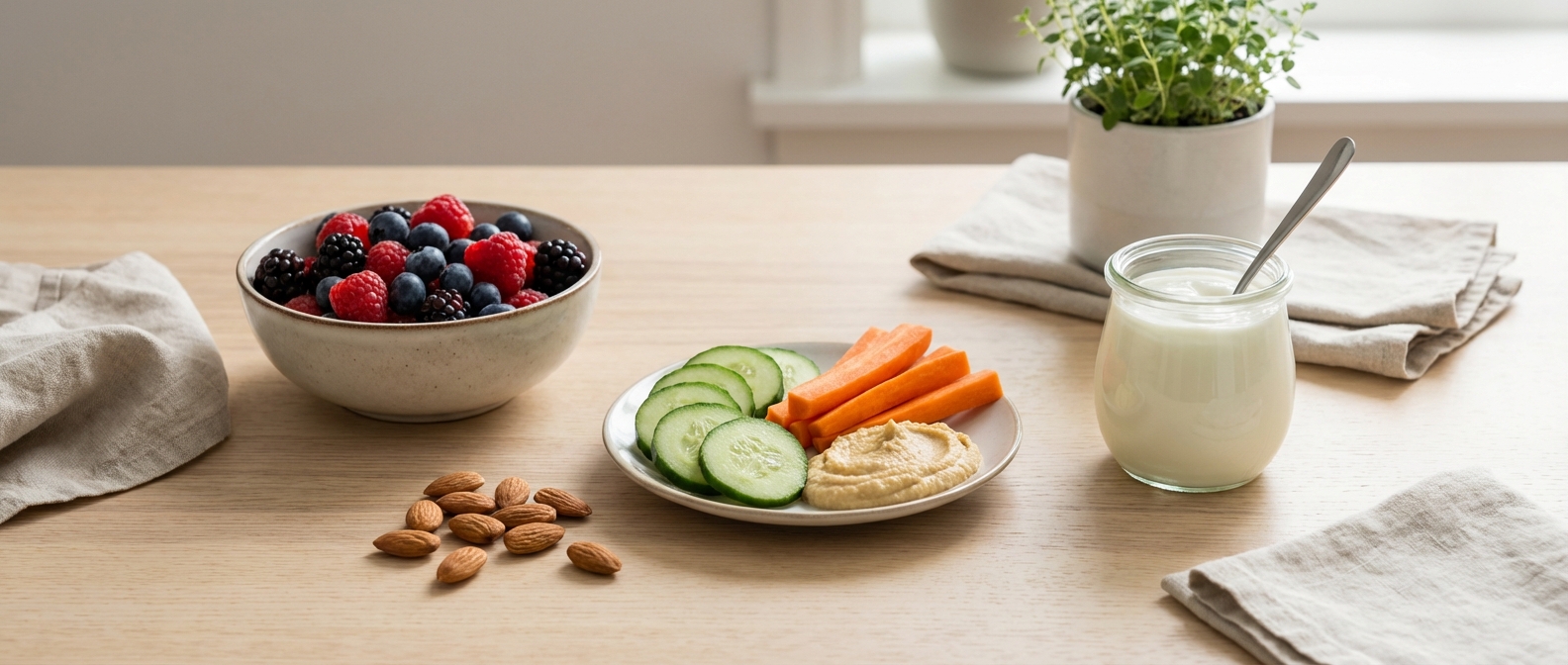
For Australians looking to improve their health or manage weight, understanding low calorie snacks Australia is essential. This article is designed for health-conscious Australians—including families, individuals living with chronic health conditions, carers, and anyone seeking better daily snack choices. The information here is intended as an educational guide only, not a replacement for personalised medical advice. By the end, you’ll have a balanced view of what qualifies as a low calorie or low kilojoule snack in the Australian context, recognise potential risks or limitations, and gain practical tips on making safe, sustainable snack choices for your lifestyle.
Low Calorie Snacks in Australia: Causes, Safety, and Prevention
Understanding Low Calorie Snacks: What Counts in Australia?
In Australia, low calorie snacks—also referred to as low kilojoule (low kJ) snacks—are increasingly popular due to rising health awareness and efforts to manage weight, diabetes, or improve energy levels. Generally, a snack is considered “low calorie” if it provides less than 400 kJ per serve, but meaningful choices may sit between 250–500 kJ depending on your dietary goals and guidance from Australian health authorities.
Common examples of low kilojoule snacks in the Australian market include:
- Fresh vegetables (e.g., cucumber, celery, carrot sticks)
- Natural Greek yoghurt (reduced fat), small portions
- Air-popped popcorn without butter or added salt
- Whole fruit, such as apples or berries
- Puffed rice cakes with avocado spread
- Sugar-free jelly
- Canned tuna in water
The goal with low calorie snacks is to reduce overall energy intake while supporting long-term health, not just rapid or unsustainable weight loss. Australian dietary guidelines, as promoted by the National Health and Medical Research Council, recommend prioritising real, whole foods over highly processed or artificially sweetened snacks, even when both options are low in calories.
Limitation: Definitions of “low calorie” can vary by age, gender, activity level, and medical conditions. Using online calorie calculators or following non-Australian advice without consultation can be misleading or risky for some individuals.
Symptoms and Signs: When Low Calorie Snacking May Not Be Working for You
For most Australians, choosing low calorie or low kilojoule snacks offers clear benefits, including easier weight management and improved feelings of wellbeing. However, certain symptoms may indicate that your snacking habits need further attention, especially if you are replacing regular meals with too many low energy snacks or not getting enough nutrients.
- Frequent hunger or reduced energy between meals
- Dizziness, headaches, or difficulty concentrating
- Cravings for highly processed, sugar-rich foods
- Unintentional weight loss or gain
- Digestive discomfort or constipation from fibre imbalance
It’s important to notice these patterns and reflect on whether your snack choices are varied, nutritionally balanced, and support your total dietary needs.
When to seek advice: If you notice ongoing symptoms or health changes, especially if you have pre-existing medical conditions, consult a qualified health professional or your local state health authority for individualised support.
| Sign or Symptom | Possible Cause | When to Seek Help |
|---|---|---|
| Persistent hunger | Inadequate total kilojoule or nutrient intake | If ongoing for more than a week or affecting daily activities |
| Frequent headaches | Poor hydration, skipped meals, low blood sugar | If severe, unexplained, or associated with other health issues |
| Digestive issues | High artificial sweeteners or excess fibre | If discomfort is persistent or worsens |
Causes & Contributing Factors: Why Australians Choose Low KJ Snacks
There are several reasons Australians are making the switch to low kilojoule snacks. Understanding these can help you align your choices with your long-term health goals and make more informed decisions.
Weight Management and Prevention
Lowering energy intake through snack replacement is a common, preventative health approach promoted in Australian weight management programs. Many adults and teens choose low calorie options hoping to avoid long-term risks associated with overweight and obesity, such as type 2 diabetes, heart disease, and joint problems. Guidance from Australian government health resources supports moderate, sustainable approaches over quick fixes.
Limitation: Overreliance on pre-packaged “diet foods” may result in missing out on whole food nutrients vital for health—including fibre, protein, and healthy fats.
Chronic Disease Risk and Diet-Related Concerns
Some individuals—particularly those with elevated cholesterol, prediabetes, or a family history of heart conditions—may seek out low kilojoule snacks to manage symptoms and reduce risk. Selecting options that are lower in sodium, sugar, and saturated fat as well as kilojoules aligns with the National Heart Foundation’s recommendations.
Example: Swapping salted crisps for air-popped popcorn or raw vegetable sticks with salsa delivers the crunch without the kilojoule or sodium load of standard options.
Access to Trending Food Products
With the growth in specialty food aisles and online supermarkets, Australians now have access to a wider range of branded low calorie snacks—including keto, vegan, and gluten-free options. This expanded choice can support individual preferences but requires careful label reading to avoid high levels of additives or sugar alcohols, which may cause gastrointestinal side effects in some people.
Health food bars with “natural” claims may have added sugars or fats, so always check nutrition information and ingredient lists.
Risk Groups: Who Should Take Extra Care with Low Calorie Snacking?
While many Australians can safely include low calorie snacks in a balanced diet, certain groups may need extra caution or professional input. Risks arise most commonly if these snacks are used to replace proper meals, or when medical, age, or cultural considerations are overlooked.
- Children and teens: Require adequate energy and nutrients for growth. Restrictive snacking can impact mental and physical development.
- Older adults: At risk of malnutrition if overall intake drops, especially those living alone or managing chronic conditions.
- People living with diabetes or metabolic disorders: Need to monitor for blood sugar fluctuations and beware of hidden sugars or sugar substitutes.
- Those with a history of disordered eating: Restrictive snacking practices may trigger unhelpful behaviours or emotional stress.
If you belong to any of these groups, consult an accredited practising dietitian or your regular GP before making significant dietary changes.
Prevention & Management: Building a Balanced Low Kilojoule Snack Routine
Prevention in the context of low calorie snacks means more than just cutting back on energy intake—it’s about forming safe, satisfying habits that support your overall nutrition and lifestyle. The following prevention strategies are aligned with advice from leading Australian health and nutrition organisations.
How to Choose Low Kilojoule Snacks Safely
- Prioritise whole foods: Choose fresh fruits, vegetables, and minimally processed foods for most snacks.
- Check portions: Even healthy snacks can add up—measure serves and avoid “eating from the packet.”
- Look beyond kilojoules: Assess for unhealthy fats, added sugar, and sodium as commonly overlooked ingredients.
- Balance your intake: Combine protein and fibre (e.g., hummus and veggies) to increase satiety and nutritional value.
- Stay hydrated: Sometimes thirst is misinterpreted as hunger—keep water handy during snack times.
Limitation: Not all low calorie snacks are nutrient-dense; some may lack essential vitamins or minerals and should not be your only source of sustenance.
Australian Access, Cost, and Real-World Integration
Many affordable low calorie snacks are available at major Australian supermarkets—both branded and generic options. However, some specialty “health food” snacks may come with higher costs. For budget-friendly ideas, consider:
- Bulk purchasing fresh produce or frozen vegetables and fruits
- DIY options such as homemade chia puddings, roasted chickpeas, or oatcakes
- Reading supermarket catalogues for specials on low calorie staple items
For access advice in rural or remote areas, your local Primary Health Network can provide tailored support on managing nutrition challenges where choices may be limited.
| Snack Option | Average kJ per Serve | Key Nutritional Features |
|---|---|---|
| Carrot sticks & hummus | 350 | Fibre, plant protein, vitamin A |
| Apple slices with almond butter | 420 | Healthy fats, natural sugars, vitamin C |
| Unsweetened Greek yoghurt, 100g | 250 | Calcium, probiotics, low sugar |
| Air-popped popcorn (no oil) | 330 | Wholegrains, fibre, gluten-free |
| Rice cake with avocado | 300 | Low saturated fat, vitamin E |
Pro Tip
Plan snacks ahead: Keeping a healthy snack kit—filled with portioned nuts, seeds, cut fruit, or whole grain crackers—at work or in your bag reduces the temptation for high-calorie, processed choices when hunger strikes unexpectedly.
Low Calorie Snack Checklist for Australians
- ✔ Includes a source of protein or fibre
- ✔ Less than 500 kJ per serve
- ✔ Made mainly from whole foods, not just “diet” products
- ✔ Contains minimal added sugar and salt
- ✔ Easily available from regular supermarkets
- ✔ Suitable for your age, health status, and energy needs
- ✔ Portion controlled and satisfying
Risks, Misconceptions, and When to Seek Professional Advice
Despite their popularity and potential benefits, low calorie snacks may not be universally safe or effective. Key risks and concerns include:
- Hidden additives: Many packaged “low calorie” items contain artificial sweeteners (e.g., sorbitol, aspartame), which may cause digestive upset or, in rare cases, allergies.
- Nutrient gaps: Focusing only on energy content can result in missing out on calcium, iron, B vitamins, or essential fats—especially for growing children and older adults.
- Over-snacking: Consuming many small, low calorie snacks can still lead to excessive energy intake overall if not monitored.
- Eating disorder risk: Highly restrictive or obsessive tracking of kilojoule intake may trigger or worsen disordered eating tendencies.
If you have concerns about your eating patterns, overall nutrition, or possible negative health effects related to low calorie snacking, it is best to contact your GP, an accredited dietitian, or seek advice through reliable local services such as those listed by Lifeline Australia.
If symptoms like fatigue, dizziness, or rapid weight changes develop, always seek prompt professional assessment. Remember, information online can guide general habits, but individual risks need tailored medical and nutritional advice.
FAQ
- What is considered a low calorie snack in Australia?
- In Australia, a low calorie snack is generally defined as providing less than 400–500 kJ per serve (roughly 95–120 Calories), commonly based on Australian dietary guidelines and health recommendations targeting balanced nutrition and weight management.
- Are packaged low kilojoule snacks healthier than homemade options?
- Packaged low kilojoule snacks may offer convenience but are not always superior to homemade options. Homemade snacks typically have fewer additives and provide greater control over nutrients such as fibre and healthy fats. Always check nutrition labels for added sugars and sodium.
- Can children and teenagers safely eat low calorie snacks?
- While some low calorie snacks like fruit and veggie sticks are healthy, children and teenagers should not consistently replace meals or key snacks with low kilojoule options, as they need more energy and nutrients for healthy growth and development.
- What risks are associated with frequent low calorie snacking?
- Common risks include nutrient deficiencies, excessive use of artificial sweeteners, overconsumption leading to unintended kilojoule intake, and, for some people, triggering unhelpful eating patterns. It’s best to focus on variety and balanced eating.
- How can I check if a “low calorie” snack is right for my health needs?
- Review ingredient and nutrition information, consider your age and health status, and speak to a dietitian or health professional—especially if you have specific dietary requirements, chronic conditions, or are making significant changes to your eating habits.