

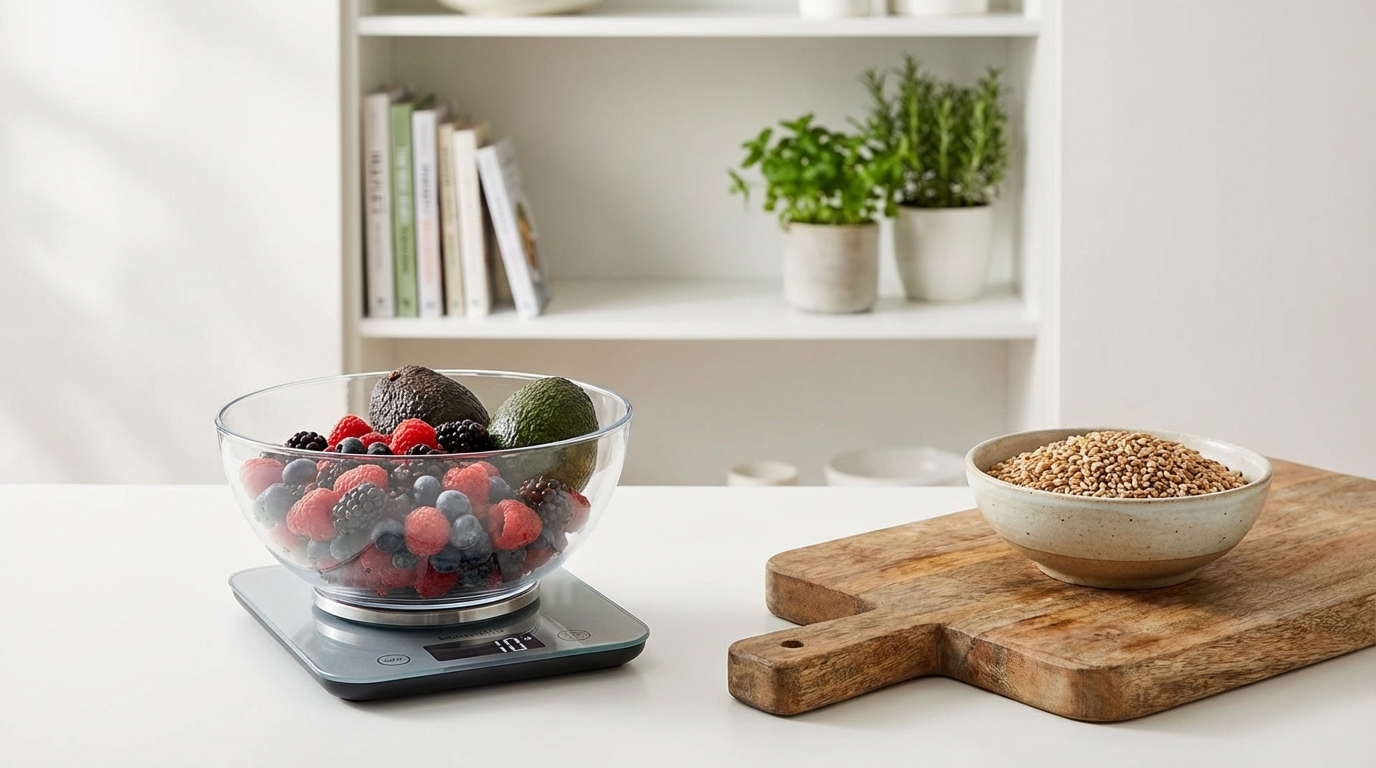
If you’ve ever wondered how many calories in a kilo, you’re not alone. This article aims to offer Australians—whether you’re health-conscious, managing weight, or supporting a loved one—the essential facts on calories, weight management, and energy balance. Our content is intended solely for informational and educational purposes and is not a substitute for personalised advice from a registered health professional. By reading on, you’ll understand what a calorie is, how it relates to weight change, how to estimate your own needs, common risks and prevention strategies, and the role of reputable Australian nutrition and health guidelines.
Understanding Calories and Kilojoules: The Basics
Calories—and their metric equivalent, kilojoules—are units measuring energy found in foods and used in your body’s daily activities. In Australia, food energy is typically displayed in both kilojoules (kJ) and kilocalories (kcal, often called calories), making it important to know how the two relate. Consuming more calories than your body uses over time typically leads to weight gain, while eating fewer could result in weight loss.
What Is a Calorie, Kilojoule, and Kilocalorie?
A calorie is a unit of energy—specifically, it’s the amount required to raise the temperature of one gram of water by one degree Celsius. In food and nutrition, the term “calorie” usually refers to a kilocalorie, abbreviated as kcal. In the Australian context, “kilojoules” are also widely used, as required by local labelling regulations. One kilocalorie equals 4.184 kilojoules.
| Energy Unit | Abbreviation | Equivalent | Typical Labelling (Australia) |
|---|---|---|---|
| Calorie (small c) | cal | 1 cal | Rarely used |
| Kilocalorie (large C) | kcal | 1 kcal = 1,000 cal | Yes (labelled as ‘calories’) |
| Kilojoule | kJ | 1 kcal = 4.184 kJ | Yes (primary labelling) |
Australians are encouraged by organisations such as the Australian Dietary Guidelines to be familiar with both units, particularly when interpreting nutrition labels or using apps that may use different standards.
How Many Calories In a Kilo? Facts and Misconceptions
The question how many calories in a kilo is at the heart of weight management conversations in Australia. Scientific consensus estimates that one kilogram of body fat corresponds to roughly 7,700 kcal (or about 32,340 kJ). This figure is an estimate: real-world changes can vary depending on factors such as genetics, metabolism, and body composition.
It’s important to know that weight change is more complex than a simple “calories in, calories out” calculation, as your body adapts over time, and not all weight lost or gained is pure fat. Lean muscle, water, and glycogen also play a role.
How the 7,700 Calorie Rule Works
The widely cited 7,700 kcal per kilogram reflects how much energy is stored in a kilo of human fat tissue. So, in theory, to lose 1 kg, you’d need to create a deficit of about 7,700 kcal over time (not necessarily in a single week). However, this rule assumes all lost or gained weight is fat, which isn’t always the case—especially in the early stages of changing diet or activity.
- Losing 0.5 kg means a deficit of ~3,850 kcal
- Gaining 0.5 kg would require a surplus of ~3,850 kcal
This is a guide, not an exact science. Individual results can vary for reasons explored later in this article.
Australian Context: Food Labelling and Public Health
Australian food packaging almost always expresses energy in kilojoules. Becoming comfortable with both (kJ and kcal) empowers you to use tools, apps, or calculators regardless of which system they use. Relying on reputable sources such as the NHMRC Nutrient Reference Values can help you make informed decisions.
Daily Calorie Needs: How Many Calories Should I Eat Per Day?
Your daily calorie needs—sometimes called maintenance calories—depend on your age, sex, weight, height, activity levels, and life stage. In Australia, average adult maintenance needs typically range between 1,500–2,500 kcal per day but vary based on individual factors. Using a maintenance calories calculator or a daily calorie intake calculator can help estimate your requirements.
Common Factors Influencing Calorie Needs
- Sex: Males usually have higher needs than females due to greater muscle mass.
- Age: Older adults often require fewer calories.
- Activity: The more physically active you are, the more energy you need.
- Life Stage: Needs increase during pregnancy, breastfeeding, or adolescent growth.
The Healthdirect healthy eating guide offers advice on portion sizes and the importance of a varied diet.
Using a Calorie Intake Calculator: Practical Example
Imagine a 35-year-old Australian woman weighing 70 kg, 1.65 m tall, and moderately active. A typical calculator might estimate her maintenance energy needs at around 2,000 kcal (8,400 kJ) daily. If her goal is safe, steady weight loss, reducing intake by 250–500 kcal per day, or increasing activity, is often recommended by health professionals (but always consult your doctor before beginning weight management efforts).
How to Count Calories and Understand Labels
Knowing how to count calories helps with mindful eating and understanding portion control. In Australia, reading food labels (which show kilojoules and, often, calories per serve and per 100g) is a practical skill. Various apps and websites can also support tracking.
Checklist: Healthier Calorie Counting Habits
- Read both per serve and per 100g nutrition information
- Use digital tools or apps for easier tracking
- Focus on whole, minimally processed foods
- Understand that all fats, carbohydrates, and proteins contribute calories
- Be wary of very low-calorie diets unless supervised by a professional
- Refer to government healthy eating resources for balanced guidance
What Affects Caloric Needs and Weight Changes?
Weight management isn’t purely mathematical. Genetics, medical conditions, medications, stress, and sleep all play a role. The body can adapt by slowing metabolism if calories are reduced too much, leading to plateau or unexpected changes.
Table: Factors Affecting Caloric Requirements and Weight Changes
| Factor | Impact | Examples |
|---|---|---|
| Genetics | Modifies metabolic rate and fat storage | Family history, ethnic differences |
| Medical Conditions | Affects weight gain/loss and energy use | Thyroid disorders, PCOS |
| Medications | May promote weight gain or suppression | Antidepressants, steroids |
| Sleep & Stress | Impacts appetite-regulating hormones | Poor sleep, chronic stress |
| Physical Activity | Burns calories, maintains muscle | Regular walking, strength training |
If you notice unexplained or rapid changes in your weight, it’s wise to talk with your GP or an Accredited Practising Dietitian for further assessment.
Prevention and Safe Approaches to Weight Management
Research and leading Australian health agencies (such as the Australian Institute of Health and Welfare) discourage extreme diets or rapid weight changes due to risks like nutrient deficiencies and rebound effects. Instead, focus on sustainable habits including a balanced diet, increased activity, mindful eating, and routine monitoring—not rigid calorie counting.
Pro Tip: Create a Sustainable Eating Routine
Planning regular meals and snacks using core foods (vegetables, fruits, whole grains, lean proteins, healthy fats) makes it easier to manage your calorie needs and prevent ‘all-or-nothing’ thinking often associated with diets.
Risks and When to Seek Medical Support
Overly restricting calories or following fad diets can lead to fatigue, poor concentration, nutrient deficits, or longer-term effects on metabolism and mental health. In people with a history of eating disorders, obsessive calorie counting can trigger relapse, as noted by mental health organisations.
Consider speaking with a health professional if you notice:
- Unintentional weight loss or gain of more than 2 kg in a week
- Extreme fatigue, hair loss, or recurrent digestive symptoms
- Difficulty maintaining healthy habits long-term
- Concerns about nutrition or medical interactions
Australian GPs, dietitians, and mental health professionals can offer individualised support, tailored to your needs.
FAQ
- How accurate is the 7,700 calories per kilo rule for weight loss?
- The 7,700 calorie (or 32,340 kJ) estimate is useful for general planning but isn’t exact for everyone. Real-life factors—such as water loss, metabolism changes, and individual differences—mean actual weight change may not always align precisely with this rule. If in doubt, review your plan with an accredited professional.
- Is it safe for all adults to use a calorie intake calculator?
- Calorie calculators are safe for most healthy adults seeking general guidance but are not suitable for children, pregnant or breastfeeding women, or those with complex medical conditions. Always seek tailored advice when circumstances are unique or health concerns are present.
- What’s the difference between calories, kilocalories, and kilojoules?
- In nutrition, ‘calorie’ usually means kilocalorie (kcal). In Australia, ‘kilojoules’ (kJ) are the standard unit. 1 kcal equals 4.184 kJ, and both values may appear on food packaging. Both measure food energy, but kilojoules are the official Australian standard.
- How can I avoid obsessing over calorie counting?
- Focus on eating a variety of whole foods, listen to hunger cues, aim for balanced meals, and use calorie tracking only as a short-term tool if needed. If anxiety around eating develops, it’s important to reach out to a GP or dietitian.
- When should I seek professional help for weight or nutrition concerns?
- You should contact a health professional if you experience rapid weight changes, signs of nutrient deficiency, eating distress, or any ongoing health symptoms. Early advice can help prevent complications and support your wellbeing.