
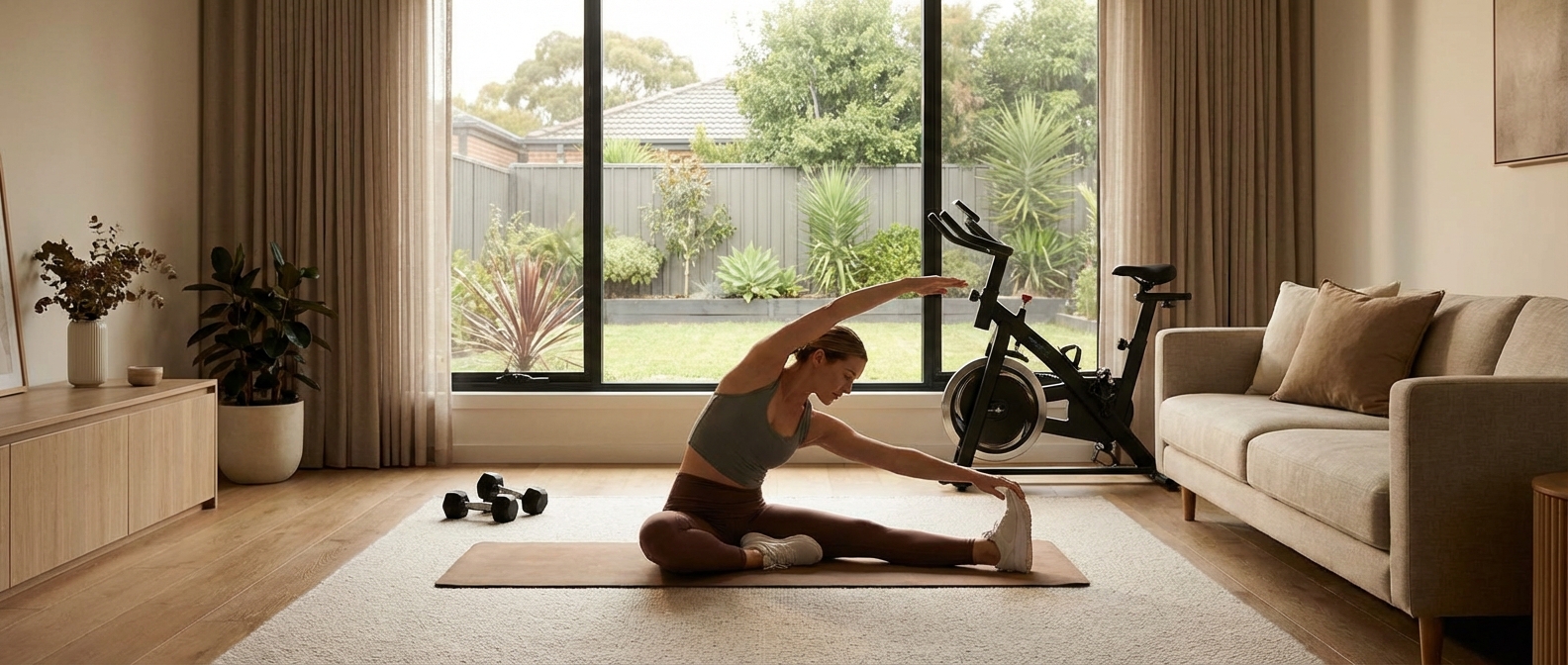
Starting a home gym workout can be a valuable step for Australians looking to improve their fitness, stay motivated and exercise at home with confidence. This comprehensive guide is designed for the general Australian public, as well as health-conscious individuals considering safer home fitness routines. It is intended for informational and educational purposes only and does not replace professional medical advice or diagnosis. By reading on, you’ll gain a clear understanding of how to build an effective and safe home gym workout plan, identify common risks, explore key prevention strategies, and learn when to consult a qualified professional for support.
Building a Home Gym Workout: What Australians Need to Know
Understanding the Growing Trend of Home Gym Workouts in Australia
Over recent years, more Australians are choosing to exercise at home, with interest in home gym workout routines and self-guided gym fitness programs higher than ever. This shift has been driven by factors such as flexible working, access to online gym workout plans, increased cost of gym memberships, and a desire for greater control over one’s health routine.
A home gym workout refers to structured exercise performed in your own living space—this can include bodyweight activities, free weights, resistance bands, or equipment such as dumbbells and treadmills. Many choose this route for convenience, privacy and cost savings, but it’s important to note that building a safe and effective workout plan at home requires attention to both technique and individual needs. Leading Australian public health organisations such as the Australian Government Department of Health recommend adults aim for at least 2.5–5 hours of moderate intensity exercise per week, which can be achieved through a mix of home gym workout sessions.
For those residing in Victoria who are interested in alternative fitness options beyond home setups, exploring reputable gyms in Melbourne Victoria can offer diverse equipment and professional guidance to support your fitness journey.
In this guide, you’ll find clear strategies for setting up your own workout plan, understand the importance of structured progression especially as a beginner, and learn how to make your routine as safe and sustainable as possible.
Key Elements of a Home Gym Workout Plan
As you consider starting a home gym workout, it’s helpful to understand the fundamentals of building a balanced gym exercise plan. This is particularly important for beginners to reduce risk and enhance outcomes. The core elements include structured exercises, a realistic schedule, and attention to body signals such as fatigue or discomfort.
Components of an effective home gym workout:
- Warm-up and mobility: Activities that gradually prepare your muscles and joints, such as gentle cardio or dynamic stretching.
- Strength training: Exercises targeting major muscle groups. Examples include squats, lunges, push-ups, and rows using bodyweight or simple equipment like resistance bands.
- Cardiovascular fitness: Activities such as skipping, brisk walking, or intervals on a stationary bike to improve heart health.
- Cool-down and flexibility: Gentle stretches to aid recovery and minimise soreness.
Beginners may benefit from a starter gym workout plan 2-3 times per week, gradually building frequency and complexity. It’s wise to alternate intensity and rest days to avoid common overtraining pitfalls.
Practical Example: Beginner Home Gym Schedule
| Day | Key Focus | Sample Home Gym Activities |
|---|---|---|
| Monday | Strength Training | Bodyweight squats, push-ups, resistance band rows |
| Tuesday | Active Recovery | Stretching, yoga, gentle walking |
| Wednesday | Cardio & Core | Skipping rope, step-ups, plank exercises |
| Thursday | Rest or Light Movement | Walking, gentle stretching |
| Friday | Full Body Strength | Lunges, overhead presses (with household items), glute bridges |
This flexible routine helps meet the Australian guidelines for physical activity, while also adapting to your time, preferences, and goals. Consider referring to recognised health bodies like the Australian Sports Commission for further advice on safe home-based exercises.
Recognising Signs That Your Gym Workout Plan Needs Adjustment
Listening to your body is crucial, particularly when embarking on a new gym fitness program. Certain symptoms or warning signs may indicate your routine puts you at risk or requires modification. Safe progress starts with understanding what to monitor.
| Warning Signs | Possible Causes | When to Seek Help |
|---|---|---|
| Persistent pain or swelling | Overuse, poor technique | If pain lingers after rest or impacts daily activity |
| Dizziness during workouts | Dehydration, low blood sugar, overexertion | Stop immediately, seek advice if ongoing |
| Shortness of breath or chest discomfort | Excessive intensity, underlying medical issue | Seek urgent medical assessment |
| Fatigue not relieved by rest | Overtraining, insufficient recovery | Consider review by a qualified health professional |
If you develop any of the above symptoms, pause your gym workout exercises and consult a health professional trained in sports medicine, such as an Accredited Exercise Physiologist or a General Practitioner. Incorrect self-management can delay recovery or worsen injuries.
Essential Prevention and Safety Tips for Home Gym Newbies
Preventing injury and burnout is just as important as achieving fitness goals. Home workouts, while convenient, lack the live supervision of a traditional fitness centre. Misinterpretation of online advice, skipping proper warm-ups, or using unsafe equipment setups contribute to the most common risks for those starting a gym workout routine at home.
Below is a prevention checklist designed for Australians creating their own full body gym workout at home.
Home Gym Workout Safety Checklist
- Prioritise warm-up and cool-down: At least 5–10 minutes before and after each session.
- Maintain clear, safe exercise space: Remove tripping hazards and check equipment regularly.
- Use proper technique: Focus on form rather than speed or heavy weight, particularly in gym exercises for beginners.
- Set achievable goals: Start with manageable sessions and progress gradually.
- Stay hydrated and nourished: Drink water before, during, and after workouts.
- Listen to your body: Never ignore sharp pain, dizziness, or excessive shortness of breath.
- Pause if unwell: Skip workouts if you have viral symptoms or feel unwell to prevent complications, as per Healthdirect Australia.
- Review your plan regularly: Adjust your gym schedule for beginners as your fitness or circumstances change.
Tailoring Your Home Gym Workout Plan for Your Needs
Building an adaptable workout plan is vital for both safety and motivation. Here are practical considerations for creating a free gym workout plan that works for your lifestyle, experience, and goals.
For Beginners: Structuring Your First Month
As a beginner, a full body approach with basic movements helps develop balance, coordination, and total fitness. Start with 1–2 sets of 8–12 repetitions per exercise, using bodyweight or light resistance. Allow 48 hours rest between strength days. Record your sessions and reflect on your progress weekly.
For Men: Fitness Plans Emphasising Strength & Endurance
Many Australian men aim to build strength and cardiovascular resilience. Focus on compound exercises such as squats, lunges, and push-ups. Incorporate intervals (e.g., 30 seconds skipping/30 seconds rest) 2–3 times weekly, with steady progress in intensity guided by comfort and capability.
For Women: Starter Gym Workout Plan for Beginners
A gym workout plan for beginners women may combine strength, core stability, and joint-friendly exercises such as glute bridges, step-ups, and band-resisted rows. Flexibility and pelvic floor activities can be beneficial, especially after pregnancy. Avoid comparing your routine directly to others’—tailor based on your own starting point, preferences, and energy levels.
Regardless of gender, consistent review of your fitness plan for men or women is important. If you notice persistent discomfort, trouble recovering, or loss of motivation, consider adjusting frequency or intensity, or seeking professional review.
Addressing Common Concerns: Cost, Motivation & Professional Support
One of the key appeals of home gym workouts in Australia is affordability. Many effective routines require minimal to no equipment, making a free gym plan possible for anyone willing to use creativity and household items like water bottles for resistance.
Maintaining motivation can be challenging without the structure of a gym. Tracking progress, setting small, realistic goals, and enrolling in online group fitness challenges or virtual classes can provide community and accountability. The Heart Foundation offers resources for Australians seeking safe exercise programs, especially those with health conditions.
If you find that working out alone at home lacks social interaction or variety, considering a Health Club Membership Near Me could provide access to group classes and broader facilities.
Consider connecting with a qualified allied health professional if you:
- Have existing health conditions (diabetes, heart problems, musculoskeletal issues)
- Are unsure how to structure a program or monitor progress
- Experience any of the warning symptoms in the earlier table
Most Australians can access physiotherapists, exercise physiologists, and other accredited specialists through private health funds or via a referral from your GP.
Risks & Limitations: Safety Considerations for Home Gym Programs
While home gym workouts offer autonomy and flexibility, there are several important risks and uncertainties to keep in mind, particularly for beginners or those managing health conditions.
- Lack of supervision: Without trained supervision, it’s easier to develop poor habits or miss early signs of injury compared to community gyms or group classes.
- Equipment misuse: Homemade or unregulated equipment may fail without warning; always prioritise quality and inspect items before use.
- Technique limitations: Online videos and generic “gym workout plans” may not account for your individual biomechanics—mistakes in form can increase injury risk, especially when starting gym workout routines.
- Psychological burnout: Self-directed exercise may induce feelings of isolation, which can lower motivation and impact adherence.
If you’re managing any complex health conditions, or if your gym routine for beginners triggers recurrent warning signs (persistent pain, chest symptoms, fainting), seek a comprehensive review from a medical practitioner or exercise specialist before continuing.
FAQ
Most beginners can use bodyweight, resistance bands, and everyday objects (like water bottles or backpacks) for strength and cardio. Equipment choices should reflect your goals and available space, not just trends.
For most Australians just starting out, 2–3 full body gym workout sessions per week is a safe and manageable approach. Rest days between sessions aid recovery and progression.
Stop exercise if you experience chest discomfort, unexplained shortness of breath, new onset dizziness, or persistent pain. Consult your GP or an allied health professional for guidance, especially if symptoms recur.
Free gym plans can offer a helpful structure but may not account for individual risk factors, health conditions, or technique. Customising any plan and seeking professional advice is recommended for safety.
Track progress, vary your routines, join online fitness communities, and celebrate small achievements to help maintain motivation for your gym exercise plan.

