
A high protein diet can play a significant role in promoting weight loss when correctly managed. This guide is intended for Australians interested in healthier eating, those considering a protein diet for fat loss, and carers supporting weight management. While this article provides general information about high protein diet foods for weight loss, it does not replace advice from qualified medical practitioners. By reading on, you’ll understand which high protein, low calorie foods support weight loss, how a protein diet plan can fit the Australian lifestyle, and what to consider for safe and sustainable results.
Understanding High Protein Diet Foods for Weight Loss in Australia
How Does a High Protein Diet Support Weight Loss?
High protein diets are popular among Australians seeking weight loss and improved body composition. Proteins are the building blocks of our body, assisting with muscle repair and supporting satiety—a feeling of fullness that helps reduce overall food intake. Protein-rich foods also typically require more energy for digestion, resulting in what’s known as the thermic effect of food. This means you burn slightly more calories processing protein than other macronutrients.
Key Benefits: People following a high protein diet for weight loss often notice reduced cravings and better appetite control. Including quality protein foods with low calories and high protein can also help prevent the loss of lean muscle while losing fat, particularly when paired with regular exercise.
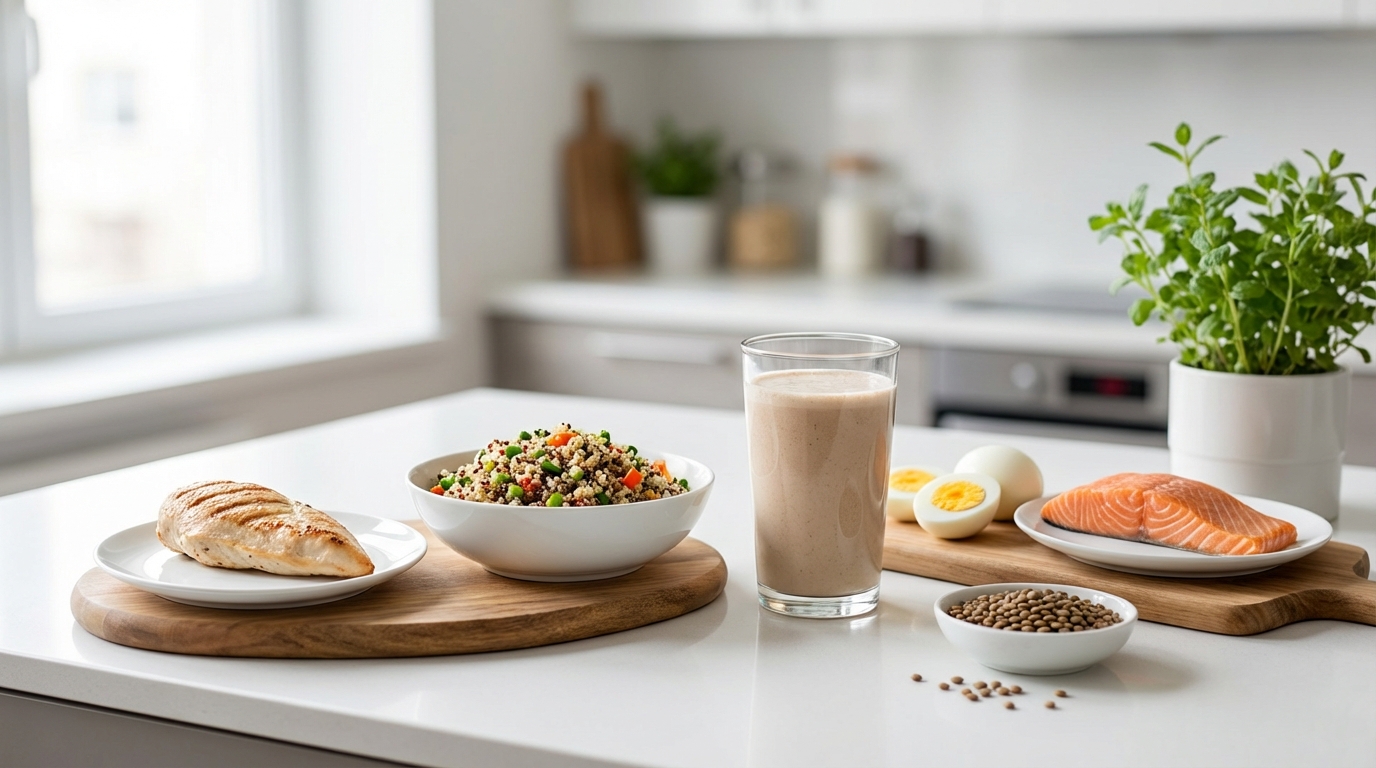
Real-life scenario: An adult aiming to lose weight may add grilled skinless chicken breast, Greek yoghurt, and lentil salads to their regular meals. Such choices help manage hunger without high energy intake.
However, not all high protein foods are equally beneficial. Highly processed meats, for instance, can be high in saturated fat and sodium, potentially increasing heart disease risk if consumed frequently. As advised by organisations like the Australian Dietary Guidelines, the focus should be on lean proteins within a varied, nutrient-rich diet.
If uncertain about dietary choices—especially with pre-existing medical conditions—Australians should consult an Accredited Practising Dietitian.
Most Effective High Protein, Low Calorie Foods for Weight Loss
Choosing foods with low calories and high protein helps create a calorie deficit without excessive hunger or low energy. The following options suit most Australian diets and can be incorporated into daily meals. Compared to higher fat, processed protein sources, these foods generally provide more nutrition with fewer kilojoules.
| Food | Calories (per serve) | Protein (g per serve) | Fat (g per serve) | Easy Uses |
|---|---|---|---|---|
| Skinless Chicken Breast | 165 (per 100g cooked) | 31 | 3.6 | Grilled, added to salads or wraps |
| Egg Whites | 52 (per 100g) | 11 | 0.2 | Scrambled, omelettes, smoothies |
| Greek Yoghurt (Low-Fat) | 59 (per 100g) | 10 | 0.4 | Breakfast, parfaits, dips |
| Cottage Cheese (Low-Fat) | 81 (per 100g) | 11 | 1.5 | Top fruit, salads, crackers |
| Lentils (Cooked) | 116 (per 100g) | 9 | 0.4 | Soups, curries, salads |
| Canned Tuna in Springwater | 109 (per 100g drained) | 25 | 0.6 | Sandwiches, salads, pasta |
| Tofu (Firm) | 73 (per 100g) | 8 | 4.2 | Stir-fries, curries, soups |
| Lean Beef (Trimmed, Grilled) | 176 (per 100g) | 26 | 5.2 | Steaks, stir-fries, salads |
For Australians preferring plant-based options, beans, chickpeas, and tempeh are excellent high protein, low calorie choices. Dairy alternatives like fortified soy milk also contribute protein for those who don’t consume dairy.
Pro Tip: Aim to balance protein sources across animal and plant foods to benefit from a wider range of nutrients and support better overall health.
Developing a Balanced Protein Diet Plan: Australian Context
Creating a sustainable protein diet meal plan involves more than simply increasing protein intake. The goal should be regular meals containing various high protein low fat foods, while managing total calories. Nutrition Australia recommends including vegetables, whole grains, and healthy fats alongside protein-rich foods—avoiding highly restrictive approaches that exclude other essential food groups.
Sample 1-Day Protein Diet Plan
- Breakfast: Low-fat Greek yoghurt with berries and chia seeds (protein diet food for weight loss)
- Morning Snack: Boiled eggs or roasted chickpeas
- Lunch: Grilled chicken with mixed salad, lentils, and vinaigrette
- Afternoon Snack: Cottage cheese with sliced cucumber and carrot sticks
- Dinner: Baked tofu or fish fillet with steamed broccoli and quinoa
This outline helps maintain steady energy, regulates appetite, and meets recommended protein targets. Swapping in high protein less fat foods or local Australian ingredients—like kangaroo or native legumes—can diversify your daily intake.
It’s important to tailor your protein diet plan to activity levels, age, cultural preferences, and health goals. Over-reliance on a narrow set of foods may increase risk of nutrient gaps or loss of dietary satisfaction, making weight loss harder to maintain.
Checklist: Safe and Practical High Protein Diet Habits
- Choose lean protein sources (fish, poultry, legumes, tofu, eggs, low-fat dairy)
- Limit processed meats and foods high in saturated fat or salt
- Ensure meals contain vegetables, wholegrains, and healthy fats for balance
- Spread protein intake throughout the day (not just at dinner)
- Stay hydrated and watch overall portion size
- Consider cultural and ethical preferences in food choices
- Check with a health professional, especially if you have kidney issues, diabetes, or take medications
Factors Influencing Success of a High Protein Diet for Fat Loss
While increasing protein can help control hunger and preserve muscle mass, reaching weight loss goals depends on several factors. Total calorie intake remains crucial—excess calories, even from protein, can slow or prevent fat loss. Inactivity, lack of sleep, significant stress, and inconsistent habits can also undermine results, even with a protein-rich diet.
| Contributing Factor | Potential Impact | Practical Context |
|---|---|---|
| Physical Activity | Supports muscle retention and greater calorie deficit | Combining resistance training with a protein diet boosts outcomes |
| Meal Timing | Improved appetite and blood sugar control | Distributing protein across meals curbs hunger spikes |
| Food Choices | Nutrient density and diet satisfaction | Mixing high protein low cal foods with whole grains and vegetables |
| Chronic Conditions | May change protein requirements or safety | Kidney or liver disease often requires tailored guidance |
| Sleep & Stress | Affects hunger hormones and decision making | Lack of sleep spikes cravings, regardless of protein intake |
High protein and weight loss approaches work best when personalised to individual needs. For long-term success, approaches promoted by the National Health and Medical Research Council encourage whole-diet patterns over single-nutrient solutions.
Risks, Concerns & When to Seek Advice: Protein-Rich Diets
Although high protein diets offer many benefits, they aren’t appropriate for everyone. Australian health authorities caution that very high protein intake could add strain to kidneys in people with pre-existing kidney disease. Excessively restricting carbohydrates or fats can also limit fibre and key micronutrients, affecting digestion, heart health, and energy levels.
Potential Side Effects and Warning Signs
- Unusual fatigue or dizziness
- Significant changes in urination or thirst
- Ongoing constipation despite water and fibre intake
- Persistent nausea, headaches, or unpleasant breath
- Loss of menstrual cycles in women
If you notice any of these symptoms, or if you’re considering a high protein diet for weight loss while living with a condition like diabetes, cardiovascular disease, or kidney dysfunction, it’s important to consult your GP or a dietitian. Children, older adults, and pregnant or breastfeeding women also have unique nutritional needs that may not be met by a standard high protein diet plan.
Misinterpreting protein-rich diet and weight loss advice—such as cutting out entire food groups or following extreme fad diets—can carry health risks and undermine long-term outcomes.
Remember: Individual advice is essential for those experiencing symptoms, intending major dietary changes, or preparing for surgery or medical treatment.
FAQ
What are the best high protein diet foods for weight loss in Australia?
Lean meats (chicken, beef, kangaroo), seafood, eggs, low-fat dairy, legumes (lentils, chickpeas), and plant-based options like tofu are widely available and support most protein diet plans. For a balanced approach, include a variety of these foods daily.
Are high protein diets safe for everyone?
Not always. While most people tolerate moderate increases, high protein diets may not suit individuals with kidney disease, certain metabolic conditions, or those on specific medications. Seek advice from a health professional before major changes.
Can I lose weight by just eating more protein?
Not necessarily. Sustainable weight loss comes from managing total calorie intake and regular activity, not protein alone. Balanced diets that include proteins, wholegrains, vegetables, and healthy fats are most effective.
How much protein should I eat daily for weight loss?
Needs vary by age, weight, and activity. Most Australians benefit from 1.2–2.0 grams per kilogram of body weight when aiming for fat loss, but individual requirements differ. Speak with a dietitian for personal recommendations.
What are signs that a high protein diet is not working for me?
Warning signs include persistent fatigue, digestive issues, headaches, or lack of progress with weight loss. These symptoms mean it’s time to reassess your approach with a health professional.