

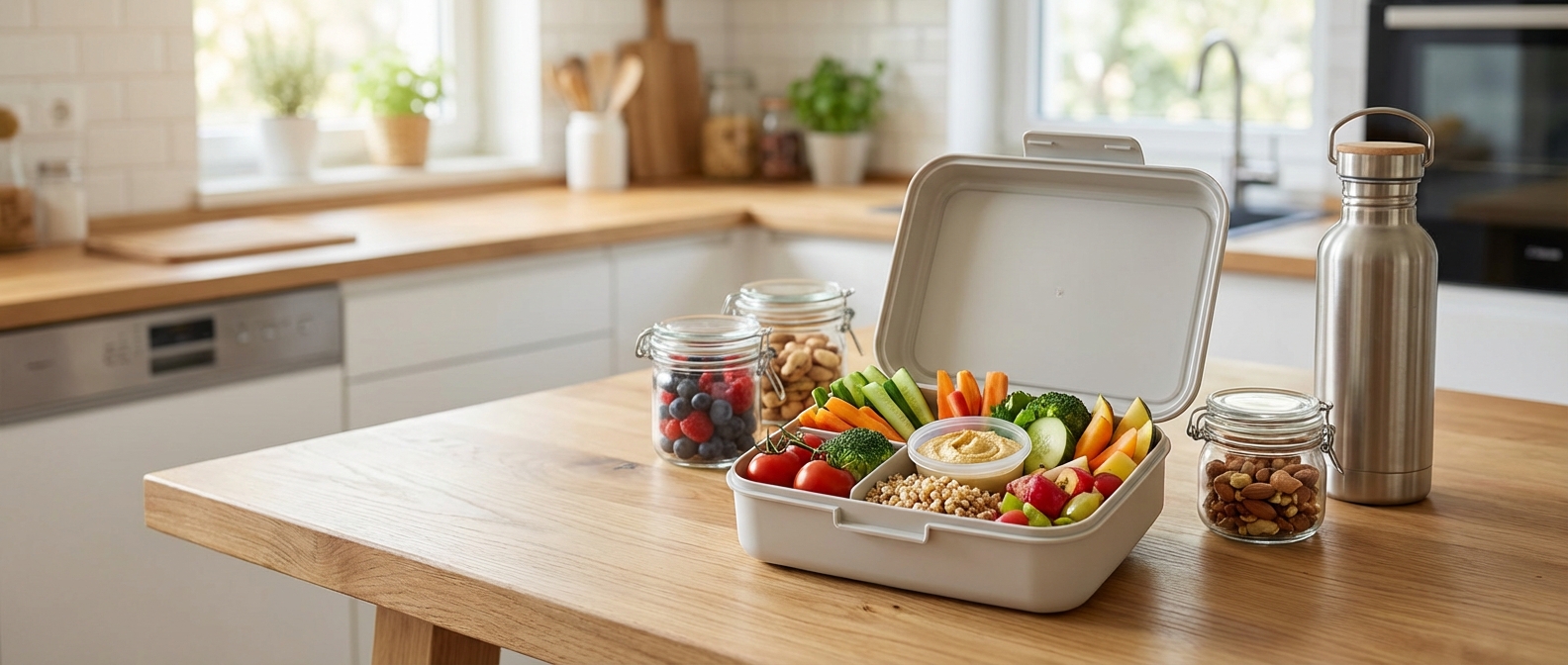
Planning healthy lunch box ideas is an everyday concern for many Australians—whether you’re packing for school kids, busy workers, or looking for nutritious options yourself. This informational article is designed for the general public, including parents, carers, students, and health-conscious adults. It aims to educate and empower you with up-to-date, practical guidance that supports balanced eating habits, while emphasising that this content is strictly for informational purposes and not a substitute for professional medical advice. By the end, you’ll understand what makes lunch box meals truly healthy, how to choose and prepare them safely, and important Australian context for making the best choices for yourself and your family.
Healthy Lunch Box Ideas: An Australian Guide to Nutritious Choices
Understanding the Importance of Healthy Lunch Boxes in Australia
Within Australia, healthy lunch box ideas have become a focal point for parents, students, office workers, and health professionals alike. The daily lunch box isn’t just about filling a gap between breakfast and dinner; it plays a critical role in ensuring children and adults receive the nutrients needed for optimal health, learning, and productivity. The Australian Dietary Guidelines, supported by the National Health and Medical Research Council, emphasise the importance of including all food groups—vegetables, fruit, grains, lean proteins, and dairy or dairy alternatives—in daily eating patterns. A well-packed lunch box also helps prevent the intake of excess processed foods, sugar, and unhealthy fats, which have been linked to a rise in metabolic and mood disorders within our population.
The process of planning for nutritious lunch box ideas stretches beyond children. While school children are a high-priority group due to their growth and energy demands, adults stand to benefit equally from better lunch box habits, supporting stable blood sugar levels and improved concentration, especially during demanding workdays. Fueling the body properly can prevent mid-afternoon slumps and help with long-term weight management goals—objectives echoed by Australian health campaigns and the Dietitians Australia initiative.
Unfortunately, many modern lunch box ideas fall short, relying on heavily packaged, high-sugar, or low-fibre items. By understanding the importance and integrating practical, evidence-based nutrition knowledge, lunch box meals can support not just physical health but also social connection, mindful eating, and food enjoyment.
What Makes an Ideal Lunch Box? Key Components for Health and Balance
Choosing ideal lunch box ideas hinges on balance, variety, and suitability for individual needs. A nutritious lunch box is typically constructed from basic building blocks, each offering unique benefits. Boxed meals for both adults and children benefit from the same foundational elements, though portion sizes and preferences may differ.
- Vegetables: Provide fibre, vitamins, and minerals essential for gut and immune health. Raw veggie sticks (carrot, cucumber, capsicum), salads, or cooked leftovers are great choices.
- Lean Proteins: Offer sustained energy and muscle support. Nutritious lunch box recipes often feature chicken, tuna, boiled eggs, tofu, chickpeas, or unsweetened Greek yoghurt.
- Whole Grains: Foods like wholegrain bread, brown rice, quinoa, or grain crackers give lasting energy and are linked to heart health.
- Dairy or Calcium-rich Alternatives: Cheese slices, reduced-fat milk, yoghurt, or fortified non-dairy options all contribute to bone strength—a key focus in Australian nutritional advice.
- Fresh Fruit: Pack seasonal fruit for natural sweetness and antioxidants; choose options like apples, oranges, berries, or grapes.
- Healthy Fats: Small serves of nuts (where permitted), seeds, or avocado can be included for brain health.
For both school and work lunches, the presentation and variety within lunch box lunch ideas can improve appeal and likelihood of being eaten. Presenting a lunch box with multiple ‘mini meals’ can also enhance children’s willingness to try unfamiliar foods and encourage safe, mindful eating in adults.
Importantly, consider food safety practices—using insulated bags, ice bricks, and ensuring perishable items are kept cold according to Food Standards Australia New Zealand recommendations. This reduces the risk of foodborne illness, especially during warm Australian months.
| Lunch Box Component | Key Benefit | Easy Example |
|---|---|---|
| Vegetables | Supports immune & gut health | Cherry tomatoes, carrot sticks |
| Whole Grains | Provides long-lasting energy | Wholemeal wrap, brown rice salad |
| Lean Protein | Builds muscle & helps fullness | Boiled eggs, chickpea salad |
| Fruit | Natural fibre & vitamins | Apple, grapes, seasonal berries |
| Dairy/Alternatives | Bone & dental health | Reduced-fat cheese, plain yoghurt |
| Healthy Fats | Brain development & satisfaction | Avocado, seeds, nuts* |
*Nuts may not be suitable for all school settings due to allergy policies.
Healthy Lunch Box Ideas for Every Age and Lifestyle
Nutritious School Lunch Box Ideas for Children
School children require balanced, easy-to-eat foods that can fuel concentration and steady energy over a long school day. Creative lunchbox ideas for kids blend nutrition with fun and convenience. Some Australian families find success using bento-style lunchboxes, which segment foods and encourage variety.
- Vegetable sushi rolls with brown rice, cucumber, and carrot, paired with Edamame beans.
- Wholemeal sandwich with lean roast beef, baby spinach, and beetroot, plus a mandarin and plain Greek yoghurt tub.
- Mini homemade corn and zucchini fritters, cherry tomato skewers, grilled chicken strips, and fruit salad on the side.
- Hummus dip with carrot and capsicum sticks, a hard-boiled egg, rye crackers, and a small banana.
Remember that food variety and colour often increase lunch box appeal for children. When introducing new foods, offer familiar options alongside them to minimise food refusal. When needed, consult with accredited practising dietitians for specific allergies or challenging eating habits.
Lunch Box Meals for Adults: Nutrition, Practicality, and Taste
For busy adults, easy lunch box ideas often focus on meal prep, convenience, and sustaining energy through the afternoon. Adults can also benefit from including leftovers, as these can encourage reduced food waste and healthier choices compared to last-minute takeaway orders.
- Mixed grain and roast vegetable salad (such as pumpkin, sweet potato, and quinoa) topped with feta and pumpkin seeds.
- Chicken and capsicum wholemeal wrap with Greek yoghurt dip and sliced strawberries.
- Brown rice and tuna sushi bowl with avocado, black sesame seeds, and thinly sliced cucumber.
- Beef and vegetable stir-fry with soba noodles, pre-packed in a microwave-safe container for office lunches.
Nutritious lunch box recipes often avoid excessive added salt or highly processed meats (minimising deli meat consumption), in line with Australian Heart Foundation advice. It’s helpful to plan and prepare lunches ahead on weekends or the night before. For more tailored nutrition support, Australians can access Medicare-subsidised dietitian consultations via their GP.
School & Workplace: Healthy Lunch Box Swaps to Try
A simple swap can transform lunch box meals for both adults and children. Instead of sweetened yoghurts, try unsweetened with fresh fruit. Replace packaged muesli bars with homemade oat slices, and swap white bread for high-fibre options. For those with dietary restrictions or allergies, the Australian Society of Clinical Immunology and Allergy provides helpful resources accessed via your local healthcare team.
Finally, don’t forget hydration. Water is the best drink for a healthy lunch bag, followed by plain milk. Limit sugary drinks, fruit boxes, and flavoured milks—these can contribute to excess energy intake and dental problems.
Prevention, Risks, and Warning Signs: Addressing Concerns with Healthy Lunchboxes
Risks of Unbalanced Lunch Box Meals
Poorly constructed lunch box options can affect mood, cognition, and long-term health. Warning signs of inadequate nutrition in children include low energy, irritability, trouble concentrating, frequent illness, or trouble maintaining healthy growth. For adults, warning signs might include regular afternoon energy crashes, headaches, or unintended weight gain. Frequently packing high-sugar, high-salt, and ultra-processed food items has been linked to higher risk of metabolic disorders per Healthdirect Australia.
When preparing lunches, always be mindful of food safety issues, especially during summer months. Perishable items left in the temperature danger zone (5°C–60°C) for more than two hours can pose a food poisoning risk. For anyone with chronic health concerns, food allergies, or medical dietary requirements, it’s especially important to check labels and ingredients, and seek advice from health professionals when uncertain.
When to Seek Professional Dietary Guidance
If you notice persistent symptoms like those outlined above, or repeated refusal to eat in children, consider discussing your concerns with an accredited dietitian or GP. Individuals with special medical requirements—such as diabetes, coeliac disease, or food allergies—may require additional support to create optimally healthy lunch box ideas. The National Allergy Strategy offers guidance, especially for families and schools dealing with food allergy management and safe lunchbox planning.
When new symptoms, warning signs, or concerns arise about nutrition or food safety, especially in children or vulnerable adults, a healthcare provider is the best source of professional advice.
| Issue or Symptom | Potential Cause | Suggested Prevention/Tips |
|---|---|---|
| Low energy & poor focus | Unbalanced or low-protein lunch | Include lean protein, wholegrains, water |
| Food spoilage/food poisoning concern | Poor temperature control | Use insulated lunch bag & ice bricks |
| Repeated refusal to eat lunch | Lack of variety, preference, or sensory issue | Offer familiar plus new foods, involve in prep |
| Weight gain or loss | Uncontrolled portion sizes or excess treats | Pre-portion treats, balance food groups, check with GP |
| Allergic reaction | Hidden foods or cross-contamination | Read labels, separate allergen foods, communicate with school |
Pro Tip
Focus on consistency over perfection. Adjust healthy lunch box ideas based on your family’s evolving needs, and aim for gradual improvement, not strict rule-following. Involve children and family members in planning and preparing lunches—they’re likelier to eat what they help create, and it builds healthy habits for life.
Practical Checklist: Packing a Safe and Healthy Australian Lunch Box
- Choose a lunch box and bag that are easy to wash and keep food cold, especially during the warmer months.
- Include at least one serve each of vegetables, fruit, wholegrain, lean protein, and dairy/alternative (where tolerated).
- Pre-chop veg at the start of the week for easy access.
- Use freezer gel packs or insulated lunch bags for perishable items.
- Rotate meal components to boost variety and prevent food boredom.
- Stay informed about school and workplace food policies, particularly regarding allergies and permitted foods.
- Encourage water as the main drink. Avoid sugary and high-calorie beverages in lunchboxes.
Healthy Lunch Box Recipe Inspiration: Simple, Australian-Style Options
Here are some easy, nutritious lunch box meals ideas for Australian families and adults—these encourage balance and can adapt to various dietary needs or taste preferences. Remember, adapt ingredients for allergies or medical restrictions.
- DIY Wrap Station: Pack mini wholegrain wraps, slices of roast chicken, cos lettuce, grated cheese, and a side of hummus for building at lunchtime.
- Chickpea & Rice Salad: Toss together canned chickpeas (rinsed), brown rice, diced cucumber, cherry tomatoes, and a squeeze of lemon.
- Egg Muffins: Whisk eggs with baby spinach, leftover veg, a sprinkle of cheese, and bake in a muffin tray. Refrigerate and pack a couple each day.
- Fruit & Veg Crunch Box: Sliced apple, mandarin segments, sugar snap peas, and carrot sticks with a small tub of nut-free dip or tzatziki.
- Tuna & Grain Crackers Combo: Tuna in springwater, wholegrain crispbreads, cucumber slices, and a handful of blueberries.
If inspiration runs low, the LiveLighter program provides practical, evidence-based lunch box suggestions for the Australian lifestyle.
Access, Support, and Cost Considerations for Australian Lunch Boxes
While healthy food for lunch boxes can be achieved on most budgets, Australians living in rural or remote areas may face cost or access challenges for fresh produce and specialty items. Using seasonal fruit and vegetables, opting for frozen when fresh is unavailable, and planning around local produce specials can help mitigate this. Where school canteens or workplace cafeterias are available, review menu options with nutrition in mind.
Community health nurses, local GPs, and school support services are valuable support points for those needing dietary or nutrition guidance. Programs such as Dietitians Australia’s Find an APD directory and state-based public health nutrition teams offer pathways to personalised nutrition support when needed.
FAQ
What are some quick and healthy lunch box ideas for Australian schools?
Quick lunch box ideas include wholegrain wraps, boiled eggs, veggie sticks, fresh fruit, and simple homemade muffins. Using leftovers and bento-style boxes can also increase variety and appeal.
How can I safely pack perishable foods in lunch box meals for adults?
For food safety, use insulated bags, freezer gel packs, and store lunch boxes in a fridge or cool spot if possible. Australian guidelines recommend limiting time outside cool storage to two hours, especially during warmer months.
Are there specific lunch box foods to avoid for children prone to allergies?
Yes, always check school policies and avoid foods containing common allergens such as nuts, eggs, or dairy if required. Prepare allergen-free alternatives and ensure proper washing and separation of utensils to reduce risk.
How can I make healthy lunch box meals appealing to fussy eaters?
Offer familiar options alongside new foods. Use colourful fruit and vegetable combinations, involve children in preparation, and avoid pressure at lunchtime. Try new foods at home first to build confidence.
When should I see a professional about persistent lunch box meal issues?
If there are ongoing issues with eating, persistent symptoms like fatigue, growth concerns, allergies, or medical restrictions, seek assessment and tailored advice from an accredited practising dietitian or your GP.