
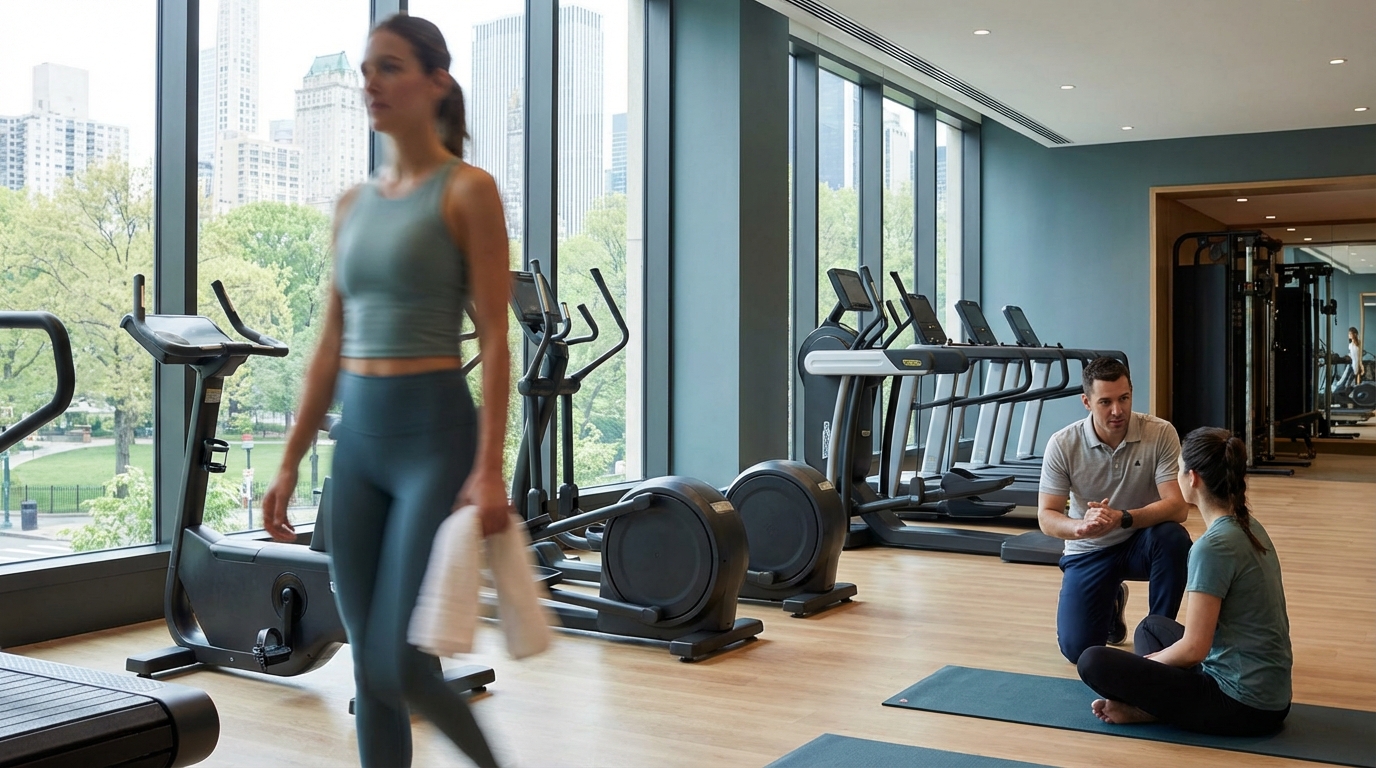
If you’re searching for a health club membership near me, you’re likely looking to improve your fitness, general health, or wellbeing. This guide is written for Australians—whether you’re new to fitness, returning after a break, or helping someone else make an informed decision. The information below is for educational use only and is not a substitute for professional medical advice. By the end, you’ll understand what to expect from local health clubs, how to assess safety, key factors involved, preventive measures, and practical tips for choosing the right option in line with expert Australian health guidance.
Understanding Health Club Memberships in Australia
Health clubs, fitness centres, and gym clubs provide a range of options for individuals keen to enhance their physical health. Across Australia, you’ll find choices from large national chains to specialised local gym clubs. Whether you’re seeking a fitness centre for regular exercise, group classes, or personal training, understanding the types and features of health club memberships near you supports informed, safe choices for your lifestyle.
Many Australians use gym memberships to improve cardiovascular health, manage weight, build strength, or support mental wellbeing. According to the Australian Institute of Health and Welfare, regular physical activity can reduce the risk of chronic diseases and improve quality of life. Yet, choosing the right health club means weighing your personal needs, safety concerns, costs, and ensuring the club’s facilities align with national health and safety standards.
Key Considerations: What Should You Look for in a Health Club or Gym Membership?
Selecting a gym or health club involves several important factors. Consider proximity, range of equipment, class variety, staff credentials, safety standards, and membership flexibility. Australians are increasingly seeking discounted gym memberships or clubs that offer trial periods and flexible terms. For those still undecided about enrolling, trying an Anytime Fitness Free Trial might help you evaluate club facilities and services before making a commitment.
Quality health clubs often meet regulatory requirements, follow the Safe Work Australia guidelines, and have accredited trainers. In addition, many now provide options suited to different age groups and abilities, such as seniors’ classes or classes for those managing chronic conditions.
A growing number of Australians are searching for “good gyms near me” that are both accessible and foster a welcoming environment. The availability of female-only gyms, 24-hour access, and additional wellness facilities can influence your decision. Before committing to a health club membership, check the policies on cancellations, payment options, and facility maintenance standards.
| Feature | Typical Inclusions | Australian Consideration |
|---|---|---|
| Equipment | Cardio, strength, free weights | Check for maintenance and safety protocols |
| Classes | Yoga, HIIT, Pilates, group training | See if offerings suit your needs & health |
| Staff Support | Personal trainers, instructors | Verify qualifications & first aid training |
| Accessibility | Parking, ramp access, 24-hour entry | Ensure accessibility for all members |
| Membership Flexibility | No lock-in, discounted rates | Read contract for fees and exit terms |
Benefits of Joining a Health Club or Fitness Centre
A health club gym near me provides more than just access to equipment. Research by Australia’s Department of Health and Aged Care highlights significant physical and mental benefits, including reduced risk of lifestyle-related diseases, improved mood, and social engagement.
Group classes and community events often foster connection and motivation. Personal trainers help with tailored exercise plans, and structured environments promote a routine. Personalized direction from a Fitness Trainer Near Me can maximize your health club experience and help manage individual risks effectively. For many, discounted gym memberships or bundle deals make regular attendance more affordable.
Pro Tip
Before finalising your gym membership, consider booking a club tour or trial session. This allows you to check safety measures, cleanliness, staff responsiveness, and whether the environment feels supportive and inclusive for your fitness goals.
Potential Risks and Health Concerns of Gym Membership
While health clubs are generally safe, it is important to be aware of potential risks. Overexertion, inappropriate use of equipment, unsupervised exercise, or ignoring underlying health conditions can increase injury risks. According to Sport Australia, most exercise-related injuries in gyms are preventable with proper education and staff guidance.
Signs like chest pain, unusual shortness of breath, dizziness, or severe muscle pain during or after exercise should be taken seriously. People with pre-existing health issues (such as heart disease, diabetes, or musculoskeletal conditions) should seek advice from their GP before starting a new exercise regime.
| Symptom/Warning Sign | Possible Cause | Recommended Action |
|---|---|---|
| Chest pain or tightness | Overexertion, heart condition | Stop exercise, seek immediate medical attention |
| Severe breathlessness | Asthma, cardio overload | Pause, monitor symptoms, seek help if persistent |
| Sudden dizziness | Low blood sugar, dehydration | Rest, hydrate, consult staff or a GP if ongoing |
| Sharp or sudden joint pain | Injury, improper technique | Cease activity, report to trainer, monitor closely |
If you’re ever unsure about new or persistent symptoms, or if exercise causes pain beyond mild muscle soreness, seek medical advice promptly. Responsible clubs will encourage you to ask questions, disclose any health issues, and ensure exercise plans are adapted to your needs.
Preventative Strategies for Safe Gym Use
Preventing injuries and maximising gym safety starts with preparation and self-awareness. The best gyms and fitness centres integrate staff support, regular safety checks, and clear signage about correct equipment use. For individuals, consistency and incremental progress reduce injury risks. The Australian Fitness Industry Code of Practice encourages gyms to offer new member orientations and regular safety reviews.
Community awareness has helped shift the culture of gyms towards safe, supportive spaces for all ages, abilities, and backgrounds. Many health clubs offer sessions on safe lifting, warm-up techniques, and recovery strategies. Disability inclusion, mental health support, and flexible access for shift workers are also increasingly available.
Practical Health Checklist: Maximising Gym Membership Safety
- Consult a GP before starting any new fitness program, especially if you have pre-existing conditions
- Participate in introductory sessions or club orientation if available
- Use equipment only as instructed and ask for help if unsure
- Report any faulty equipment or cleanliness concerns to staff
- Warm up before and cool down after exercise
- Stay hydrated and avoid exercising when unwell
- Inform trainers of any changes to your health or medications
- Respect club rules and be considerate of others’ space
Who Should Be Cautious? Risk Groups and When to Seek Advice
Not all adults or children have equal risk when it comes to adopting a health club or gym regimen. Special considerations exist for pregnant individuals, older adults, those with chronic medical conditions, and people with recent injuries. For example, those living with arthritis may benefit from low-impact classes, while others might require supervision or adjusted routines.
Members with a history of heart disease, hypertension, or diabetes should consult their healthcare provider and inform gym staff when joining. Australians returning to exercise after illness or long breaks may also wish to seek guidance from an Accredited Exercise Physiologist, as recognised by Exercise & Sports Science Australia.
Children and teens require age-appropriate programming and adult supervision. Clubs offering family memberships or “junior gym” programs must comply with national child safety standards to ensure safe and positive participation.
Cost, Access, and Value: What to Expect from Gym Memberships in Australia
Australians have broad access to fitness centres, ranging from community-run gyms to premium chains. Prices vary widely, depending on location, facilities, and contract terms. Recent trends show a rise in discounted gym memberships—such as off-peak access, corporate deals, and special rates for students, seniors, or health care card holders.
“No lock-in contracts” and pay-as-you-go options are now common, reducing the risk of financial pressure. Annual fees, joining fees, and class surcharges can apply, so always request a clear breakdown before joining. Where available, health fund rebates or participation in government-supported fitness initiatives can further reduce the cost.
Australians in rural or regional areas may have fewer choices but can still access multisport community facilities or online/virtual fitness programs. Some clubs offer hybrid memberships for in-person and online classes, which can be especially valuable if travel or scheduling is a concern. Consider reading independent reviews, checking for accreditation by Fitness Australia, and comparing facilities based on accessibility, value, and member feedback.
How to Compare and Choose the Right Health Club or Gym Club
With so many fitness centres and gym clubs, conducting a local search for “health club membership near me” will produce options ranging from specialised boutique studios to major national franchises. Use online comparison tools where possible, but visit the club where practical to assess cleanliness, staff approachability, and amenities firsthand.
The best choice aligns with your exercise preferences, health needs, schedule, and budget. Ask about introductory offers, “cooling-off” periods, and any limitations on access or use of facilities such as pools, saunas, or childcare. Reading membership contracts closely is essential; if unsure, seek clarification from club management or your state’s consumer protection agency.
Don’t hesitate to ask current members or staff about the club’s commitment to inclusivity, regular equipment updates, and support for personal or cultural needs. Your long-term safety, comfort, and motivation are key to lifelong fitness success.
FAQ
How do I find reputable health clubs or gyms near me?
Use trusted search engines, check online reviews, or visit club websites. Look for clubs registered with Fitness Australia or similar recognised bodies for assurance on safety and professional standards.
What precautions should I take before starting a new gym program?
Consult your doctor, especially if you have any health conditions. Participate in club orientation and inform trainers of your health background. Start slowly and avoid sudden increases in intensity.
Are discounted gym memberships common in Australia?
Yes, many health clubs and fitness centres offer discounts for students, seniors, corporate teams, and off-peak usage. Check current promotions on club websites or ask at reception.
What are possible risks of joining a health club?
Possible risks include injury from improper technique, overuse, or inadequate supervision. Hygiene concerns are also possible if facilities are not well maintained. Always report issues and follow club guidelines for safe participation.
When should I seek medical help related to gym activity?
If you experience chest pain, severe breathlessness, fainting, or prolonged pain during or after exercise, stop immediately and seek medical attention. When in doubt, consult your GP for advice.

