
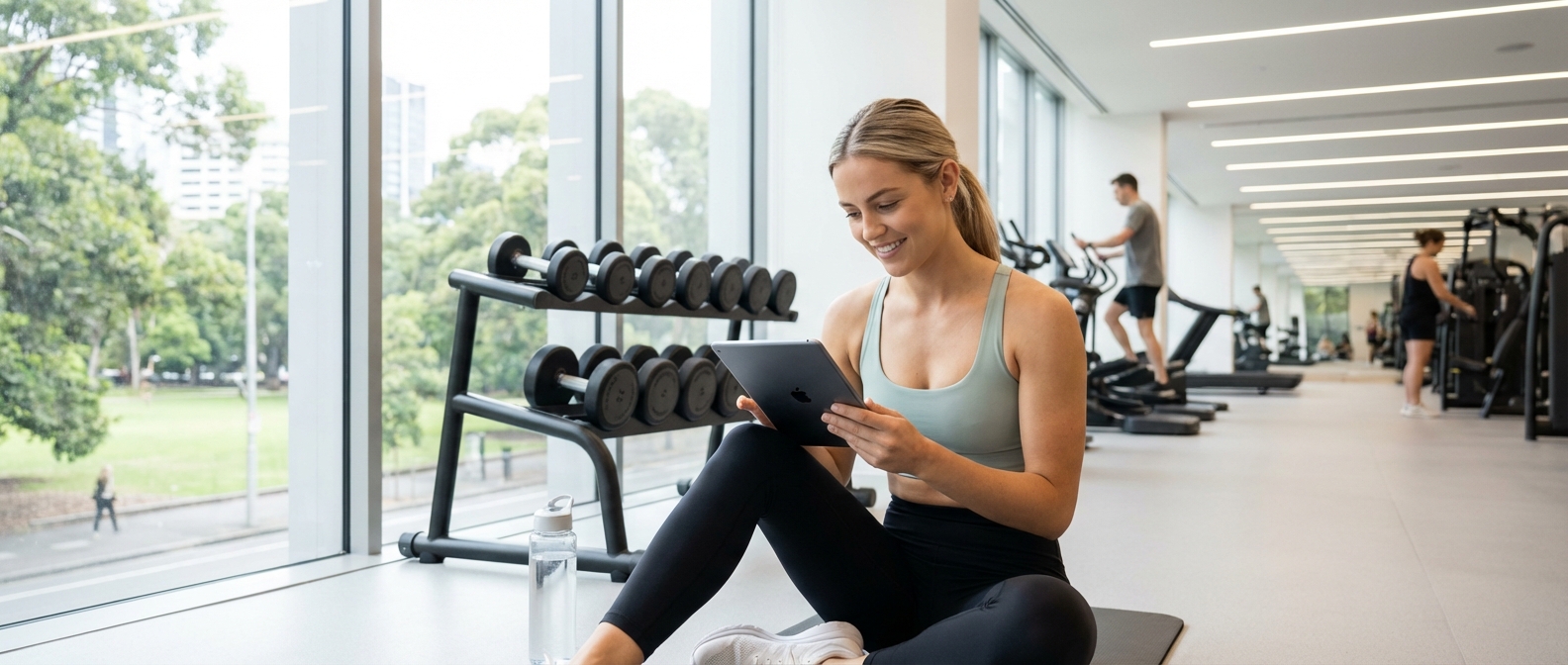
Creating a balanced gym plan for women in Australia involves more than just picking the right exercises. This article is tailored for health-conscious readers and the general Australian public, aiming to educate and inform without replacing professional medical guidance. Throughout, you’ll find a clear explanation of what makes an effective ladies’ gym workout routine, understand the benefits and risks, and explore ways to confidently navigate a female gym workout schedule for lasting health and fitness.
Your Evidence-Based Guide to a Gym Plan for Women in Australia
Why an Individualised Gym Plan for Women Matters
Starting a new female gym plan or upgrading your current fitness program can be a transformative journey. For many Australian women, a structured gym workout plan provides not only physical benefits but also mental and social rewards. However, myths and misinformation often surround ladies’ gym workout routines, making it crucial to understand what really works and what is safe.
The primary intent of this section is educational and preventative: outlining what makes a gym routine for women effective, safe, and sustainable. A good gym program for women:
- Addresses individual health status, goals, and fitness history
- Incorporates muscle training for women, cardiovascular exercise, and flexibility
- Recognises specific Australian guidance from sources such as the Australian Government Department of Health and Aged Care
- Prevents overtraining and injury through rest and balanced programming
Unlike one-size-fits-all plans, a tailored female gym routine considers muscle mass differences, unique hormone profiles, menstrual cycles, and risk factors relevant to Australian lifestyles. Setting clear, realistic expectations is necessary for positive change and lasting results.
What Are the Core Components of a Balanced Fitness Program for Women?
An effective fitness program for female Australians should generally include:
- Strength (muscle) training: 2–3 times per week, covering all major muscle groups
- Cardiovascular exercise: Aim for 150 minutes of moderate activity or 75 minutes of vigorous activity weekly, as recommended by Australian guidelines
- Flexibility and mobility training: Activities like yoga or targeted stretching 2–3 times weekly
- Progressive overload: Gradually increasing resistance or intensity to support healthy muscle and bone development
- Planned rest and recovery days
Each component is vital for comprehensive health and prevention of exercise-related injuries in women. Consult a fitness professional—especially if returning after a break, managing a health condition, or starting weight training for the first time.
Recognising Early Signs: When Your Workout Regimen for Women Needs Adjusting
Beginning any ladies workout plan can bring muscle soreness and tiredness, especially if new to exercise. However, it’s important to distinguish between normal adaptation and warning signs that a female gym routine may be putting your health at risk.
| Warning Symptom | May Indicate | Practical Response |
|---|---|---|
| Persistent joint pain | Overuse injury | Reduce intensity, review form, seek advice if ongoing |
| Excessive fatigue | Overtraining, poor recovery | Increase rest, check nutrition and sleep |
| Dizziness or chest discomfort | Cardiovascular stress or underlying condition | Stop exercise; seek medical help if persistent |
| Declining motivation/anxiety | Burnout; possible mental health factors | Adjust schedule, prioritise enjoyable activities |
For most women in Australia, these symptoms can be resolved with simple plan tweaks. However, ongoing or severe symptoms should prompt a review with your GP or an Australian healthcare provider, especially if you have risk factors such as chronic illnesses or a history of injury.
How Lifestyle Factors Shape Your Female Gym Workout Schedule
Everyday life in Australia can impact how a gym fitness program for ladies fits into your week. Long work hours, caring responsibilities, and climate differences across the country may all influence exercise patterns. Adapting your female exercise plan to your unique schedule and energy levels can improve adherence and reduce the risk of overtraining or under-recovery.
For women balancing multiple roles, integrating movement into daily activities and choosing flexible gym attendance times can make a fitness plan for women more realistic. Doing so is consistent with advice from the Heart Foundation, which encourages small but regular bouts of movement for ongoing health.
Designing Your Weekly Gym Workout Schedule for Women
Building a safe, effective female gym workout schedule requires planning and flexibility. When developing a weekly gym plan, you can use inspiration from our Full Body Workout for Women guide for optimal toning routines. Below is a sample structure commonly endorsed by accredited fitness professionals in Australia. Always adjust this exercise plan for women to suit your fitness experience, health conditions, and lifestyle preferences.
| Day | Focus | Sample Activities |
|---|---|---|
| Monday | Upper Body Strength | Free weights, resistance machines, bodyweight push-ups |
| Tuesday | Cardio | Treadmill walking/jogging, cycling, swimming |
| Wednesday | Lower Body Strength | Squats, lunges, leg press, glute bridges |
| Thursday | Active Recovery | Gentle yoga, stretching, walking |
| Friday | Full-Body Weights | Compound movements, core exercises |
| Saturday | Optional Cardio/Group Class | Dance, HIIT, cycle, Pilates |
| Sunday | Rest or light walk | Nature walk, easy stretching, mindfulness |
This female exercise routine provides a balance between strength gains and cardiovascular health, with regular opportunities for recovery. For introductory weight training program for women, start with lighter loads and higher repetitions, then adjust as strength and confidence improve. For guidance on finding your baseline, review our Fitness Level Guide. Women in midlife or with specific health needs may benefit from targeted advice—review tips from Jean Hailes for Women’s Health for further detail.
Pro Tip: Prioritise Consistency and Small Progress
One of the most reliable ways to maintain a ladies gym workout plan is to aim for consistency over intensity. Start with 2–3 gym sessions each week, focusing on full-body movements and gentle cardio. Tracking your progress with a log or app can offer motivating feedback and help identify early signs of fatigue or overtraining—ensuring a steady, safe path to improved health. Try integrating Great Full Body Workouts for preventable risks and widespread benefits.
Risks and Safety Considerations in Female Gym Workout Programs
While a workout regimen for women offers substantial health benefits—from stronger bones to improved mood—being aware of common risks and misconceptions is key for safety. Some women, especially beginners, may inadvertently increase their risk of strain or injury if they ignore recommended rest periods or use improper technique.
- Always seek advice from a qualified fitness professional before beginning a new weight training program for female Australians, particularly after injury or childbirth.
- Avoid comparing progress too closely with others; age, genetics, hormonal status and chronic conditions can impact response to a female workout plan.
- Remember that no one gym routine suits all. Modify as needed if you experience persistent discomfort, extreme tiredness, or signs of burnout.
- If you have underlying health conditions—such as diabetes, heart conditions, or osteoporosis—it’s especially important to consult a healthcare provider before commencing any new exercise program women.
- For any unexplained symptoms, or if unsure whether to train, refer to Victorian Government: Exercise Safety for guidelines.
Accessibility and Cost: Gym Workout Options for Women in Australia
Participating in a female exercise plan doesn’t always require a commercial gym membership. Many public recreation centres, councils, and community groups throughout Australia offer affordable or subsidised programs. For those in regional or remote areas, digital resources and home-based workouts may be more practical, with guidance from reputable online Australian health organisations. Consider building a ladies workout program using resistance bands, free weights, or bodyweight movements if equipment is limited. You can also follow our At Home Strength Workout Guide for safe and effective routines without the gym.
If affordability is a concern, seek out multipurpose women’s wellness programs supported by non-profits, or ask your GP about government-backed exercise initiatives. The best exercise schedule for women is one that can be sustained, enjoyable, and adapted around life’s demands.
Summary: Building Long-Term Success with Your Gym Routine for Women
Designing and following a gym plan for women that blends strength, cardio, flexibility, and rest is fundamental for achieving and maintaining lifelong health benefits. As with any health-related decision, knowledge, preparation, and personalisation are key. Choose a gym workout program for female Australians that respects your unique needs, lifestyle, and medical background, and always be willing to seek guidance as you progress.
If you’re unsure how to adapt your plan—or notice symptoms you can’t explain—prioritise safety and consult an accredited exercise professional or healthcare provider familiar with women’s health.
FAQ
The best gym workout for beginners usually focuses on full-body strength training 2–3 times per week, moderate cardio, and flexibility work. Start with lighter weights and prioritise good technique to reduce injury risk. Individual health needs and fitness levels should always be taken into account.
Australian health guidelines suggest weight training for women 2–3 times per week, with at least one day of rest between sessions. This helps build muscle, support bone health, and reduce risk of injury or overtraining.
Yes, regular exercise as part of a gym plan for women can help prevent or manage health conditions like heart disease, diabetes, osteoporosis, and some cancers; however, it’s essential to balance workouts with good nutrition and medical care.
If you experience sharp, persistent, or unusual pain during exercise, stop the activity immediately and seek advice from a qualified professional. Don’t ignore warning signs, as this may delay recovery or worsen injuries.
Yes; women returning after pregnancy should consult their doctor for individual guidance and may benefit from a plan tailored by an accredited exercise physiologist. Gradual progression, pelvic floor support, and watching for warning symptoms are all important.

