
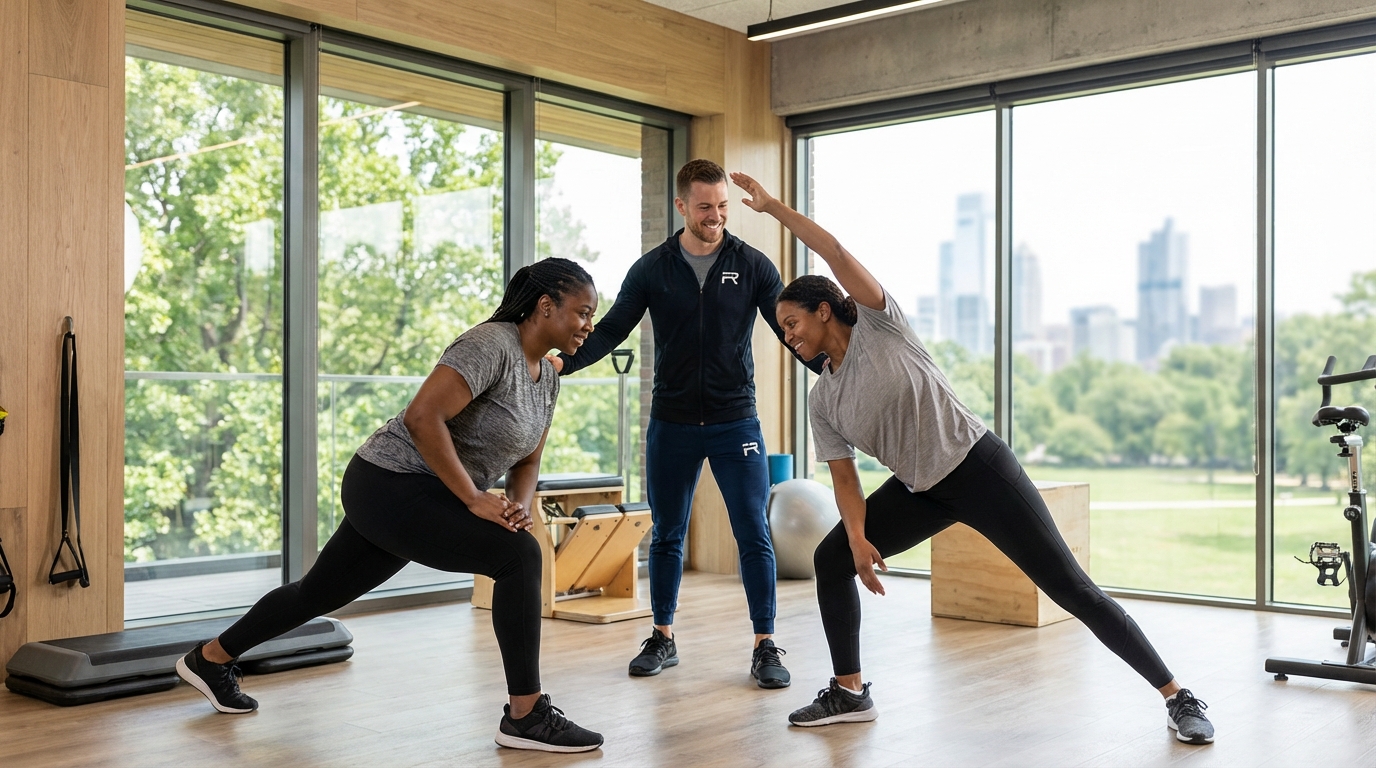
Searching for a fitness trainer near me is a common step for Australians aiming to improve their health, wellbeing, and physical fitness. This article is crafted for health-conscious Australians—including beginners, established gym-goers, carers, and anyone considering personal training near me. The content below is for informational and educational purposes only; it does not replace advice from your doctor or qualified allied health professionals. By reading on, you’ll gain a clear understanding of what to expect from working with a fitness trainer, common risks and prevention strategies, and how to make informed choices about personal training services in Australia. To gain a broader perspective on fitness principles and risk prevention in Australia, you may find the Aus Fitness Guide useful for both beginners and experienced enthusiasts.
Finding a Fitness Trainer Near Me: What Australians Need to Know
Understanding the Role of a Fitness Trainer
Fitness trainers provide personalised programs designed to help individuals achieve their health and physical goals. In Australia, fitness trainers are often registered with bodies such as Fitness Australia or Physical Activity Australia, ensuring they meet nationally recognised standards. Trainers develop tailored plans covering exercise technique, progression, nutrition basics, and injury prevention. Whether you’re searching for training and fitness support, or seeking to manage a health condition, a skilled trainer adapts sessions to your needs.
Personal trainers can operate in various settings, including commercial gyms, outdoor parks, community centres, or even virtually. Their role goes beyond counting repetitions; they motivate, educate, and monitor progress while working within the scope of their qualifications. If your goal is weight loss, strength building, injury recovery, or improved cardiovascular health, a trainer’s guidance can optimise your efforts and reduce risks.
Personal training is just one way to improve your fitness journey—alternatively, exploring options like the Health Club Membership Near Me guide can offer broader access to equipment and group classes, supporting a variety of wellness goals.
However, not every fitness trainer provides the same level of expertise or support for medical conditions. It’s critical to verify credentials, ask about experience with your specific health goals, and ensure trainers adhere to safe, evidence-based practice. Australians with pre-existing health conditions should communicate openly with both their GP and their trainer before commencing any new exercise routine.
Common Reasons to Seek a Fitness Trainer Near Me
Many Australians look for a local fitness trainer for reasons ranging from boosting energy and confidence to managing chronic illnesses. Here are some of the top motivations:
- Desire for personalised exercise programming and accountability
- Preparation for a life event (e.g., weddings, sport competitions)
- Safe rehabilitation post-injury or surgery, guided by allied health input
- Support in building long-lasting healthy habits
- Guidance for individuals with special health needs, such as diabetes, heart disease, or high blood pressure
- Assistance with safe and effective weight management
If you’re unsure whether a personal trainer suits your needs, discuss your goals with a healthcare provider or check if your preferred trainer collaborates with accredited exercise physiologists or registered dietitians in Australia (Australian Government health resources).
Assessing Safety and Risks in Personal Training
Engaging a fitness trainer brings several benefits, but it’s important to be aware of the potential risks or concerns that may arise. Some common issues include:
- Incorrect technique leading to strain or injury
- Programs unsuited to individual health status, such as underlying heart conditions
- Overtraining or insufficient recovery
- Miscommunication about medical limitations or red-flag symptoms
- Inadequate recognition of signs that warrant medical assessment
Australian guidelines recommend that adults consult a general practitioner before beginning a new exercise program—especially if there’s a history of chronic illness or if over 45 years of age. Be wary of trainers making unrealistic promises, recommending fad diets, or neglecting to modify exercises for your unique situation. Professional trainers will always prioritise safety and refer to healthcare professionals when needed.
When to seek medical advice: If you experience unexplained chest pain, dizziness, shortness of breath, or joint swelling during training, stop immediately and consult a qualified healthcare provider before resuming exercise.
Identifying Your Personal Training Needs and Preferences
Before hiring a fitness trainer near you, reflect on the type of training and support that suits your circumstances best. Consider:
- Your age and overall health status
- Preferred exercise types (strength, cardio, Pilates, HIIT, aquatic)
- Your schedule and location flexibility
- Any previous injuries or current health conditions (e.g., arthritis, heart disease)
- Preference for individual, small-group, or virtual coaching
- Your motivation style—whether you thrive on encouragement, structured plans, or group settings
Consulting with different trainers—many offer introductory sessions or consultations—can help clarify your preferences. If you’re living with a condition requiring specialist knowledge (e.g., postnatal support, cardiac rehabilitation), ask if the trainer has completed additional training or has experience with similar clients.
Fitness Trainer Qualifications and Accreditation in Australia
Ensuring your trainer has appropriate qualifications is essential for your safety and results. In Australia, the minimum industry standard for personal trainers—including those advertising as a fitness trainer near me—is completion of a Certificate III & IV in Fitness. Many trainers also hold additional certifications in specific modalities, such as Pilates, yoga, or seniors’ fitness.
- Check if your trainer is listed with Fitness Australia or Physical Activity Australia
- Ask about ongoing first aid training and insurance
- Inquire about their experience with your population group (adolescents, older adults, people with chronic illness)
- Seek trainers who refer or collaborate with allied health practitioners when needed
Bear in mind that while trainers can provide general health education, only accredited allied health professionals (such as exercise physiologists or physiotherapists) are qualified to deliver clinical exercise interventions for medical conditions.
| Qualification | Trainer Type | Best For |
|---|---|---|
| Certificate III & IV in Fitness | Personal Trainer, Group Fitness Instructor | General fitness, strength, weight loss, group classes |
| Bachelor’s Degree + Accreditation | Exercise Physiologist | Chronic health conditions, injury recovery, aged care |
| Diploma/Special Certifications | Pilates, Yoga, Seniors’ Specialist | Special populations, focused training |
Choosing the Right Trainer: Practical Guidance
Selecting a personal trainer or group fitness leader is a significant health decision. Australians are encouraged to:
If you reside in Victoria, you might also find these tips for joining gyms in Melbourne valuable as you compare facilities and services available near you. Sydneysiders seeking expert support may also want to explore the Gym Sydney Guide for best practices in safe gym management.
- Verify professional insurance, registration, and first aid qualifications
- Seek transparent communication on costs, session structure, and cancellation policies
- Opt for trainers who review your health history and set realistic, measurable goals
- Look for positive reviews, referrals, or personal testimonials in your local area
- Ask about continued professional development and their approach to safety and inclusivity
Pro Tip: When trialling a new personal trainer, observe if they ask about your medical clearance and adapt exercises for your baseline ability. Trainers who take the time to understand your history—and provide modifications—demonstrate best practice and prioritise client wellbeing.
Preventing Injury and Maximising Results
Safe exercise should always be enjoyable, progressive, and tailored to your needs. To minimise injury risk and optimise outcomes:
- Warm up and cool down thoroughly in every session
- Hydrate and refuel appropriately before and after workouts
- Communicate openly about discomfort, unusual symptoms, or setbacks
- Monitor your progress using evidence-based tools, not just weight or appearance
- Schedule adequate rest and recovery between intensive sessions
| Injury Warning Sign | Common Cause | What to Do |
|---|---|---|
| Sudden sharp pain | Incorrect form, overexertion | Stop immediately, seek advice if pain persists |
| Dizziness or faintness | Low blood sugar, dehydration | Rest, hydrate, consult your GP if frequent |
| Swelling or bruising | Overuse or acute injury | Rest, ice, medical review if severe |
| Chest discomfort or breathlessness | Cardiac risk, overexertion | Cease exercise, seek immediate medical help |
For more detail, consult Australian clinical resources through the Heart Foundation or discuss with your general practitioner before commencing an intensive routine.
Costs, Accessibility and Service Options in Australia
Personal training cost in Australia varies based on location, trainer experience, session type, and package duration. On average:
- Individual one-on-one sessions: $50–100 per hour
- Small group training: $20–40 per participant per hour
- Virtual personal training: ranges according to platform and trainer
Some health funds offer rebates for services delivered by accredited exercise physiologists for pre-existing health conditions. Specialised population programs (for seniors, teens, or pre/postnatal clients) may incur differing fees. Accessibility is also influenced by trainer availability in rural or remote areas—look for virtual or community-based options if travel is a barrier.
| Service Type | Average Cost (AUD) | Setting | Considerations |
|---|---|---|---|
| One-on-One Personal Training | $50–$100/hr | Gym, home, outdoors | Most personalised, higher cost |
| Small-Group Training | $20–$40/hr | Gym, outdoors, community | Lower cost, social support |
| Virtual/Online Coaching | Variable | Remote | Flexible, depends on provider tech and support |
Ask trainers upfront about package deals, cancellation policies, and any additional fees for assessments or program adjustments. Choosing a transparent provider ensures you can budget and plan effectively. For remote or regional Australians, some programs are offered via telehealth with qualified professionals.
Maximising the Benefits of Training and Fitness
Fitness training, when conducted safely and supported by skilled professionals, provides lasting health outcomes. Benefits include improved cardiovascular health, mental wellbeing, muscular strength, mobility, and reduced risk of chronic disease. Staying consistent with your training and fitness plan is easier when the approach is tailored, realistic, and enjoyable.
Australian health authorities encourage all adults to be physically active, fitting at least 150-300 minutes of moderate-intensity activity each week (as per current physical activity guidelines). Consider a mix of strength, flexibility, balance, and aerobic elements for a well-rounded program. Remember—any increase in activity is beneficial, and small, regular changes are more sustainable than drastic overhauls.
Fitness and Safety Checklist for Australians
- Discuss your health background with your chosen personal trainer
- Seek medical clearance for new exercise if you have chronic illness or risk factors
- Choose trainers with verified qualifications and experience
- Listen to your body and communicate any pain or unusual symptoms
- Prioritise gradual progression and adequate recovery
- Balance exercise routines with nutrition and sleep
- Monitor progress using assessments or feedback from your trainer
If you’re unsure about any aspect of your fitness plan, consult a general practitioner or allied health provider. Resources from AUSactive and government health bodies offer further guidance tailored to Australian needs.
FAQ
How do I know if a personal trainer is qualified in Australia?
Look for a Certificate III and IV in Fitness and registration with a body such as Fitness Australia or Physical Activity Australia. Ask about professional insurance, first aid, and ongoing training.
What if I have a chronic health condition—can I still use a fitness trainer?
Yes, but choose a trainer with experience working alongside healthcare professionals or consider an accredited exercise physiologist. Always discuss your health history and seek GP advice if needed.
Are online or virtual training sessions as effective as in-person?
Virtual sessions can be effective when tailored to your abilities and closely monitored. Ensure your trainer checks form, provides feedback, and is accessible for questions between sessions.
What should I do if I feel pain or dizziness during exercise?
Stop the activity, rest, and inform your trainer. If symptoms persist or are severe (such as chest pain or fainting), seek immediate medical attention.
How much should I pay for a personal trainer near me?
Rates vary, but individual sessions typically range from $50–100/hour, with group or virtual options reducing costs. Factors include trainer qualifications, session type, and location.

