
Clinical Educational Overview
The information provided in this article is for general educational purposes and should not replace an individualised, face-to-face consultation with a qualified health practitioner. Any lower limb discomfort, joint stiffness, or persistent pain requires a professional clinical assessment to determine an appropriate, evidence-based management plan.
When we think about maintaining personal physical health, our attention naturally focuses on cardiovascular endurance, core strength, or flexibility. We join gyms, schedule daily walks, and track our daily step counts on smartwatches. Yet, we frequently overlook the physical foundation that makes all of this movement possible: our feet.
Containing twenty-six bones, thirty-three joints, and a complex network of muscles, tendons, and ligaments, the foot is a remarkable piece of biological engineering. When functioning optimally, the feet absorb ground impact, adapt to uneven terrain, and provide the propulsion needed for every step. However, because the feet sit at the very bottom of our physical structure, subtle changes in foot mechanics are easily ignored until they begin to compromise daily movement and physical independence.
The Kinetic Chain: How Foot Mechanics Influence the Lower Body
The human body operates as an interconnected kinetic chain. During normal walking or running, the foot acts as both a flexible shock absorber during initial heel strike and a rigid lever during propulsion.
If structural mechanics are altered, such as an inward collapse of the medial arch (hyper-pronation) or a rigid, high-arched foot structure (supination), force distribution across the lower body changes. This altered load can travel upward, placing unnatural physical stress on the ankles, shins, knees, hips, and lower back.
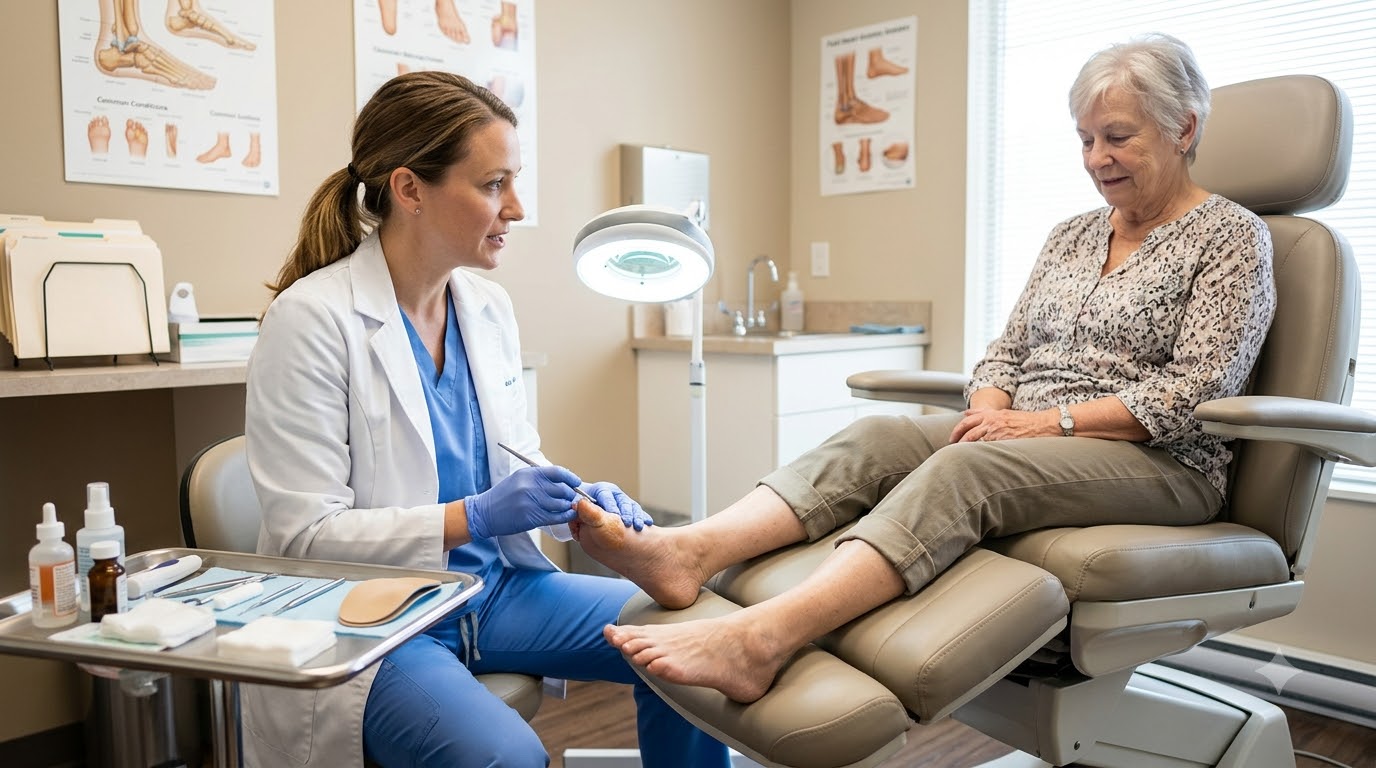
Consulting a qualified Podiatrist Melbourne West community members access for movement analysis helps identify these underlying mechanical compensations. Evaluating structural alignment early allows individuals to address physical strain before it leads to chronic joint or soft tissue irritation.
Early Warning Signs of Mechanical Strain
Lower limb issues rarely develop overnight. In most cases, the body provides early subtle signals that structural load is out of balance:
- Morning Heel Stiffness: Stabbing or aching discomfort under the heel during your first steps out of bed, often associated with plantar fascia strain.
- Uneven Footwear Wear: Noticing that the outer edges or inner heels of your daily footwear wear down significantly faster than the rest of the sole.
- Persistent Shin or Calf Aches: Recurrent tightness along the lower leg following light physical activity or long shifts standing on hard concrete floors.
- Forefoot Tenderness: Burning or aching sensations under the ball of the foot, particularly when wearing narrow or unsupportive shoes.
Evidence-Based Approaches to Preserving Mobility
Maintaining lower limb health requires a proactive approach focused on strengthening tissue resilience, improving joint mobility, and ensuring proper structural support:
- Biomechanical Movement Assessments: Dynamic video gait analysis evaluates how your feet, knees, and hips interact under real-world walking conditions, pinpointing areas of load concentration.
- Targeted Prescription Support: When structural alignment requires assistance, custom orthotic devices can be engineered to redistribute pressure evenly across the sole, offloading overused tendons and joints.
- Intrinsic Foot & Calf Strengthening: Performing regular exercises, such as calf raises, towel scrunches, and single-leg balance drills, helps reinforce the intrinsic muscles supporting the arch.
- Appropriate Footwear Selection: Choosing footwear with adequate torsional stability, supportive heel counters, and sufficient toe-box width protects the foot from unnatural compression.
By treating foot health as a foundational aspect of overall mobility, individuals can stay active, protect joint longevity, and navigate daily life with comfort and confidence.
References
- Australasian Podiatry Council (APodC): Clinical Practice Guidelines for Lower Limb Assessment and Biomechanical Management.
- Australian Health Practitioner Regulation Agency (AHPRA): Section 133 Guidelines for Advertising Regulated Health Services.
- Journal of Foot and Ankle Research: The Relationship Between Foot Posture, Kinematics, and Lower Limb Overuse Injuries.

