
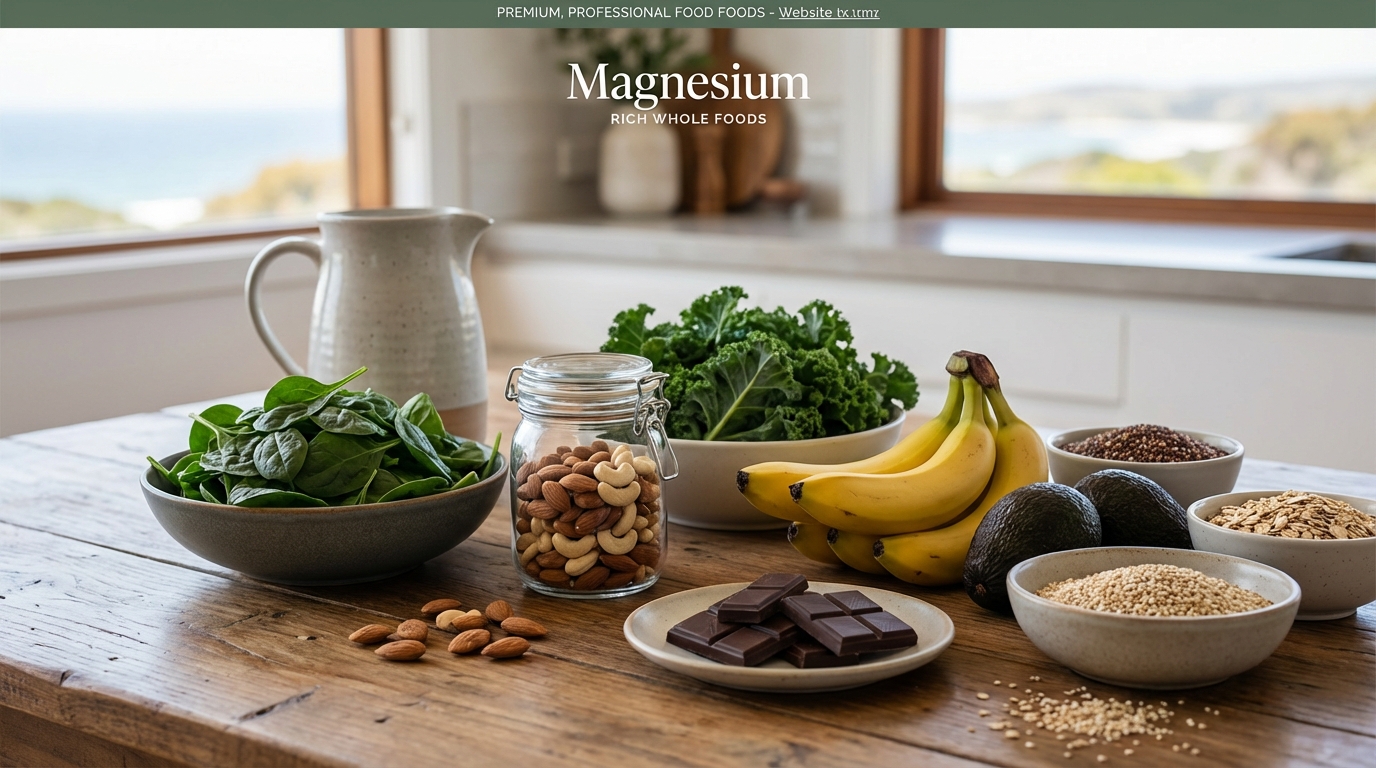
Understanding magnesium rich foods Australia is crucial for Australians interested in optimising their health and preventing common nutritional gaps. This article is designed for the general Australian public, including health-conscious readers, carers, and those wanting to improve their magnesium intake safely. All information provided here is for educational and informational purposes only and is not a substitute for advice from a qualified health professional. By reading on, you will learn what magnesium is, which foods contain the highest amounts in Australia, how deficiency might show up, who is most at risk, and steps you can take to maintain healthy levels through diet and lifestyle.
Magnesium in the Australian Diet: Foundations & Why It Matters
Magnesium is a vital mineral involved in over 300 biochemical reactions in the body, influencing energy production, nerve function, muscle health, and heart rhythm. Despite its importance, national surveys suggest many Australians do not consistently consume enough magnesium from food. The average recommended dietary intake (RDI) for magnesium varies by age and gender—typically 310–420 mg per day for adults, as per the Australian National Health and Medical Research Council guidelines.
Low magnesium intake can result from dietary patterns, certain health conditions, or medications. Getting sufficient magnesium is essential for supporting muscle function, maintaining bone strength, regulating blood sugar, and reducing fatigue. While magnesium supplements are available, experts recommend prioritising natural food sources where possible to avoid potential risks associated with excessive supplementation.
What Are Magnesium Rich Foods in Australia?
Magnesium is found across a variety of commonly available foods in Australia. Many plant-based and whole foods contain significant amounts, making it possible to meet your daily needs through diet alone. Below is a list of popular foods high in magnesium in Australia, including the estimated magnesium grams per serve:
| Food | Standard Serve | Magnesium (mg) |
|---|---|---|
| Pumpkin seeds | 30g (2 tablespoons) | ~150 mg |
| Spinach (cooked) | 1/2 cup | ~80 mg |
| Almonds | 30g (about 20 nuts) | ~80 mg |
| Black beans (boiled) | 1/2 cup | ~60 mg |
| Rolled oats | 1 cup (cooked) | ~55 mg |
| Salmon (cooked) | 100g | ~30 mg |
| Wholemeal bread | 2 slices | ~45 mg |
| Avocado | ½ fruit | ~30 mg |
| Banana | 1 medium | ~32 mg |
| Natural yoghurt | 200g | ~40 mg |
Australians can readily access these foods in supermarkets, grocers, and wholefood shops, contributing to a balanced and nutrient-rich diet. Bulk food suppliers and farmers’ markets may also offer additional options for fresh, magnesium-rich produce.
Why Magnesium Is Important: Key Roles & Benefits
Magnesium plays a supportive role in many areas of human health. Its functions range from assisting in muscle contraction and nerve transmission, to supporting healthy bone formation and normalising heart rhythm. Increasingly, Australian health experts emphasise magnesium’s involvement in blood pressure regulation and the management of mild fatigue symptoms.
Regular intake of sufficient magnesium may help keep bones strong, particularly when paired with calcium and vitamin D. Research published by Eat for Health and supported by Better Health Channel Victoria supports the view that dietary magnesium contributes to overall wellbeing and may help reduce the risk of muscle cramps, migraines, and irregular heartbeats in those who are prone.
Pro Tip: Diversify Your Plate
Incorporate a mix of nuts, seeds, leafy greens, legumes, and whole grains at meals and snacks. This helps maximise magnesium intake while supporting a broad spectrum of other nutrients vital for health.
Symptoms of Magnesium Deficiency: Early Signs to Watch For
Most Australians consuming a varied diet will not develop magnesium deficiency, but mild to moderate shortfalls are increasingly recognised due to dietary patterns. Magnesium deficiency can be silent at first, but ongoing shortfalls may result in nonspecific symptoms including:
- Unexplained fatigue or low energy
- Muscle cramps or spasms
- Muscle weakness and twitches
- Loss of appetite
- Disturbed sleep patterns
- Irritability or low mood
- Numbness or tingling in extremities
- Irregular heartbeat (in advanced cases)
These symptoms overlap with a variety of other conditions and should not be automatically attributed to magnesium deficiency. If you regularly experience these symptoms or have underlying health conditions, speak with your healthcare provider to discuss appropriate assessment and management.
Who Is at Greater Risk of Magnesium Deficiency in Australia?
The risk of magnesium deficiency increases among certain groups in the Australian population. Factors that contribute to low magnesium status include inadequate dietary intake, increased needs, or losses through the kidneys or digestive tract. The following groups may be more vulnerable:
- Older adults, particularly those living alone or in aged care settings
- People with gastrointestinal disorders (e.g., Crohn’s disease, coeliac disease)
- Individuals on specific medications (e.g., diuretics, some antibiotics)
- People with poorly controlled diabetes or insulin resistance
- Those with excessive alcohol intake
- Children and teens with restrictive diets
- Pregnant or breastfeeding women with higher nutritional needs
If you fall into a higher-risk category, consider discussing regular dietary assessments with your GP or Accredited Practising Dietitian. Magnesium levels are not routinely checked, but they may be tested if deficiency is suspected based on symptoms or risk profile.
Common Causes of Magnesium Deficiency: Lifestyle & Health Factors
Several lifestyle and medical factors influence how much magnesium you absorb and retain. The most frequent contributing factors to low magnesium include:
- Low dietary intake from processed or highly refined foods
- Poor absorption due to digestive health conditions
- Excessive urinary loss (often linked to certain medications, heavy exercise, or alcohol consumption)
- Chronic diseases such as type 2 diabetes
- Repeated vomiting, diarrhoea, or ongoing gastrointestinal losses
- Dietary patterns emphasising convenience or fast foods
Addressing underlying health conditions and discussing medication side effects with your healthcare provider can help reduce the risk of deficiency, especially in those with multiple risk factors.
Prevention & Lifestyle Management: Maintaining Healthy Magnesium Levels
Most Australians can maintain healthy magnesium status through a varied diet and balanced lifestyle. Proactive prevention emphasises practical habits rather than heavy reliance on supplements.
| Prevention Strategy | Example / Application |
|---|---|
| Choose whole foods over processed items | Swap white bread or rice for wholemeal or brown versions |
| Include nuts and seeds daily | Add pumpkin seeds or almonds to breakfast or salads |
| Eat legumes and leafy greens regularly | Enjoy lentil soups, beans, and sautéed spinach |
| Focus on balanced meals and regular snacks | Pair whole grains with protein and veggies for lunch |
| Limit excessive alcohol intake | Consider alcohol-free days each week |
| Check suitability of supplements only with your GP | Especially important for people with health conditions or on multiple medications |
If you follow a restrictive diet—such as vegetarian, vegan, FODMAP, or gluten-free—seek tailored guidance from a dietitian to ensure you’re meeting your magnesium needs safely and effectively.
Where to Get Magnesium in Australia: Food Access, Supplements & Healthcare
Most people can meet their magnesium requirements through food alone, especially in Australia, where diverse fresh produce and wholefoods are widely available. For Australian consumers, major supermarkets, health food shops, online grocers, and integrative medical centres all provide access to foods magnesium is in, including specialty flours, plant-based snacks, nuts, and fortified cereals.
Magnesium supplements are available for purchase through pharmacies and prescribed through medical professionals when required. While food sources are vital, some opt for products like the Best Magnesium Powder Australia – see our guide to benefits and safety. However, using supplements without medical supervision can carry a risk of excessive intake, potential medication interactions, and side effects such as diarrhoea or abdominal discomfort.
Safety First: When to Seek Medical Advice
If you have persistent symptoms suggestive of magnesium deficiency, suspect an underlying medical issue, or are considering high-dose magnesium supplementation, consult your GP, pharmacist, or an Accredited Practising Dietitian. This is especially important for people with existing kidney conditions, as excess magnesium cannot always be safely excreted. Healthdirect Australia provides more on safe supplement use and when to seek tailored advice.
Checklist: Practical Strategies for Building Magnesium-Rich Eating Habits
- Base meals around whole grains like brown rice, oats, and wholemeal bread
- Add a handful of nuts or seeds to breakfast, yoghurt, or trail mixes
- Include legumes (beans, lentils, chickpeas) several times per week
- Include leafy greens in salads, stir-fries, and omelettes
- Choose minimally processed, Australian-grown foods where possible
- Limit ultra-processed and takeaway foods to occasional treats
- Hydrate with tap water and reduce sugary beverages
- Discuss supplements or persistent symptoms with a qualified health professional
Comparing Symptoms, Risk Groups, and Management Options
| Symptoms | Risk Groups | Recommended First Steps | |
|---|---|---|---|
| Early Deficiency | Muscle cramps, fatigue, mild weakness, poor sleep | Older adults, heavy exercisers, those with restrictive diets | Review dietary intake, increase magnesium foods, consult GP if persistent |
| Moderate to Severe Deficiency | Numbness, tingling, irregular heartbeat, severe cramps | People with chronic illness, digestive disorders, alcohol dependency | Seek medical assessment, tailored diet plan, supervised supplementation if advised |
FAQ
What are the safest foods high in magnesium available in Australia?
Australian-grown pumpkin seeds, almonds, rolled oats, leafy greens like spinach, and legumes such as black beans and lentils are safe, accessible, and nutrient-rich sources of magnesium when enjoyed as part of a balanced diet.
Can magnesium-rich foods cause side effects or interact with medications?
Most people tolerate foods magnesium is in, but very high magnesium intake from supplements—not food—can cause diarrhoea, nausea, or interact with certain medications. Always discuss supplements with your GP or pharmacist if you take regular medicines.
How can I find out if I need more magnesium?
If you experience ongoing fatigue, muscle cramps, or symptoms noted above, or you’re part of a risk group, consult a health professional. They may suggest dietary strategies or tests to check your magnesium status before considering supplements.
Can I get enough magnesium on a vegetarian or vegan diet in Australia?
Yes, with planning. Most magnesium-rich foods—like nuts, seeds, legumes, beans, and whole grains—are plant-based and widely available in Australia. A dietitian can support you with tailored dietary advice to meet your needs.
When is magnesium supplementation necessary, and who should avoid it?
Supplementation may be recommended by a health professional if dietary intake is insufficient or if you have a diagnosed deficiency. People with kidney problems or those on certain medications should avoid unsupervised supplementation.

