
Lower Body Workouts in Australia: What You Need to Know for Safe, Effective Results
Lower body workouts are a cornerstone of well-rounded exercise routines, supporting key everyday movements and overall physical health. This guide is designed for Australians interested in understanding lower body workout essentials—whether you’re starting out at home, using a gym, or simply seeking well-informed, safe practices. The information provided is educational and intended to support—not replace—advice from qualified health professionals. By the end of this article, you’ll have practical knowledge about lower body workouts, including common symptoms of overuse, causes of injury, risk minimisation, safe management, and reliable prevention approaches, all within an Australian context.
Understanding Lower Body Workouts: Purposes and Benefits
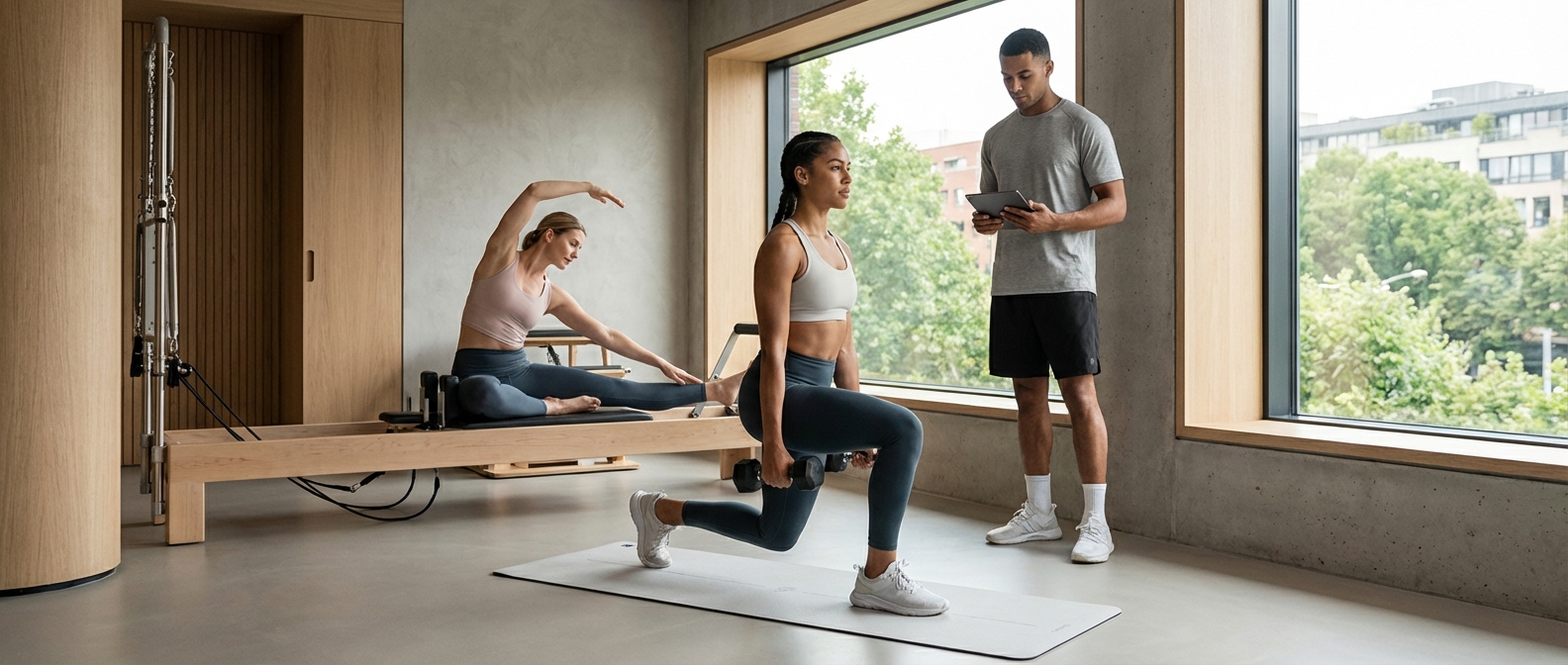
Lower body workouts refer to exercise routines targeting the muscles of your hips, thighs, glutes, hamstrings, quadriceps, and calves. Whether at home or as part of a lower body gym workout, these movements often include squats, lunges, deadlifts, and glute bridges. Their main purpose goes beyond muscle building—they support joint stability, balance, functional mobility, and everyday strength. For Australians, these exercises can help in activities ranging from bushwalking to gardening, as well as injury prevention. Pairing leg routines with Exercise Aerobic Exercise can enhance circulation and results.
Regular lower body workouts can benefit people of all ages. Evidence from organisations like Health.gov.au shows improved bone density, metabolic health, and mental wellbeing among those engaging in strength-based lower body routines. These benefits can be achieved through both bodyweight and weighted exercises, adjusted for individual capability and any medical conditions. Ensuring correct form and gradual progression is essential to reduce risks, especially for beginners or those with pre-existing joint concerns.
Primary and Secondary Intents: Symptoms, Causes, and Risks of Lower Body Workouts
Recognising Early Signs and Symptoms of Overuse or Injury
While structured lower body workouts are generally safe when performed with correct technique and adequate rest, some individuals may experience symptoms that deserve attention. Common early warning signs include persistent muscle soreness, joint pain (especially knees or hips), swelling, reduced range of motion, or bruising after exercise.
It’s important to differentiate between typical post-exercise fatigue (which should ease within 24–48 hours) and more concerning symptoms like sharp pain, limping, instability, or loss of function. If you develop sudden swelling, ongoing difficulty walking, or pain that fails to improve, seek advice from a registered health professional such as a physiotherapist—this is especially important if symptoms worsen or don’t resolve with rest.
| Symptom | Possible Indication | Action Needed |
|---|---|---|
| Delayed muscle soreness (DOMS) | Normal response, mild microtears | Rest, active recovery |
| Shooting or sharp pain | Potential muscle or ligament injury | Seek medical advice |
| Joint swelling or bruising | Possible strain or sprain | Monitor, consult if persistent |
| Limping or instability | Patella, ankle, or hip injury | Professional assessment recommended |
Underlying Causes and Contributing Factors
In Australia, the most common causes of lower body workout injuries or discomfort typically relate to:
- Poor exercise technique or form
- Excessive load or rapid increase in workout intensity
- Inadequate warm-up or cool-down
- Previous injury history or chronic conditions (knee osteoarthritis, tendinopathy)
- Training environment, such as hard surfaces or unsuitable footwear
Australian physiotherapists often observe individuals developing preventable injuries due to skipping warm-ups, “pushing through” pain, or using generic workouts without modifying for personal needs. Understanding your body’s signals and adapting routines with proper progression—guided by resources like Exercise is Medicine Australia—helps minimise these risks.
Who is Most at Risk?
Some people face higher risk factors when starting lower body workouts. These include individuals:
- New to structured exercise (exercise adherence may also impact outcomes)
- With previous joint or muscle injuries
- Overweight or living with conditions like diabetes or arthritis
- Returning after a long break from physical activity
- Working with limited supervision or outdated exercise plans
Women, especially during or after menopause, may be more susceptible to soft tissue injuries or bone-related concerns like osteoporosis and should consider additional preventive measures. Adolescents and older adults also benefit from tailored professional advice, particularly for bone and joint health.
Lower Body Gym Workout: Safe Practices and Australian Context
Participating in a lower body gym workout in Australia offers access to equipment like leg presses, barbells, cable machines, and functional training zones. These resources can enhance variation and target muscles more effectively than bodyweight exercises alone. However, Australian health organisations such as Better Health Channel emphasise the need for safe equipment use, especially for older adults or those new to resistance training.
Best practices for gym-based lower body workouts include learning correct setup and form for each machine, starting with lower weights, and progressing only as tolerated. Engaging a qualified trainer—accredited through bodies such as Fitness Australia—adds layers of safety and support. For those managing existing injuries, an APRAH-registered physiotherapist can provide tailored supervision and preventive strategies, reducing the risk of exacerbating underlying conditions.
Australian gyms frequently offer group fitness classes, which promote social support and adherence but may not meet everyone’s unique needs. In these settings, don’t hesitate to modify exercises or seek alternative options if uncomfortable or unclear about movement safety.
Preventing Lower Body Injuries: Practical Guide for Australians
Checklist: Staying Safe and Preventing Common Mistakes
Using a Body Weight Exercises Guide can provide safe, effective movements without equipment.
| Lower Body Workout Safety Checklist | |
|---|---|
| Warm-Up | Begin each session with dynamic stretches and activation routines |
| Progress Gradually | Increase weight, reps, or difficulty no more than 10% per week |
| Use Proper Form | Check mirror alignment or consult a coach if unsure about technique |
| Rest and Recovery | Allow at least 48 hours recovery between intense sessions for the same muscle group |
| Listen to Your Body | Stop at the first sign of sharp pain or abnormal discomfort |
| Hydration and Nutrition | Maintain fluid intake and balanced meals to support muscle healing |
| Footwear | Wear supportive, activity-appropriate shoes to stabilise joints |
Pro Tip: Prehabilitation for Lifelong Lower Body Health
Pro Tip: Integrate regular prehabilitation exercises—mobility drills, glute activation, and balance work—into your routine, even before experiencing pain or injury. This proactive approach reduces the likelihood of common issues such as patellofemoral pain syndrome and ankle sprains, according to physiotherapy guidelines.
When to Seek Professional Support: Clear Decision Points
It’s always wise to consult a physiotherapist, exercise physiologist, or GP if you:
- Experience ongoing pain, numbness, or swelling beyond 72 hours post-workout
- Notice joint instability, audible “pops” during exercise, or sudden loss of strength
- Are unsure about suitable modifications due to chronic health conditions or prior injuries
- Are starting a new program after surgery, pregnancy, or lengthy inactivity
- Experience any decline in daily function, such as trouble standing from a chair or walking stairs
Don’t delay seeking advice if unsure. Early intervention is better than waiting for symptoms to worsen. Accredited professionals—as listed on the Australian Health Practitioner Regulation Agency register—can assess your unique needs and recommend a plan that balances challenge, safety, and progression.
FAQ
What are the safest lower body exercises for beginners?
Bodyweight squats, seated leg presses, and glute bridges are generally considered safe starting points. They focus on large muscle groups and build essential strength needed for everyday activities. Beginners should start slowly, emphasising correct form and avoiding added weights until confident.
How often should you do lower body workouts each week?
Most guidelines recommend 2–3 sessions per week, with rest days in between to allow muscles and joints to recover. Over-exercising without recovery increases the risk of overuse injuries and reduces effectiveness.
Are lower body gym workouts suitable for older Australians?
Yes, when tailored to current fitness levels and health conditions. Strength training supports bone density and balance in older adults, but adjustments or professional supervision are often necessary. Consultation with a healthcare professional is recommended before starting.
What signs suggest you should stop and seek help during a workout?
Sharp or sudden pain, joint swelling, tingling, numbness, or loss of function warrant immediate cessation and professional advice. Gradual muscle fatigue is normal, but anything unusual or severe requires a cautious approach.
Can lower body workouts help prevent injury?
Yes, when performed safely, lower body workouts strengthen muscles and stabilise joints, reducing the likelihood of common injuries. Consistent prehabilitation and exercise variety have added benefits, especially when combined with good technique.

