
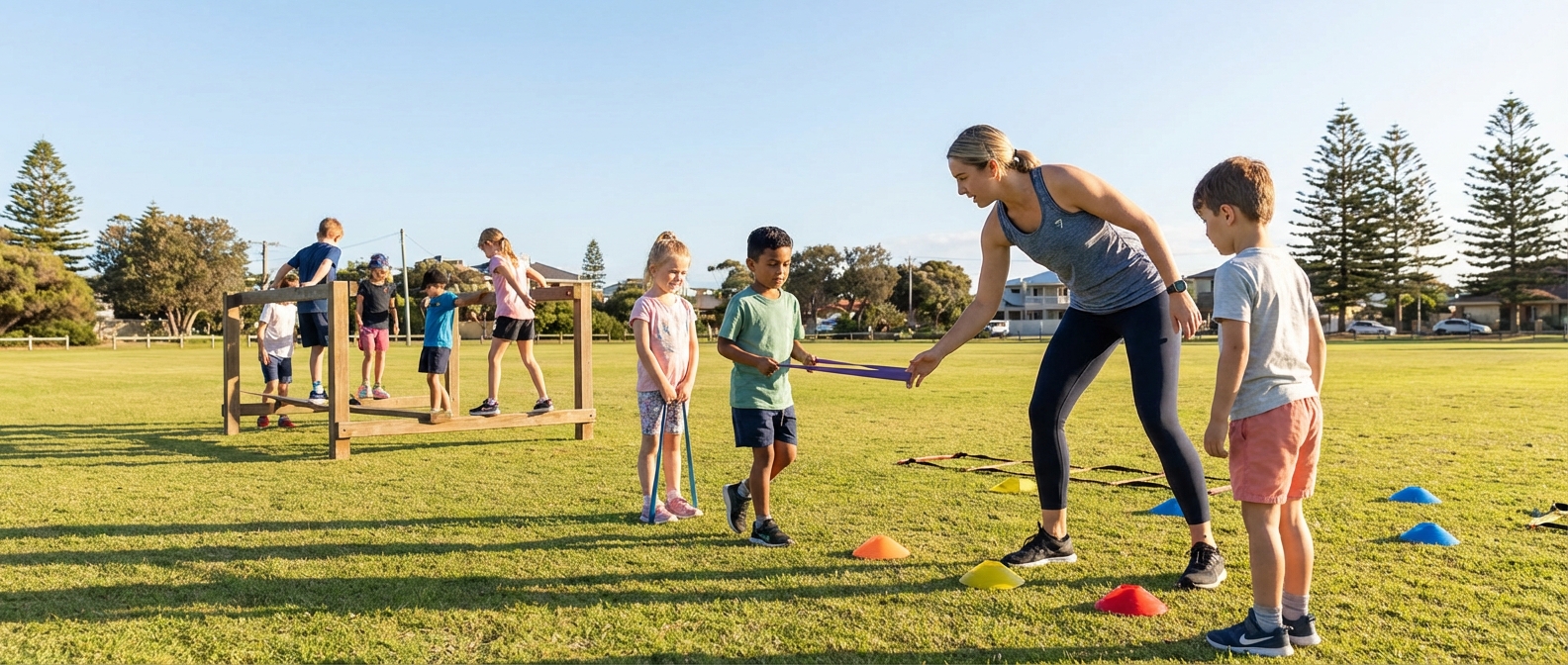
Supporting children’s long-term health starts with encouraging physical activity from an early age. This article explores the essentials of a kids workout, focusing on practical childrens exercise and trustworthy information for the general Australian public—including parents, carers, and health-conscious readers. The content is intended for informational and educational purposes only and should not replace individual medical or professional health advice. By reading on, you’ll learn what safe exercise for kids involves, why it matters, how to spot potential risks, and ways to support your child’s movement in a balanced and preventive manner suited to the Australian context.
A Parents’ and Carers’ Guide to Kids Workout and Childrens Exercise in Australia
Why Kids Workout and Exercise Matter: Core Benefits and Australian Context
Regular physical activity is widely recognised as vital for children’s development and lifelong wellbeing. In Australia, guidelines from leading health organisations recommend that children aged 5–17 engage in at least 60 minutes of moderate to vigorous-intensity physical activity every day. A balanced kids workout routine can offer a range of physical, mental, and social benefits:
- Supports healthy growth of bones, muscles, and joints
- Reduces risk of unhealthy weight gain and related chronic conditions
- Improves flexibility, balance, and coordination
- Boosts self-esteem and mood, helping to manage stress or anxiety
- Encourages social skills through teamwork and play
The rise of screen-based leisure and academic demands has contributed to lower physical activity rates in Australian children. Only about 1 in 4 Australian children currently meet recommended activity levels. A structured approach to childrens exercise at home or in the community supports healthier habits and provides an opportunity for families to connect in positive, active ways.
What Makes Up a Safe and Effective Kids Workout Routine?
An effective kids workout is fundamentally different from adult exercise programs. It should be varied, enjoyable, and age-appropriate—prioritising fun, inclusion, and safety. For senior family members, Chair Exercises for Seniors are a great way to maintain activity and safety.
| Type of Activity | Example Exercises | Benefits |
|---|---|---|
| Aerobic | Jump rope, tag games, swimming, cycling | Improves heart and lung health, stamina |
| Strength | Climbing, push-ups, tug-of-war, playground play | Builds muscle, bone strength, and coordination |
| Flexibility | Yoga, stretching, dance, gymnastics | Enhances flexibility, range of motion, reduces injury risk |
Ideally, a weekly schedule should balance aerobic activities (such as running or skipping), strength-building play (like climbing or carrying), and flexibility exercises (including stretching or dance). Children’s exercise sessions should always be supervised by an adult—especially in younger age groups—and adjusted for each child’s energy and interest levels.
Pro Tip: Turn Exercise into Play
Make the most of kids’ natural love for unstructured play—think obstacle courses, backyard games, family walks, or active chores. Children are much more likely to stick with exercise routines that feel like enjoyable games rather than formal workouts.
Recognising Symptoms and Signs of Inactivity or Overexertion in Kids
While regular movement is critical, parents and carers need to spot warning signs if a child is getting too little or too much physical activity. Here’s how you can recognise common symptoms and understand their meaning:
| Warning Sign | What It Might Indicate | When to Seek Advice |
|---|---|---|
| Persistent tiredness after minimal activity | Possible insufficient cardiorespiratory fitness or underlying health issues | If ongoing or interfering with daily life |
| Lack of interest in movement or withdrawal from activities | Potential signs of sedentary lifestyle risk, low mood, or health concerns | If sustained for more than two weeks |
| Pain, dizziness, or shortness of breath during basic tasks | Could indicate overexertion or a medical issue | Immediate or urgent consult if severe |
| Joint or muscle pain after simple play | Possibility of injury or incorrect technique | If pain persists or worsens |
It’s normal for children to feel slightly fatigued after vigorous play. However, if episodes of exhaustion, pain, or reluctance to move are frequent, consult a GP or an accredited exercise professional. Episodes of chest pain, severe shortness of breath, or sudden dizziness during exercise should always be discussed with a healthcare provider or presented to an emergency department.
Causes and Contributing Factors Affecting Kids’ Physical Activity
Understanding why some children are less physically active than others can support better planning and prevention. Several factors, many of which are relevant to the Australian setting, influence exercise patterns and overall health:
- Screen Time: High use of TVs, tablets, or computers limits opportunities for active play.
- Parental Modelling: Children whose caregivers are active are more likely to enjoy and seek out movement.
- School Environment: Access to quality PE lessons and recreational facilities supports positive choices.
- Community Safety: Perceived safety of parks or paths can enable or restrict outdoor exercise for kids.
- Financial Barriers: Sports registrations, uniforms, and travel can limit participation in organised sports for some families.
- Medical Needs: Underlying health issues, disability, or chronic conditions can affect participation and may require adaptations.
In urban and rural parts of Australia, it’s important to consider access to suitable facilities and local supports. Families with limited access to formal sports can still encourage home-based movement and family-oriented children’s exercise.
How Much Exercise is Enough? Age-Based Guidelines for Children
The Australian physical activity guidelines for kids vary by age and development. Following guidance ensures children achieve the full range of benefits and reduces long-term health risks.
| Age Group | Recommended Activity Level | Notes |
|---|---|---|
| 1–5 years | At least 3 hours per day, spread throughout | Primarily active play and movement |
| 5–12 years | Minimum 60 minutes per day of moderate to vigorous activity | Include strength and flexibility at least 3 days/week |
| 13–17 years | Minimum 60 minutes per day, with intensity variety | At least 3 intense sessions per week |
These recommendations are based on ongoing research and guidance from Australian authorities such as the Australian Government Department of Health and state health departments. Always tailor activities to your child’s interests and abilities, allowing flexibility as they grow and develop new preferences.
Prevention and Practical Tips: Encouraging Lifelong Activity in Kids
A preventive approach to childrens exercise offers the best foundation for physical health and a reduced risk of chronic disease later in life. Parents and carers play a central role in establishing lifelong habits of regular movement and activity. Encouraging Daily Movement in kids is crucial for developing healthy habits early on. Prevention-focused strategies include:
- Setting a consistent routine that values active time
- Joining local sports clubs, dance classes, or community recreational programs
- Using active transport—such as walking or cycling to school, when safe and practical
- Supporting your child in exploring different types of movement to find what they enjoy most
- Praising effort and persistence, not just achievement or skill
- Leading by example—participate alongside your child when possible
When starting a new kids workout or structured program, it’s important to check that the environment is safe, equipment is suitable for age and physical size, and adult supervision is always present for younger children. If your child has a health condition, ask your family doctor or qualified exercise professional for tailored advice before beginning new activities.
| Prevention Checklist for Safe Kids Workouts |
|---|
| Check safety of equipment and play areas before each session |
| Encourage water breaks, especially in hot Australian weather |
| Use sun protection during outdoor activities |
| Introduce gradual increases in duration/intensity—not sudden jumps |
| Supervise group activities and monitor for signs of fatigue or distress |
| Encourage warm-up and cool-down stretches |
| If unsure, seek advice from your family doctor or an exercise physiologist |
Risks, Safety Concerns, and When to Seek Professional Help
Most children can enjoy regular exercise safely, but it’s important to be aware of risk factors and possible injuries. The risk of significant harm is low when activities are age-appropriate, well supervised, and take place in a safe environment.
- Musculoskeletal injuries like strains or sprains are more common when instructions are unclear or equipment is unsuitable.
- Heat-related illness can occur during vigorous outdoor activity, especially in warmer months common across Australia.
- Asthma attacks or breathing difficulties may occur in children with underlying respiratory conditions.
If you notice signs such as increased shortness of breath, severe pain, sudden confusion, fainting, or persistent lethargy during exercise, seek immediate medical help or contact emergency services. For children with chronic health conditions, specialist guidance ensures their workouts remain safe and effective.
Remember, fitness should always be progressive, enjoyable, and appropriate for your child’s stage of growth. No single program suits every child—flexibility, adaptation, and regular health check-ins support long-term safety.
FAQ
The best exercise for children varies by age and individual preference. For younger children, play-based activities like running, skipping, and climbing are suitable. Older kids may benefit from organised sports, swimming, or dance. The goal is to combine aerobic, strength, and flexibility-enhancing exercises throughout the week.
While regular movement is important, overexertion can increase the risk of injury, fatigue, and in rare cases, burnout. Ensure that your child is enjoying activities and shows no signs of persistent soreness, pain, or exhaustion. Rest days and varied routines help prevent overuse.
Turn exercise into play by creating obstacle courses, dancing to music, or joining in backyard games. Focus on making movement part of an enjoyable routine rather than a set chore.
Seek medical advice if your child consistently complains of pain, breathlessness, dizziness, or reluctance to move, or if they have a chronic health condition that could be affected by activity.
Many schools offer quality programs, but access varies. If you have concerns, speak to your child’s teacher or check local sporting club opportunities for extra support.

