
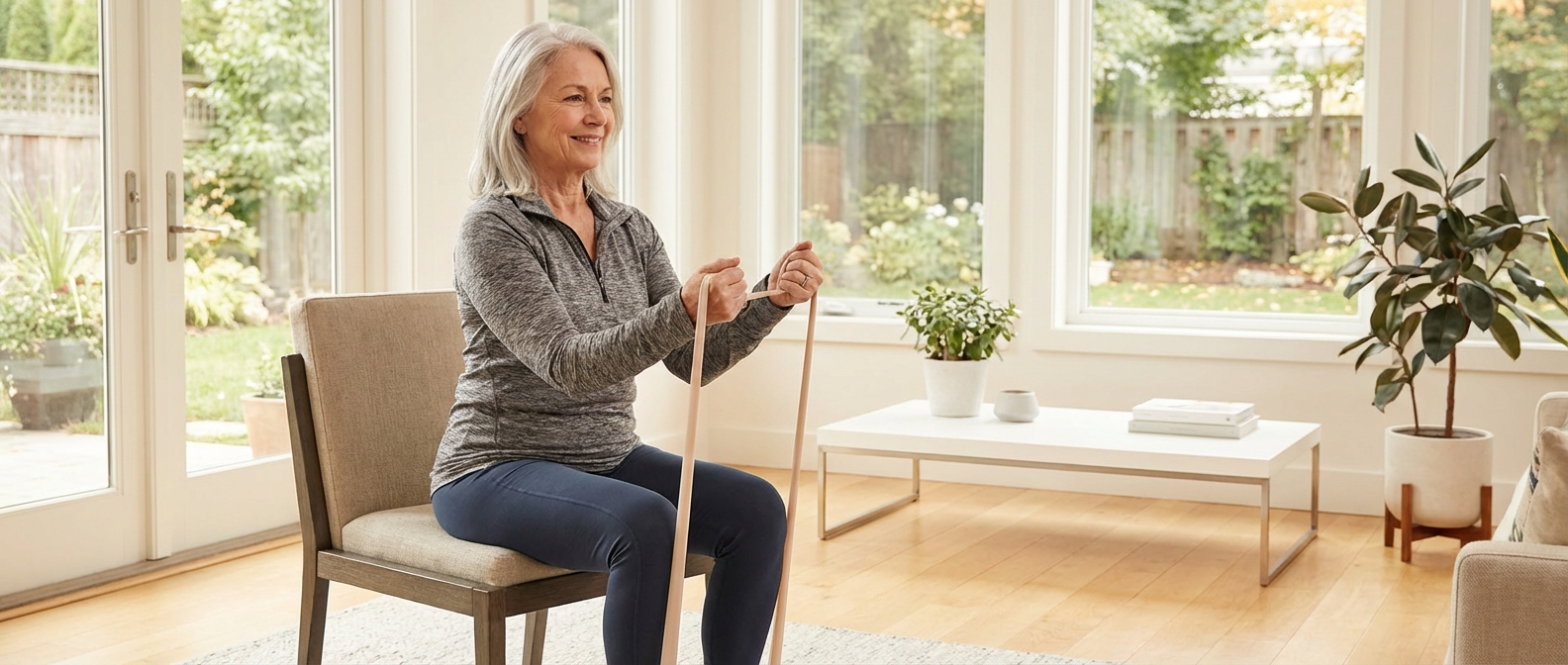
Chair exercises are gaining popularity among Australians seeking safe, accessible ways to improve fitness—especially for seniors, people with limited mobility, or those starting an exercise routine. This guide is designed for the Australian general public, including carers, older adults, and anyone interested in seated exercise options. Please remember this article is for educational and informational purposes only and does not replace individual medical advice from a qualified health professional. By reading on, you’ll discover who benefits from chair exercises, how they can form part of a health management plan, key safety precautions, and practical routines tailored for seniors and those seeking chair-based workouts.
Understanding Chair Exercises: Purpose and Benefits
Chair exercises—sometimes referred to as chair workouts, chair fitness exercises, or exercise by sitting—are specifically designed to deliver physical activity while seated or using a chair for support. These routines are particularly valued by older adults, people recovering from injury, those with chronic conditions, or anyone whose mobility is limited. For many Australians, maintaining daily activity through safe movement can help reduce sedentary behaviour and support overall wellbeing. Reducing Tablet Fat is important for all ages; simple activity breaks can help manage this risk.
- Physical benefits: Improve muscle strength, joint flexibility, cardiovascular health, and balance, while reducing risk of falls.
- Mental health impact: Regular movement can lower stress, boost mood, and encourage social connection—especially when performed in groups or community settings.
- Accessibility: Chair exercises for seniors or those with limitations remove barriers such as space, equipment, or the need for high-impact movements.
Chair workouts are widely recommended by Australian health authorities as part of an active ageing strategy when tailored to the individual’s health level.
Who Should Consider Chair Exercises?
Chair exercises are suitable for a variety of people, but are especially recommended for:
- Seniors aiming to maintain independence and strength
- People recovering after surgery or a temporary illness
- Individuals with chronic pain or arthritis needing gentle movement
- Anyone struggling with balance or at risk of falls
- Australians living with disability or reduced mobility
- People seeking gentle physical therapy routines
These modalities provide alternatives when standing or impact activities are not suitable. However, they may not be appropriate for everyone. For example, certain post-surgical restrictions, unstable medical conditions, or severe dizziness could make any type of exercise risky. Always check with your GP, physiotherapist, or relevant medical professional about what is safe for you.
Common Myths and Facts about Seated Exercises for Seniors
Despite their popularity, several misconceptions linger around chair exercise routines, particularly for older Australians:
| Myth | Fact |
|---|---|
| Chair workouts are ineffective for fitness | Well-structured routines can improve strength, flexibility, and cardiovascular fitness, as recognised by Better Health Channel. |
| They are only for the very old or frail | Anyone with limited mobility, balance issues, or in rehabilitation can benefit—age is not the only factor. |
| Chair workouts cannot help balance | Static and dynamic seated movements, including standing support routines, can build balance safely. |
| You don’t need to consult a professional first | The right approach depends on your health status; professional input minimises injury risk. |
Health Conditions, Symptoms, and Risks Addressed by Chair Fitness Exercises
Seated exercises for seniors and others may help manage or reduce symptoms related to several health challenges. However, chair exercise is not a cure and should complement—not replace—advice from health professionals.
- Reduced muscle strength: Loss of muscle, known as sarcopenia, can contribute to frailty and increased fall risk in older age.
- Joint stiffness or arthritis: Gentle, regular movement helps preserve range of motion and reduce discomfort for many Australians living with osteoarthritis or similar conditions.
- Poor balance: Especially among those with neurological or sensory changes connected to ageing or chronic disease.
- Chronic disease: Such as heart disease, type 2 diabetes, or chronic obstructive pulmonary disease (COPD), where physical activity forms a key part of lifestyle management as suggested by Heart Foundation.
| Symptom/Concern | Linked Condition | Role of Seated Exercise |
|---|---|---|
| Reduced mobility | Stroke recovery, injury rehabilitation | Improving blood flow, easing stiffness |
| Joint or muscle pain | Arthritis, muscular strain | Promotes flexibility, gentle strength |
| Shortness of breath with activity | COPD, heart conditions | Encourages safe graded activity while monitoring symptoms |
| Balance issues | Vestibular disorders, neurological change | Enables stabilisation through seated/assisted movement |
Please note: If you experience unexplained pain, dizziness, severe breathlessness, chest discomfort, or sudden weakness during any exercise—including chair-based—stop immediately and seek medical attention.
Preventative and Management Benefits of Chair Workouts
As part of a balanced lifestyle, evidence shows that chair exercise routines can help:
- Reduce risk of preventable falls and related injuries
- Enhance circulation and support heart health
- Maintain everyday function and promote independent living
- Strengthen muscles supporting posture and joint stability
- Encourage routine activity, even during periods of illness or limited mobility
- Support mental health through movement and group participation, vital for older Australians
Incorporating chair fitness routines into your week can be a practical step in meeting Australian Government activity guidelines for older adults or those with health limitations. Always start at a comfortable level and gradually increase frequency and intensity under professional guidance.
| Prevention Area | Chair Exercise Approach |
|---|---|
| Falls and Fractures | Daily balance, leg strengthening, and flexibility drills while seated or with chair support |
| Joint Stiffness | Gentle upper and lower body movement to preserve range-of-motion |
| Sedentary Lifestyle | Accessible routines undertaken at home, aged care centres, or community spaces |
Chair Exercise Routine for Seniors: Practical Guide
When designing or following a chair exercise routine for seniors (or other adults), simplicity and safety are key. Here is an example of a general routine that can be performed at home, in a community group, or under supervision in a care setting. Before starting, ensure you have a sturdy chair with no wheels and wear supportive shoes.
- Warm up (3–5 minutes): Gentle marching or tapping feet, shoulder circles, slow arm raises.
- Upper body movements: Arm lifts, elbow bends, gentle shoulder presses, or using light resistance bands.
- Leg exercises: Seated knee extensions, heel raises, toe taps, leg marches.
- Core and back: Seated back twists, gentle side bends, upright posture holds.
- Balance boost (optional): Stand and hold the chair for support; gentle side leg lifts or mini-squats (if safe and able).
- Cool down: Slow breathing, gentle stretching of arms and legs.
It’s normal to feel mild warmth and sense muscle activation, but pain, severe discomfort, or dizziness are warning signs to stop and review with your health provider. Carers or family members can assist by tracking progress or ensuring the environment remains clutter-free and safe.
Checklist: Staying Safe and Getting the Most from Chair Fitness Exercises
- Use a stable, non-slip chair and ensure your exercise area is clear of obstacles.
- Start new routines gradually, increasing only as comfort and confidence grow.
- Listen to your body—never push through pain or alarming symptoms.
- Keep hydrated and dress comfortably, with supportive footwear.
- If unwell, delay your exercise and consult your GP, especially if you have new or changing health conditions.
- Ask your health provider or allied health professional for a personalised assessment, especially if you’re starting after illness, injury, or a hospital stay.
Safe Management for Seniors
Managing exercise safely is essential for older adults. Simple strategies include pacing activity, checking in with your GP before starting new routines, and modifying movements to match current fitness or medical advice. If you want to expand beyond seated moves, our Exercises for Total Body guide provides further options.
When to Seek Professional Support and Recognise Risks
While chair exercise routines are generally low-risk, some people may need supervision or adjustments. You should seek assessment from your doctor, geriatrician, or allied health team if:
- You have a history of frequent falls, fainting, or severe dizziness
- You notice chest pain, racing heartbeat, or sudden breathlessness during activity
- There is significant joint swelling, unexplained pain, or worsening weakness
- You are managing multiple chronic conditions or have concerns about medication effects
Chair work out options should always be modified to your personal capability. Even “free chair exercises for seniors” accessible online may need adaptation. For best results, follow videos or written routines by qualified Australian health educators or evidence-backed organisations.
Misunderstanding online instructions, copying routines not intended for your level, or attempting movements unsupervised (if you have identified risks) can increase injury chance. Whenever in doubt, phone your GP or contact Healthdirect Australia for general guidance.
Integrating Chair Exercises with Broader Health Strategies
Seated exercises for seniors and others aiming to stay active work best when combined with a holistic approach:
- Discuss your exercise plans with your medical provider or allied health team regularly
- Balance physical activity with safe nutrition, hydration, sleep, and social interaction
- Set realistic goals—for example, “I will complete my chair exercise workout three times a week” or “I’ll join a group class at my local community centre”
- Monitor your progress—keeping a simple diary of how you feel before and after sessions
- Look to diversify activity—aim to include some gentle standing activities, stretching, or walking, when able
Many Australians report that forming new habits is easier with support, so if possible, invite a friend, carer, or family member to join you. Family activity time? Alongside senior routines, see our Kids Workout Guide Australia for youth exercise suggestions. Those in aged care, supported accommodation, or through government-funded care packages may also be eligible for ongoing exercise support and group classes.
FAQ
What are chair exercises, and who should use them?
Chair exercises are safe, accessible fitness routines performed while seated or using a chair for support. They are ideal for seniors, people with reduced mobility, or those undergoing rehabilitation. It’s important to seek guidance from a health professional to ensure your chosen exercises suit your health status.
Are chair exercises effective for improving balance and strength?
Yes, when performed regularly, chair-based fitness routines can improve leg strength, joint flexibility, and support balance, particularly for those at risk of falls or with limited mobility.
Are there risks or side effects from chair exercise workouts?
While generally safe, risks include muscle strain, dizziness, or loss of balance, especially if routines are unsupervised or not matched to your ability. Stop immediately if you feel pain, severe discomfort, or unwell, and consult a health professional.
How often should seniors do chair fitness exercises?
Routine can vary according to your health, but the Australian guidelines suggest aiming for most days of the week, with advice from your GP or physiotherapist. Starting gradually and listening to your body is essential.
Where can I find safe, free chair exercise resources in Australia?
Free chair exercises for seniors are available via local councils, aged care community centres, or online through official organisations like Healthdirect Australia, Better Health Channel, and Heart Foundation.
Maintaining Daily Movement can help preserve independence and joint health.

