
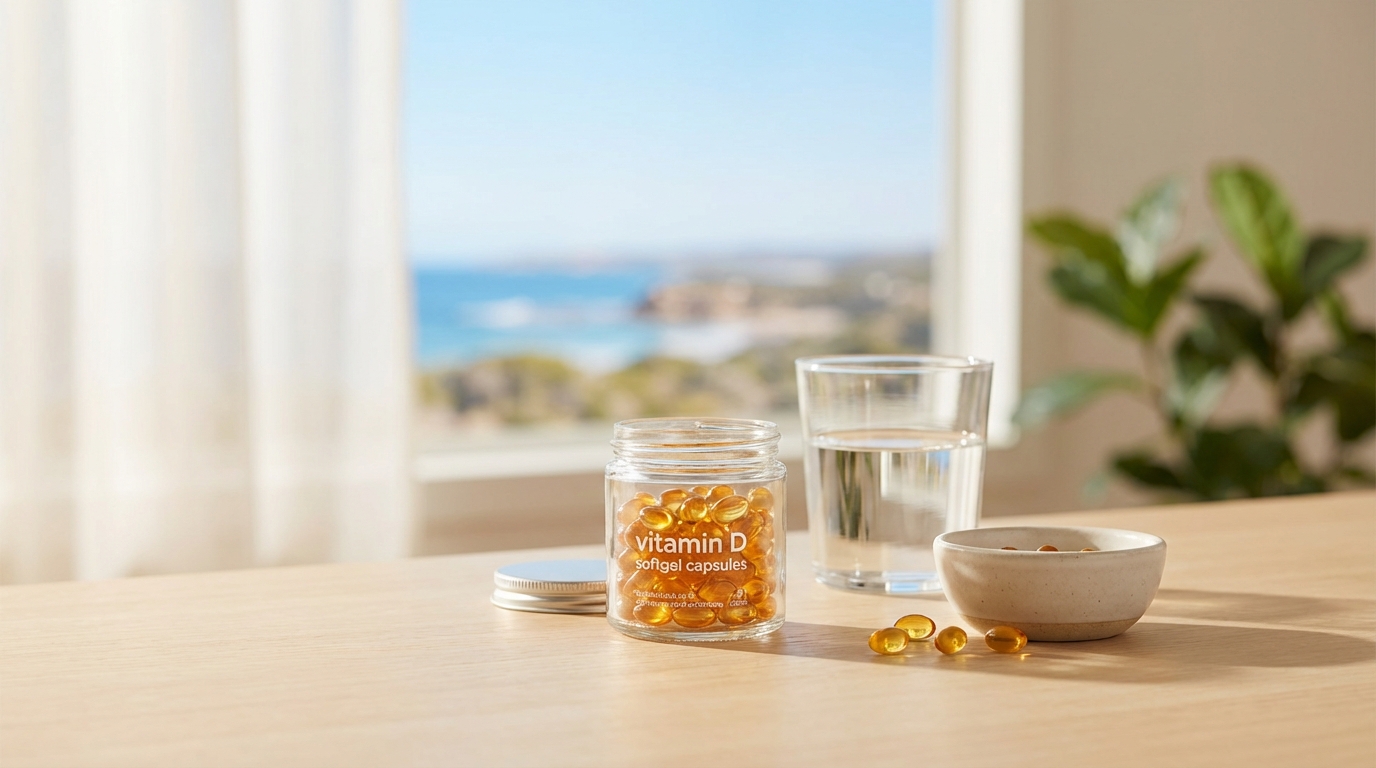
If you’re searching for the best vitamin D supplement Australia has to offer, you’re not alone. Australians—whether health-conscious individuals, patients, or concerned carers—often look to vitamin D for its vital role in bone, immune, and general wellbeing. This article aims to inform and educate, not replace clinical advice, by explaining what makes a vitamin D supplement effective, how to identify the best vitamin D vitamins and brands, safe intake practices, and what Australians should know before they buy vitamin D products or vitamin D tablets. By the end, you’ll be equipped to recognise symptoms of deficiency, understand risk factors, compare supplement choices, and make knowledgeable decisions tailored to the Australian context.
Your Guide to Finding the Best Vitamin D Supplement in Australia
Understanding Vitamin D: Why It Matters in Australia
Vitamin D is a fat-soluble nutrient essential for calcium absorption, bone formation, and overall health. In Australia, a continent blessed with sunlight yet facing rising deficiencies, understanding vitamin D’s role is crucial for daily wellbeing. The Australian Department of Health highlights that vitamin D supports not only healthy bones and teeth but also muscle function and immune response. For complementary support, explore high-quality bone health supplements available in Australia.
Unlike most vitamins, our bodies can synthesise vitamin D from sunlight, specifically ultraviolet B (UVB) rays. However, factors such as sunscreen use, clothing, time spent indoors, and winter seasons can all lead to low vitamin D levels—even in sun-rich areas like Queensland or New South Wales. This demographic reality makes regular dietary intake, supplementation, and awareness increasingly important.
Pro Tip: Sensible sun exposure—such as 10–15 minutes outside, mid-morning or late afternoon a few times per week—can help maintain healthy vitamin D levels, but always balance sun safety with vitamin D needs.
Symptoms and Warning Signs of Vitamin D Deficiency
Recognising deficiency is an important early step. While some people have no obvious symptoms, vitamin D deficiency can often present in subtle, non-specific ways. Understanding these warning signs can prompt timely testing and support through health professionals.
- Persistent fatigue or low energy
- Muscle weakness or aches
- Generalised bone or back pain
- Frequent colds or low immunity
- Mood changes, such as low mood or irritability
- In children: delayed growth, rickets, or developmental issues
It’s important to know that these symptoms overlap with many other conditions. If you or someone you care for experiences these signs, consult your GP or healthcare provider. Reliable diagnosis often requires a blood test to check serum 25-hydroxyvitamin D levels, as recommended by endocrine experts.
Exploring Causes and Risk Factors for Low Vitamin D in Australia
Although Australia is known for its sunny climate, vitamin D deficiency is more common than many realise. Certain groups are at higher risk due to both lifestyle and biological factors.
| Risk Group or Factor | Example or Context |
|---|---|
| Limited sunlight exposure | Night shift workers, older adults in care, frequent sunscreen users |
| Darker skin pigmentation | Requires longer sun exposure for similar vitamin D synthesis |
| Medical conditions | Malabsorption (e.g. coeliac), kidney or liver disease, obesity |
| Breastfeeding infants | Low vitamin D in mother’s breastmilk |
| Age | Skin’s ability to convert sunlight to vitamin D decreases with age |
These factors can contribute to low vitamin D despite Australia’s climate. Recent Australian Bureau of Statistics figures suggest up to 23% of Australian adults may be deficient. Awareness can help you assess your own risk profile and seek relevant advice.
Choosing the Best Vitamin D Supplement Australia: What to Look For
The Australian market offers a wide range of vitamin D supplement options, from over-the-counter vitamin D3 capsules to prescription-grade tablets. Selecting the best vitamin D vitamins isn’t just about the label, but also about product quality, safety, and personal suitability.
Types of Vitamin D Supplements: D2 vs D3
Two primary types are available:
- Vitamin D2 (ergocalciferol): Plant-sourced; less commonly prescribed in Australia
- Vitamin D3 (cholecalciferol): Derived from lanolin or fish oil; aligns more with the natural form made by sun-exposed skin and is generally considered more effective in raising blood levels
Many choose colecalciferol 25 mcg as a standard D3 supplement.
Most experts, including Osteoporosis Australia, recommend D3 for its higher bioavailability.
Key Factors in Selecting the Best Vitamin D3 Supplement Australia
When searching for the best vitamin D3 supplement, Australian consumers should consider:
- Dosage appropriateness (usually 400 IU, 800 IU, or 1000 IU per tablet/capsule)
- Product formulation (capsule, softgel, chewable, or liquid)
- Manufacturing quality and TGA listing—look for registration by the Therapeutic Goods Administration
- Reputation of the manufacturer—good vitamin D brands and recommended vitamin D brand signals
- No unnecessary additives or allergens
For those with specific dietary needs (such as vegan or vegetarian), scrutinise ingredient sources.
| Supplement Type | Formulation | Recommended Use |
|---|---|---|
| D3 Capsules | Gel capsule, oil-based | General adult use, better absorption with fat-containing meal |
| D3 Drops/Liquid | Oral solution | Children, those with swallowing difficulties |
| D3 Chewables | Tablet, often flavoured | Children or adults preferring chewables |
| High-dose Tablets | Prescription only | Severe deficiency as advised by GP or specialist |
Best Rated Vitamin D Supplements and Brands in Australia
There is a wide choice when it comes to the best vitamin D supplement Australia-wide. Reputable good vitamin D brands often carry these markers:
- TGA listing: Ensures safety and efficacy within the Australian market
- Clear labelling: All ingredients, dosage, and allergens are listed
- Positive consumer and health professional feedback
Examples of top-rated and commonly recommended brands include Blackmores, Swisse, Ostelin, Nature’s Own, and Cenovis. These brands often appear in lists of the best vitamin D brand or best vitamin D3 supplement Australia.
When deciding where to buy vitamin D, consider recognised pharmacies, chemists, or authorised online retailers. Exercise caution with products purchased through unofficial online sources. Always consult a healthcare professional for guidance specific to your age, medical history, and lifestyle.
The Role of Vitamin D Supplements in Everyday Australian Health
Vitamin D supplementation can play an important preventative and supportive role, particularly when getting enough through sunlight or diet becomes difficult. The Royal Australian College of General Practitioners notes that supplements are especially useful for at-risk adults, older Australians, and people with limited sun exposure.
Always pair supplementation with a balanced diet—eggs, salmon, fortified milk, and some mushrooms are good sources—and safe sun practices. Vitamin D should be considered one element within a broad approach to health, not a cure-all or universal preventative.
Prevention Checklist: Maintaining Healthy Vitamin D Levels
- Discuss your vitamin D status with your GP, especially if you have known risk factors
- Include dietary vitamin D-rich foods regularly
- Enjoy sensible, safe sunlight exposure relevant to your locality and skin type
- Choose a TGA-listed supplement if needed—review label, dosage, and suitability
- Monitor for changing symptoms, especially during winter or periods of illness
- Arrange follow-up blood testing if recommended by your doctor
Risks, Side Effects, and Safety: What Australians Should Know
While vitamin D supplements are generally safe at recommended doses, excessive intake can cause health complications, especially from high-strength formulations.
Potential Side Effects of Vitamin D Supplements
- Nausea, vomiting, or poor appetite
- Excessive thirst or urination
- Confusion or weakness
- High blood calcium, leading to kidney stones or other issues (with very high doses)
The risk of side effects increases with prolonged excessive intake. Best rated vitamin D3 products will always state the maximum recommended daily dose on the label. If you experience any of the above signs after starting supplementation, discontinue use and consult your healthcare provider promptly.
Vitamin D’s interaction with some medications—and its role in chronic diseases—means professional advice is vital, particularly for at-risk populations. The Therapeutic Goods Administration advises that self-diagnosing and self-medicating with high doses may be dangerous without supervision.
Supplements are not a replacement for varied nutrition or recommended physical activity. If you or your family member are unsure about symptoms or are considering high-dose options, seek guidance from a registered health professional.
When to Seek Professional Medical Advice
Always seek professional healthcare support if you:
- Notice ongoing symptoms related to low vitamin D
- Are part of a high-risk group (infants, older adults, those with chronic illness)
- Are unsure about which supplement or dosage to take
- Experience side effects after starting supplementation
Routine screening for vitamin D deficiency is not recommended for everyone, but early intervention can make a difference for those with risk factors. GPs can offer personalised, test-based guidance suited for the Australian context.
FAQ
How do I know if I need a vitamin D supplement?
Deficiency is confirmed with a blood test requested by your GP, but certain risk factors—like little sun exposure, darker skin, or specific health problems—make supplementation more likely. You should always discuss symptoms or risk with your healthcare professional before starting any supplement.
Are vitamin D3 supplements better than D2 in Australia?
Most health professionals in Australia recommend vitamin D3 over D2 because it is more closely aligned with the natural form produced by the body and is more effective in raising vitamin D levels. Always check for TGA approval and discuss the best option with your doctor.
Is it possible to get too much vitamin D from supplements?
Yes, excessive intake can cause harmful effects, including high blood calcium and kidney problems. Only take the recommended dose and avoid high-dose products unless prescribed by a healthcare provider.
Where is the best place to buy vitamin D in Australia?
Choose reputable outlets such as local pharmacies or recognised online retailers that offer TGA-listed supplements and clear labelling. Avoid unofficial or overseas sources, as quality and safety may not be assured.
Can vitamin D supplements replace sun exposure?
While supplements help maintain healthy levels when sun exposure or dietary intake is limited, they do not provide the same holistic benefits of natural outdoor activity. Safe sun habits and outdoor time are still encouraged for general health.

