

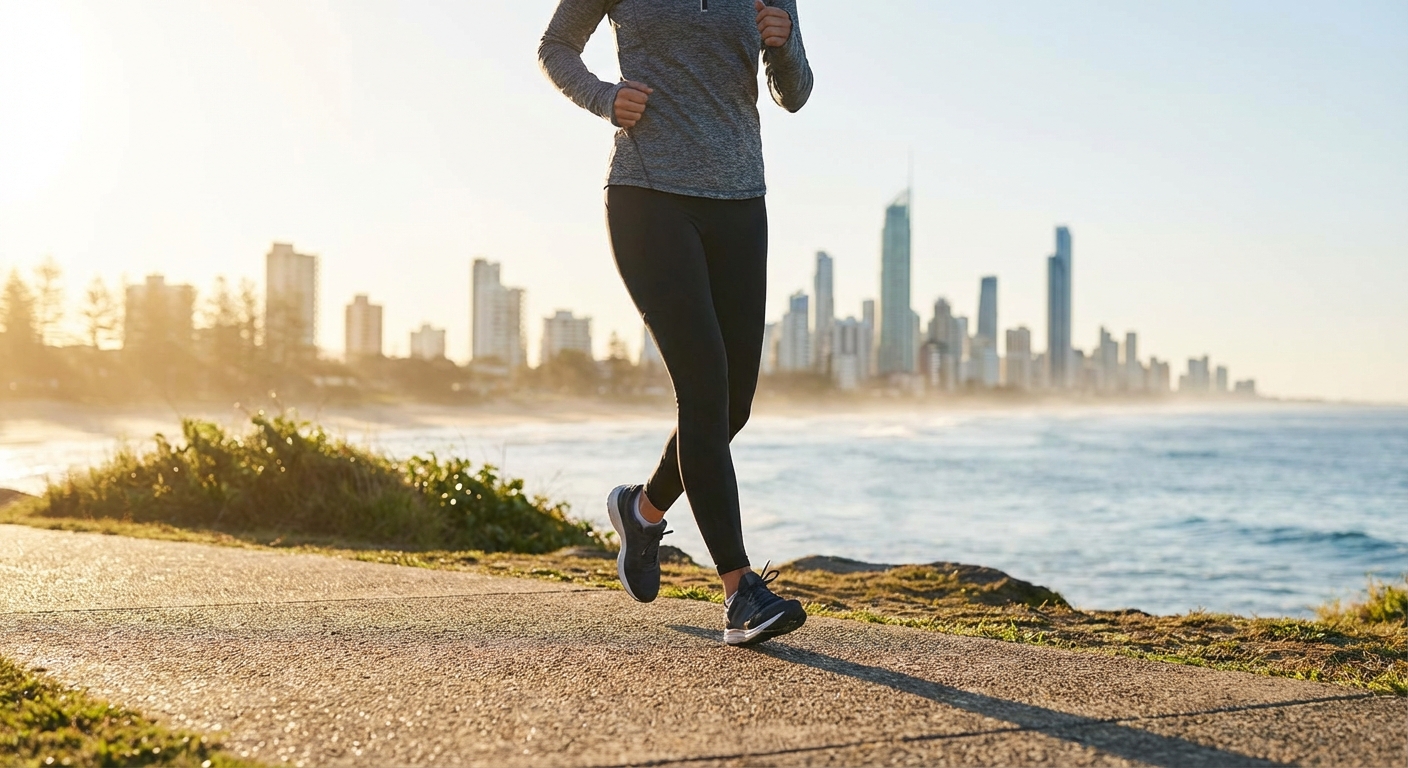
If you are curious about walking and whether it is good for losing weight, you’re not alone. Many Australians—whether health-conscious individuals, patients, or carers—wonder if walking is a practical method for supporting weight management. This article is intended for the general Australian public seeking reliable, educational information and not as a substitute for professional medical advice. By the end, you’ll gain a clearer understanding of how walking can fit into a healthy lifestyle, how much walking might support weight loss, and what precautions are advisable for safe results.
Walking and Weight Loss: An Informed Australian Perspective
Understanding the Primary Intent: Can Walking Help You Lose Weight?
Walking is widely recognised as a simple, accessible, and low-impact activity. But when it comes to weight loss, does walking live up to the expectations often set in health advice? According to Australian health authorities, walking plays a meaningful role in helping people maintain a healthy weight, especially as part of an overall balanced lifestyle. While walking alone may not deliver dramatic short-term changes, it can create sustained energy expenditure, supporting gradual and sustainable weight loss.
The science is clear: weight loss requires creating a “calorie deficit,” meaning you burn more energy than you consume. Walking helps increase your daily energy expenditure. However, for significant weight loss outcomes, walking is most effective when combined with other healthy habits—like a nutritious eating pattern, good sleep, and reduced sedentary time.
Walking can help with other modifiable risk factors for weight-related chronic diseases, too, such as reducing stress, boosting mental wellbeing, and lowering blood pressure. Australians of all ages can benefit from adding walking sessions into their day, whether in short bouts or longer walks, adjusted to personal circumstances and goals.
How Much Walking to Lose Weight: Guidelines and Personalisation
One common question is, “How much walking is enough to lose weight?” The answer depends on your starting weight, walking pace, existing activity level, and dietary habits. The Australian Department of Health generally recommends adults aim for at least 150–300 minutes of moderate-intensity physical activity each week—walking included. For weight loss, many health experts suggest aiming for the higher end of this range or even more, depending on personal factors.
As a practical guide, brisk walking for around 30–60 minutes a day, most days of the week, can support gradual weight loss when paired with a balanced diet. The table below outlines how different walking habits contribute to energy expenditure and potential weight outcomes.
| Walking Habit | Approx. Weekly Minutes | Pace | Potential Weight Impact* |
|---|---|---|---|
| Leisurely Stroll | 90–150 | 3–4 km/h | Supports health, minor effect on weight |
| Brisk Walk | 150–300 | 5–6 km/h | Supports moderate, sustainable weight loss |
| Power Walk or Hills | 300–420+ | 6+ km/h, added incline | Greater calorie burn, may accelerate results |
*Actual results will vary. Weight loss outcomes depend heavily on combined lifestyle changes, calorie intake, and individual health status. Consult a health professional for tailored guidance.
Pro Tip: Try using a pedometer or activity tracker to monitor your daily steps. For many Australians, aiming for 8,000–10,000 steps per day is a realistic and motivating target.
Secondary Intent: Lifestyle Impacts and Prevention
Beyond weight control, walking offers a broad spectrum of health benefits. Regular walking can help prevent and manage several chronic conditions, including type 2 diabetes, heart disease, high blood pressure, and certain mental health challenges. The Heart Foundation recommends walking not only for calorie burning but also for its protective impact on cardiovascular health.
Prevention is key. For those with a family history of obesity, diabetes, or cardiovascular disease, adopting a walking routine can assist in reducing long-term health risks. Walking in groups, joining community walking programs, or participating in neighbourhood events can also enhance social connection and motivation—elements shown to improve participation and consistency.
Practical Health Checklist: Getting Started With Walking for Weight Loss
- Consult your GP before starting a new exercise program, especially if you have existing health conditions.
- Choose supportive footwear to prevent blisters and foot pain.
- Start with shorter walks and gradually increase your duration and intensity.
- Mix up your routes to keep the experience fresh and engaging.
- Stay hydrated, particularly during hot Australian summers.
- Listen to your body—stop if you notice pain, severe discomfort, or symptoms like dizziness.
- Consider walking with a friend or group for support and safety.
Secondary Intent: Common Concerns and Misinterpretation Risks
While walking is beneficial for most people, some misconceptions and risks should be addressed. It’s common to overestimate the number of calories burned during walking or expect rapid changes on the scales after only a week or two. Walking is not a “quick-fix” but rather a long-term commitment.
Misinterpretation risk: Treating walking as a license to eat more or ignore other healthy habits can undermine your progress. Weight maintenance—and particularly weight loss—also requires attention to what and how much you eat, your sleep quality, and managing everyday stress.
People with certain health conditions (such as advanced arthritis, cardiac concerns, or mobility impairments) should discuss safe activity levels with a healthcare professional before increasing their walking significantly. If you develop unusual symptoms such as chest pain, faintness, or severe shortness of breath while walking, stop immediately and seek prompt medical advice.
Comparison Table: Walking vs Other Physical Activity Options
| Activity Type | Energy Burn Rate | Impact on Joints | Accessibility | Weight Loss Support |
|---|---|---|---|---|
| Walking | Moderate | Low | High (no special equipment needed) | Good if sustained and frequent |
| Running | High | Medium–High | Moderate (some limitations) | Faster results, but may increase injury risk |
| Cycling | Moderate–High | Very Low | Moderate (bike required) | Effective, joint-friendly |
| Swimming | High | Very Low | Moderate–Low (pool access needed) | Excellent, but less convenient |
Walking stands out as one of the safest and most accessible options for Australians seeking to lose weight without significant injury risk or access barriers.
Recognising Symptoms: When to Seek Medical Help
As with any physical activity, some symptoms signal the need for caution. Stop walking immediately and consult a doctor or nurse if you experience:
- Severe, sudden chest pain or pressure
- Shortness of breath that does not subside with rest
- Fainting, collapse, or unexplained dizziness
- Swelling, warmth, or pain in your legs (could be a sign of circulatory issues)
- Persistent joint, foot, or back pain
For ongoing mild aches, blisters, or muscle fatigue, address these with rest, supportive shoes, or by adjusting your pace. However, do not ignore severe, persistent, or worsening symptoms—especially if you have a history of heart or lung conditions. If in doubt, consult a healthcare provider before resuming regular activity.
Prevention and Lifestyle Management: Tips for Long-Term Success
Successful weight management through walking is rooted in consistency. Making walking a daily or near-daily habit—rather than an occasional effort—produces more predictable, lasting outcomes. Building walking into your routine, such as walking for part of your commute or during lunch breaks, is encouraged.
Australians can also take advantage of the many parks, beaches, and walking trails available in urban and regional areas. Organisations like Heart Foundation Walking provide community resources and walking groups, making it easier to stick to your goals. Environmental factors—like air quality, heat, and safe walking paths—are also important, so adjust your plans according to local conditions.
Checklist for Safe, Effective Walking:
- Set realistic goals—start modestly and build up as able
- Keep hydrated and protect against extreme heat or sun exposure
- Monitor your progress and celebrate small wins
- If you become injured or unwell, pause and check with a GP before restarting
FAQ
- Is walking enough to lose weight in Australia’s environment?
- Walking can definitely form the foundation of a weight loss routine for most Australians. However, supporting your walking routine with healthy eating, enough sleep, and other positive habits is vital for effective, sustainable weight loss.
- How fast should I walk for optimal weight loss?
- Brisk walking—typically at least 5–6km/h—is generally recommended. If you can talk but not sing while walking, that’s a good level of effort for effective calorie burn. Adapt the pace to your current fitness and health status.
- What are some signs that I should stop walking and consult a health professional?
- If you develop sudden chest pain, severe shortness of breath, dizziness, fainting, or swelling in the legs, stop walking and seek medical attention promptly. Persistent pain is another reason to seek advice.
- How quickly can I expect to see changes in my weight from walking?
- Most people notice gradual changes over several weeks or months if they walk regularly and combine it with healthy eating. Rapid results are uncommon; aiming for steady, sustainable progress is safer and more effective.
- Are there any risks to walking for weight loss?
- Walking is generally safe for most people but may aggravate some conditions such as joint injuries or severe mobility restrictions. Always start at a comfortable level and consult your GP if you have concerns.