
Vitamins with iron and vitamin C play a key role in supporting everyday health for many Australians, including individuals, families, and carers seeking to maintain balanced nutrition. This informational article is for those interested in understanding the benefits, uses, and potential risks of combining iron and vitamin C in supplements or daily routines. While we aim to provide clear and accurate information, this guide is for educational purposes and should not replace personalised medical advice. By reading on, you’ll learn how vitamins with iron and vitamin C can influence wellbeing, who may benefit from them, what symptoms may indicate a deficiency, associated risks, and how prevention and management work within the Australian healthcare system.
Understanding Vitamins with Iron and Vitamin C
What Are Vitamins with Iron and Vitamin C?
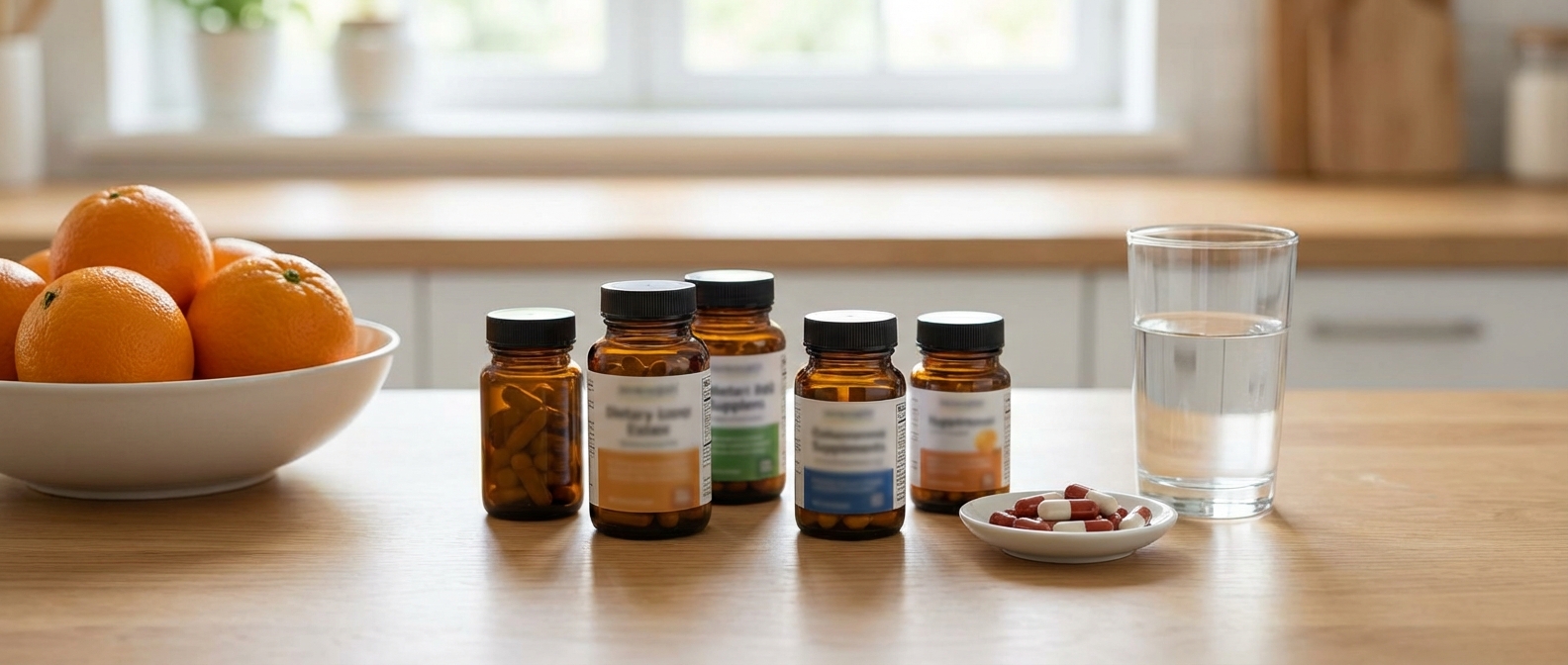
Vitamins with iron and vitamin C are dietary supplements that combine these two essential nutrients in a single formula. Iron is a mineral crucial for making haemoglobin in red blood cells, which transports oxygen throughout the body. Vitamin C (ascorbic acid) not only supports immunity and collagen formation but significantly improves the absorption of iron sourced from plant-based foods or supplements. This combination is often found in multivitamin tablets, iron pills with vitamin C, and specialist nutrition products designed to prevent or treat iron deficiency, a common health consideration in Australia. People may seek these supplements for various reasons, such as dietary preferences, medical needs, or increased requirements during specific life stages.
These products are typically considered by those with low iron levels, vegetarians, women during pregnancy, or individuals recovering from illness. Many brands available in Australia are regulated by the Therapeutic Goods Administration, which oversees quality and labelling. While easily accessible both online and over-the-counter, choosing a product suited to individual circumstances is important. Consulting an accredited health professional is recommended if you are considering starting an iron supplement with vitamin C, especially in the presence of underlying health conditions or ongoing symptoms.
Why Are Iron and Vitamin C Often Combined?
The pairing of iron and vitamin C is not coincidental. Non-haem iron (from plant sources or most supplements) is less easily absorbed by the gut than haem iron (from animal sources). Vitamin C enhances iron absorption by reducing ferric iron (Fe3+) to ferrous iron (Fe2+), which is more readily taken up by the body. This synergy helps make diet and supplementation more effective, especially among people at risk for anaemia due to iron deficiency or those following plant-based diets common in some Australian households. Clinical guidelines by Australian health authorities and respected bodies such as the Healthdirect Australia and the Victorian Government’s Better Health Channel note this advantage.
Some iron supplements are formulated as “iron C” to highlight this combination, aiming to optimise absorption, reduce required dosages, and minimise potential side effects like gastrointestinal discomfort. While effective for many, individual benefits can vary based on existing health status, diet, and other medications. Always read product instructions and seek professional input for tailored advice.
Who Might Benefit from Iron and Vitamin C Supplements?
People at increased risk of low iron, or who have higher iron requirements, are most likely to benefit from products containing both these nutrients. This includes:
- Women, particularly during menstruation, pregnancy, or breastfeeding, given increased iron needs
- Adolescents and children undergoing rapid growth
- Individuals adhering to vegan or vegetarian diets
- People with chronic blood loss, certain digestive disorders, or restrictive eating habits
- Those who have had recent surgery or illness impacting nutrient absorption
While many Australians can meet daily needs through balanced diets, gaps can occur, especially if dietary sources are limited or medical conditions interfere with absorption. Oral iron therapy is often recommended by healthcare professionals only after confirming iron deficiency with appropriate blood tests, following Royal Australian College of General Practitioners’ guidelines.
Symptoms and Signs of Iron Deficiency
Iron deficiency is one of the most common nutritional challenges in Australia, leading to a range of symptoms. Recognising these warning signs can prompt timely healthcare review:
- Persistent fatigue or low energy
- Shortness of breath during normal activity
- Pale skin and inner eyelids
- Headache, dizziness, or difficulty concentrating
- Brittle nails and hair loss
- Frequent infections due to lowered immunity
Deficiency severity can range from mild to severe (iron-deficiency anaemia). Sometimes symptoms may appear gradually or be nonspecific, making diagnosis tricky. If you experience these symptoms or are concerned, it’s important to seek advice from a GP or accredited health provider for assessment, rather than self-diagnosing or commencing iron supplementation independently.
Comparison Table: Iron Deficiency Symptoms vs. Other Conditions
| Symptom | Iron Deficiency | Other Common Conditions |
|---|---|---|
| Fatigue & weakness | Very common | Can occur with sleep disorders, thyroid issues, depression |
| Pale complexion | Common | May be due to other anaemias, shock, chronic illness |
| Shortness of breath | Sometimes | Common in asthma, heart conditions, anxiety |
| Frequent infections | Occasional | More common in immune disorders, children, elderly |
Pro Tip: If you notice ongoing tiredness, pale skin, or unexplained symptoms, speak with your GP rather than assuming it is solely due to iron levels. Several conditions can mimic iron deficiency, and professional testing is the safest first step.
Causes and Contributing Factors in Australia
Low iron status can arise from several sources. In Australia, important contributors include insufficient dietary intake (low consumption of red meat or iron-rich foods), menstrual blood loss, gastrointestinal bleeding, certain chronic diseases (like coeliac disease or inflammatory bowel disease), and increased needs due to pregnancy or growth. Repeated blood donation and intense physical activity may also lower iron stores.
Some populations may face more risk due to cultural or lifestyle factors, such as those following vegan diets or experiencing food insecurity. In children and adolescents, rapid growth further increases requirements. The National Health and Medical Research Council provides age and gender-specific recommended daily intakes for iron and vitamin C, which can guide decisions around supplementation for Australians.
It’s also crucial to note that absorption challenges, not just intake, impact iron status. Common foods or nutrients like calcium, tea, and coffee may reduce iron absorption if consumed near main iron sources or supplements, while vitamin C-rich foods and supplements can enhance uptake.
Iron and Vitamin C Supplements in Australia: Access, Choices & Cost
The Australian market offers various iron supplement with vitamin C options, ranging from simple combined tablets to specialised multivitamins catering for different age groups and life stages. Available through pharmacies, supermarkets, and online retailers, most products are classified as listed medicines and overseen by the Therapeutic Goods Administration to maintain quality and safety standards.
Many iron C supplements are affordable and accessible without prescription. However, higher-dose preparations or those aimed at specific medical needs may only be recommended after pathology confirmation. Variations exist in iron type (eg. ferrous sulfate, ferrous fumarate, iron amino acid chelates), vitamin C content, and formulations designed to ease stomach upset. Australian government resources such as Australian nutritional guidelines offer further reading on dietary supplementation.
- Cost: Basic iron plus vitamin C supplements are usually priced between $10 and $25 per bottle, depending on formulation and brand. Subsidies through Pharmaceutical Benefits Scheme are rare unless prescribed for documented anaemia.
- Access: Read product labels carefully, as iron forms, doses, and additional vitamins/minerals may vary. Professional advice can help align product choice with individual medical needs and avoid unnecessary supplementation.
While convenient, supplements should not replace dietary sources unless medically advised. Dietary intake remains the preferred foundation for managing nutrient status in most healthy Australians.
Prevention, Lifestyle, and Diet Strategies
A balanced, varied diet is the most effective strategy for preventing iron deficiency and supporting healthy vitamin C levels in everyday life. Foods high in haem iron (such as lean red meat, poultry, and fish) offer more readily absorbed iron, while non-haem iron is abundant in legumes, spinach, and fortified cereals but needs vitamin C for optimal absorption. Including natural vitamin C sources like oranges, strawberries, capsicum, and kiwi fruit alongside meals can make a significant difference.
For those adopting a vegetarian or vegan lifestyle, planning is essential to mix plant-based iron sources with vitamin C-rich foods at every main meal. Those at risk—such as pregnant women, children, or people with chronic illness—should consider regular health reviews and discuss testing or supplements with an accredited GP or dietitian.
Checklist: Supporting Iron and Vitamin C Status in Daily Life
- Include at least one iron source and one vitamin C source in main meals
- Limit tea/coffee intake around meal times, as they can reduce iron absorption
- Be cautious with self-prescribing supplements, especially above recommended doses
- Review symptoms regularly and seek professional input if tiredness persists
- Understand that healthy children, teens, and women have higher needs
- Rely on ongoing check-ups, not just symptoms, for health maintenance
When it comes to self-management, label literacy is key—understand the dosage, frequency, and purpose of any supplement product before starting. Well-informed choices are the foundation of effective prevention.
Safety, Side Effects and When to Seek Medical Advice
While vitamins with iron and vitamin C are generally safe when used as directed, all supplements carry the risk of side effects, especially if used improperly. Typical minor side effects with iron-containing products include stomach upset, nausea, constipation, diarrhoea, or dark-coloured stools. Such effects may diminish over time or with formulation changes (for example, switching from ferrous sulfate to another iron form or choosing a slow-release option).
More serious concerns can arise if supplements are consumed in excess or not matched to medical need. Iron overload (haemochromatosis) is rare but serious, and specific at-risk groups (such as people with hereditary conditions) should avoid iron supplementation unless directly recommended by a specialist. Vitamin C at very high doses may increase risk of kidney stones or upset digestion, and does not further increase iron absorption once normal levels are met.
If you or someone in your care shows signs of allergic reaction (such as hives, swelling, trouble breathing), severe abdominal pain, vomiting blood, or unexpected changes in health while on supplements, contact your GP or seek urgent assistance through services such as Healthdirect Australia or local emergency lines.
Ultimately, the safest approach to supplementation is to confirm need through appropriate testing, keep all products securely away from children, adhere to recommended dosages, and integrate advice from a qualified health provider.
FAQ
Is it safe to take iron and vitamin C together every day?
For most Australians, taking iron and vitamin C together daily as per product instructions and in response to confirmed low iron levels is safe. However, long-term use without professional oversight can lead to unnecessary or harmful nutrient excess. Always check with your GP before starting or continuing these supplements, especially if you have an underlying health condition.
What are the best dietary sources of iron and vitamin C?
Lean red meat, poultry, fish, legumes, beans, and fortified cereals are top sources of iron. Fresh fruits like oranges, kiwi, strawberries, and vegetables such as capsicum and broccoli provide vitamin C. Combining these foods in meals can optimise natural absorption, especially for people not relying on supplements.
What are common side effects of iron with vitamin C supplements?
Common side effects include tummy discomfort, nausea, constipation, and sometimes changes in stool colour. These are usually mild and may improve with time or by switching product types, but severe or persistent symptoms should be discussed with your healthcare provider.
When should I see a doctor before taking iron and vitamin C supplements?
It’s wise to consult your GP if you experience ongoing tiredness, pale skin, frequent illness, or if you have any condition affecting digestion or absorption. Testing is the most reliable way to confirm a need for supplementation, and guidance from a professional ensures safety, particularly if you are pregnant, elderly, or managing chronic illness.
How can I tell if I am getting too much iron or vitamin C?
Early signs of excess iron include tummy pain, vomiting, joint pain, or unexplained tiredness. Large doses of vitamin C can cause diarrhoea or kidney discomfort. If you notice these symptoms or are unsure about your intake, speak to a health professional for reassurance and assessment.